High-Efficiency off grid solar system Solutions for Oman

Empowering Omani homes and businesses with sustainable energy resilience tailored for the Arabian Peninsula's extreme climate.

High-Efficiency off grid solar system Solutions for Oman

Advanced solar infrastructure designed to maximize energy capture in the high-irradiance environment of Oman, ensuring energy independence and cost reduction.

The Current State of Solar Energy in Oman

Analyzing the synergy between Oman's geographic advantages and modern photovoltaic adoption.

Oman possesses one of the highest solar irradiance levels globally, making it a prime location for solar energy adoption. However, the industry faces unique challenges, including high ambient temperatures and dust accumulation (soiling), which can significantly degrade panel efficiency if not managed with specialized manufacturing standards.

The Omani market is currently shifting from large-scale utility plants to decentralized residential setups. There is a growing demand for solar panels for home installations, driven by the government's Vision 2040, which aims to diversify the energy mix and reduce reliance on fossil fuels.

Currently, the survival of solar enterprises in Oman depends on their ability to provide "desert-proof" equipment. This includes anti-PID (Potential Induced Degradation) modules and advanced cooling mounting structures that allow for airflow beneath the solar roof to maintain optimal operating temperatures.
Evolution of Solar Technology in the Middle East

From basic photovoltaic cells to intelligent energy ecosystems.

Market Development History

In the early 2010s, solar adoption in Oman was limited to remote telecommunication towers and small-scale water pumping, utilizing basic polycrystalline panels with low efficiency and high heat sensitivity.

Between 2015 and 2020, the transition to Monocrystalline PERC technology occurred. This period saw the rise of the first integrated home solar system setups, which offered better conversion rates and improved durability against the salt-mist environments of coastal cities like Muscat and Salalah.

From 2021 to the present, the market has entered the "Smart Era." The integration of N-type TopCon cells and hybrid inverters has allowed Omani homeowners to optimize energy storage, transforming solar from a supplementary power source into a primary utility.

Future Development Trends

Bifacial Module Domination

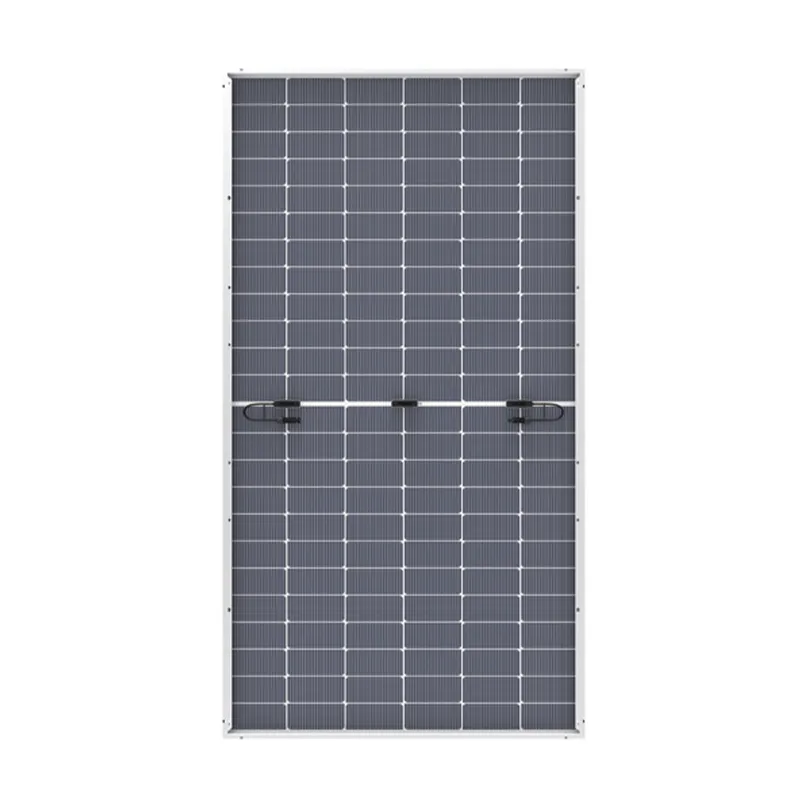
Due to the reflective nature of sandy terrains in Oman, bifacial panels that capture sunlight from both sides will become the standard to increase yield by 10-20%.

AI-Driven Energy Management

Integration of AI to predict dust storms and optimize cleaning schedules, ensuring that the solar roof operates at peak efficiency year-round.

Solid-State Storage Integration

A shift from traditional lithium-ion to solid-state batteries to handle the extreme heat of the Omani summer without risking thermal runaway.

Future Outlook for Oman's Solar Infrastructure

Strategic forecasting based on Google search trends and regional energy policy.

Grid-Interactive Systems
Transitioning from isolated setups to smart grids that allow homeowners to sell excess power back to the national utility.
Heat-Resistant Materials
Development of specialized glass coatings to reduce reflection and heat absorption in desert climates.
Integrated EV Charging
Merging home solar systems with rapid electric vehicle charging stations for a fully carbon-neutral transport loop.
Water-Energy Nexus
Using solar power for small-scale desalination plants to solve water scarcity in Oman's rural areas.

Industry Outlook

The trend data indicates a massive surge in searches for energy autonomy. We expect a shift towards high-capacity storage solutions that can sustain a household for 72 hours without sunlight, mitigating the risks of sand-storm-induced outages.

Furthermore, the integration of BIPV (Building-Integrated Photovoltaics) will transform Omani architecture, where the building skin itself serves as the power generator, reducing installation costs and enhancing aesthetic value.

Localized Solar Applications in Oman

Real-world implementation scenarios for the unique Omani landscape.

01. Luxury Villas in Muscat

Installation of a premium home solar system integrated with smart home automation to power heavy AC loads during peak summer months.

02. Remote Desert Farms (Al Wusta)

Deploying a robust off grid solar system to provide 24/7 electricity for irrigation pumps and refrigerated storage for produce.

03. Coastal Resorts in Salalah

Implementing salt-resistant solar panels for home-style modular arrays to power guest chalets while resisting corrosive sea air.

04. Industrial Warehouses in Sohar

Utilizing large-scale solar roof installations to reduce operational overhead and meet corporate ESG (Environmental, Social, and Governance) targets.

05. Mountain Retreats in Jebel Akhdar

High-altitude solar kits optimized for lower temperatures but high UV index, providing reliable lighting and heating for remote eco-lodges.

Brand Story

Global Development Journey of Hebei Benjiu New Energy Technology Co., Ltd.

Foundation & Technical Roots

Started as a specialized research hub for photovoltaic efficiency, focusing on solving the "heat-loss" problem in high-temperature environments.

Industrial Scale-Up

Established world-class manufacturing lines for N-type cells, ensuring that every module meets the rigorous standards of international durability.

Global Market Expansion

Successfully exported high-performance systems to the Middle East, adapting product designs to withstand the extreme sands and heat of Oman.

Innovation Milestone

Launched the "Desert-Shield" series, a breakthrough in anti-soiling technology that reduced maintenance costs for our Omani clients by 40%.

Sustainable Vision

Committed to powering 1 million homes worldwide with zero-carbon energy, bridging the gap between industrial manufacturing and environmental stewardship.

Common Questions About Solar in Oman

Expert answers to the most searched solar queries in the region.

How do solar panels for home perform during Omani sandstorms?

Our panels feature a specialized hydrophobic coating that prevents dust adhesion. During sandstorms, efficiency may drop temporarily, but a simple dry-brush or air-blow cleaning restores them to 99% peak performance.

What is the best off grid solar system capacity for a rural Omani farm?

Typically, a 5kW to 15kW system with a 20kWh lithium battery bank is recommended to handle water pumps and basic refrigeration throughout the night.

Can a solar roof withstand the extreme heat of Muscat?

Yes, we utilize low-temperature coefficient Monocrystalline cells that maintain efficiency even when temperatures exceed 45°C, combined with ventilated mounting racks.

How long does a typical home solar system take to pay for itself in Oman?

Depending on electricity consumption and government incentives, most residential systems in Oman achieve a Return on Investment (ROI) within 4 to 6 years.

Is solar energy reliable during the Khareef season in Salalah?

While cloud cover increases during Khareef, modern high-sensitivity panels can still capture diffuse light, and integrated battery storage ensures a steady power supply.

What maintenance is required for solar installations in desert areas?

The primary maintenance is periodic cleaning of the panels to remove dust. We recommend a bi-weekly cleaning cycle during the dry season to maximize energy yield.

Ready to Switch to Clean Energy?

Get a professional consultation for your solar project in Oman. Our engineers are ready to design your perfect system.

Contact Us Now

If you are interested in our products, you can choose to leave your information here, and we will be in touch with you shortly.