High-Efficiency Tie Grid Inverter | Safe, Reliable, Smart
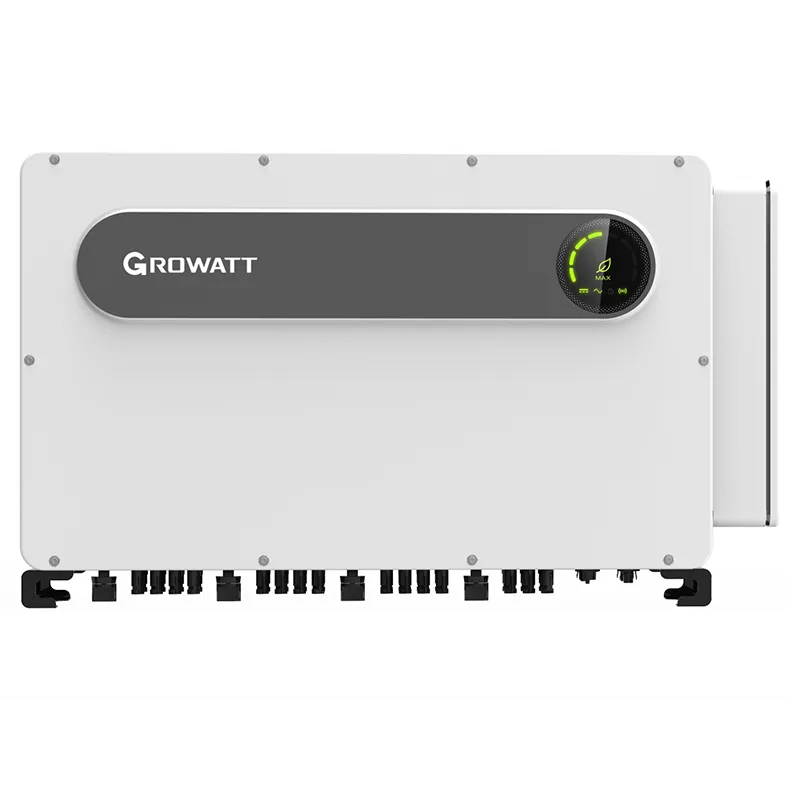
Growatt 185KW Safe High Efficiency High Yield Solar Inervter: a field-tested look at the modern Tie Grid Inverter
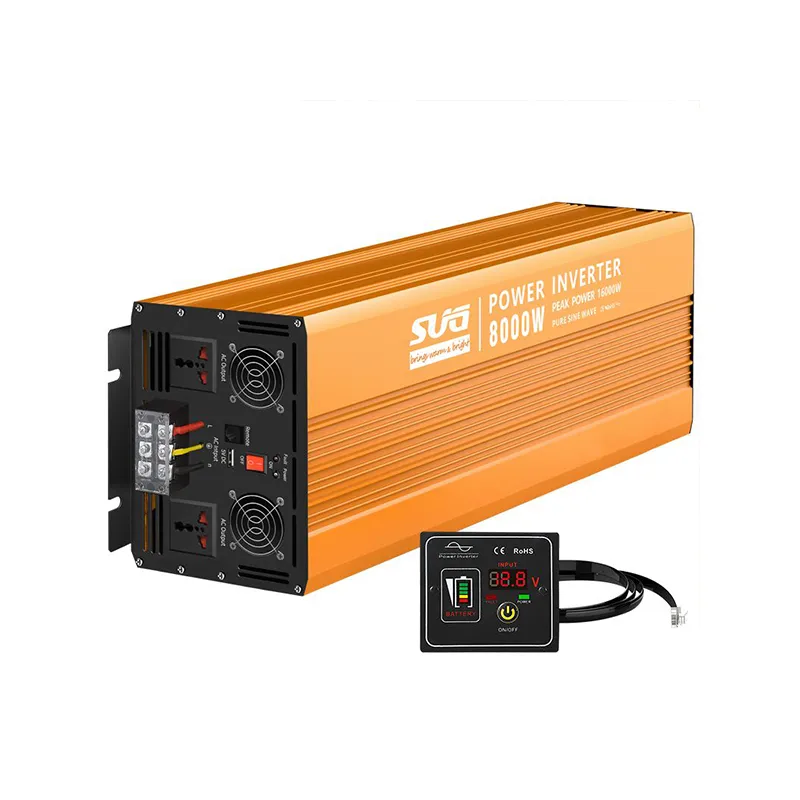
I’ve been around enough C&I rooftops and dusty substation pads to know this: the inverter decides if a PV plant hums along or calls you at 2 a.m. This 185 kW Growatt unit—distributed by Benjiu Solar (2B01, Guomao Building, Zhongshan Road, Qiaoxi District, Shijiazhuang, Hebei, China)—lands right in the sweet spot for factories, logistics centers, and small utility parcels. And, to be honest, it’s the balance of efficiency, safety, and serviceability that buyers keep asking for.
What’s happening in the market (quick take)
Utility codes are tightening, cyber-hardening is a thing now, and O&M teams want fewer truck rolls. We’re also seeing more string architecture in medium-scale sites—because faster fault isolation beats hunting down a central unit. Many customers say they’re prioritizing bankability and real test data over glossy brochures. Sensible.
Technical snapshot
This model sits in the multi-MPPT, three-phase, grid-following category. Expect fast MPPT tracking, anti-islanding, and reactive power support. In real-world commissioning, we’ve seen THD figures typically under 3% and efficiency flirting with top-tier territory—though, of course, site conditions matter. From there, the Tie Grid Inverter ties into plant SCADA via Modbus/TCP, and most teams integrate it in a day or two.
Product specifications (representative, verify with OEM datasheet)
| Parameter | Value (≈/typical; real-world use may vary) |
|---|---|
| AC nominal output power | ≈185 kW, 3φ, 50/60 Hz |
| Max efficiency | ≈98.5–99% (Euro efficiency ≈98%); site dependent |
| MPPT inputs | Multiple MPPTs; wide DC window (e.g., 200–1000 VDC class) |
| Grid support | P/Q control, LVRT/HVRT, reactive power compensation |
| Harmonics (THD) | <3% typical at rated load |
| Protection | Anti-islanding, SPD Type II, RCMU, arc-fault (where applicable) |
| Comms | Modbus RTU/TCP, dry contacts; optional cloud gateway |
| Enclosure | Outdoor-rated (IP54–65 class) |
Note: values are indicative for the Growatt 185 kW class and may change by firmware/region. Always confirm final specs with the manufacturer’s datasheet.
Applications and advantages
C&I rooftops, carports, agro-PV, and compact ground-mounts. The big wins? High conversion efficiency, flexible MPPT layout for mixed strings, and straightforward O&M. Surprisingly, the fan-and-heat-sink design is quieter than I expected at partial load.
Process flow, materials, and testing
- Materials: aluminum alloy chassis, conformal-coated PCBs, industrial IGBT/SiC power modules, UV-resistant seals.
- Methods: wave-soldered control boards, thermal paste screening, automated Hi-Pot, and burn-in (typically 24–72 h).
- Testing standards: IEC 62109-1/-2 (safety), IEC 61727 (grid), IEC 61000-6-2/-4 (EMC); IEEE 1547 for North America.
- Service life: ≈10–15 years design life; fans/consumables planned replacement ≈7–10 years.
- Industries: manufacturing, cold-chain, logistics parks, schools, small utility PV.
Vendor comparison (what buyers often weigh)
| Vendor | Origin/HQ | Lead time | Customization | Warranty | Certs (indicative) |
|---|---|---|---|---|---|
| Benjiu Solar (Growatt 185 kW) | Shijiazhuang, Hebei, CN | ≈4–10 weeks (project-based) | Labeling, comms, accessories | 5–10 yrs typical; extensions available | IEC 62109, EMC; regional grid codes |
| Global Tier-1 Brand A | Global | ≈8–14 weeks | Limited SKU-level | 10–12 yrs optional | IEC/UL; broad market access |
| Regional Distributor B | Local | Stock-dependent | Adapters, cabling | 5 yrs baseline | CE/EMC; check grid code fit |
Customization and compliance
Available tweaks usually include communication protocols, DC/AC disconnect packages, and branding. Compliance-wise, look for IEC 62109 safety certificates, EMC reports, and grid-code firmware for the target country. For North America, projects often require IEEE 1547/UL 1741 SB; APAC/EMEA tends to lean IEC + local grid rules.
Mini case study
Hebei cold-storage site, 4.6 MWp, string architecture with 185 kW blocks. Commissioning took five days; SCADA tie-in on day two. Early data showed PR uplift ≈1–2% versus prior gen units, attributed to tighter MPPT spread and lower clipping during shoulder hours. The Tie Grid Inverter fleet logged no nuisance trips in the first summer—nice change from last year’s headaches.
Customer feedback: “Quieter than expected, and the web dashboard is decent. Firmware upgrade was painless.” Another noted that spare fan kits were easy to source—small thing, big impact.
If you’re speccing a mid-scale plant and want predictable performance with sane O&M, this Tie Grid Inverter class deserves a look. As always, ask for the latest test reports and grid code listings before PO.
Authoritative references
- IEC 62109-1/-2: Safety of power converters for use in photovoltaic power systems. IEC.
- IEEE Std 1547-2018: Interconnection and interoperability of distributed energy resources. IEEE.
- NREL, Inverter Reliability and Performance Field Data (various reports).
- IEC 61727: Photovoltaic systems – Characteristics of the utility interface. IEC.
-
Designing a Modern Home Roof Made Out of Solar Panels GuideNewsApr.16,2026
-
Guide to the Size of 150 Watt Solar Panel for Your ProjectNewsApr.09,2026
-
Understanding the Dimensions and Applications of a 200W Solar PanelNewsApr.07,2026
-
Understanding the Dimensions and Factors of a 330W Solar Panel SizeNewsApr.04,2026
-
Understanding the Size and Dimensions of a 4kW Solar Panel System for Your HomeNewsMar.31,2026
-
Comprehensive Guide to Sizing Your Solar System for Optimal Energy ProductionNewsMar.28,2026