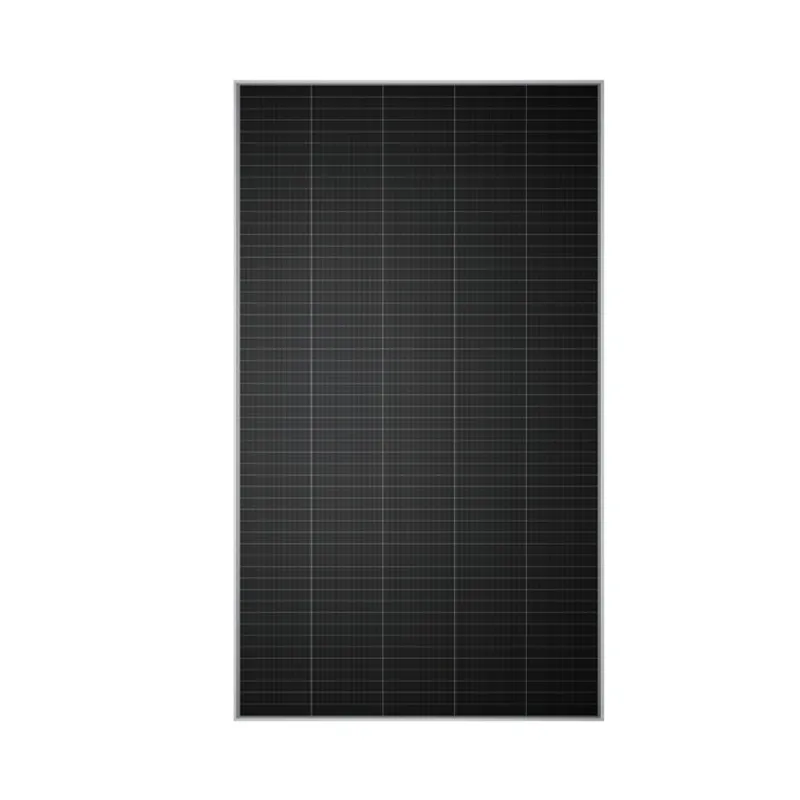
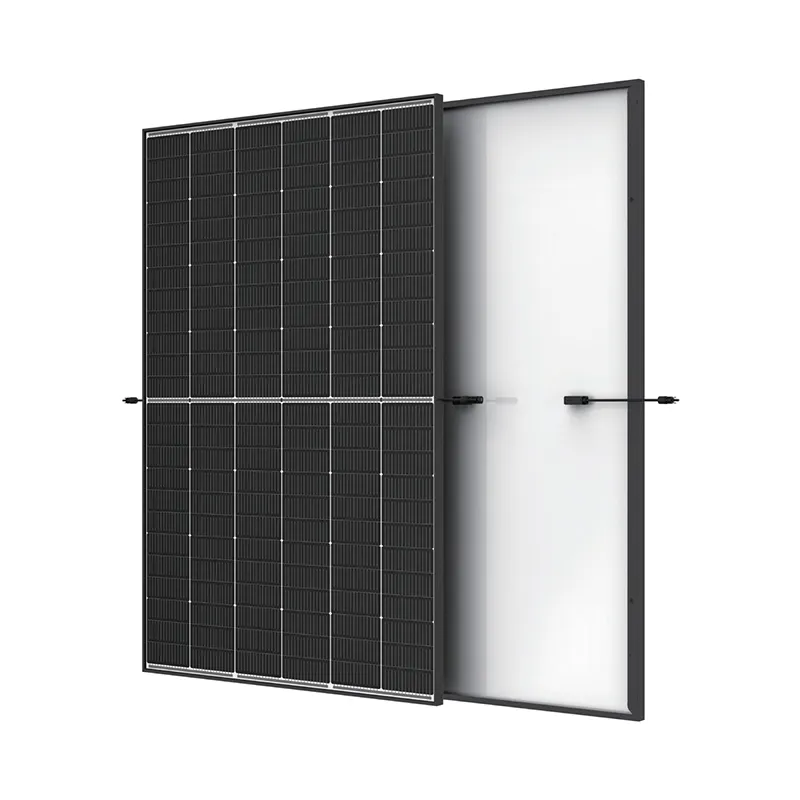
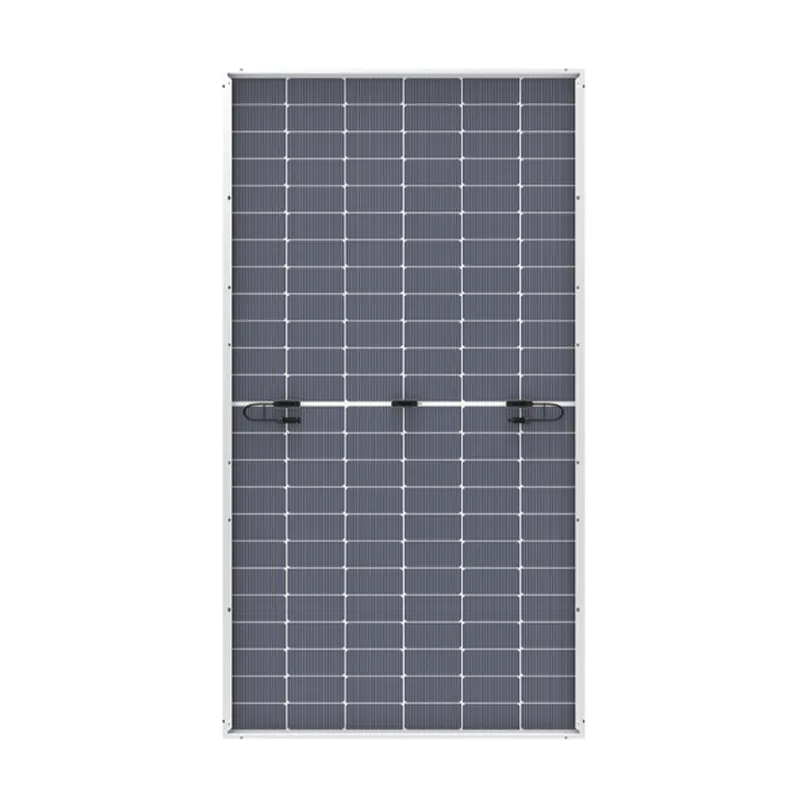
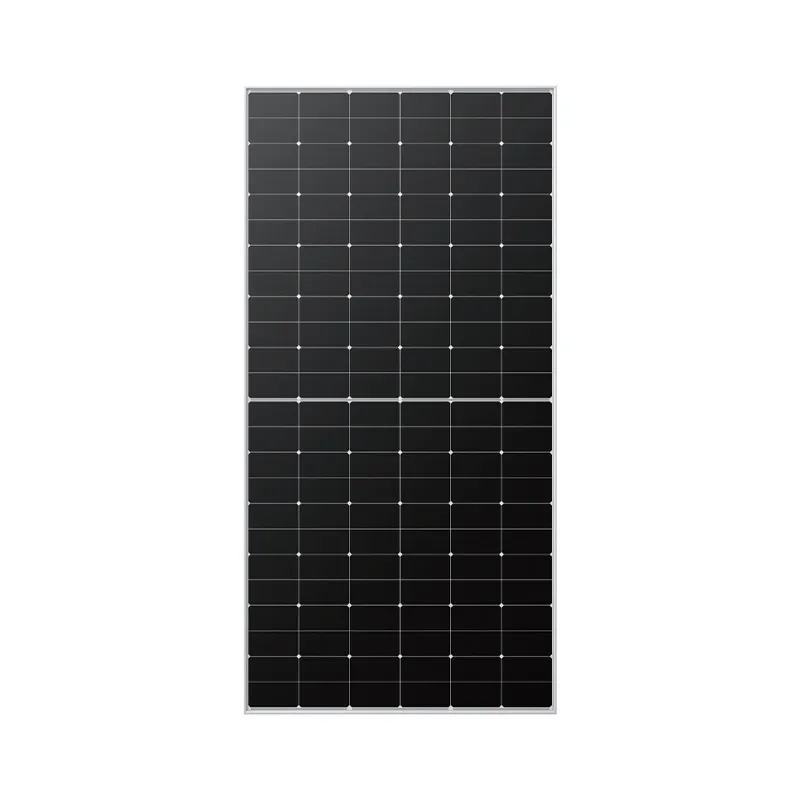
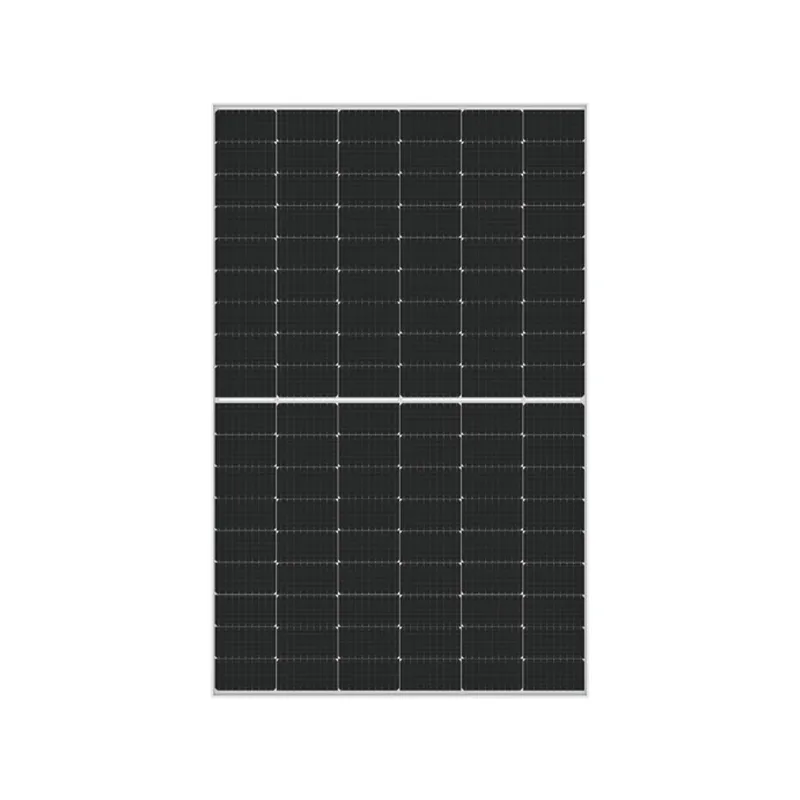
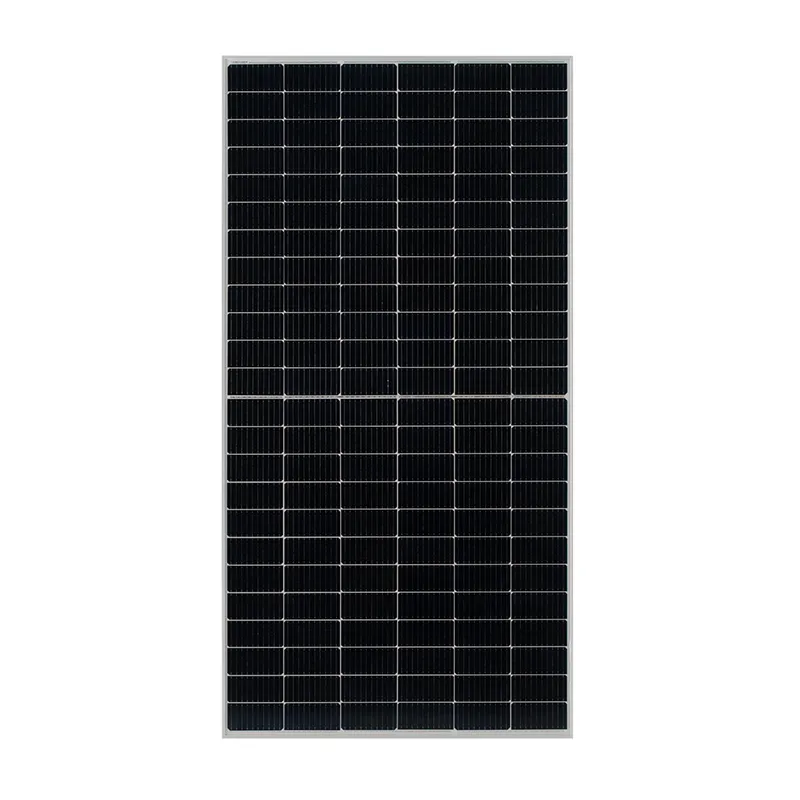
High Efficiency Flexible Solar Panels: Versatile Renewable Energy Solutions for Global Needs
High Efficiency Flexible Solar Panels: Powering a Sustainable Future
In today’s rapidly evolving energy landscape, high efficiency flexible solar panels are more than just a technical curiosity — they represent a meaningful shift toward versatile, accessible clean energy. Frankly, the globe urgently needs better energy solutions that travel well and adapt easily. That’s why understanding these lightweight, bendable, and high-performance solar panels isn’t just for engineers or green activists — it’s key for everyone interested in smarter, scalable sustainability.
Introduction: Global Energy Challenges and the Rise of Flexible Solar Technology
Here’s a snapshot: according to the International Renewable Energy Agency (IRENA), solar power accounted for nearly 11% of global renewable energy capacity by 2023, and that number keeps climbing. However, one of the biggest barriers for solar adoption worldwide remains the panels’ rigidity and heavy installation needs. Remote areas, disaster zones, and mobile industries often find traditional solar setups impractical or too costly.
That’s where high efficiency flexible solar panels enter the story — a nimble solution answering the pressing need for portable, lightweight solar power. Not only does this technology address physical limitations; it’s also poised to reshape humanitarian responses, off-grid living, and even aerospace applications. So, yes, it matters globally, and the benefits extend well beyond simple energy production.
What Exactly Are High Efficiency Flexible Solar Panels?
At their core, these panels are photovoltaic modules constructed with thin-film or crystalline solar cells embedded on flexible substrates such as plastic or thin metal sheets. The term "high efficiency" highlights their ability to convert more sunlight into electricity compared to traditional flexible panels, often exceeding 20% efficiency — which is remarkable given their bendable form.
Unlike conventional glass-encased panels, these flexible variants can curve, roll, or conform to irregular surfaces without breaking, making them ideal for innovative uses. From modern electric boats to integrated solar backpacks, their impact reaches toward sectors where durability, weight, and form factor are crucial. In humanitarian contexts, they empower refugee camps and emergency relief by deploying power on the fly.
Key Factors That Define These Advanced Solar Panels
1. Durability & Flexibility
One of the defining features is their ability to endure physical stress without cracking — they can bend up to 30 degrees or more, surviving rough handling or dynamic environments. This flexibility means they can be mounted on curved surfaces like vehicles, tents, or curved aircraft wings.
2. Conversion Efficiency
Efficiency remains the prime metric. Recent advances incorporate monocrystalline silicon cells optimized for thin-film applications, pushing power conversion beyond 22% in lab conditions. In field applications, that means more watts from less surface area, ensuring reliable output even in limited spaces.
3. Light Weight & Portability
These panels typically weigh 50-70% less than traditional glass modules. This ultra-light characteristic simplifies transport logistics, lowers installation labor costs, and enables rapid deployment in off-grid or tactical setups.
4. Scalability & Integration
They’re designed for modularity, allowing users to chain multiple panels for larger systems or integrate them seamlessly into building materials or consumer devices. This flexibility broadens their application spectrum from small-scale gadgets to full-scale remote solar arrays.
5. Cost Efficiency
Although still at a premium compared to standard solar panels, continual production and technological advances steadily bring costs down. The reduction in installation complexity and durability savings help offset the upfront price over time.
| Specification | Benjiu FLEX-220 | Standard Rigid Panel |
|---|---|---|
| Power Output | 220 W | 250 W |
| Efficiency | 21% | 18% |
| Weight | 1.2 kg | 4.5 kg |
| Flexibility | ±30° bend | Rigid |
| Warranty | 12 years | 25 years |
Who’s Using Them? Real-World Applications Worldwide
Oddly enough, you’ll find high efficiency flexible solar panels in some of the most unexpected places. For instance:
- Disaster Relief: UN agencies deploy these panels in emergency camps where quick, rugged power sources mean life-saving communications and refrigeration.
- Marine & Transportation Industries: Sailboats, RVs, and electric trucks use flexible panels to maintain energy autonomy without heavy roof racks.
- Developing Regions: Remote villages in Sub-Saharan Africa depend on portable solar solutions to power schools, clinics, and businesses that were previously off-grid.
- Wearables and IoT Devices: Some modern backpacks and tents include integrated flexible panels, blending tech and convenience for outdoor enthusiasts.
Advantages That Go Beyond the Wattage
On the surface, the benefits might seem purely technical. But the value runs deeper:
- Cost Savings: Less hardware and simpler installation translate to lower upfront and maintenance expenses.
- Sustainability: Flexible solar panels reduce the need for land use and heavy materials, feeding into circular economy principles.
- Social Impact: They bring dignity and autonomy to communities traditionally reliant on fossil fuels, easing inequality.
- Reliability: In harsh or shifting environments, their resilience means consistent power even when others fail.
Looking Ahead: What’s Next for Flexible Solar Technologies?
Many experts expect flexible solar tech to intertwine further with digital innovations like smart grids and energy storage integration. Researchers explore perovskite materials to push efficiency beyond 30%, while nano-coatings promise enhanced durability and self-cleaning properties — kinda like a solar panel that looks after itself.
Policies are catching up too, with nations incorporating flexible solar solutions into sustainability targets and off-grid electrification programs. Intelligent energy management systems paired with flexible panels might soon make real-time generation and consumption smarter and greener.
Challenges and How the Industry Tackles Them
Of course, no technology is without hurdles. Flexible solar panels currently struggle with a shorter warranty compared to glass panels, and their fragile substrates can degrade faster in extreme UV or moisture exposure. Manufacturing costs, while dropping, still present a barrier.
Innovators are addressing these through improved encapsulation methods, hybrid material blends that optimize robustness, and scaling up automated manufacturing to cut costs. Some vendors even offer leasing or pay-as-you-go models to ease initial financial burdens for users.
Vendor Comparison: Selecting the Right High Efficiency Flexible Solar Panel
| Vendor | Efficiency | Warranty | Price per W | Special Feature |
|---|---|---|---|---|
| Benjiu Solar | 21% | 12 years | $1.1 | Lightweight, high flexibility |
| FlexiSolar Corp. | 20.5% | 10 years | $1.15 | UV resistant coating |
| SunGlide Panels | 19.8% | 15 years | $1.3 | Self-cleaning surface |
Frequently Asked Questions About High Efficiency Flexible Solar Panels
- Q1: How long do high efficiency flexible solar panels typically last?
- While the lifespan is improving, most flexible solar panels come with warranties ranging from 10 to 15 years, shorter than rigid panels due to substrate vulnerability. Advances in materials are expected to extend durability in coming years.
- Q2: Can these panels be used in harsh environmental conditions?
- Yes, many panels are designed with UV-resistant and waterproof coatings, making them suitable for marine, desert, and tropical climates. However, extreme mechanical stress or prolonged abrasion might reduce their lifespan.
- Q3: Are they cost-effective compared to traditional solar panels?
- The upfront price is generally higher. But their ease of installation, lightweight nature, and versatility often lower total system costs and enable applications impossible with rigid panels — which balances things out.
- Q4: How do I clean and maintain flexible solar panels?
- Cleaning is usually gentle — a soft cloth with water and mild soap suffices. Avoid abrasive tools to preserve the panel surface. Regular checks for damage or degradation help maintain peak performance.
- Q5: Where can I buy reliable flexible solar panels?
- Vendors like Benjiu Solar specialize in high efficiency flexible panels. It’s best to compare specs, warranty, and after-sales service when choosing a supplier.
In Conclusion
High efficiency flexible solar panels offer a compelling glimpse into the future of renewable energy — one that’s adaptable, portable, and democratizing power access at scale. For businesses, humanitarian groups, and adventurous individuals alike, these panels mean real-world solutions, not just talk. Ready to explore what power you can carry? Visit Benjiu Solar’s website to learn more about next-generation solar tech tailored for your needs.
Mini Takeaways:
- Flexible solar panels solve deployment challenges in remote and mobile settings.
- Technological strides continue to close the efficiency gap with rigid panels.
- Applications span disaster relief, transportation, and off-grid living — making clean energy truly portable.
- Maintenance and cost challenges exist but are actively tackled by innovation and scale.
References:
-
Designing a Modern Home Roof Made Out of Solar Panels GuideNewsApr.16,2026
-
Guide to the Size of 150 Watt Solar Panel for Your ProjectNewsApr.09,2026
-
Understanding the Dimensions and Applications of a 200W Solar PanelNewsApr.07,2026
-
Understanding the Dimensions and Factors of a 330W Solar Panel SizeNewsApr.04,2026
-
Understanding the Size and Dimensions of a 4kW Solar Panel System for Your HomeNewsMar.31,2026
-
Comprehensive Guide to Sizing Your Solar System for Optimal Energy ProductionNewsMar.28,2026