High-Efficiency 375 Watt Solar Panels - Affordable & Reliable Power Solutions
The Rise of the 375 Watt Solar Panel: Why It Matters Globally
In today’s push towards renewable energy, the 375 watt solar panel stands out as a quietly pivotal technology. Why so? Well, it hits a sweet spot in power output that’s particularly suited for residential, commercial, and even humanitarian applications worldwide. As countries race to meet climate goals outlined by entities like the UN and ISO, solar tech such as this offers cost-effective, scalable energy solutions — cutting costs, emissions, and dependency on fossil fuels.
According to the International Renewable Energy Agency (IRENA), solar power capacity worldwide has surged by over 20% annually, and mid-range modules like the 375 watt make that transition more accessible. Yet, challenges remain in durability, installation ease, and maximizing output across diverse environments. Understanding this specific panel type is key to appreciating how modern solar solutions shape energy independence everywhere.
Mini takeaway: The 375 watt solar panel is a globally relevant solution bridging affordability, efficiency, and accessibility in solar power — powering homes and hope alike.
What Exactly Is a 375 Watt Solar Panel?
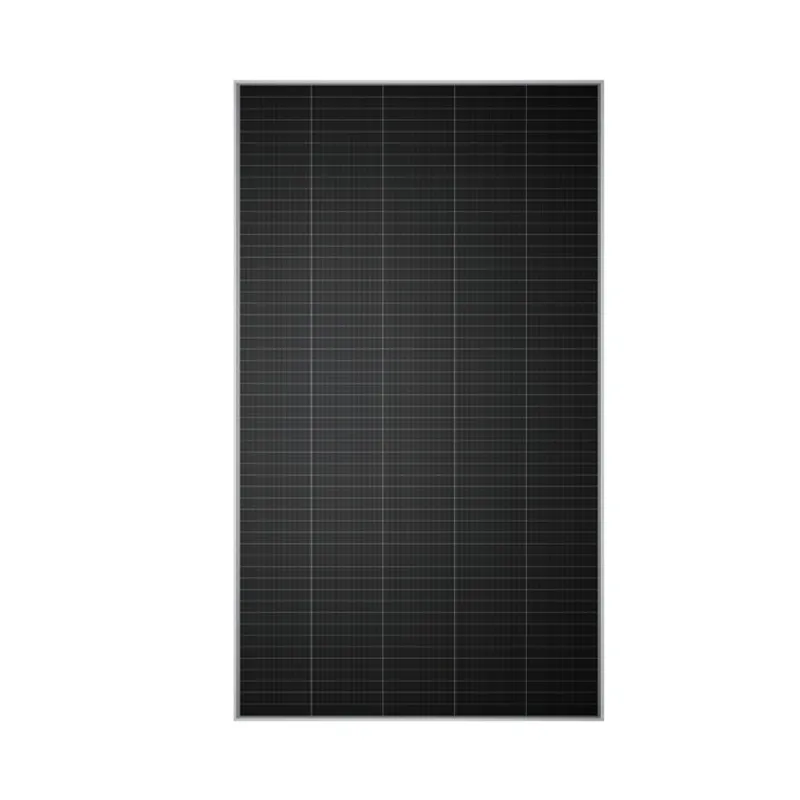
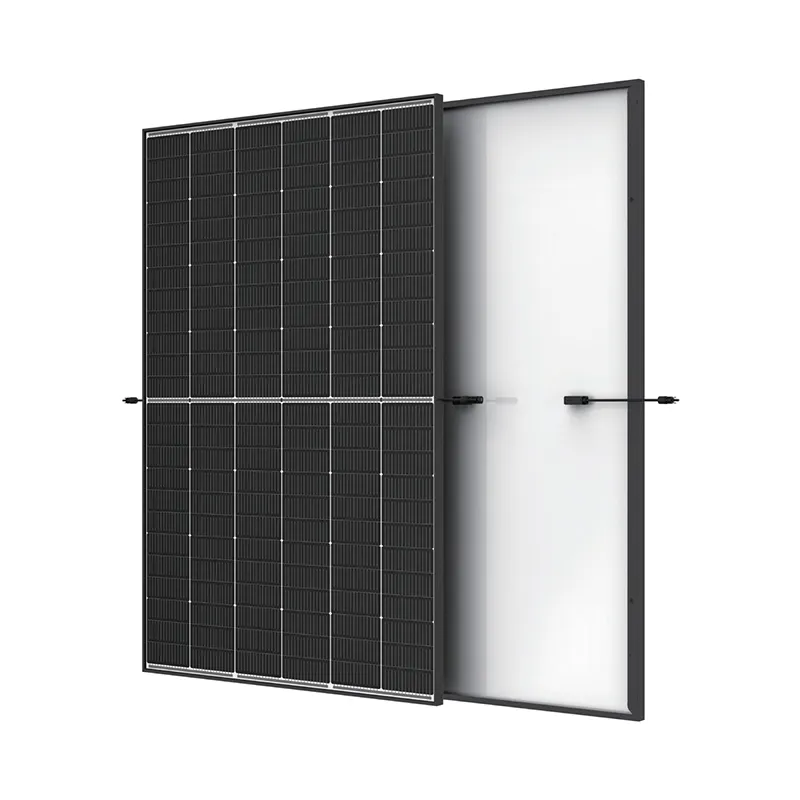
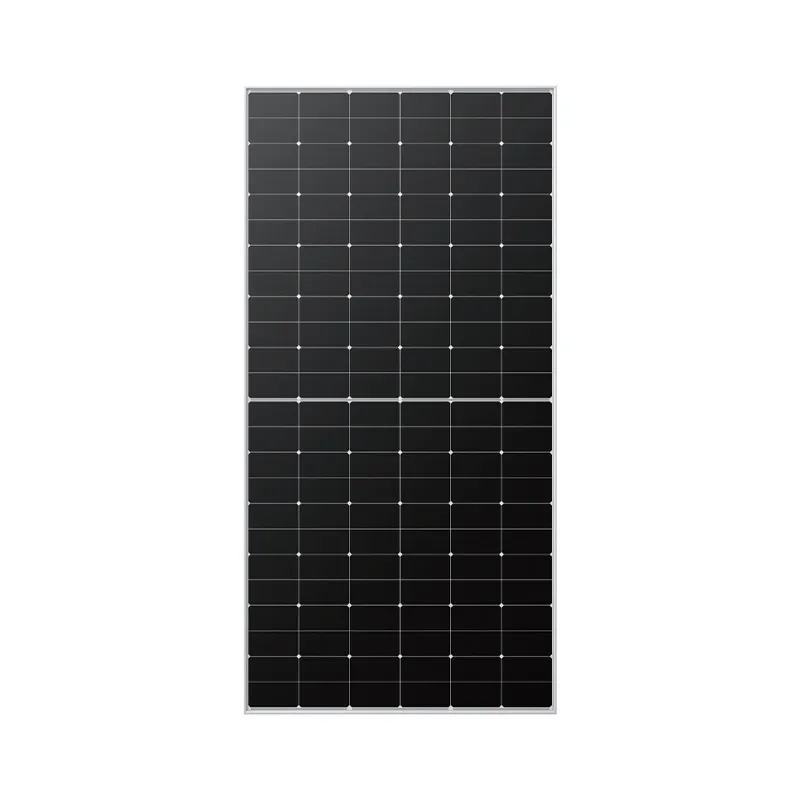
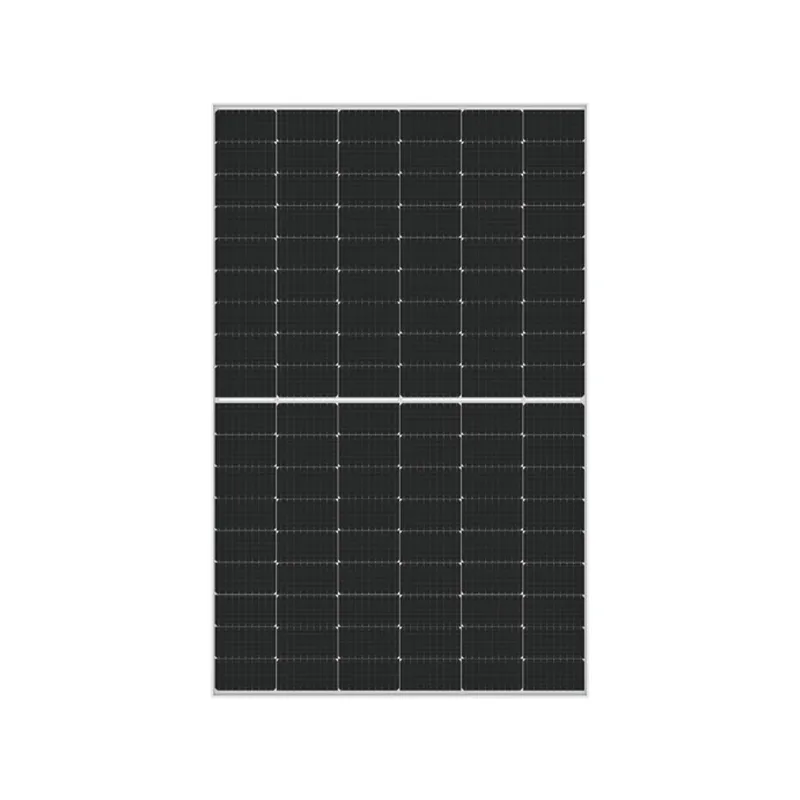
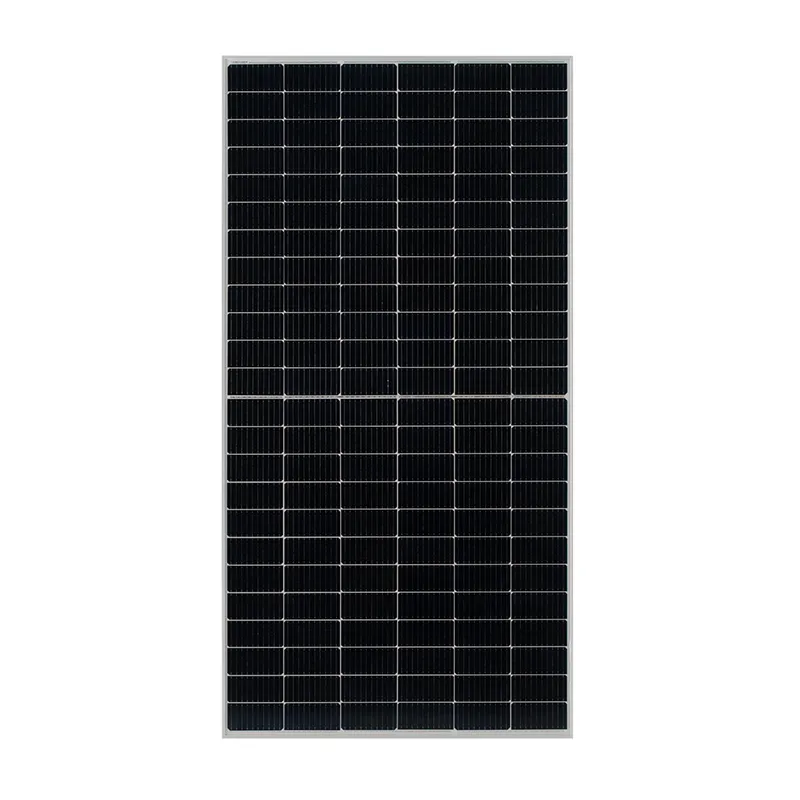
Simply put, a 375 watt solar panel converts sunlight into roughly 375 watts of electrical energy under standard test conditions. These panels typically measure around 1 meter by 1.7 meters and use monocrystalline or polycrystalline silicon cells — the stuff of modern photovoltaic (PV) technology.
But beyond the specs, the true “meaning” lies in what these panels enable. From electrifying remote villages in sub-Saharan Africa to powering off-grid pumps in Asia, 375 watt solar panels represent a sweet balance of power and manageability. They’re also well-suited to retrofit installations on existing rooftops without upheaval — a subtle but crucial factor for many homeowners and businesses.
Mini takeaway: A 375 watt solar panel is a moderate-sized, efficient PV module designed to deliver dependable power, adaptable to many real-world needs.
Core Features and Factors That Make 375 Watt Panels Stand Out
Durability and Weather Resistance
Quality 375 watt panels endure hail, wind, and high temperatures — necessary for installations spanning deserts to coastal regions. Many use tempered tempered glass and robust frames, tested to withstand harsh environments.
Efficiency and Performance
While wattage gives raw power, efficiency indicates how well sunlight converts to electricity. Modern 375 watt panels often reach 19%+ efficiency, which means more power per square foot — critical when roof space is limited.
Cost Efficiency and ROI
These panels hit a sweet spot in cost per watt, balancing manufacturing complexity with output. For many businesses and homeowners, they reduce payback periods compared to lower output models or smaller setups.
Installation Flexibility & Scalability
375 watt panels typically weigh about 18-20 kg, easily handled by installers without cranes or heavy equipment. This portability lends itself to diverse mounting options — ground mounts, rooftops, or even migratory setups for humanitarian missions.
Warranty and Lifespan
Typical warranties span 25 years, promising gradual power degradation below 0.5% annually. In real terms, many panels still function well beyond 30 years, making them reliable long-term investments.
Mini takeaway: The durability, efficiency, cost-effectiveness, and flexible installation make 375 watt solar panels a versatile choice tailored to many scenarios.
| Spec | Details |
|---|---|
| Power Output | 375 Watts (±3%) |
| Panel Dimensions | Approx. 1.7m x 1.0m |
| Weight | 18-20 kg |
| Efficiency | 19%-21% |
| Cell Type | Monocrystalline or Polycrystalline |
| Warranty | 25 years performance warranty |
| Operating Temperature | -40°C to +85°C |
Where 375 Watt Solar Panels Shine Around the Globe
Oddly enough, these panels turn up in some of the most unexpected places. I remember hearing about remote schools in Kenya powered entirely by arrays of mid-output modules — enough to run lights, laptops, and pumps throughout the day.
Here are some key sectors benefiting:
- Rural Electrification: Regions like Southeast Asia and Sub-Saharan Africa use 375 watt panels to create microgrids that leapfrog grid extension challenges.
- Commercial Buildings: Small businesses use them on rooftops for reliable daytime power, lowering monthly energy bills sharply.
- Post-Disaster Relief: Emergency response teams deploy portable 375 watt setups to quickly power clinics, communication gear, and water purification.
- Remote Industrial Operations: Mining camps and oil drilling sites install these panels to lessen fossil fuel dependency.
Mini takeaway: The 375 watt solar panel is a global workhorse — adaptable to varied climates, industries, and urgent humanitarian needs.
Advantages That Go Beyond Dollars and Cents
There’s a pragmatic edge to these panels, but also an emotional element rarely spoken aloud. When a family in a rural village finally owns clean electricity, it’s more than light — it’s safety after dark, the chance to study, dignity restored. From a logical viewpoint, the panels deliver:
- Lower Energy Costs: Reduces or eliminates monthly power bills.
- Sustainability: Cuts carbon footprint aligning with climate goals.
- Reliability: Long lifespan with minimal maintenance.
- Independence: Less reliant on costly, polluting diesel generators or unstable grids.
So yes, it’s profit — but it’s health, education, and community empowerment too.
What’s Next? Trends & The Future of 375 Watt Panels
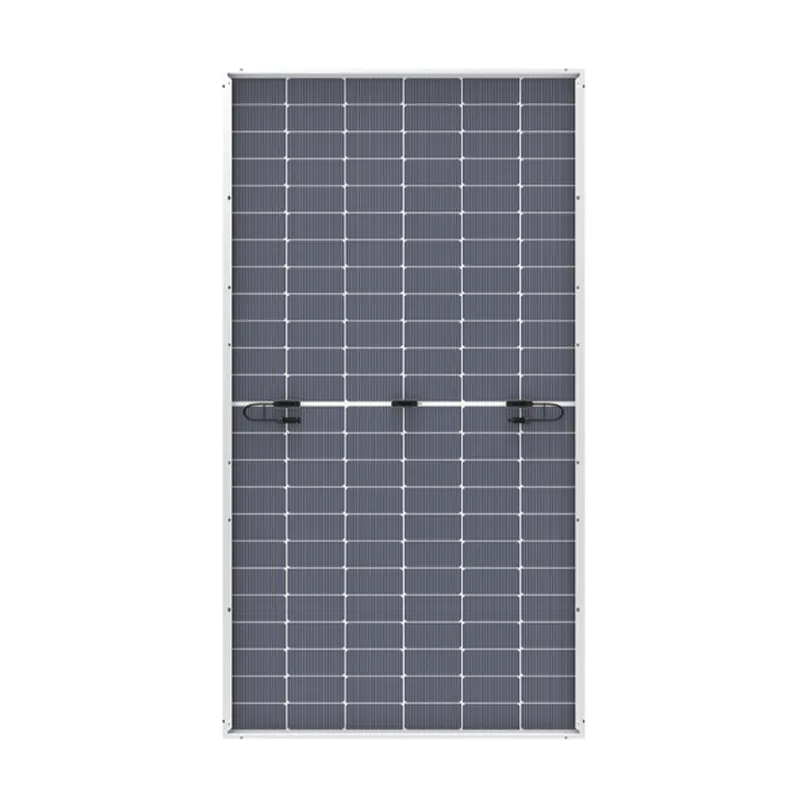
Innovation doesn’t sleep. Multi busbar cells and bifacial technology are bringing 375 watt panels closer to 22% efficiency. Thin-film materials and perovskites look promising for flexible modules, while embedded IoT sensors can monitor panel health remotely.
Meanwhile, global policies push for mandated renewable mixes on new builds and subsidies to make solar more affordable, continuing to drive demand for mid-range panels.
Challenges Still on the Horizon (And How to Tackle Them)
Despite their many strengths, 375 watt solar panels aren’t a silver bullet:
- Temperature Sensitivity: Performance dips during extreme heat — researchers are exploring improved cell coatings and ventilation.
- Installation Complexity: Skill shortages in some regions slow deployment, so training programs and modular plug-and-play systems are gaining traction.
- Upfront Costs: Although ROI is solid, initial investments can be a hurdle, which community financing and leasing models aim to solve.
Quick FAQ on 375 Watt Solar Panels
1. How much energy does a 375 watt solar panel produce daily?
On average, a 375 watt solar panel can produce between 1.5 to 2.5 kWh per day, depending on sunlight hours and location. For instance, sunny regions yield higher output compared to cloudy or shaded areas.
2. Can 375 watt solar panels be used for home battery storage systems?
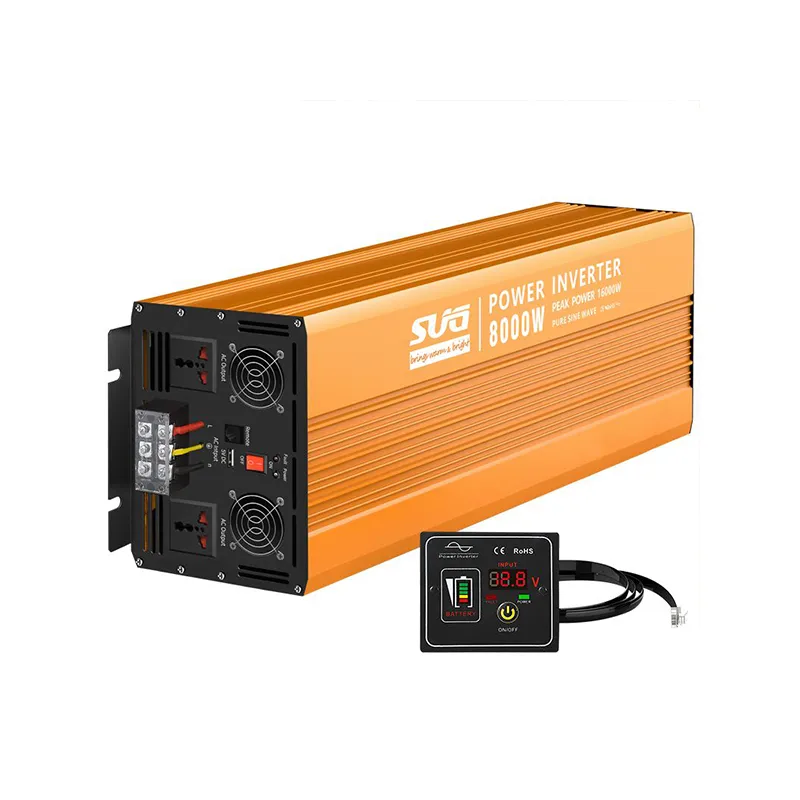
Absolutely. They’re ideal for feeding solar charge controllers that feed batteries, enabling off-grid or hybrid solar-plus-storage setups for consistent power, even at night or during outages.
3. How long does installation take for a typical 375 watt panel?
Typically, installing one panel takes about 1-2 hours, factoring in mounting, wiring, and testing. Larger systems with dozens require several days and careful planning.
4. Are 375 watt solar panels compatible with existing solar inverters?
Yes. Since most inverters handle wide voltage and watt ranges, 375 watt panels usually pair well. Still, it’s best to confirm compatibility with system specs.
5. How does maintenance for 375 watt panels compare to other panels?
Maintenance is generally low, involving periodic cleaning of dust and debris and inspection for damage. This routine is comparable with all PV modules, making 375 watt panels a hassle-free choice.
Comparing Top Vendors of 375 Watt Solar Panels
| Vendor | Panel Type | Warranty | Efficiency | Starting Price (USD) |
|---|---|---|---|---|
| Benjiu Solar | Monocrystalline | 25 years performance | 20.2% | $150 |
| SunPower | Monocrystalline | 25 years product & performance | 21.5% | $180 |
| LG Solar | Monocrystalline | 25 years product & performance | 20.8% | $170 |
Wrapping Up: The Lasting Impact of 375 Watt Solar Panels
There’s a quiet revolution on rooftops and fields worldwide, and the modest 375 watt solar panel is front and center. Its blend of power, affordability, and ruggedness means it’s not just a component — it’s a gateway to reliable, sustainable energy for millions. From entrepreneurs cutting costs to aid workers bringing light to dark places, it’s a technology that, frankly, feels like hope itself.
If you’re curious to explore more or upgrade your solar setup, why not start here? Visit 375 watt solar panel for detailed product info, case studies, and expert advice.
References:
-
Designing a Modern Home Roof Made Out of Solar Panels GuideNewsApr.16,2026
-
Guide to the Size of 150 Watt Solar Panel for Your ProjectNewsApr.09,2026
-
Understanding the Dimensions and Applications of a 200W Solar PanelNewsApr.07,2026
-
Understanding the Dimensions and Factors of a 330W Solar Panel SizeNewsApr.04,2026
-
Understanding the Size and Dimensions of a 4kW Solar Panel System for Your HomeNewsMar.31,2026
-
Comprehensive Guide to Sizing Your Solar System for Optimal Energy ProductionNewsMar.28,2026