Going Solar: Benefits, Challenges & Innovations in Renewable Energy
Going Solar: Powering the Future with the Sun
In the past decade, going solar has shifted from a niche eco-trend to a global imperative. It’s no secret that the planet’s energy needs are exploding while fossil fuels contribute to climate change and pollution. Solar power offers a clean, abundant, and increasingly affordable option. Why does this matter? Because harnessing sunlight isn’t just about fancy rooftops or saving on electricity bills—it’s about reshaping our energy landscape for good, globally and locally alike.
Understanding the ins and outs of going solar means recognizing its potential to reduce carbon emissions, empower remote communities, and spur technological innovation. It’s not just an environmental win but also a socio-economic game-changer.
Global Context: Why the World is Racing Towards Solar Energy
The United Nations estimates that by 2050, solar power could supply up to 30% of the world’s electricity demand. Right now, solar installations are growing at an annual rate of roughly 25-30%, with more countries investing heavily in renewable infrastructure. The World Bank reports that solar energy installations have helped connect over 800 million people to electricity in remote areas.
Yet the challenge remains: How can we scale up solar technologies fast enough to meet rising demand, especially in developing countries? The answer lies partly in cost reductions, partly in technological innovation, and partly in policy frameworks that favor renewables over fossil fuels. And that’s where going solar finds its critical role.
What Does Going Solar Really Mean?
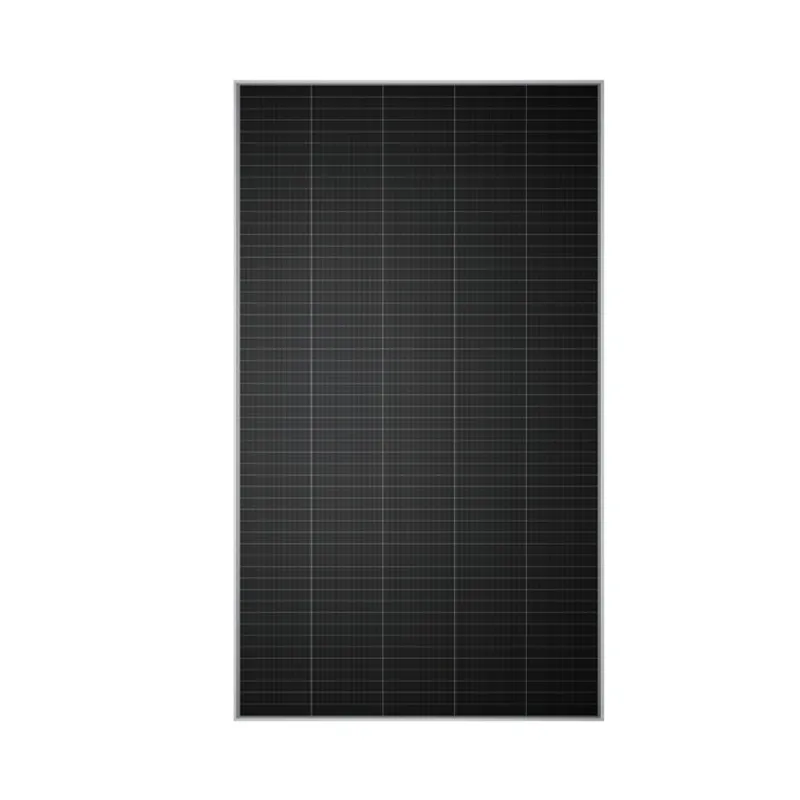
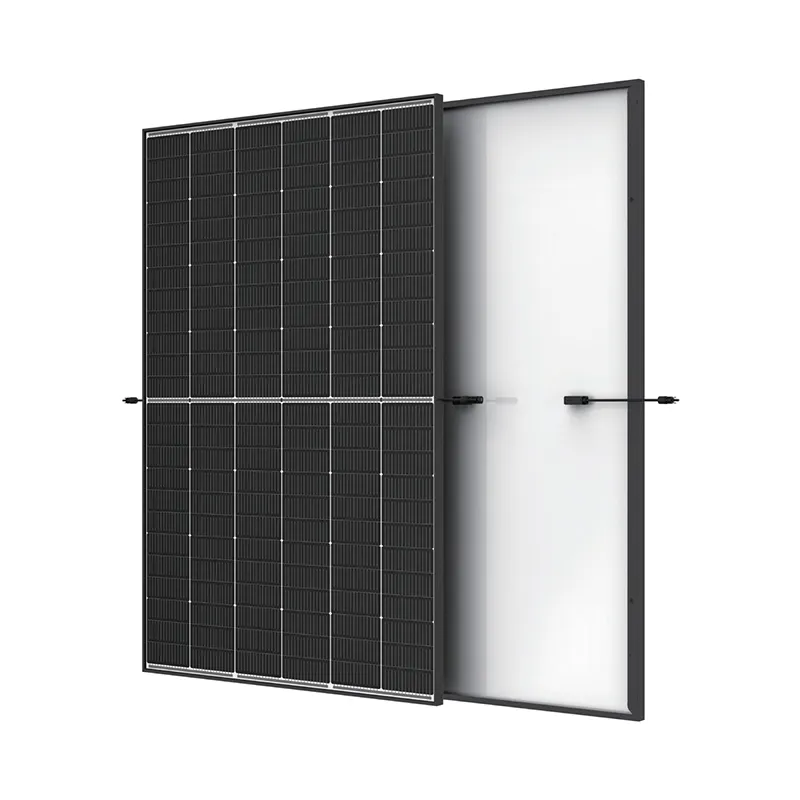
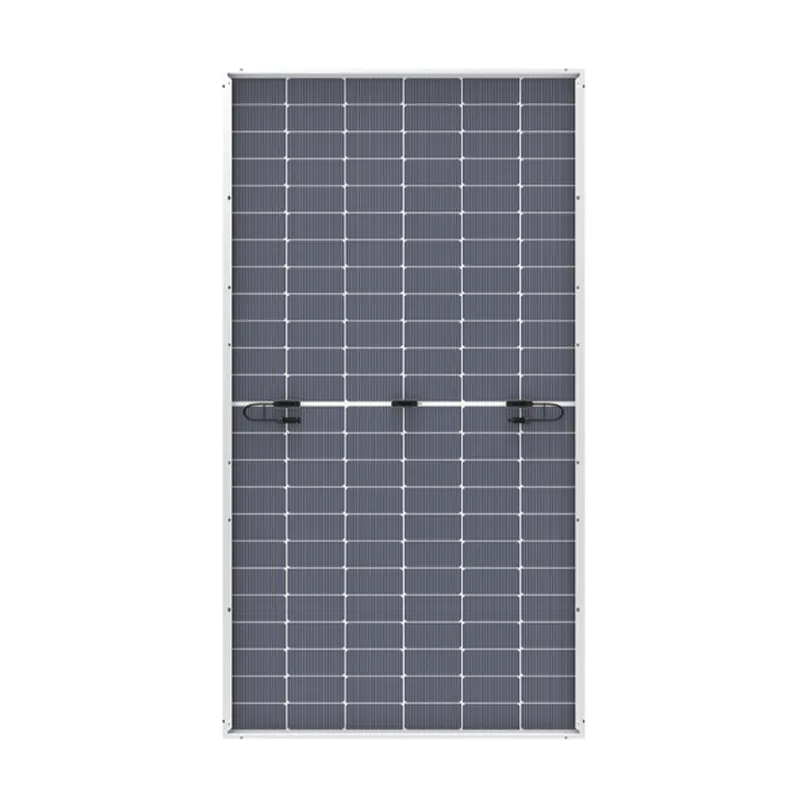
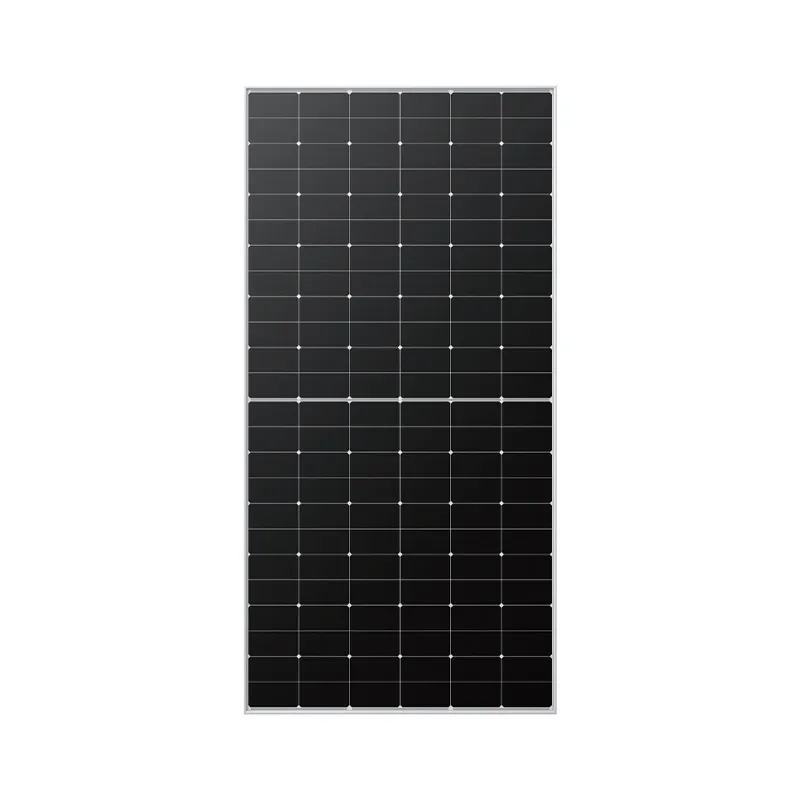
At its core, going solar means using photovoltaic (PV) technology or solar thermal systems to convert sunlight into electricity or heat. This might be as simple as installing solar panels on your home, or as complex as setting up massive solar farms powering entire cities.
In humanitarian and industrial terms, going solar has become synonymous with energy independence, resilience, and sustainable development. From powering water pumps in drought-hit areas to reducing reliance on expensive diesel generators in mining sites—going solar extends far beyond just panels and wires.
Core Components of Effective Solar Deployment
1. Durability
Solar panels must withstand years of sun, wind, rain, and sometimes dust storms. Most modern PV panels come with warranties of 25 years or more, but their true endurance depends on manufacturing quality and installation care.
2. Scalability
One of the beauties of solar technology is how modular it is. You can start small with a rooftop system and grow it over time—or go big with sprawling utility-scale solar farms. Scalability makes solar viable for homeowners, businesses, farms, and entire grids.
3. Cost Efficiency
We've seen the cost of solar panels drop by nearly 90% over the last decade. Combined with low maintenance and zero fuel costs, going solar can offer excellent returns on investment, sometimes under five years for residential systems.
4. Integration with Energy Storage
Because the sun doesn’t shine 24/7, batteries or other energy storage systems often pair with solar for uninterrupted power. Advances in lithium-ion and emerging solid-state batteries have revolutionized how reliable solar becomes for everyday use.
5. Policy & Incentives
Government support through tax credits, feed-in tariffs, or net metering makes going solar more attractive. Countries with strong policies see faster adoption and better market competitiveness.
How Going Solar is Changing Real-World Landscapes
Solar energy isn’t confined to fancy homes in California or Germany’s solar belt. It powers healthcare clinics in rural Africa, supports remote telecom towers in Asia, and fuels refrigerated cold storage in South America to reduce food waste.
In fact, in disaster relief operations, portable solar kits provide emergency lighting and communication power where the grid is down. Mining companies in remote industrial zones use solar arrays combined with batteries to reduce diesel dependence, lowering costs and pollution.
Even large tech firms rely heavily on solar farms to meet sustainability targets—Apple and Google, for instance, have massive solar infrastructure commitments worldwide.
Mini takeaway
Going solar isn’t just an energy choice—it’s a flexible solution that fits different environments, industries, and social contexts.
The Tangible Rewards & Lasting Impact of Going Solar
- Cost Savings: Dramatic reductions in electricity bills, sometimes eliminating them for homeowners and businesses.
- Sustainability: Reduction of greenhouse gas emissions—solar energy emits virtually no CO2.
- Reliability: Especially with battery storage, solar can provide consistent power even in unstable grids.
- Social Empowerment: Electrification of rural or marginalized communities boosts education, health, and economic opportunity.
All this comes with a side benefit you don’t always see ticking the boxes: emotional security. Knowing you’re less exposed to energy price fluctuations, outages, or environmental damage feels like a small peace of mind—probably one that will only grow as climate events increase.
Looking Ahead: Trends and Innovations in Going Solar
The solar industry is buzzing with new tech, including:
- Perovskite Solar Cells: They promise higher efficiency rates and cheaper production.
- Solar Tracking Systems: Panels that adjust to the sun’s position for maximum output.
- Integrating AI & IoT: Smart grids and predictive maintenance to boost energy yield and reduce downtime.
- Enhanced Energy Storage: Solid-state batteries and flow batteries are close to commercial viability.
- Hybrid Systems: Coupling solar with wind or micro-hydro for consistent renewable energy supply.
Policy-wise, the momentum towards carbon neutrality is pushing governments globally to innovate subsidies, with many new markets opening for small businesses and consumers alike.
Challenges and How Experts Are Tackling Them
Despite its promise, going solar isn’t without hurdles:
- Intermittency: Solar power generation depends on weather and daylight hours.
- Initial Investment: Although costs have dropped, upfront setup remains significant for many.
- Land Use: Large solar farms require space that sometimes conflicts with farming or wildlife.
- Grid Integration: Solar’s variability can strain existing electrical grids.
Experts are solving these through hybrid energy solutions, innovative financing like power purchase agreements (PPAs), and developing mini-grids for rural electrification.
FAQ: Common Questions About Going Solar
- Is going solar really worth the investment for a typical homeowner?
- Yes, with rapidly declining costs and government incentives, homeowners can see a return on investment within 5-8 years while significantly lowering utility bills. Plus, it adds property value and reduces carbon footprint.
- How reliable is solar power in regions with less sunlight?
- Even in less sunny climates, modern solar panels produce decent output. Combining solar with battery storage and other renewables ensures reliable power around the clock.
- Can solar energy be used in disaster relief or emergency situations?
- Absolutely. Portable solar kits provide crucial power in disaster zones where traditional infrastructure is damaged, supporting communication, lighting, and medical equipment.
- What’s the average lifespan of a solar panel system?
- Most solar panels come with warranties for 25 years, but many continue producing electricity efficiently beyond that, sometimes up to 30-40 years with proper maintenance.
- Are there environmental downsides to solar panel production?
- While some chemicals and energy are involved in production, advances in recycling and cleaner manufacturing are reducing environmental impacts. Solar’s clean output generally outweighs these initial concerns.
Key Technical Specifications for a Typical Residential Solar System
| Specification | Value |
|---|---|
| Panel Type | Monocrystalline Silicon |
| System Size | 5 kW |
| Efficiency | 20% |
| Battery Storage | 10 kWh Lithium-Ion |
| Expected Lifespan | 25+ years |
| Warranty | 25 years (performance) |
Vendor Comparison: Leading Solar Providers
| Provider | System Cost (5kW) | Warranty | Average Panel Efficiency | Customer Support |
|---|---|---|---|---|
| SunPower | $14,000 | 25 Years | 22.8% | Excellent |
| LG Solar | $13,200 | 25 Years | 21.4% | Very Good |
| Canadian Solar | $11,800 | 25 Years | 19.9% | Good |
| JinkoSolar | $10,900 | 10 Years | 20.1% | Fair |
Wrapping It Up: The Bright Path Ahead
In the end, going solar offers a pathway that’s as bright as the sun itself—clean energy, lower costs, and social empowerment wrapped into one. While challenges remain, the fast pace of innovation and global commitment to sustainability are making solar an accessible, reliable cornerstone of the world’s energy future. For anyone considering going solar, the benefits clearly outweigh the hurdles.
Ready to make the switch? Learn more about how going solar fits into your life or business by visiting our site. The sun is waiting.
References
-
Designing a Modern Home Roof Made Out of Solar Panels GuideNewsApr.16,2026
-
Guide to the Size of 150 Watt Solar Panel for Your ProjectNewsApr.09,2026
-
Understanding the Dimensions and Applications of a 200W Solar PanelNewsApr.07,2026
-
Understanding the Dimensions and Factors of a 330W Solar Panel SizeNewsApr.04,2026
-
Understanding the Size and Dimensions of a 4kW Solar Panel System for Your HomeNewsMar.31,2026
-
Comprehensive Guide to Sizing Your Solar System for Optimal Energy ProductionNewsMar.28,2026