Residential Energy Hurdles
Overcoming Home Energy Challenges in Egypt
Egyptian households face unique climatic and infrastructural obstacles when adopting renewable energy for daily consumption.
Extreme Thermal Degradation
Egypt's intense heat can cause standard solar cells to lose efficiency. Without high-temperature tolerance, the energy yield drops significantly during peak summer months, reducing the overall ROI of the system.
Grid Instability & Outages
Frequent power fluctuations and unexpected blackouts in various regions make consistent energy access difficult, forcing homes to rely on noisy and polluting diesel generators for backup power.
Dust and Sand Accumulation
Desert environments lead to rapid "soiling" of panels. Accumulation of fine sand particles blocks sunlight, which can lower power production by a substantial percentage if not managed with the right equipment.
High Initial Investment
The upfront cost of a quality home solar system often feels prohibitive for middle-class families, leading many to choose low-quality alternatives that fail prematurely.
Lack of Technical Support
Many residential users struggle with a shortage of certified installers and after-sales maintenance, leaving expensive systems dormant after a minor component failure or inverter glitch.
Roof Space Optimization
Urban dwellings in cities like Cairo have limited roof area. Poorly designed layouts often fail to maximize energy capture relative to the available square footage, leading to under-performance.
Our Technical Approach
Optimized Energy Solutions for the Egyptian Climate
We combine advanced photovoltaic materials with robust energy storage to ensure reliability and efficiency.
High-Temp Efficiency Cells
Using low-temperature coefficient materials, our panels maintain higher efficiency in extreme heat, mitigating thermal degradation and ensuring steady power during Egypt's hottest days.
Hybrid Storage Integration
By integrating energy storage batteries, we create a buffer that smooths out grid instability, providing a seamless transition to battery power during outages for an off grid solar system feel.
Anti-Soiling Glass Coating
Our panels feature advanced hydrophobic coatings that reduce dust adhesion. This mechanism allows wind and light rain to clear the surface more effectively, maintaining maximum light transmittance.
Tier-1 Certified Hardware
We utilize ISO and IEC certified components (including TUV and CE) to ensure long-term durability. High-quality hardware reduces the risk of premature failure, protecting the user's long-term investment.
Comprehensive After-Sales
Our established service system provides a seamless experience, from initial design to long-term maintenance, ensuring that every home system operates at peak performance for years.
Custom Solar Roof Design
We provide customized energy solutions that analyze roof angles and shading patterns to maximize the energy density per square meter, ensuring optimal power generation for urban homes.

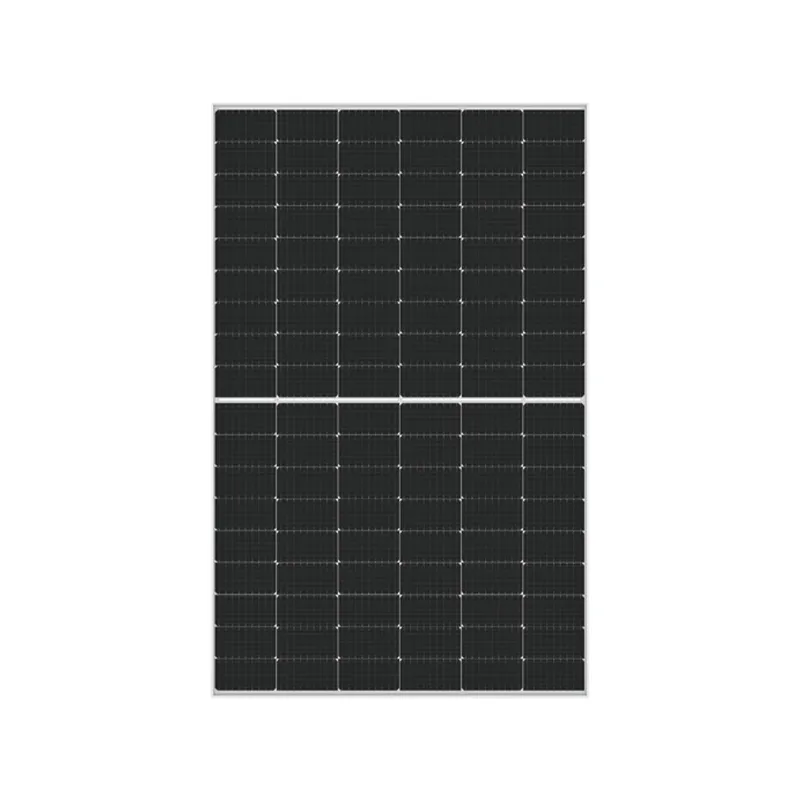
CRS6 420-445W N-Type Solar Panel for Home Use
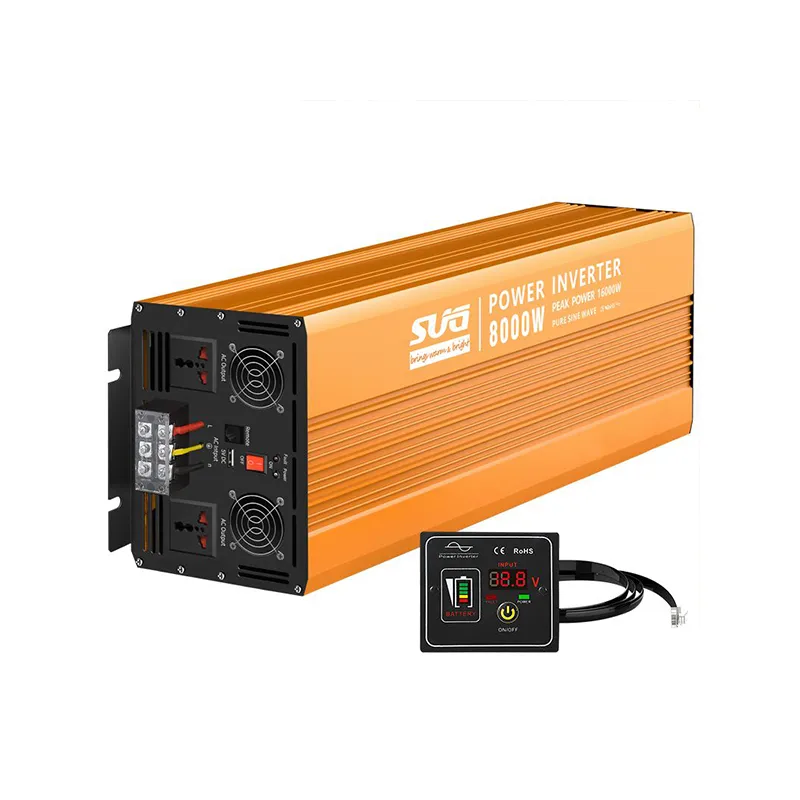
SGPE 8000W SGPE Series Pure Sine Wave Inverter With E Display
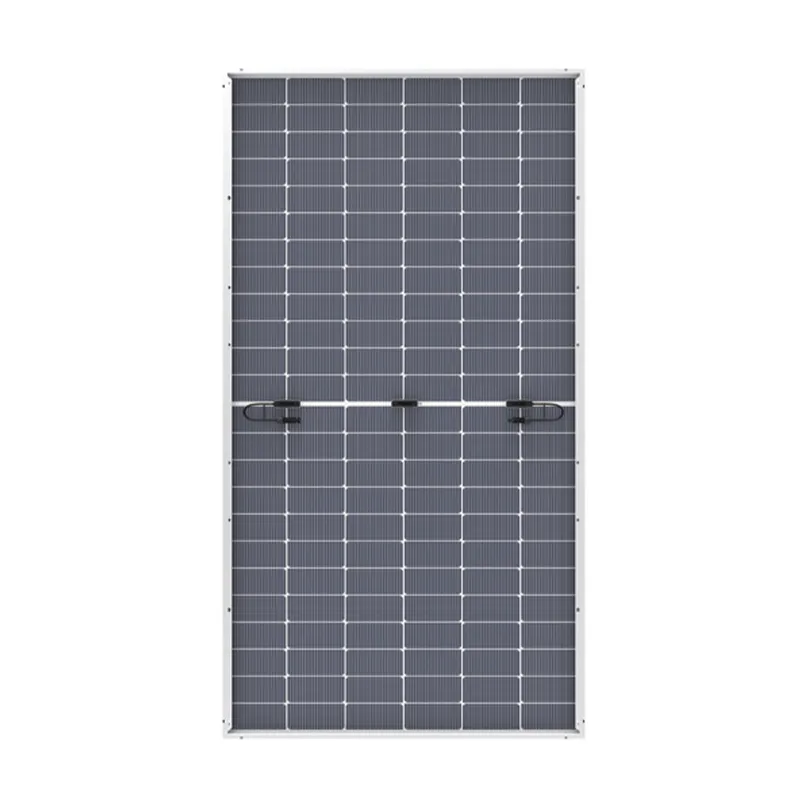
LONGi 585-620W Hi-MO7 Bifacial Half cell Solar Panel for Home
Technical Benchmarks
Performance and Quality Indicators
Measurable standards that define the reliability of our energy solutions.
0+
Global Certifications
0%
Typical Efficiency Gain
0%
ISO Compliant
0+
Export Regions
0%
Quality Pass Rate
0h
Continuous Monitoring
0+
Core Product Lines
0%
Product Stability
Regional Analysis
The Solar Landscape in Egypt
Analyzing the shift toward decentralized energy in North Africa's most populous nation.
Egypt possesses one of the highest solar irradiation levels globally, making it a prime location for solar energy adoption. The local market is characterized by a strong push toward diversifying energy sources to reduce reliance on traditional fossil fuels. In residential areas, there is a growing awareness of the benefits of photovoltaic systems, driven by both environmental concerns and the need for more stable energy access in rural and peri-urban zones.
Current trends indicate a significant move toward hybrid systems that combine solar generation with advanced lithium-based storage. This transition is fueled by the desire for energy autonomy and the ability to sell excess power back to the grid where regulations permit. Additionally, there is an increasing demand for "smart" energy management, where homeowners use mobile applications to monitor their production and consumption in real-time, optimizing their usage patterns to lower monthly utility bills.
While the outlook is positive, constraints remain in the form of fragmented installation standards and the availability of high-efficiency equipment. The opportunity lies in the deployment of integrated solutions that provide not just the panels, but the full lifecycle of support. As the Egyptian government continues to encourage green energy initiatives, the market is expected to evolve from simple energy replacement to fully integrated, intelligent home energy ecosystems.
Industry Progression
The Evolution of Home Solar Technology
From basic electricity generation to intelligent, autonomous energy ecosystems.
Early Adoption
Basic Photovoltaics
Initial systems focused solely on reducing daytime electricity costs using simple on-grid inverters without storage capabilities.
Recent Development
Energy Storage Era
The integration of deep-cycle batteries allowed users to store energy for nighttime use, increasing the utility of solar installations.
Current Phase
Smart Ecosystems
Modern systems now feature intelligent inverters and AI-driven management for maximum efficiency and autonomous operation.
Shift to Monocrystalline PERC
The industry has moved away from polycrystalline panels toward Mono-PERC technology, which offers higher efficiency in smaller footprints, making it ideal for residential rooftops where space is at a premium.
Lithium Iron Phosphate (LiFePO4) Transition
Energy storage has evolved from lead-acid batteries to LiFePO4, providing longer cycle lives, faster charging, and improved safety, which is critical for high-temperature regions like Egypt.
Hybrid Inverter Dominance
Modern homeowners now prefer hybrid inverters that can manage solar, battery, and grid inputs simultaneously, allowing for optimized energy routing based on current electricity prices.
Future Outlook
Global and Local Solar Energy Trends
The technological drivers shaping the next generation of home power.
Bifacial Module Adoption
Bifacial panels that capture sunlight from both sides are becoming common, increasing total energy yield by utilizing reflected light from the roof surface.
VPP and Grid Integration
Virtual Power Plants (VPPs) are emerging, allowing clusters of homes to aggregate their stored solar energy and sell it back to the grid as a single utility.
AI-Powered Energy Routing
Integration of machine learning to predict weather patterns and adjust battery charging cycles automatically to ensure power availability during cloudy periods.
Integrated Solar Roofing
The transition from panel-on-roof to solar-as-roof, where photovoltaic cells are integrated directly into roofing tiles for better aesthetics and structural integrity.
The overarching trend is the move toward complete energy independence. As battery costs continue to decline and efficiency rates for silicon cells improve, the threshold for a home to become "Net Zero" is lowering. In Egypt, this is particularly relevant as it reduces the strain on the national grid during the peak summer cooling season, potentially lowering energy costs for the entire community.
Furthermore, the integration of EV charging stations into the solar roof ecosystem is becoming a primary driver for new installations. Homeowners are no longer looking for just electricity, but for a complete energy hub that can power their lighting, appliances, and vehicles without relying on external fuel sources.
Real-World Applications
Solar Deployment Scenarios in Egypt
How different residential and commercial environments utilize our solar solutions.
01
Urban Cairo Apartment Complex Energy Retrofit
In densely populated areas of Cairo, roof space is fragmented. A common implementation involves installing a shared array of high-efficiency monocrystalline panels connected to a centralized hybrid inverter system. This setup addresses the problem of limited individual roof space while providing shared energy stability and reducing common-area electricity costs for all residents through optimized energy routing.
02
Remote Nile Valley Farmstead Off-Grid System
Agricultural homes in the Nile Valley often face unreliable grid access. A typical deployment uses a robust off-grid solar system with oversized LiFePO4 battery banks. By leveraging the high irradiation of the region, these homes eliminate the need for diesel generators, powering essential irrigation pumps and household lighting with 100% renewable energy, significantly lowering operational costs.
03
Red Sea Coastal Villa Luxury Power Hub
Coastal properties in the Red Sea region deal with high salinity and humidity. The solution involves using panels with specialized anti-corrosive frames and a high IP rating. These systems are designed to handle the salty air while providing luxury power for air conditioning and swimming pool pumps, ensuring the property remains energy-independent without sacrificing comfort.
04
Alexandria Suburban Home Grid-Tied Savings
In suburban Alexandria, where the grid is relatively stable but expensive, homeowners deploy grid-tied systems. The focus here is on maximizing the "net-metering" potential. By installing optimized arrays that capture the Mediterranean sun, users can offset their daytime consumption and feed excess power back to the grid, effectively turning their roof into a financial asset.
05
Upper Egypt Desert Outpost Emergency Power
In the arid regions of Upper Egypt, dust is the primary enemy. The implementation focuses on anti-soiling technology and a simplified maintenance schedule. A compact solar array coupled with a robust energy storage unit ensures that critical communications and refrigeration are always active, providing a lifeline of power in an environment where the nearest grid connection is kilometers away.
Implementation Evidence
Representative Deployment Perspectives
Illustrative outcomes based on typical user requirements and environmental conditions.
In a typical urban residential scenario, the transition to a hybrid solar system allows the homeowner to eliminate the reliance on backup generators. By integrating high-capacity storage with efficient panels, the user achieves a seamless energy transition during grid failures, ensuring that refrigeration and security systems remain operational without interruption.
For agricultural operators in remote regions, the primary benefit is the reduction in fuel logistics. A deployment of an off-grid system provides a predictable energy cost structure, allowing for the automated operation of water pumps based on solar availability, which fundamentally changes the economics of small-scale farming in arid zones.
Commercial property managers often find that integrating solar roofs significantly increases the property value. By installing certified, high-durability panels, they not only reduce the operational expenditure of the building but also attract tenants who prioritize green energy and lower utility overheads in the competitive urban market.
Our Legacy
About Hebei BenJiu New Energy
Dedicated to delivering efficient, safe, and environmentally friendly energy solutions worldwide.
Strategic Foundation
Established in Xingtai City
Strategically located within the Bohai Rim Economic Zone, we began as a specialized enterprise dedicated to the export of photovoltaic and energy storage products, focusing on high-efficiency energy solutions.
Quality Standardization
Global Certification Achievement
To ensure the highest safety standards, we secured a comprehensive suite of certifications including ISO 9001, ISO 14001, ISO 45001, CE, TUV SUD, and UL, enabling our entry into strict international markets.
Market Expansion
Global Export Reach
Our commitment to stability and efficiency led to successful exports to Europe, North America, the Middle East, and Southeast Asia, earning recognition for our customized energy solutions.
CRS6 420-445W N-Type Solar Panel for Home Use
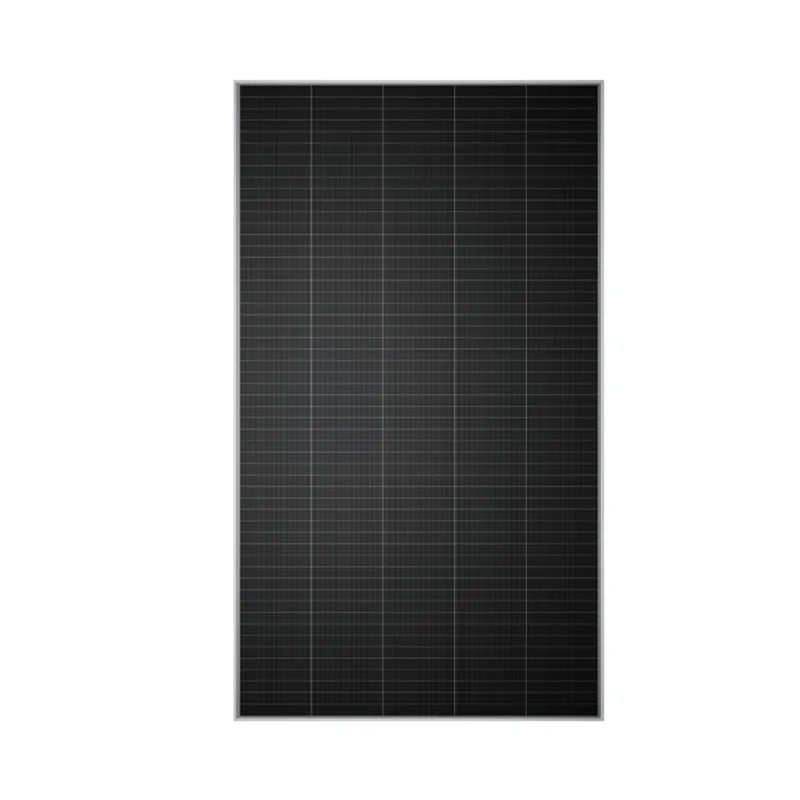
TRINA 5E 420-445W Shingled Monofacial Module Solar Panel
LONGi 585-620W Hi-MO7 Bifacial Half cell Solar Panel for Home
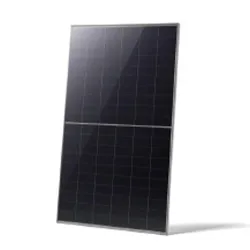
JinKO 410-430W N-Type Mono-facial Module Solar Panel for Home
Common Inquiries
Home Solar System FAQ
Detailed answers to the most frequent questions from Egyptian homeowners.
What is the best type of solar panel for a home in Egypt's climate?
Monocrystalline PERC panels are generally the best choice for Egypt. They offer higher efficiency and perform better in low-light conditions compared to polycrystalline options. More importantly, they typically have a lower temperature coefficient, meaning they lose less efficiency as the panel heats up under the intense Egyptian sun, ensuring more consistent power generation during the summer peak.
How much can I actually save by installing a home solar system?
Savings vary based on your consumption and the system size, but most homeowners see a drastic reduction in monthly utility bills. The primary financial benefit comes from offsetting peak-time electricity costs. When paired with a hybrid inverter and storage, you can avoid expensive grid tariffs entirely during high-cost periods. The investment typically pays for itself through cumulative energy savings over several years.
Is an off-grid solar system viable for a full-time residence in Egypt?
Yes, it is viable, especially in rural or remote areas. An off-grid system requires a larger battery bank and a more precise load analysis to ensure power is available during cloudy days or high-consumption periods. For most urban users, we recommend a hybrid system, which provides the autonomy of an off-grid setup while maintaining a grid connection as a fail-safe backup.
How do I handle dust and sand accumulation on my solar roof?
Dust is a major factor in Egypt. We recommend a regular cleaning schedule using soft brushes and water to avoid scratching the glass. Our panels feature anti-soiling coatings that help repel dust, but periodic maintenance is still necessary. Installing panels at a slight angle also allows natural wind and rain to clear some debris, maximizing the efficiency of the photovoltaic cells.
What certifications should I look for when choosing solar equipment?
You should look for internationally recognized standards. Key certifications include IEC 61215 and IEC 61730 for panel durability and safety, as well as CE, TUV SUD, and UL markings. ISO 9001 ensures the manufacturer follows strict quality management. Using certified equipment is critical to ensure the system can withstand the environmental stresses of North Africa and provides the promised lifespan.
What is the first step to start my transition to solar energy?
The first step is a professional energy audit. You need to analyze your average daily kilowatt-hour (kWh) consumption and evaluate your available roof space and orientation. Based on this data, an energy solution can be customized—determining the number of panels and the capacity of the battery storage needed to meet your goals, whether it is total independence or simple cost reduction.
Ready for Energy Independence
Secure Your Home's Energy Future with Expert Solar Solutions
Whether you are looking to eliminate electricity bills in Cairo or establish a fully autonomous power hub in rural Egypt, our team provides the technical expertise and certified hardware to make it happen. Let us help you design a system that maximizes the Egyptian sun for a sustainable, cost-effective tomorrow.
Request a Consultation