Efficient String Inverter Solar: Reliable Power Systems for Your Needs
Introduction to String Inverter Solar Technology
In the rapidly evolving landscape of renewable energy, the string inverter solar system stands as a cornerstone technology for efficient and scalable photovoltaic (PV) installations. These sophisticated devices are engineered to convert the direct current (DC) generated by solar panels into alternating current (AC), which can then be utilized by homes and businesses or fed into the grid. Their modular design, allowing for multiple strings of solar panels to be connected to a single inverter, offers significant advantages in terms of cost-effectiveness, ease of installation, and simplified maintenance compared to older, more centralized inverter systems. This deep dive will explore the intricate aspects of this technology, from manufacturing processes to real-world applications and market trends, providing critical insights for B2B decision-makers.
Industry Trends and Market Dynamics for Solar String Inverters
The global market for solar string inverter technology is experiencing robust growth, driven by increasing demand for renewable energy, supportive government policies, and declining PV system costs. According to recent market analysis, the global solar inverter market is projected to reach approximately USD 15.5 billion by 2028, with a significant portion attributed to string inverters due to their versatility and efficiency in residential, commercial, and utility-scale projects. Key trends include:
- Increased Power Density: Manufacturers are continuously pushing the boundaries of power density, offering higher wattage inverters in compact footprints, leading to reduced balance-of-system (BOS) costs.
- Enhanced Monitoring & Smart Features: Integration of advanced monitoring, diagnostic tools, and smart grid functionalities (e.g., reactive power control, curtailment capabilities) is becoming standard, improving system performance and reliability.
- Hybrid Inverter Solutions: The rise of energy storage solutions is catalyzing the development of hybrid solar string inverter systems that seamlessly integrate battery storage, enabling greater energy independence and grid stability.
- Improved Cyber Security: As PV systems become more interconnected, robust cybersecurity measures are being implemented to protect against potential cyber threats and ensure grid integrity.
- Sustainable Manufacturing: There's a growing emphasis on environmentally friendly manufacturing processes and recyclable materials throughout the product lifecycle.
Manufacturing Process Flow of a String Inverter Solar System
The production of a high-efficiency string inverter solar unit is a sophisticated process involving precision engineering, rigorous material selection, and stringent quality control. Below outlines the typical manufacturing stages:
1. Material Procurement & Inspection
High-grade semiconductors (IGBTs, MOSFETs), capacitors (film/electrolytic), inductors, microcontrollers, communication modules, and aluminum enclosures are sourced from certified suppliers. Incoming materials undergo strict quality control per ISO 9001 standards.
2. Printed Circuit Board (PCB) Assembly
SMT (Surface Mount Technology) lines populate PCBs with thousands of components. Automated optical inspection (AOI) and X-ray checks ensure solder joint integrity and component placement accuracy.
3. Power Module Integration
The DC-to-AC conversion stage, comprising power semiconductors, filters, and cooling systems, is assembled. Heat sinks, often manufactured through precision CNC machining of aluminum alloys, are integrated for optimal thermal management.
4. Enclosure & Sealing
The inverter electronics are housed in robust, often die-cast aluminum or corrosion-resistant steel enclosures. Gasketing and sealing processes ensure IP65/IP66 protection against dust and water ingress, crucial for outdoor installations.
5. Functional Testing & Calibration
Each inverter undergoes comprehensive functional testing, including efficiency profiling, maximum power point tracking (MPPT) accuracy, grid code compliance (e.g., UL 1741, IEC 62109), and EMC/EMI testing. Calibration ensures optimal performance parameters.
6. Burn-in & Final QA
Units are subjected to burn-in tests under simulated operational conditions for several hours to detect infant mortality failures. A final quality assurance check verifies all specifications, labeling, and packaging.
The typical service life of these inverters, backed by robust manufacturing and materials, exceeds 10-15 years, with some components designed for 20+ years. Target industries include residential and commercial solar installations, large-scale solar farms, and off-grid solutions in sectors such as petrochemical (for remote power), metallurgy (sustainable energy supply), and water supply & drainage (powering pumps and purification systems). Advantages in these scenarios include energy saving through high conversion efficiency and exceptional corrosion resistance due due to specialized coatings and material selections (e.g., marine-grade aluminum) suitable for harsh industrial environments.
Technical Specifications: Growatt 7000W Single Phase High Efficiency String Solar Inverter
Understanding the precise technical parameters is crucial for system designers and integrators. The Growatt 7000W Single Phase High Efficiency solar string inverter exemplifies modern engineering, offering a blend of robust performance and advanced features.
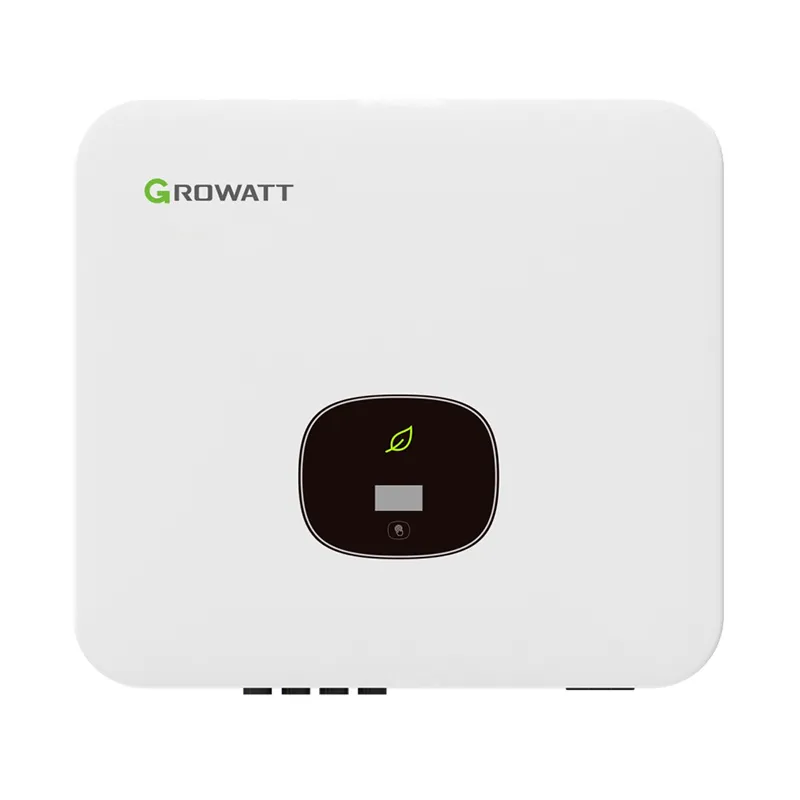
Key Specifications Table: Growatt 7000W String Inverter
| Parameter | Value |
|---|---|
| Max. DC Power | 9100W |
| Max. DC Voltage | 550V |
| MPPT Voltage Range | 70V - 550V |
| Rated AC Output Power | 7000W |
| Max. AC Output Power | 7000VA |
| Nominal AC Voltage | 230V (180V-280V) |
| Max. Efficiency | 98.4% |
| European Efficiency | 97.5% |
| MPPTs / Strings per MPPT | 2 / 1 |
| Protection Degree | IP65 |
| Operating Temperature Range | -25°C to +60°C |
| Communication Interfaces | USB / RS485 / Wi-Fi / GPRS |
| Dimensions (W/H/D) | 425 / 387 / 147 mm |
| Weight | 10.8 kg |
The Growatt 7000W inverter features dual MPPTs, which is critical for systems with complex roof geometries or partial shading, ensuring each string operates at its optimal power point. Its high efficiency ratings minimize energy losses, maximizing overall system output and accelerating return on investment. The wide MPPT voltage range provides flexibility in system design and panel compatibility.
Application Scenarios for Solar String Inverters
Solar string inverters are highly versatile, suitable for a broad spectrum of applications, from small-scale residential systems to large commercial and industrial (C&I) installations. Their adaptability makes them a preferred choice for various deployment models.
- Residential Rooftop Systems: Ideal for homeowners seeking to reduce electricity bills and carbon footprints. The modularity allows for easy scaling and reliable power conversion for typical household consumption.
- Commercial & Industrial Buildings: From office complexes to manufacturing facilities, multiple solar string inverters can be deployed to meet higher energy demands. Their distributed nature enhances system resilience; if one inverter fails, the rest continue to operate.
- Agricultural Facilities: Powering irrigation pumps, cold storage, and farm equipment in remote locations where grid access is limited or unreliable, providing significant operational cost savings.
- Remote Telecommunication Sites: Ensuring continuous power supply for critical communication infrastructure, often integrated with battery storage for 24/7 operation.
- Educational Institutions and Healthcare Facilities: Providing stable and clean energy, contributing to sustainable operations and reducing utility expenses for these essential services.
- Floating Solar (Floatovoltaics): Adapted for installations on bodies of water, string inverters offer robust performance in challenging environmental conditions, often leveraging water for cooling.
Customer feedback frequently highlights the straightforward installation process and the effectiveness of integrated monitoring solutions provided by modern string inverters. For instance, a commercial client managing a multi-building campus reported a 25% reduction in annual energy costs and significantly improved energy independence after deploying a network of Growatt string inverters across their facilities, appreciating the robust build and remote diagnostic capabilities.
Technical Advantages of Modern String Inverter Solar Solutions
The continuous innovation in string inverter solar technology brings forth several compelling technical advantages that translate into tangible benefits for end-users and investors.
- High Efficiency & Optimized MPPT: Modern string inverters achieve peak efficiencies exceeding 98%, maximizing energy harvest. Advanced MPPT algorithms dynamically track the optimal operating point of solar panels, even under varying irradiance and temperature conditions.
- Enhanced Reliability & Redundancy: Distributed architecture means that if one inverter fails, the rest of the system continues to generate power, minimizing total output loss. This contrasts with central inverters where a single point of failure can halt the entire system.
- Scalability & Flexibility: Easily scalable for systems of all sizes by simply adding more inverters. Their design allows for flexible system configurations, accommodating various module types and string lengths.
- Simplified Installation & Maintenance: Lighter weight and smaller footprint compared to central inverters, reducing installation time and labor costs. Remote monitoring capabilities allow for proactive maintenance and fault diagnosis, reducing on-site service calls.
- Advanced Grid Management Features: Equipped with capabilities for reactive power compensation, voltage support, and frequency regulation, which are increasingly required by grid operators for stable grid integration.
- Cost-Effectiveness: While microinverters offer panel-level optimization, string inverters provide a superior balance of performance and cost for most residential and commercial installations, particularly when shading is managed effectively.
- Safety Features: Integrated arc fault circuit interrupters (AFCI) and rapid shutdown capabilities enhance system safety, protecting against electrical fires and ensuring personnel safety during emergencies.
Vendor Comparison: Leading Solar String Inverter Manufacturers
The market for solar string inverter manufacturers is highly competitive, featuring both established giants and innovative new entrants. Choosing the right vendor involves evaluating product features, support, and long-term reliability.
Comparative Analysis of Select String Inverter Brands
| Feature/Brand | Growatt (e.g., 7000W) | SMA (e.g., Sunny Boy) | Fronius (e.g., Primo) |
|---|---|---|---|
| Max. Efficiency | ~98.4% | ~97.2% | ~98.1% |
| MPPTs | 2 | 2 | 2 |
| Cooling Type | Natural Convection | Natural Convection | Active Cooling (Fans) |
| Smart Features | Wi-Fi/GPRS, Smart O&M | Integrated Webserver, Grid Services | SnapINverter, SuperFlex Design |
| Warranty (Standard) | 5-10 Years | 5-10 Years | 5-10 Years (extendable) |
| Target Market Segment | Residential, C&I (Cost-effective, High Value) | Residential, C&I (Premium, Robust) | Residential, C&I (Premium, Innovative) |
Growatt, for instance, focuses on delivering highly efficient and reliable inverters at a competitive price point, making them a strong contender for a wide range of projects, particularly where budget and performance are critical. SMA is known for its robust engineering and comprehensive grid integration capabilities, often favored in more complex utility-scale or regulatory-intensive markets. Fronius stands out with innovative features like active cooling and the SnapINverter mounting system, enhancing serviceability and extending component life, albeit often at a higher initial investment. The choice ultimately depends on specific project requirements, budget constraints, and desired feature sets.
Customized Solutions for String Inverter Solar Deployment
Recognizing that no two solar projects are identical, leading providers offer customized solutions for string inverter solar systems. This ensures optimal performance, seamless integration, and maximum return on investment for diverse client needs.
- System Sizing & Design: Tailored PV system design, including panel layout, string configuration, and inverter selection, optimized for specific energy consumption patterns, available space, and grid connection requirements.
- Hybrid System Integration: Custom integration with battery energy storage systems (BESS) for enhanced self-consumption, peak shaving, or off-grid reliability. This includes selecting compatible batteries and charge controllers.
- Monitoring & Control Platforms: Development of bespoke monitoring dashboards and control interfaces, often integrating with existing building management systems (BMS) for comprehensive energy oversight.
- Grid Code Compliance: Adaptation of inverter settings and configurations to meet specific local or national grid codes and utility interconnection requirements, which can vary significantly by region.
- Environmental & Structural Adaptations: Custom enclosures for extreme climates, specialized mounting solutions for unique architectural structures, or anti-corrosion treatments for coastal or industrial environments.
- Financial Modeling & ROI Analysis: Providing detailed financial projections, including payback periods, internal rates of return (IRR), and net present value (NPV) tailored to the client's investment objectives.
Our team of engineers and project managers collaborates closely with clients from initial feasibility studies through to commissioning, ensuring that every aspect of the solar installation is optimized for performance, longevity, and cost-effectiveness. We pride ourselves on having over 10 years of experience in delivering these tailored solutions, backed by ISO 9001 and ISO 14001 certifications.
Application Case Studies & Client Successes
Demonstrating the practical impact of advanced string inverter solar technology, these case studies highlight successful deployments across various sectors.
Case Study 1: Large-Scale Agricultural Irrigation System
A major agricultural enterprise in a remote region faced escalating diesel costs for powering their irrigation pumps. We deployed a 500 kW PV system using multiple Growatt string inverters, configured to power the pumps directly and feed excess energy into a small battery bank for night-time operation.
- Solution: 65 units of Growatt 7000W single-phase string inverters.
- Outcome: 85% reduction in diesel consumption for irrigation, leading to over $150,000 in annual savings. Enhanced operational reliability and significantly reduced carbon emissions. Client feedback praised the robust performance in harsh outdoor conditions.
Case Study 2: Commercial Office Building Energy Optimization
A corporate client sought to achieve LEED certification for their new 3-story office building and substantially lower their operational energy costs in an urban environment with complex shading patterns.
- Solution: A 120 kW rooftop PV system utilizing 18 Growatt 7000W inverters, strategically placed to mitigate shading effects via their dual MPPTs. Integrated with the building's smart energy management system.
- Outcome: The system now provides approximately 60% of the building's total electricity demand. The client achieved their desired LEED Platinum certification, showcasing their commitment to sustainability. Remote monitoring has allowed for proactive issue resolution, maintaining high uptime.
Trust & Support: FAQ, Lead Time, Warranty, and After-Sales
Frequently Asked Questions (FAQ)
A: Standard lead time for in-stock Growatt 7000W units is typically 3-5 business days for processing and dispatch, plus shipping time depending on destination. For large-volume or customized orders, lead times can range from 2-4 weeks. We advise consulting with our sales team for precise fulfillment details.
A: The Growatt 7000W Single Phase High Efficiency String Solar Inverter comes with a standard 5-year product warranty, extendable to 10 years or more upon request. This covers defects in materials and workmanship under normal use and service conditions, demonstrating our commitment to product quality and reliability.
A: We offer comprehensive after-sales support including technical assistance, remote diagnostics, and troubleshooting. Our dedicated support team is available during business hours via phone, email, and a ticketing system to address any operational concerns or service requirements. On-site support can also be arranged for complex issues.
A: Yes, our products adhere to international standards and are certified by recognized bodies. The Growatt 7000W inverter holds certifications such as CE, VDE AR N 4105, EN50549, IEC 62109, and meets local grid codes, affirming its safety, reliability, and performance.
Lead Time & Fulfillment
We maintain a robust supply chain and optimized logistics to ensure timely delivery of our string inverter solar solutions. For specific project timelines, our sales team will provide a detailed fulfillment schedule upon order confirmation, including tracking information for transparency.
Warranty Commitments
Our commitment to quality is underscored by industry-standard warranties on all our products. The Growatt inverter's warranty ensures peace of mind, protecting your investment for years to come. Full warranty terms and conditions are available upon request.
Customer Support
Our dedicated customer support team is comprised of experienced technical professionals ready to assist with any queries, from installation guidance to performance optimization. We believe in building lasting relationships through reliable products and unparalleled service.
References
- Solar Inverter Market Size, Share & Trends Analysis Report By Type (Central, String, Micro), By End-use (Residential, Commercial & Industrial, Utilities), By Region, And Segment Forecasts, 2021 - 2028. Grand View Research.
- International Electrotechnical Commission (IEC) Standards for Photovoltaic Systems, particularly IEC 62109 for safety of power converters.
- UL 1741 Standard for Inverters, Converters, Controllers, and Interconnection System Components for Use With Distributed Energy Resources. Underwriters Laboratories.
- ISO 9001:2015 Quality Management Systems – Requirements. International Organization for Standardization.
- Renewable Energy Technologies: Photovoltaics. International Energy Agency (IEA) publications.
-
Designing a Modern Home Roof Made Out of Solar Panels GuideNewsApr.16,2026
-
Guide to the Size of 150 Watt Solar Panel for Your ProjectNewsApr.09,2026
-
Understanding the Dimensions and Applications of a 200W Solar PanelNewsApr.07,2026
-
Understanding the Dimensions and Factors of a 330W Solar Panel SizeNewsApr.04,2026
-
Understanding the Size and Dimensions of a 4kW Solar Panel System for Your HomeNewsMar.31,2026
-
Comprehensive Guide to Sizing Your Solar System for Optimal Energy ProductionNewsMar.28,2026