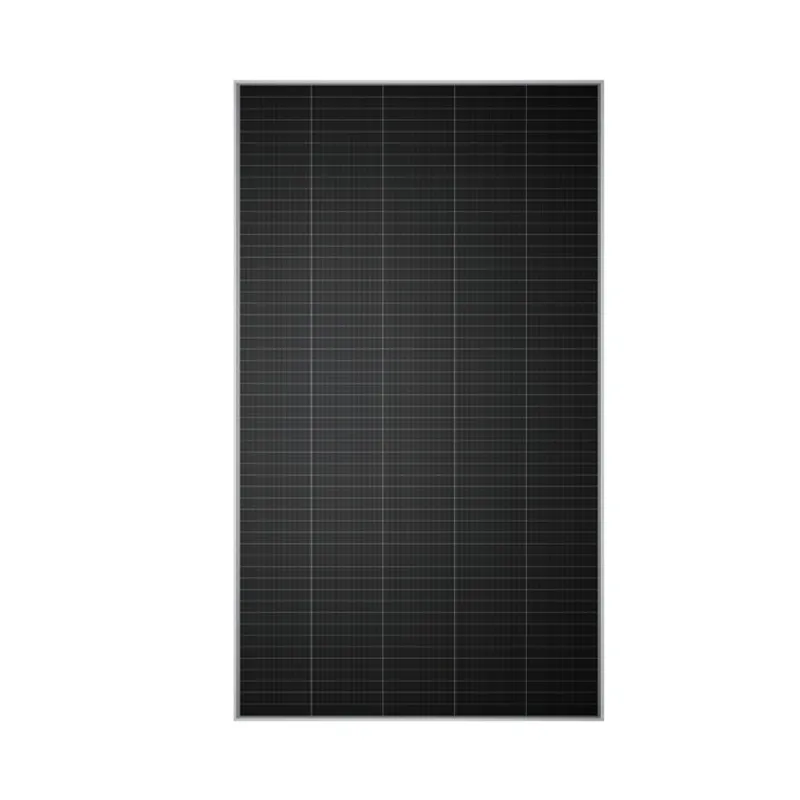
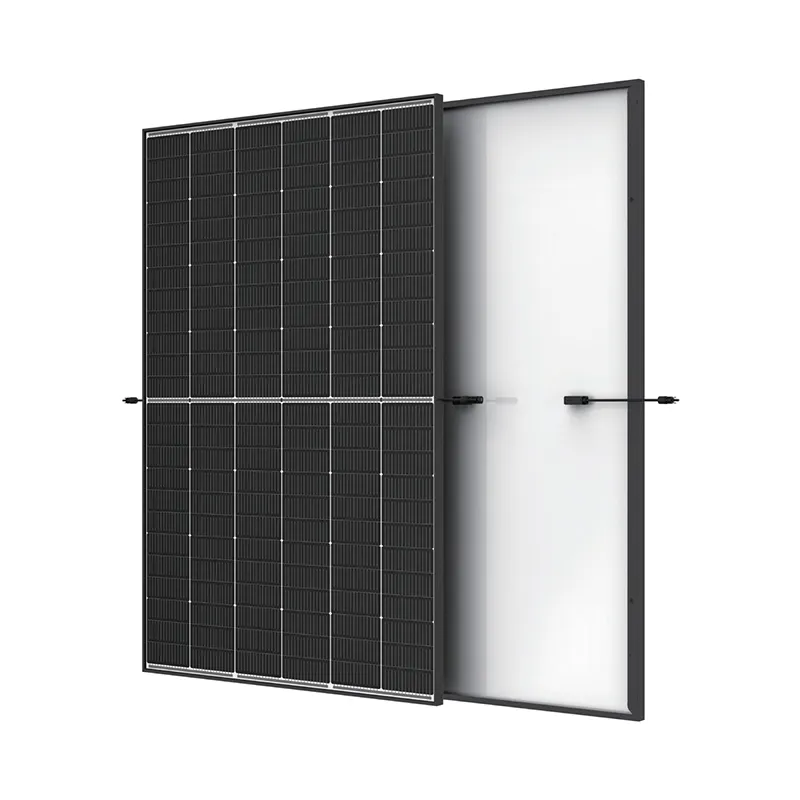
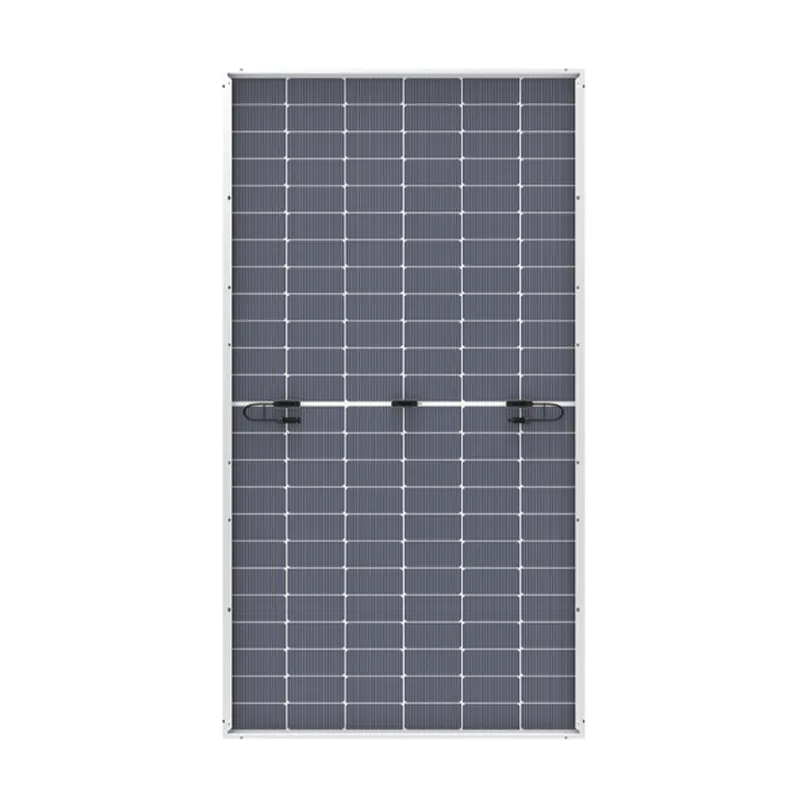
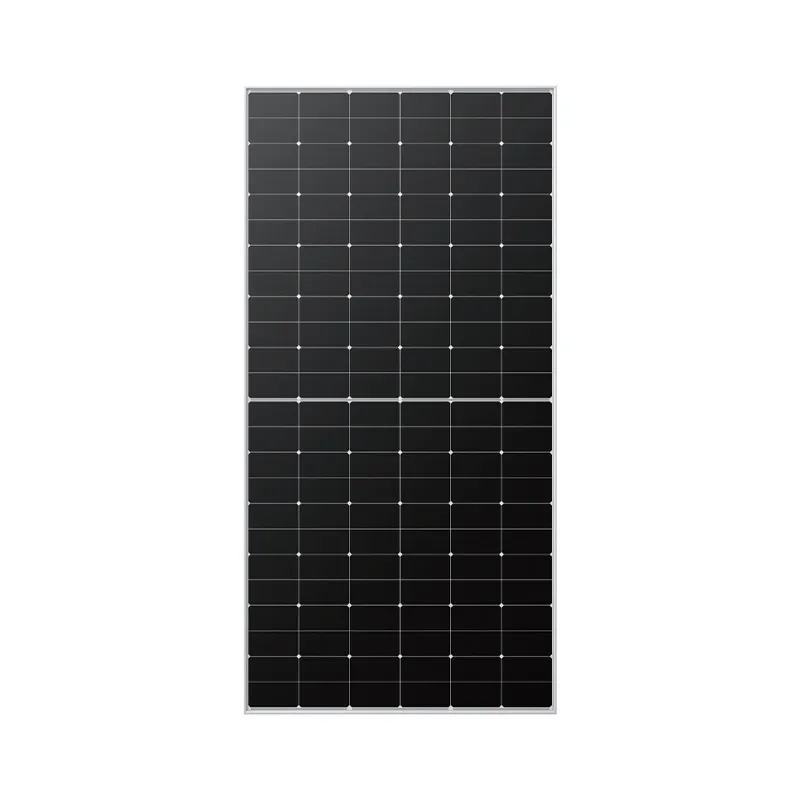
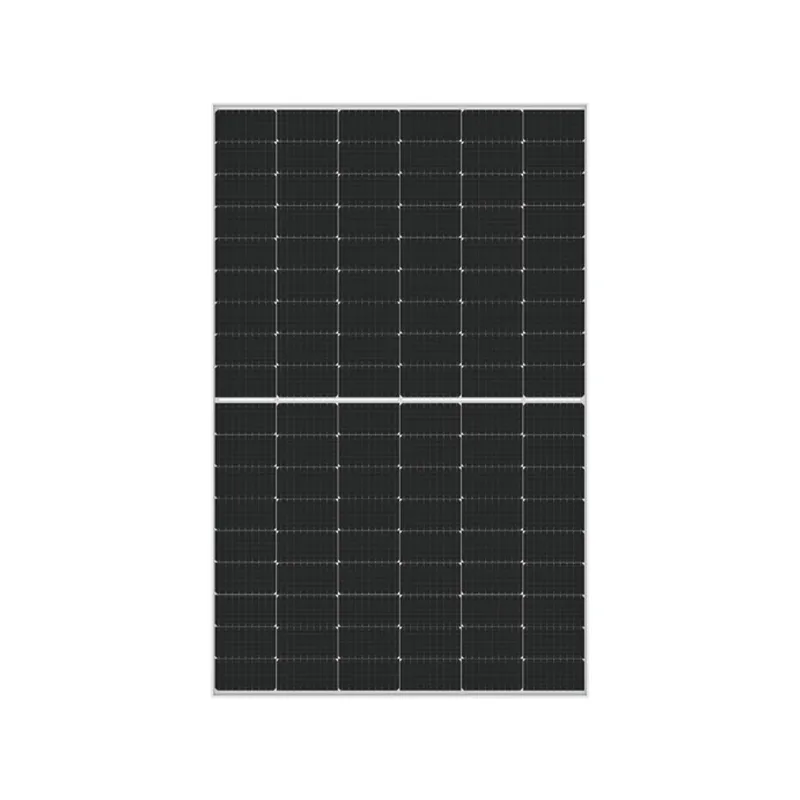
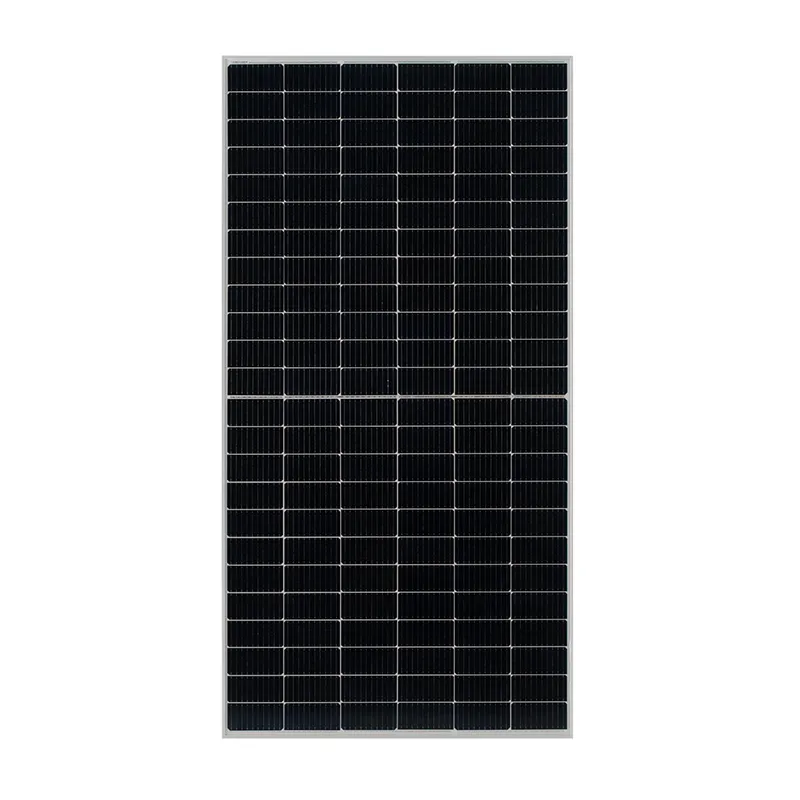
CRS6 420-445W N-Type Solar Panel for Home Use: High Output?
Field Notes: CRS6 420-445W N-Type Solar Panel for Home Use
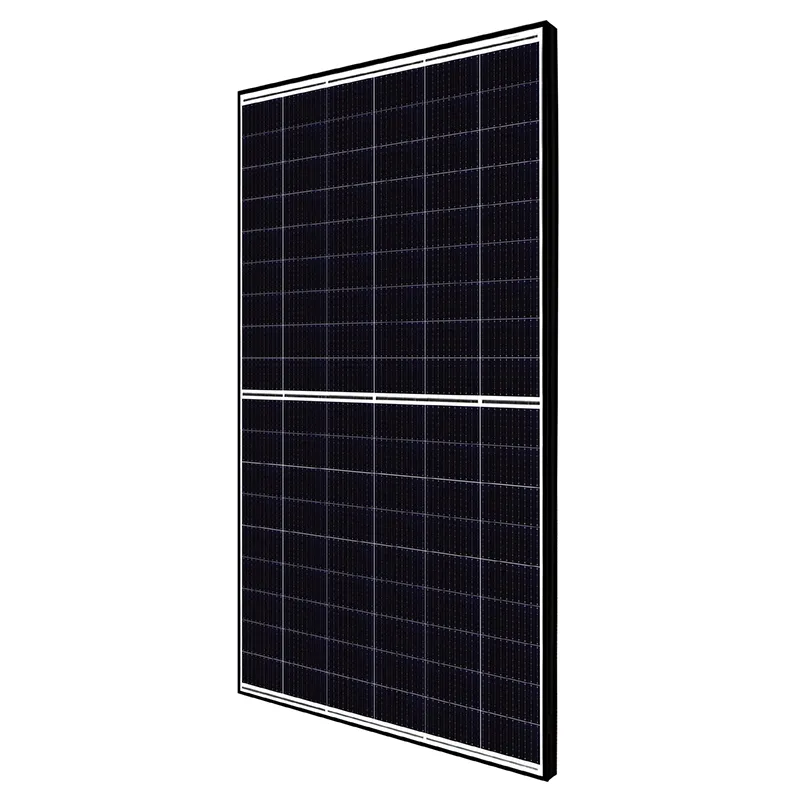
Home solar is quietly going premium. N-type cells, once a niche for enthusiasts, are now the mainstream choice for rooftops that value efficiency and longevity. I’ve been tracking this shift for a while, and, to be honest, the numbers back it up: lower degradation, better heat behavior, and less light-induced loss. That’s essentially the pitch behind the CRS6 420-445W N-Type Solar Panel for Home Use from Benjiu Solar, built in Shijiazhuang, Hebei (2B01, Guomao Building, Zhongshan Road, Qiaoxi District). It’s a tidy, homeowner-friendly format.
Why N-type is winning on rooftops
Actually, it’s simple: higher efficiency per square meter, lower LID/LeTID, and better stability in heat. For constrained roofs or east–west arrays, that extra 1–2% matters. Many customers say they notice steadier output on hot afternoons and in mixed light.
Key specs at a glance
| Rated power (STC) | ≈420–445 W |
| Module efficiency | ≈21.7–22.8% (real-world use may vary) |
| Cell & format | N-type TOPCon, 108 half-cut (M10, 182 mm) |
| Temp. coefficient (Pmax) | ≈−0.30%/°C |
| Dimensions / weight | ≈1722 × 1134 × 30 mm / ≈21 kg |
| Glass / encapsulant | 3.2 mm AR glass / POE |
| Junction box & rating | IP68, MC4-compatible |
| Mechanical load | 5400 Pa snow / 2400 Pa wind |
| Certifications | IEC 61215, IEC 61730; ISO 9001/14001/45001 |
| Warranty | Up to 25-year product / 30-year performance (≈87% at year 30) |
From materials to reliability: how it’s built
Materials: N-type wafers, multi-busbar silver paste, POE, AR glass, UV-stable backsheet, anodized Al frame. Methods: laser half-cutting, non-destructive stringing, MBB interconnects, dual-EL imaging, 100% flash testing. Testing standards: IEC 61215/61730 type tests, PID/LeTID stress, salt-mist/ammonia as required. Service life: designed 30 years with slow degradation curves. Industries served: residential rooftops (primary), small commercial, off-grid cabins with hybrid inverters.
How it compares
| Item | CRS6 420-445W N-Type Solar Panel for Home Use | Typical PERC 108 | Tier-1 N-type (108) |
| Efficiency | ≈21.7–22.8% | ≈20.5–21.5% | ≈21.7–23.0% |
| Year-1 degr. | ≤1.0% (typ.) | ≈2.0% | ≤1.0% |
| Linear degr. | ≈0.4%/yr | ≈0.55%/yr | ≈0.4%/yr |
| Temp. coeff. | ≈−0.30%/°C | ≈−0.35%/°C | ≈−0.30%/°C |
| Price (retail) | Mid | Low–mid | Mid–high |
In day-to-day use, homeowners tell me the CRS6 420-445W N-Type Solar Panel for Home Use keeps its edge in heat and partial shade, which tracks with the lab data on N-type.
Applications, customization, and a quick case
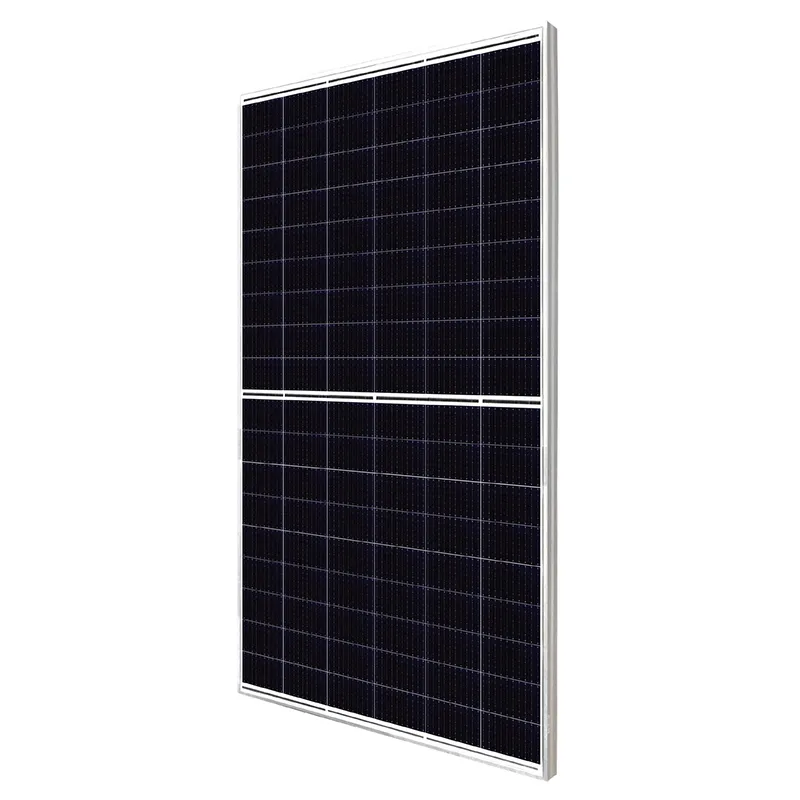
Use cases: shaded urban roofs, hot-climate carports, east–west arrays, low-tilt modern homes. Customization: black frame or full-black aesthetics, cable length, MC4 options, packaging for tight-site craning. Installer feedback: sturdy frame, consistent flashing, no detectable PID in routine checks.
Case study (Austin, TX): 18 × 445 W = 8.01 kW on a composite-shingle roof, 10° tilt. First-year yield ≈10,500 kWh (PVSol modeled; on-site meter came close, within ~4%). Homeowner noted better afternoon output vs prior PERC plan. Payback penciled at 7–8 years, depending on retail rates and incentives — I guess faster if rates keep climbing.
Testing and standards that matter
Conforms to IEC 61215/61730; factory systems aligned to ISO 9001/14001/45001. N-type design helps resist LID/LeTID; PID robustness verified via accelerated bias-humidity tests. Real-world degradation typically clusters around 0.3–0.5%/yr after year one, according to broader industry data.
Final take
If your roof space is precious, the CRS6 420-445W N-Type Solar Panel for Home Use is a sensible, future-proof pick. It’s efficient without being fussy, and the reliability story — while never perfect — is solid and getting better.
- IEC 61215 & IEC 61730 Crystalline Silicon PV Module Standards, International Electrotechnical Commission.
- NREL: Photovoltaic Degradation Rates — An Analytical Review (Jordan et al.).
- IEA PVPS: Trends in Photovoltaic Applications, latest report.
- TÜV Rheinland: PID/LeTID Test Procedures Overview for PV Modules.
-
Designing a Modern Home Roof Made Out of Solar Panels GuideNewsApr.16,2026
-
Guide to the Size of 150 Watt Solar Panel for Your ProjectNewsApr.09,2026
-
Understanding the Dimensions and Applications of a 200W Solar PanelNewsApr.07,2026
-
Understanding the Dimensions and Factors of a 330W Solar Panel SizeNewsApr.04,2026
-
Understanding the Size and Dimensions of a 4kW Solar Panel System for Your HomeNewsMar.31,2026
-
Comprehensive Guide to Sizing Your Solar System for Optimal Energy ProductionNewsMar.28,2026