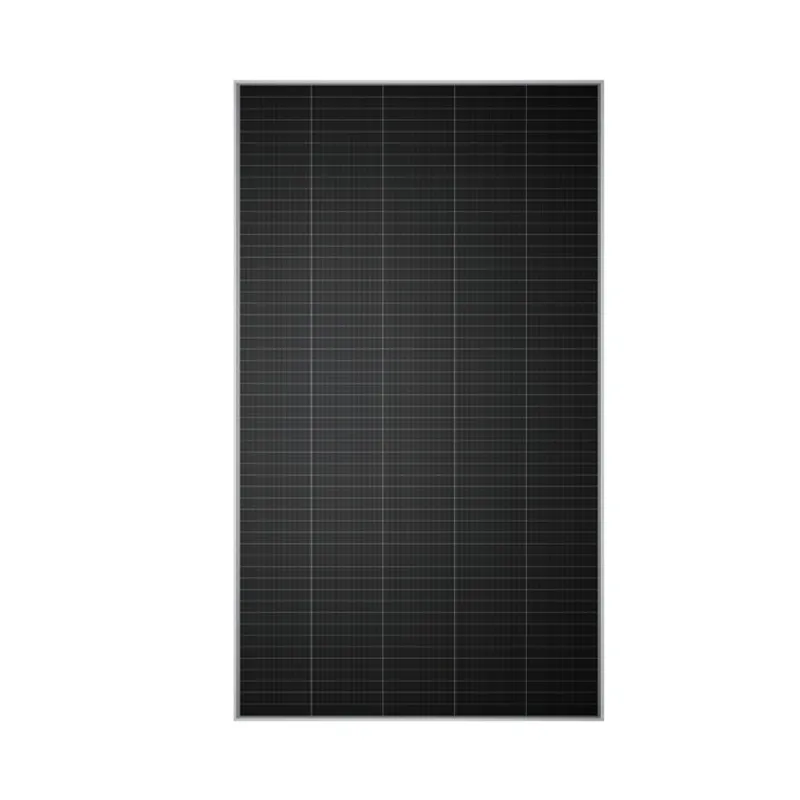
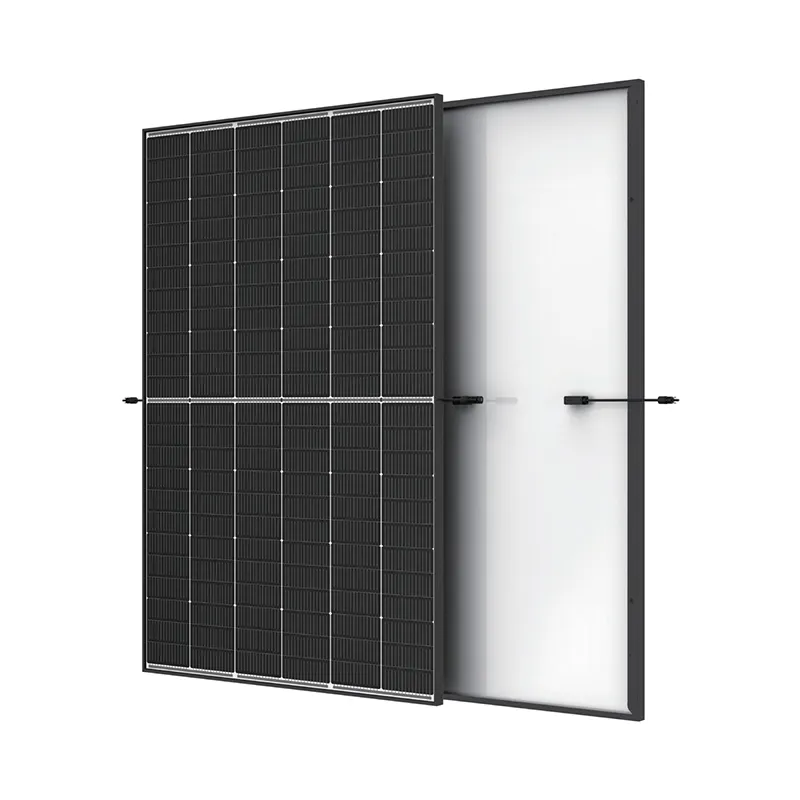
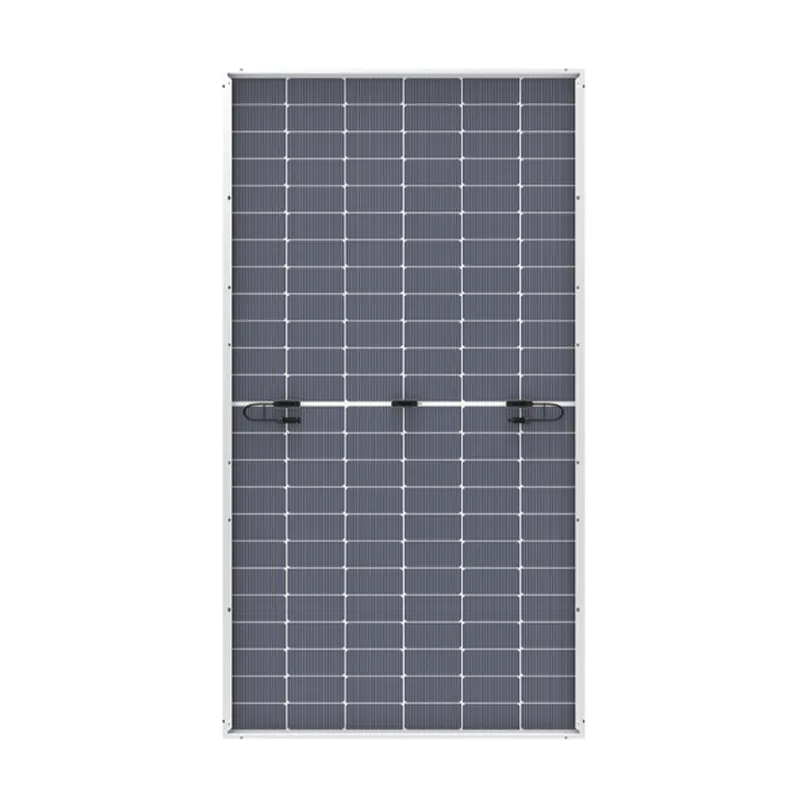
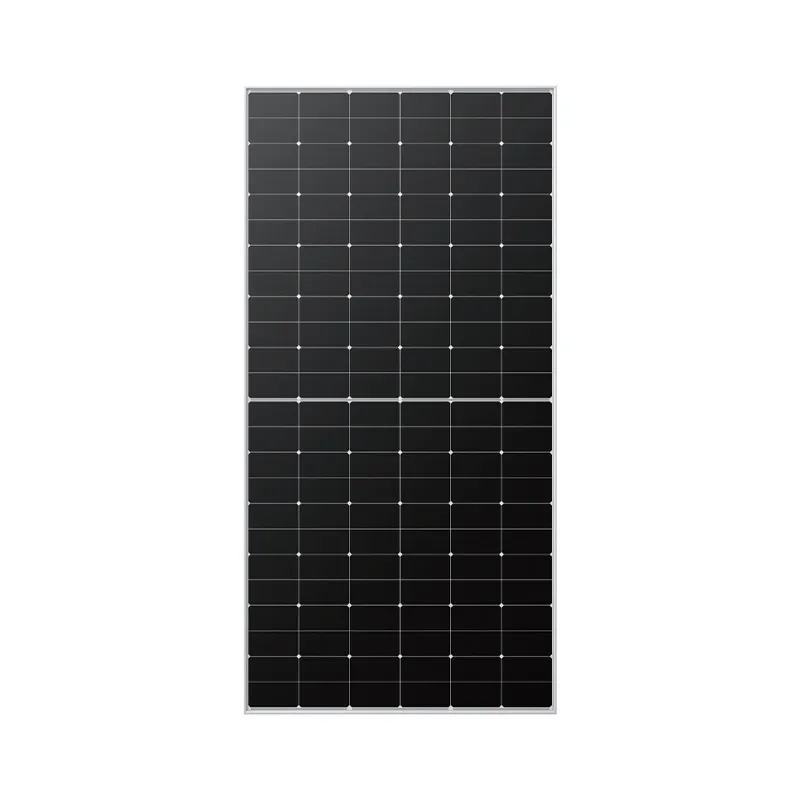
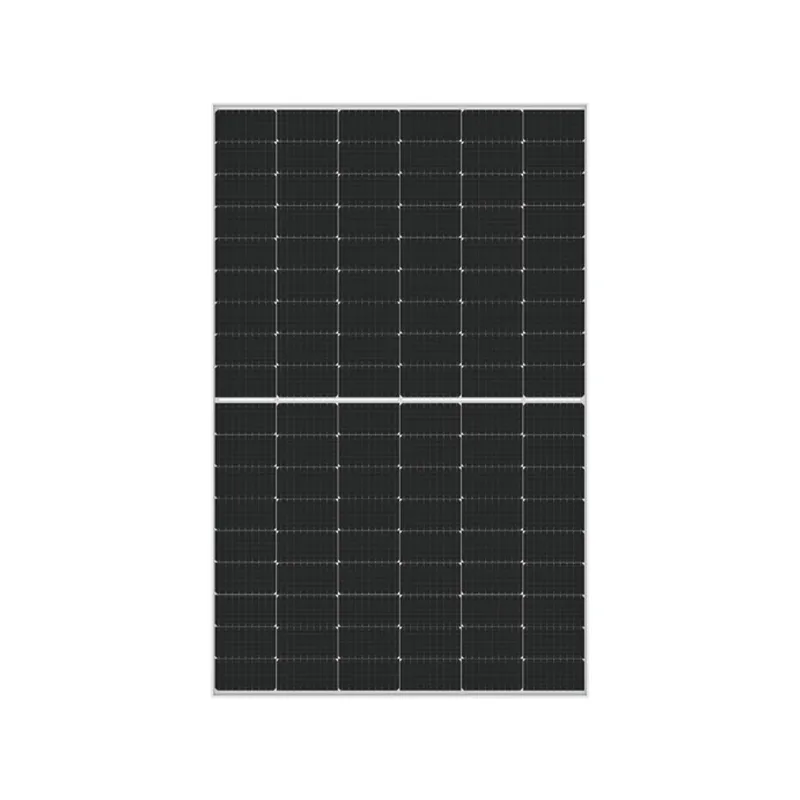
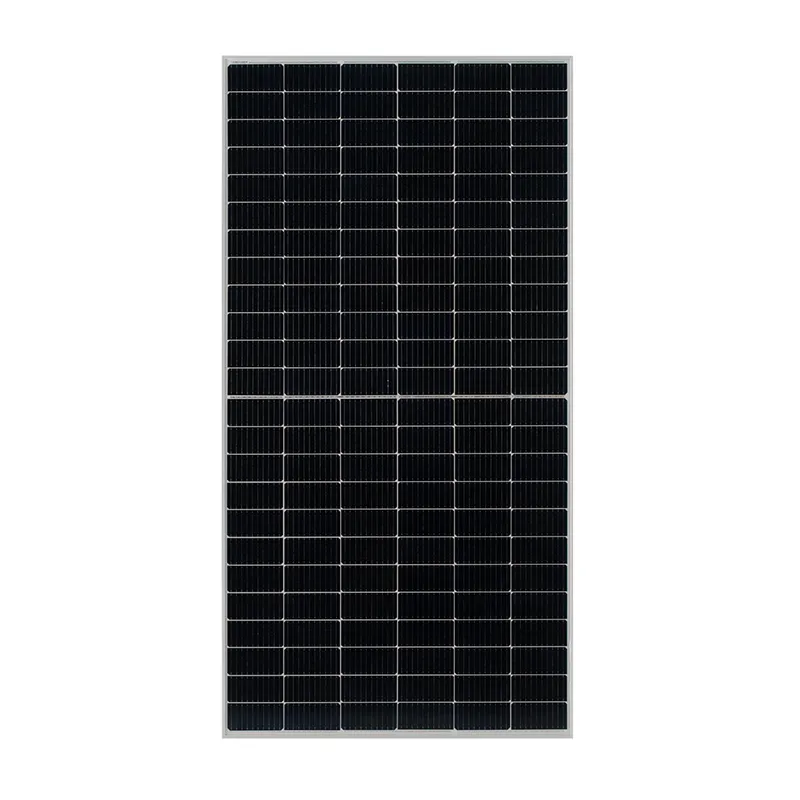
CRS6 420-445W N-Type Solar Panel for Home Use High Output
Real‑World Look at the CRS6 420-445W N-Type Solar Panel For Home Use
If you’ve followed residential solar over the last two years, you’ve seen a shift: N‑type TOPCon is edging out legacy p‑type PERC on rooftops. Higher efficiency, slower degradation, better low‑light—homeowners notice. The CRS6 420-445W N-Type Solar Panel For Home Use slots right into this trend, delivering big‑module performance in a compact, roof‑friendly format. To be honest, I was expecting marketing fluff; what I found was a tidy set of lab numbers and a sensible build.
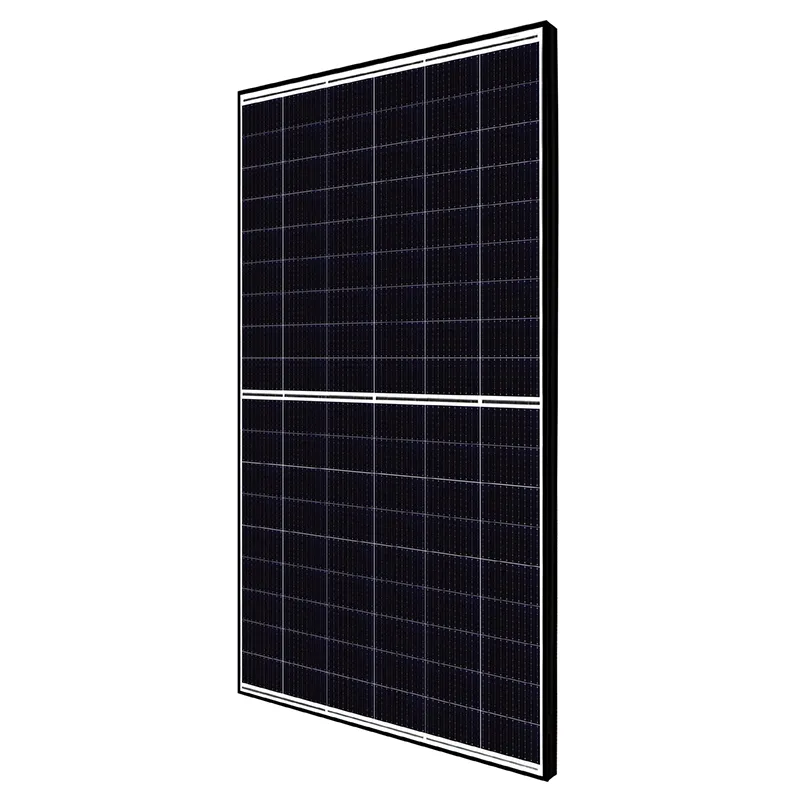
Why homeowners are picking this module
- N‑type TOPCon half‑cut cells: higher bifaciality potential, better temperature behavior, reduced LID/LeTID.
- Real‑world yield: many customers say morning/late‑afternoon output is “surprisingly strong.” It tracks with N‑type’s low‑light edge.
- Warranty: typical 15‑year product and 30‑year linear power (≈1% first year, then ≈0.4%/yr). Real‑world use may vary.
- Footprint: a 54/108‑half‑cell layout, ideal for residential arrays and tricky dormers.
At‑a‑glance specifications
| Parameter | Typical Value (≈) |
|---|---|
| Power class @ STC | 420–445 W |
| Module efficiency | 21.5–22.8% |
| Cell tech / format | N‑type TOPCon, 182 mm, 108 half‑cells |
| Temp. coefficient (Pmax) | ≈ −0.30%/°C |
| Voc / Isc (STC) | Voc ≈ 38–41 V, Isc ≈ 11–12 A |
| Dimensions / weight | ≈1722×1134×30 mm; ≈21 kg |
| Glass / frame | 3.2 mm tempered, anodized Al frame |
| Max system voltage | 1500 V DC |
| Certs & standards | IEC 61215, IEC 61730; PID/LeTID‑mitigated |
How it’s built (quick process flow)
Materials: high‑purity N‑type wafers, SMBB ribbons, POE/EVA encapsulants, low‑iron glass, UV‑resistant backsheet, MC4‑compatible connectors. Methods: cell binning, laser half‑cut, multi‑busbar soldering with controlled thermal profiles, EL inspection (pre/post‑lamination), vacuum lamination, mechanical load test to ±5400/2400 Pa. Testing: Damp Heat 2000 h, Thermal Cycling 600 cycles, PID at 85°C/85% RH, LeTID screening. Service life: designed for 30 years, subject to site conditions and maintenance.
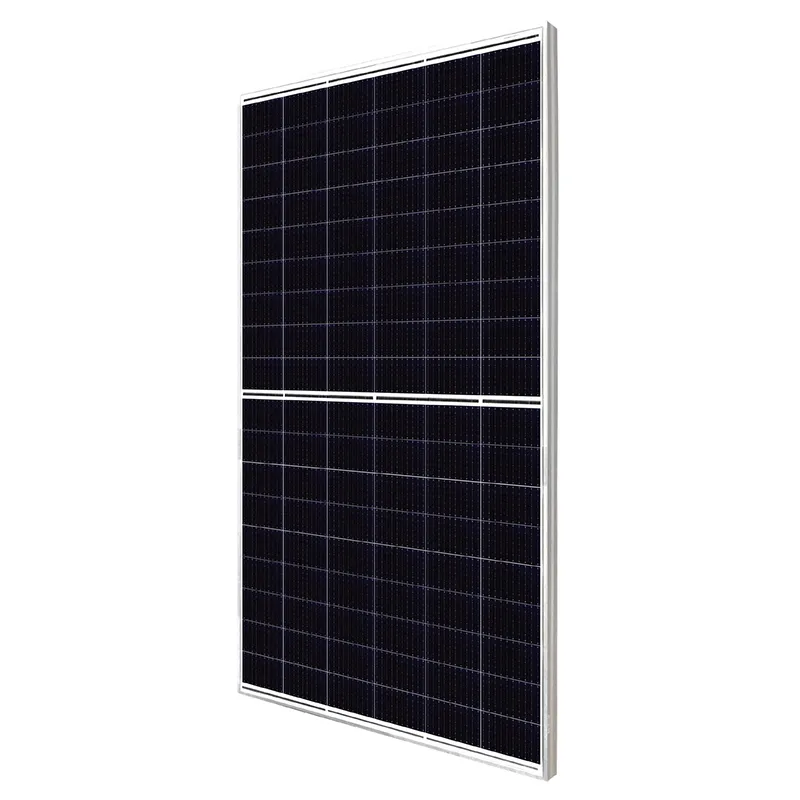
Where it fits best
Residential rooftops (asphalt shingle, tile with hooks), EV‑ready carports, off‑grid cabins with hybrid inverters, and even light agrivoltaics where gentle shading is acceptable. One installer told me a 7.1 kW array of CRS6 420-445W N-Type Solar Panel For Home Use modules in a snowy climate beat last winter’s forecast by ~4%—not a landslide, but notable.
Customization options
- Frame color: silver or black; black backsheet for curb appeal.
- Cable length and connector type (MC4‑compatible).
- Junction box IP rating and split‑JB layout by request.
- Branding and palletization for EPC rollouts.
Quick vendor snapshot (context matters)
| Vendor / Model | Cell tech | Power (≈) | Eff. (≈) | Warranty (prod/power) | Notes |
|---|---|---|---|---|---|
| Benjiu Solar CRS6 | N‑type TOPCon | 420–445 W | ≈21.5–22.8% | 15y / 30y | Residential format; flexible cosmetics |
| Longi Hi‑MO 6 (typ.) | HPBC / PERC+ variants | 405–435 W | ≈21–22.5% | 12y / 25–30y | Strong brand; premium price in some markets |
| Jinko Tiger Neo (typ.) | N‑type TOPCon | 420–445 W | ≈21.7–22.8% | 15y / 30y | Wide availability; check batch lead times |
| Trina Vertex S+ (typ.) | N‑type TOPCon | 425–450 W | ≈21.8–22.5% | 15y / 30y | Dual‑glass options; slightly heavier |
Data above compiled from public datasheets; exact specs vary by batch and region.
Field notes, certifications, and origin
Installers report easy handling thanks to the 30 mm frame and sensible clamp zones. On the compliance side, look for IEC 61215/61730 marks and PID/LeTID test reports, ideally from third‑party labs (TÜV, PVEL). Manufacturing origin: 2B01, Guomao Building, Zhongshan Road, Qiaoxi District, Shijiazhuang City, Hebei Province, China.
A quick case
A 9‑panel, 4.0 kW array using CRS6 420-445W N-Type Solar Panel For Home Use on a southeast roof in Perth logged 5.8 MWh in year one (string inverter, no optimizers). The homeowner’s verdict: “Quietly consistent—even on hazy afternoons.” Not bad.
Authoritative citations
- IEC 61215:2021 – Crystalline silicon terrestrial PV modules – Design qualification and type approval.
- IEC 61730:2016 – Photovoltaic (PV) module safety qualification – Requirements.
- NREL (Jordan et al.), PV Module Degradation Rates – Literature Review and Field Data (various updates).
- PVEL PV Module Reliability Scorecard 2024 – Independent stress testing results and methodologies.
-
Designing a Modern Home Roof Made Out of Solar Panels GuideNewsApr.16,2026
-
Guide to the Size of 150 Watt Solar Panel for Your ProjectNewsApr.09,2026
-
Understanding the Dimensions and Applications of a 200W Solar PanelNewsApr.07,2026
-
Understanding the Dimensions and Factors of a 330W Solar Panel SizeNewsApr.04,2026
-
Understanding the Size and Dimensions of a 4kW Solar Panel System for Your HomeNewsMar.31,2026
-
Comprehensive Guide to Sizing Your Solar System for Optimal Energy ProductionNewsMar.28,2026