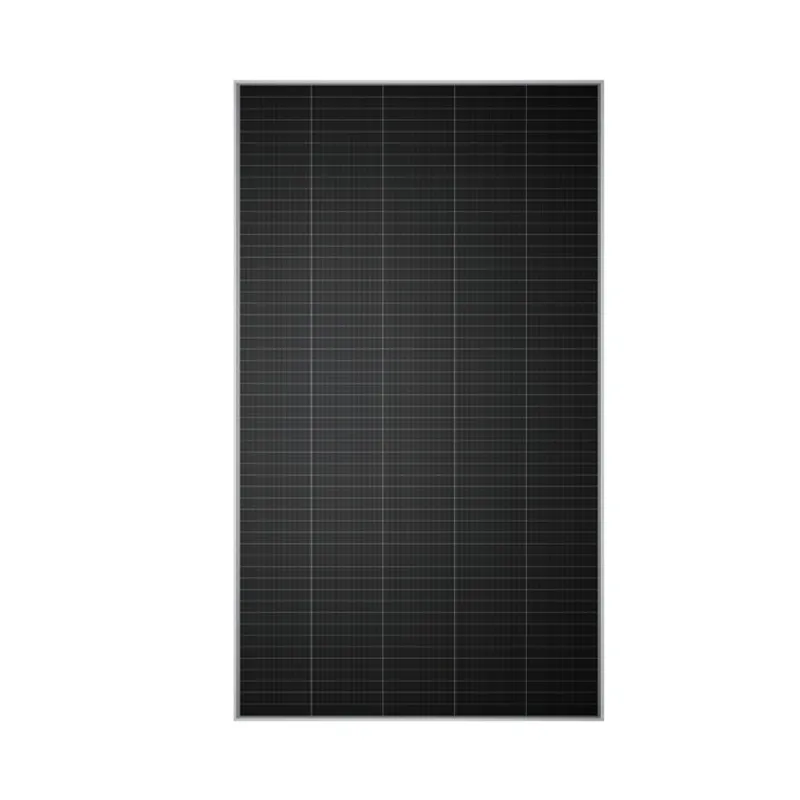
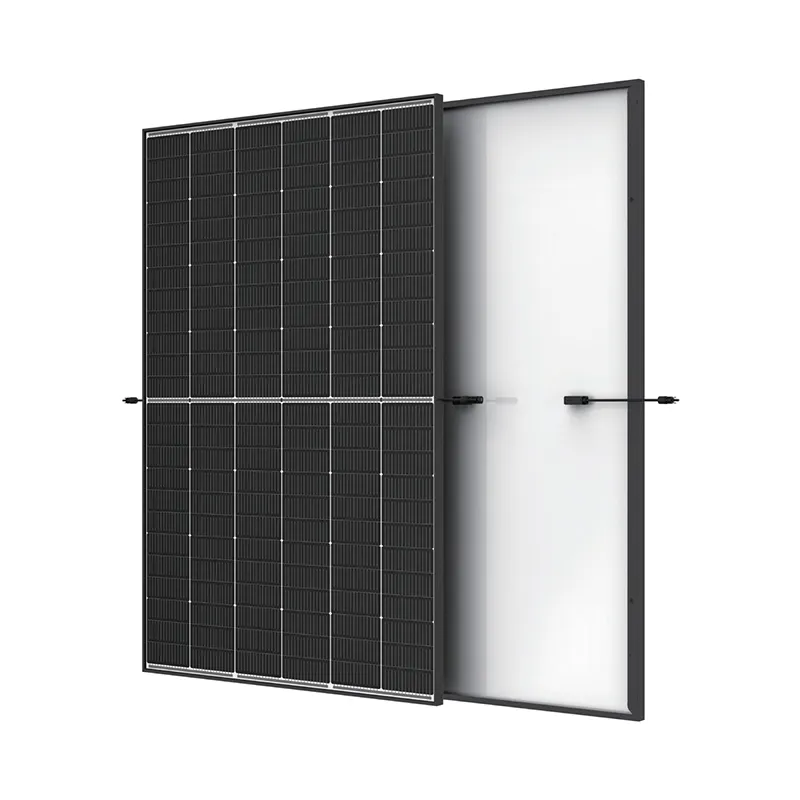
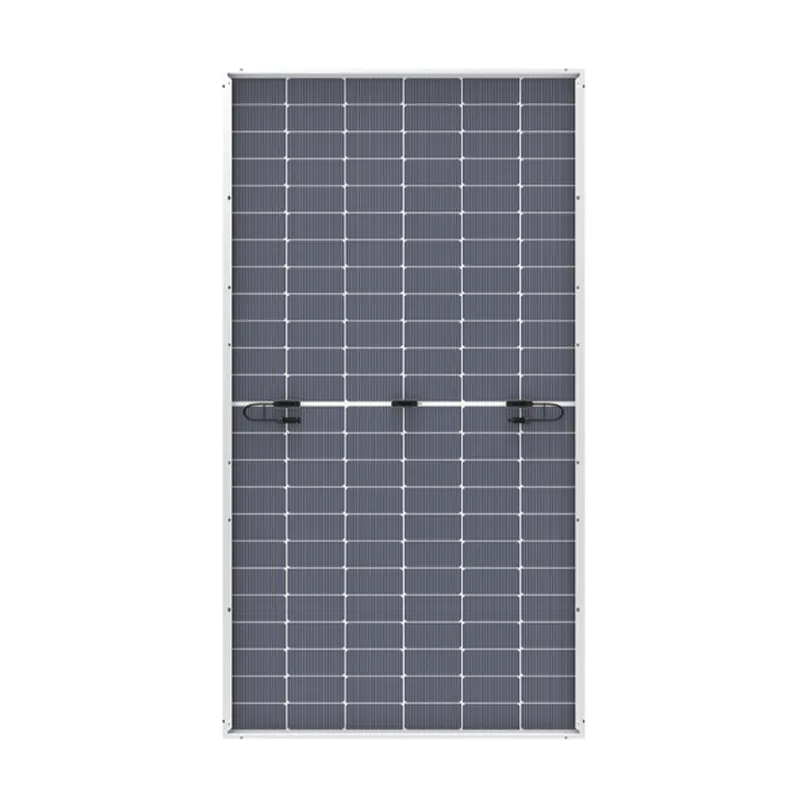
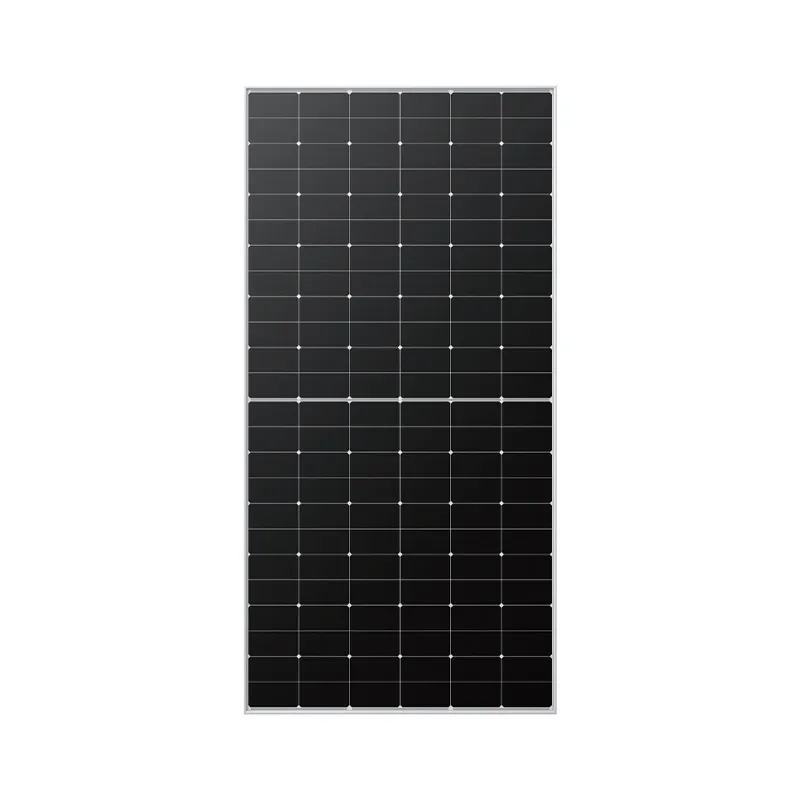
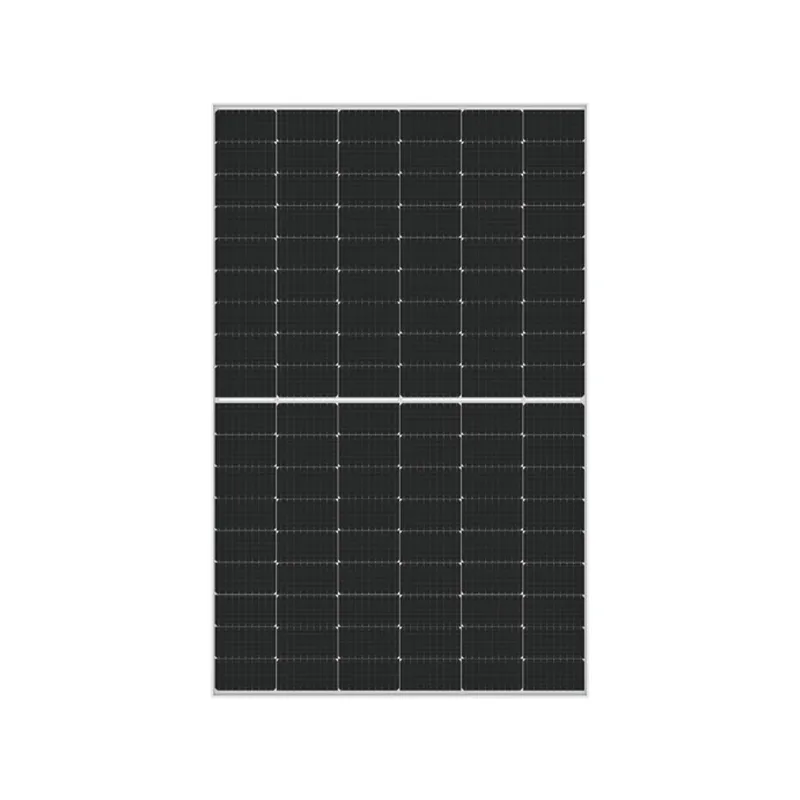
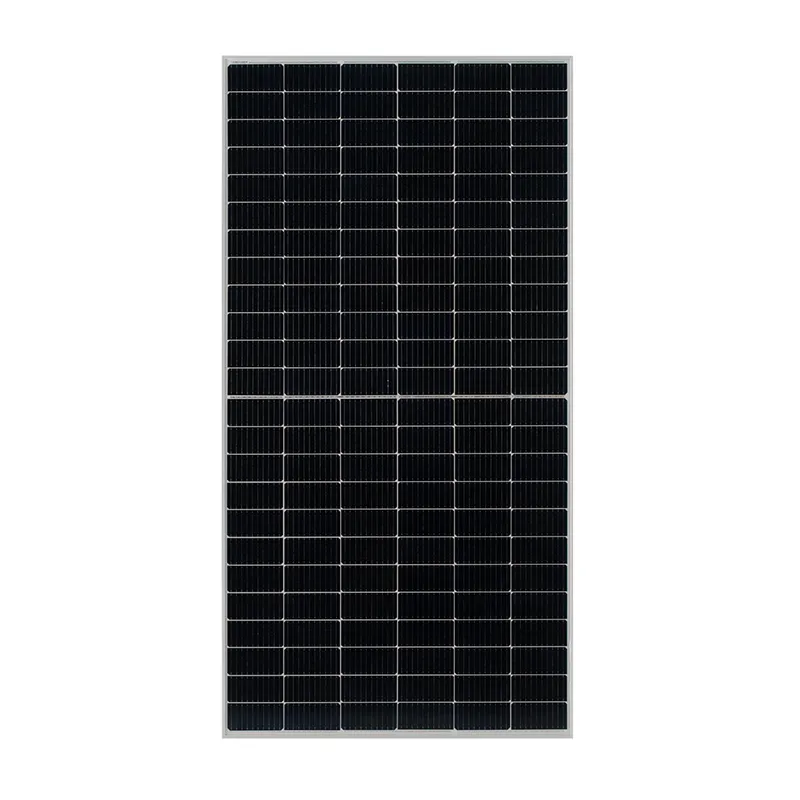
CRS6 420-445W N-Type Solar Panel for Home Use High Output
CRS6 420-445W N-Type Solar Panel For Home Use
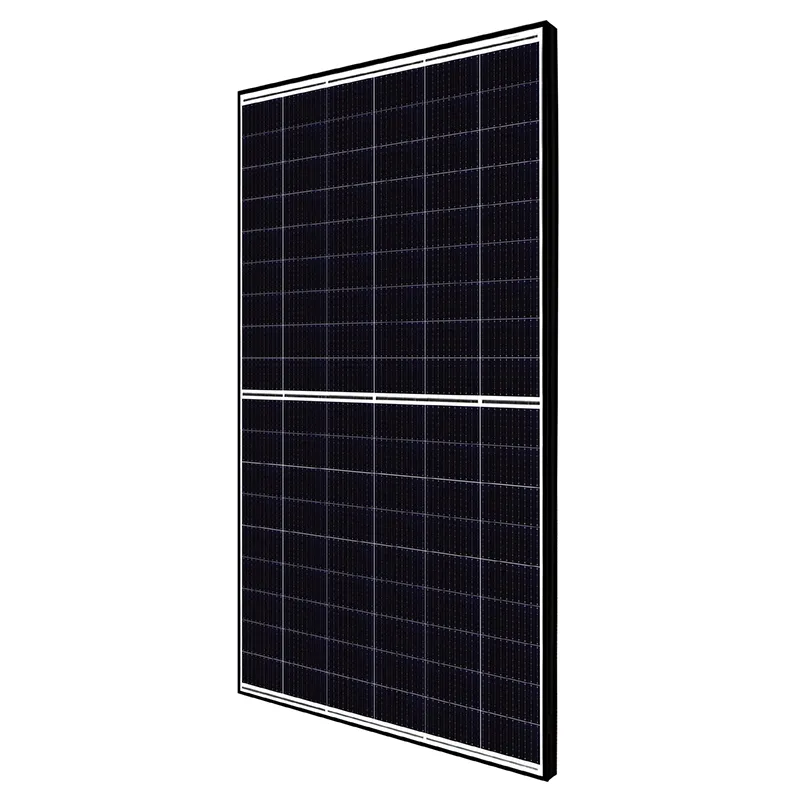
Residential solar has been quietly leveling up. N-type cells are taking the lead from classic P-type, and to be honest, you can see why: lower degradation, better efficiency, and solid performance in heat. That’s the backdrop for the CRS6 420-445W N-Type Solar Panel For Home Use—a compact 54-cell format that fits roofs without looking like a science project, yet still punches above its weight in real-world output.
Why homeowners pick it
- N-type TOPCon cells: lower LID/LeTID, better low-light pickup.
- Half-cut, multi-busbar layout: cooler operation, less resistive loss.
- Good for hot rooftops: Pmax temp coefficient ≈ -0.30%/°C.
- Linear yield guarantee up to 30 years; product warranty up to 15 years (region-dependent).
- Salt-mist and ammonia resistant options for coastal or farm installs.
Quick specs (typical)
| Rated Power | 420–445 W (STC) |
| Module Efficiency | ≈21.5–22.6% (real-world use may vary) |
| Cell Format | N-type TOPCon, 108 half-cells (54 full-cell equivalent) |
| Dimensions / Weight | ≈1762×1134×30 mm; ≈20.5–21.5 kg |
| Electrical (445 W) | Vmp ≈ 34 V; Imp ≈ 13.1 A; Voc ≈ 41 V; Isc ≈ 13.9 A |
| Temperature Coefficients | Pmax -0.30%/°C; Voc -0.24%/°C; Isc +0.05%/°C |
| Mechanical Loads | 5400 Pa (snow) / 2400 Pa (wind) |
| Certifications | IEC 61215, IEC 61730; PID per IEC 62804; Salt Mist IEC 61701 |
Manufacturing and quality process
Materials: N-type mono wafers, high-transmittance tempered glass, UV-stable EVA, durable backsheet or bifacial glass options, anodized aluminum frame, IP68 junction box. Methods: TOPCon passivation, half-cut cells, multi-busbar ribbons, precisely controlled lamination. Testing: EL imaging pre/post-lamination, flash testing (±3% binning), insulation/hi-pot, damp heat (85°C/85%RH), thermal cycling, PID stress. Service life: designed for 30+ years under residential duty with proper BOS. Standards: IEC 61215/61730 baseline; optional ammonia and hail tests depending on market.
Where it fits best
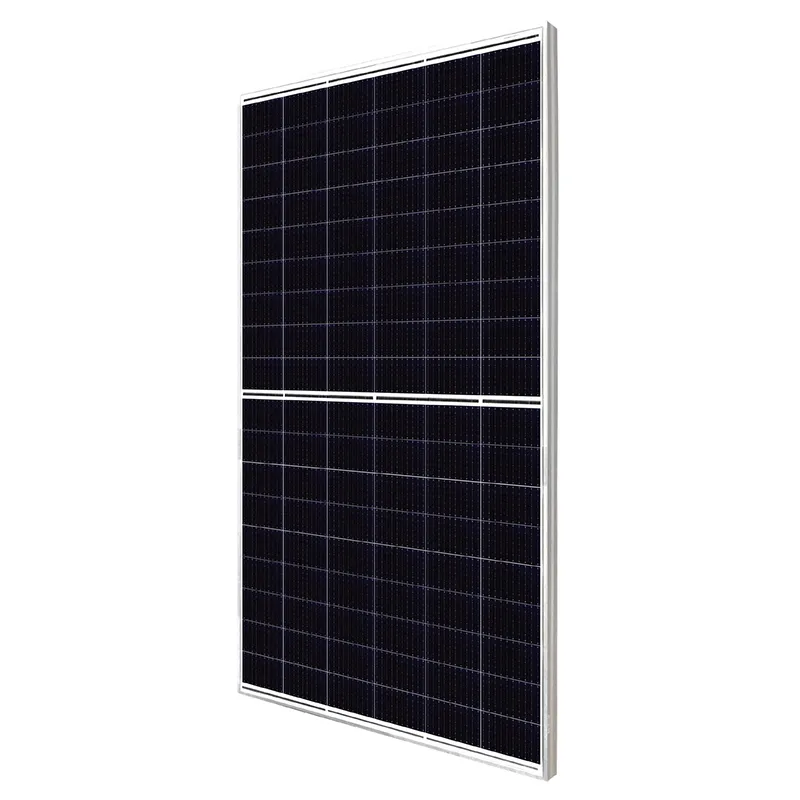
- Standard home rooftops (shingle, tile, metal); carports; pergolas.
- Coastal houses (ask for IEC 61701 salt-mist grade); small farms with ammonia exposure.
- Grid-tied with string inverters or module-level microinverters; off-grid cabins with MPPT charge controllers.
Feedback from homeowners has been upbeat. One Valencia customer saw summer noon output touch 4.7 kW from a 10-panel array—pretty decent. A Texas install reported cooler roof temps versus older poly modules; I guess the half-cut layout helps spread heat.
Vendor snapshot (indicative)
| Vendor | Cell Type | Warranty | Certs | Lead Time | Customization |
|---|---|---|---|---|---|
| Benjiu Solar (CRS6) | N-type TOPCon | 15y product; up to 30y performance | IEC 61215/61730, 61701 | ≈3–6 weeks | Frame color, cable length, labels |
| Tier-1 A | N-type TOPCon | 12–15y; 25–30y perf. | IEC/UL | 4–10 weeks | Limited SKUs |
| Local Installer Brand | P-type PERC | 10–12y; 25y perf. | IEC | 1–3 weeks | High (small batches) |
Note: values are indicative and can vary by market and batch.
Real installs, quick stories
- Melbourne, AU: 6.2 kW roof, CRS6 420-445W N-Type Solar Panel For Home Use with microinverters. Homeowner saw a ~7–9% yield bump vs older PERC set, year-on-year, normalized for weather.
- Qingdao, CN (coastal): 4.0 kW carport, salt-mist certified build; no visible PID after accelerated tests.
Origin and support: Benjiu Solar, 2B01, Guomao Building, Zhongshan Road, Qiaoxi District, Shijiazhuang City, Hebei Province, China. Custom labels for EPCs are available, which—surprisingly—installers love for inventory sanity.
Standards and references
- IEC 61215:2021 – Terrestrial PV Module Design Qualification and Type Approval. https://webstore.iec.ch
- IEC 61730:2016 – PV Module Safety Qualification. https://webstore.iec.ch
- IEC 62804-1:2015 – PID testing for crystalline silicon PV modules. https://webstore.iec.ch
- IEC 61701:2020 – Salt mist corrosion testing. https://webstore.iec.ch
- NREL PV Degradation Rates – Jordan et al. https://www.nrel.gov
- IEA PVPS Trends in Photovoltaic Applications. https://iea-pvps.org
-
Designing a Modern Home Roof Made Out of Solar Panels GuideNewsApr.16,2026
-
Guide to the Size of 150 Watt Solar Panel for Your ProjectNewsApr.09,2026
-
Understanding the Dimensions and Applications of a 200W Solar PanelNewsApr.07,2026
-
Understanding the Dimensions and Factors of a 330W Solar Panel SizeNewsApr.04,2026
-
Understanding the Size and Dimensions of a 4kW Solar Panel System for Your HomeNewsMar.31,2026
-
Comprehensive Guide to Sizing Your Solar System for Optimal Energy ProductionNewsMar.28,2026