Comprehensive Guide to the 380w Solar Panel – Efficiency, Uses & Future Trends
Understanding the Growing Importance of the 380w Solar Panel
If you’ve been following the energy world lately — or even just glanced at your electricity bill — you know the push for renewable sources is accelerating rapidly. Among the many solar panel options available today, the 380w solar panel stands out as a versatile sweet spot. But what exactly makes this model so globally significant? Why does it matter, and what benefits does it carry not just for homeowners but industries, humanitarian efforts, and developing nations alike?
In short, understanding the 380w solar panel equates to understanding a critical piece of our planet’s energy future. It offers a balance between power output and affordability that’s pivotal when scaling solar solutions worldwide.
Global or Industry Context: Why the 380w Solar Panel Matters
Globally, solar power capacity has tripled over the last decade, according to reports by the International Renewable Energy Agency (IRENA) and the UN Environment Programme. The race to decarbonize energy grids and reduce dependency on fossil fuels has made solar technology a linchpin in meeting climate goals set for 2030 and beyond.
But here’s the kicker: not all solar panels are created equal. The 380w solar panel fills a unique niche that bigger, more expensive panels or smaller, less efficient ones can't always do alone — it manages to combine reliable power output with affordability and adaptability.
Challenges like intermittency, installation costs, and the need for modular expansion in remote or disaster-hit areas have spurred demand for solar panels that walk this line perfectly. Hence, the 380w solar panel emerges as a perfect storm of performance and practicality.
What Is a 380w Solar Panel?
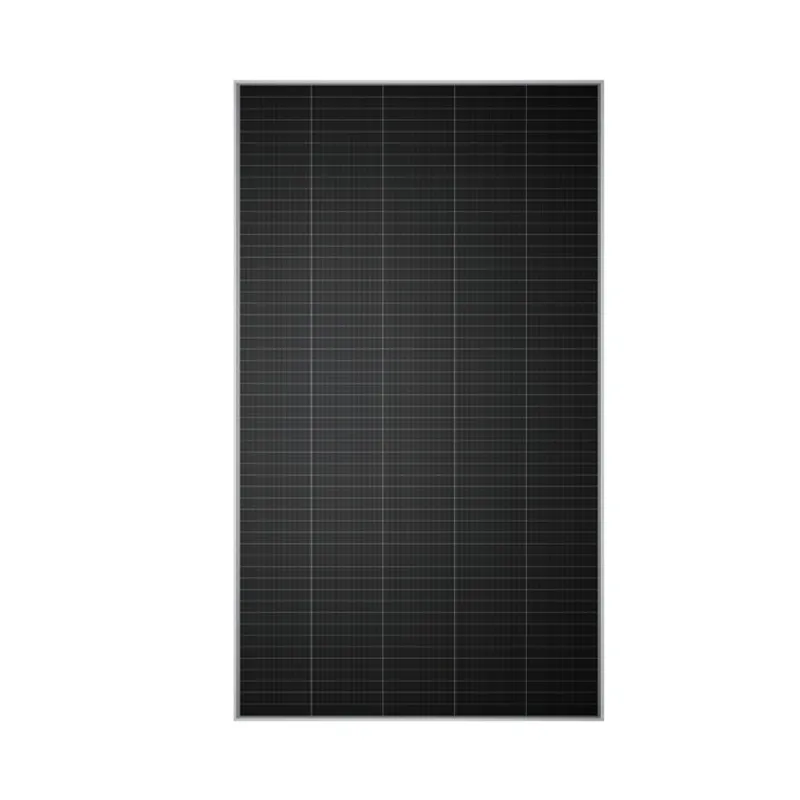
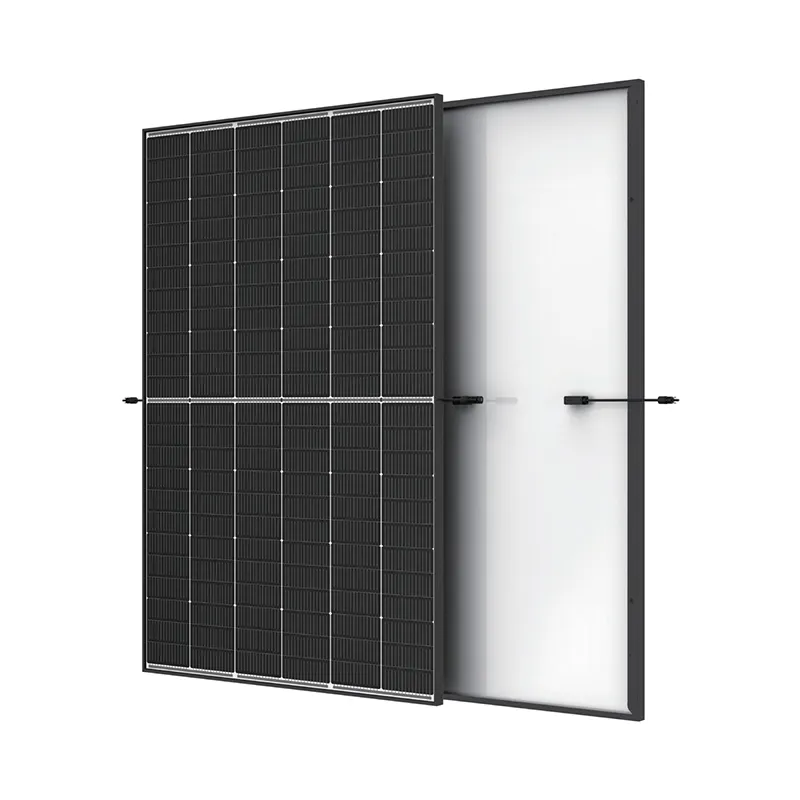
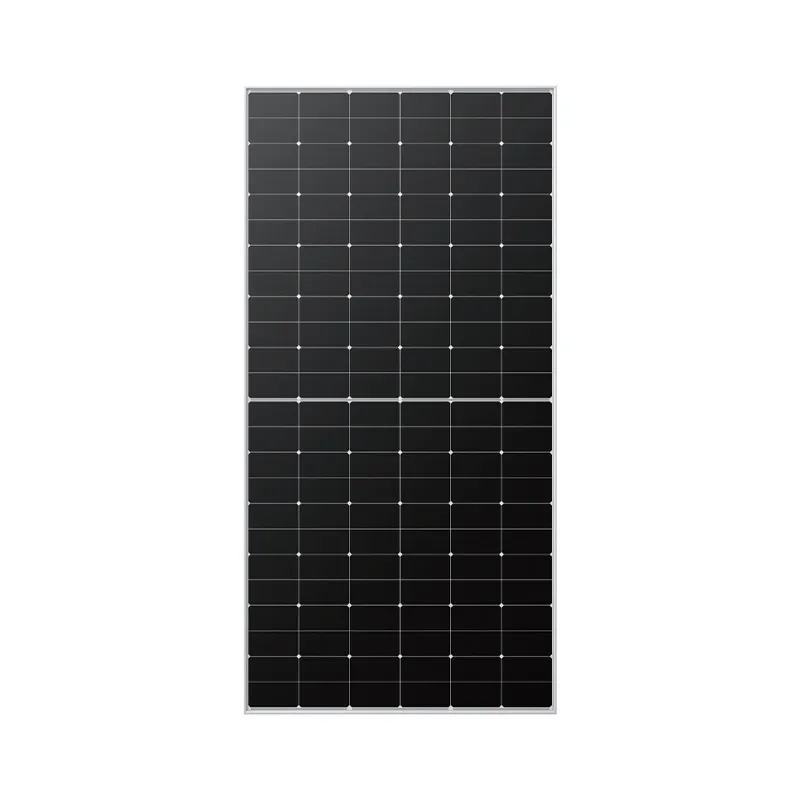
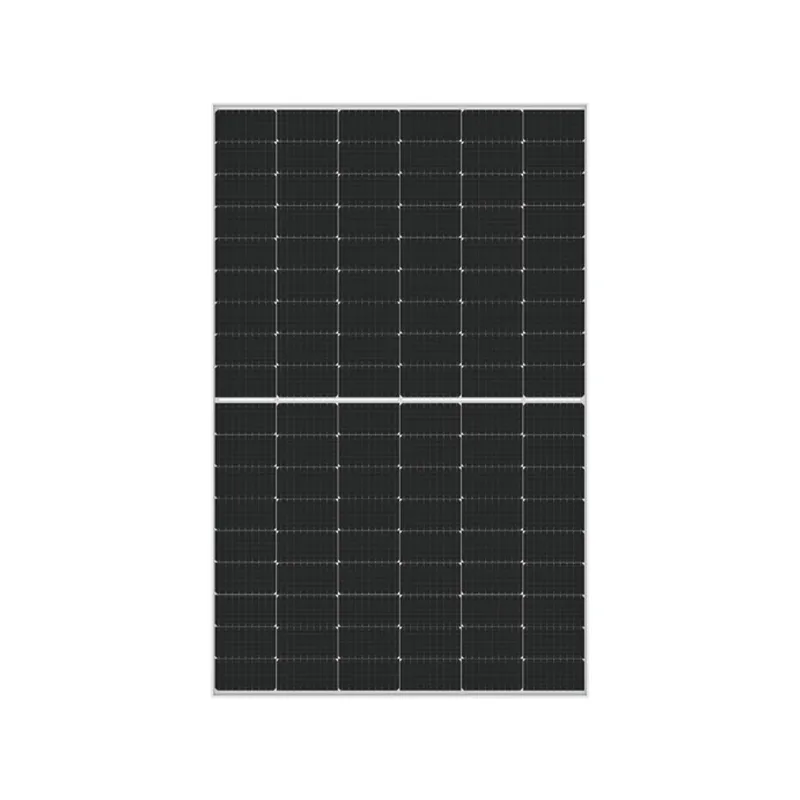
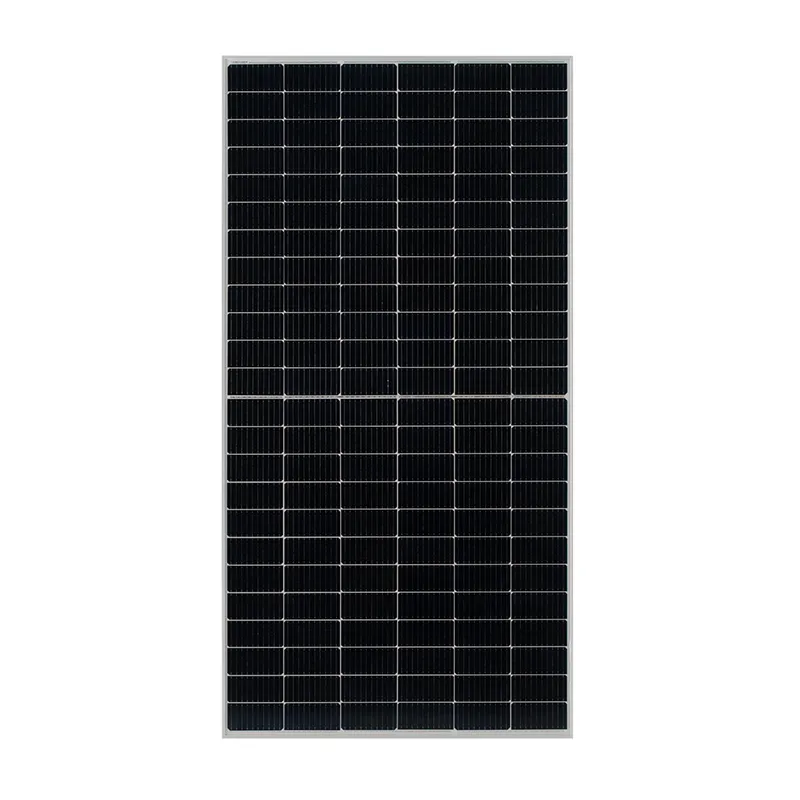
Simply put, a 380w solar panel produces approximately 380 watts of power under optimal sun conditions (standard test conditions of 1,000 watts per square meter solar irradiance). This output is considered moderately high and suits a wide variety of uses — from residential rooftops to off-grid applications and commercial ventures.
These panels typically consist of polycrystalline or monocrystalline silicon cells, optimized to convert sunlight into electricity efficiently. Their size fits well into systems requiring balanced energy input without extra bulk or cost, supporting both green energy goals and practical energy needs in emerging markets.
In humanitarian contexts, this size strikes an ideal balance — enough to power critical lighting, communications devices, or water pumps, but still portable and scalable.
Key Factors That Define the 380w Solar Panel
1. Efficiency and Power Output
The average efficiency of these panels ranges from around 18% to 20% today, driven by advances in cell tech. That means they convert roughly a fifth of the sun’s rays into electricity, which, frankly, is pretty impressive when you consider the variables of weather, shading, and angle.
2. Durability and Build Quality
Rugged design is a must — many 380w panels come with tempered glass, weatherproof frames, and sturdy junction boxes that resist corrosion and wind loads up to 5400 Pa or more. This durability translates into panels reliably working for 25 years or longer, even in harsh environments.
3. Cost Efficiency and ROI
Affordability per watt has declined sharply, with prices now hovering near a sweet spot for small to medium installations. When you calculate Total Cost of Ownership (TCO), these panels often outperform costlier high-wattage alternatives, especially when factoring in lifespan and maintenance.
4. Scalability and Versatility
One of the cleverest things about the 380w solar panel is how well it adapts. Want to scale a solar farm? String panels in series or parallel easily. Need a solution for a remote telecom tower? This panel size fits perfectly. Their modularity means energy systems can grow incrementally without massive upfront investment.
5. Environmental Compatibility
Made from increasingly eco-friendly materials and recyclable components, many manufacturers align with ISO 14001 environmental management standards, reinforcing long-term sustainability beyond just the energy produced.
380w Solar Panel Specifications at a Glance
| Specification | Typical Value |
|---|---|
| Power Output | 380 Watts |
| Efficiency | 18 - 20% |
| Cell Type | Monocrystalline / Polycrystalline |
| Dimensions | Approx. 1970 x 992 x 40 mm |
| Weight | ~20 kg |
| Operating Temp Range | -40°C to 85°C |
| Warranty | 10-12 years (product) / 25 years (performance) |
How the 380w Solar Panel Powers Global Initiatives
Around the world, from the sun-baked plains of Sub-Saharan Africa to rapidly urbanizing Asian cities, the 380w solar panel finds itself at the heart of crucial applications. It pumps power into microgrids in rural villages, supports water desalination plants in arid zones, and even helps keep cold storage running in remote clinics.
For instance, NGOs leveraging solar solutions for disaster relief rely heavily on this panel size for its portability balanced with performance. After cyclone damage or floods, quick-install solar kits built around these panels can restore lighting and communication within days.
And in industry, remote mining operations or telecom towers outside the grid turn to these panels to maintain continuous power without noisy generators or costly fuel logistics.
The Advantages and Long-Term Value You Should Know
- Cost Savings: Reduced reliance on grid electricity or diesel cuts expenses significantly over years.
- Environmental Impact: Zero emissions during operation and reduced carbon footprints.
- Energy Independence: Users gain autonomy over power, critical during outages or in underserved areas.
- Reliability & Longevity: Proven lifespan with low degradation rates offers peace of mind.
- Social Implications: Access to solar power elevates quality of life — imagine children studying under good lighting or clinics preserving vaccines safely!
All in all, the 380w solar panel isn’t just a tech product — it’s a catalyst for innovation, safety, and sustainable development.
Where Is Solar Technology Headed? Future Trends in 380w Solar Panels
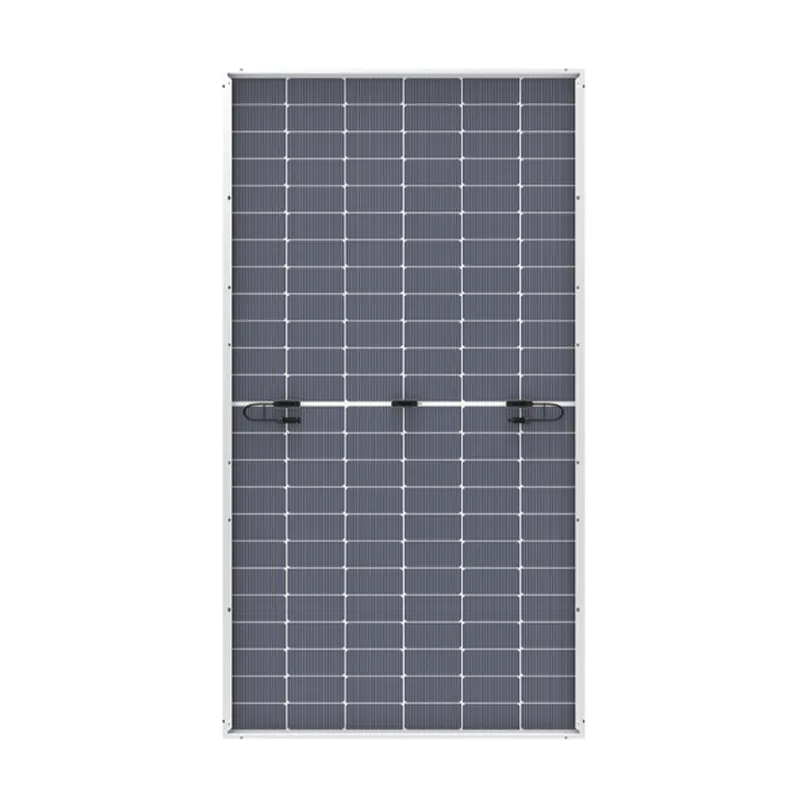
Looking forward, the solar industry is buzzing with possibilities that will impact 380w panels directly. Perovskite coatings, bifacial designs capturing sunlight from both sides, and integration with smart energy management systems signal more efficiency and adaptability on the horizon.
Moreover, the blend of solar with digital grid tech and IoT means panels won’t just produce power — they’ll communicate, optimize use, and even predict maintenance needs automatically.
Policies at international and local levels increasingly favor solar adoption too, fueling research and subsidies that lower costs and boost production scale — a virtuous circle for panels like the 380w.
Current Challenges & How Experts Are Addressing Them
Sure, no tech is perfect. For 380w panels, the main hurdles revolve around intermittency (clouds, shading), installation skill gaps in rural areas, and upfront capital for bigger projects.
Experts champion hybrid systems (solar + battery + backup generators), training programs for installers, and financing mechanisms tailored to community budgets. Plus, innovations in materials are reducing degradation, making panels tougher in extreme climates.
All this means that while challenges persist, they’re far from insurmountable.
Comparing Top Vendors of 380w Solar Panels
| Vendor | Efficiency Range | Warranty | Price/Watt | Special Features |
|---|---|---|---|---|
| SunPower | 19–20% | 25 years performance | $0.75 | High durability, premium warranty |
| Canadian Solar | 18–19.5% | 15 years product | $0.65 | Good value, proven track record |
| Jinko Solar | 18–20% | 12 years product | $0.60 | Affordable with robust testing |
Frequently Asked Questions About 380w Solar Panels
- Q: How much energy can a 380w solar panel realistically produce per day?
- A: On average, a 380w solar panel can produce around 1.5 to 2.3 kWh per day, depending on sun exposure and location. This estimate assumes 4-6 peak sun hours daily and is ideal for small-scale residential or commercial setups.
- Q: Are 380w solar panels suitable for off-grid use?
- A: Absolutely. Their moderate size and efficient output make 380w panels excellent for off-grid systems like cabins, telecom sites, or rural clinics, enabling reliable electricity without massive arrays.
- Q: What's the typical lifespan and warranty coverage?
- Most 380w solar panels come with a product warranty of 10-12 years and a performance warranty promising around 80% output for 25 years, so you can count on durable, steady power for decades.
- Q: Can these panels be combined with batteries for storage?
- Yes, pairing 380w panels with suitable battery banks is common, allowing energy storage for nighttime use or backup power, which is critical for resilience and energy independence.
- Q: Do higher wattage panels always mean better performance?
- Not necessarily. While higher wattage means more power per panel, factors like efficiency, shading, cost, and installation flexibility matter when deciding the best fit. The 380w panel’s balance often outweighs sheer wattage in real-world scenarios.
Conclusion: Why Investing in a 380w Solar Panel Makes Sense
In a nutshell, the 380w solar panel is more than just a product — it’s an adaptable and cost-efficient solution guiding us toward a sustainable energy future. Its flexibility, decent power output, and long-term value align perfectly with global needs, from urban homes to remote humanitarian aid.
If you’re considering renewable energy upgrades or pioneering a new solar project, these panels should definitely be on your radar. For more tech specs, case studies, and purchasing options, visit https://www.benjiusolar.com. You might find exactly the right fit for your energy needs.
Summary Takeaways
- The 380w solar panel combines efficiency and affordability, fitting diverse applications.
- It supports sustainability goals and empowers communities, industries, and disaster relief efforts.
- Future tech innovations will enhance its performance and integration with smart energy systems.
- Despite challenges, ongoing solutions ensure its viability on a global scale.
References
-
Designing a Modern Home Roof Made Out of Solar Panels GuideNewsApr.16,2026
-
Guide to the Size of 150 Watt Solar Panel for Your ProjectNewsApr.09,2026
-
Understanding the Dimensions and Applications of a 200W Solar PanelNewsApr.07,2026
-
Understanding the Dimensions and Factors of a 330W Solar Panel SizeNewsApr.04,2026
-
Understanding the Size and Dimensions of a 4kW Solar Panel System for Your HomeNewsMar.31,2026
-
Comprehensive Guide to Sizing Your Solar System for Optimal Energy ProductionNewsMar.28,2026