Comprehensive Guide to Solar Panel Packages: Benefits, Trends & Buyers’ Tips
Understanding Solar Panel Packages: Powering a Sustainable Future
Solar panel packages have moved from niche technology to a global necessity, transforming how we generate and consume energy. But why is this topic so crucial right now? With climate change pressing harder than ever, and millions still lacking access to reliable electricity, solar panel packages offer a beacon of hope. They’re not just about cutting electricity bills; they represent an evolving energy paradigm—clean, scalable, and increasingly affordable.
We’ll explore not only what these packages entail but how they’re being deployed worldwide for industrial, residential, and humanitarian use. If you're curious about how solar panel packages can impact your projects or community, stick around. There’s more benefit here than you might expect.
The Global Shift Toward Solar Panel Packages
Worldwide, solar energy capacity has exploded. According to the International Renewable Energy Agency, solar capacity grew by over 20% annually over the past decade, and the trend isn't slowing. The United Nations Sustainable Development Goal 7 emphasizes affordable, reliable, sustainable energy for all, positioning solar as a key player in lifting people out of energy poverty.
Despite impressive growth, challenges remain. Infrastructure gaps, intermittent supply, and upfront costs still limit access, especially in underserved regions. This is where solar panel packages step in—providing comprehensive setups that often include panels, inverters, batteries, and mounting gear, designed for easy deployment and reliability.
What Are Solar Panel Packages?
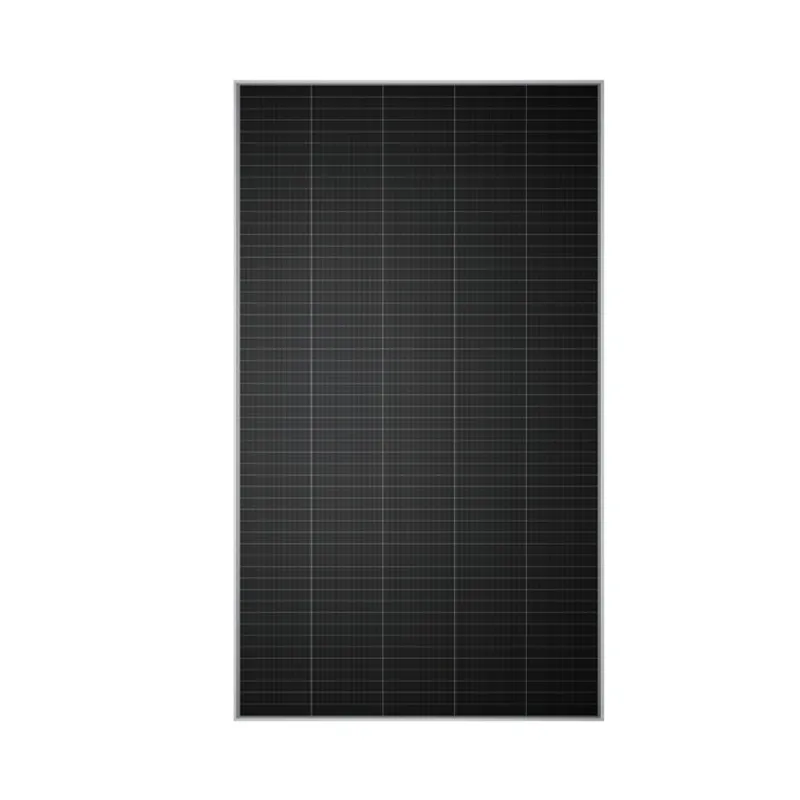
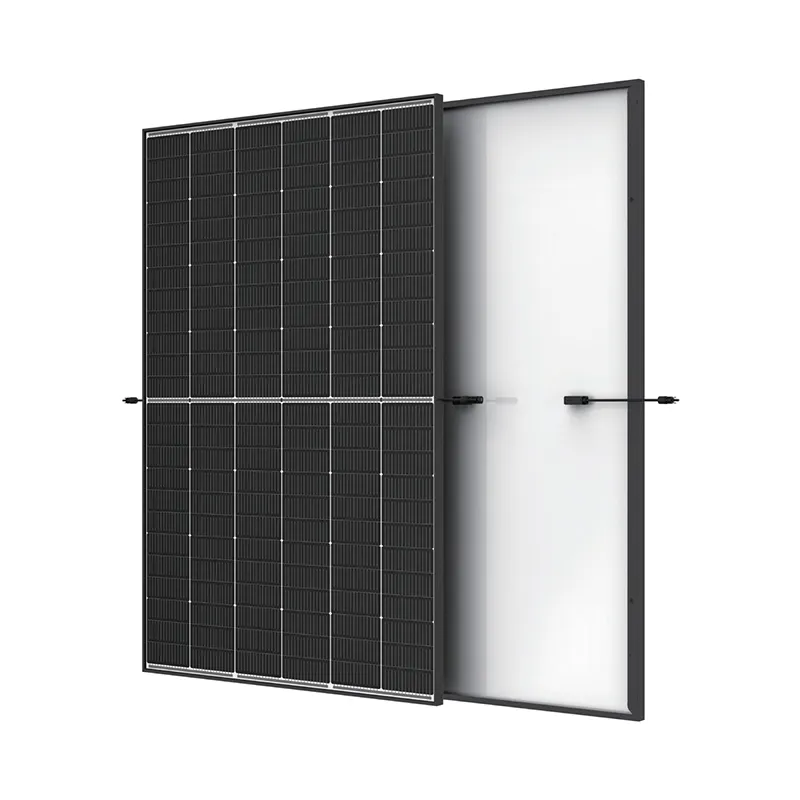
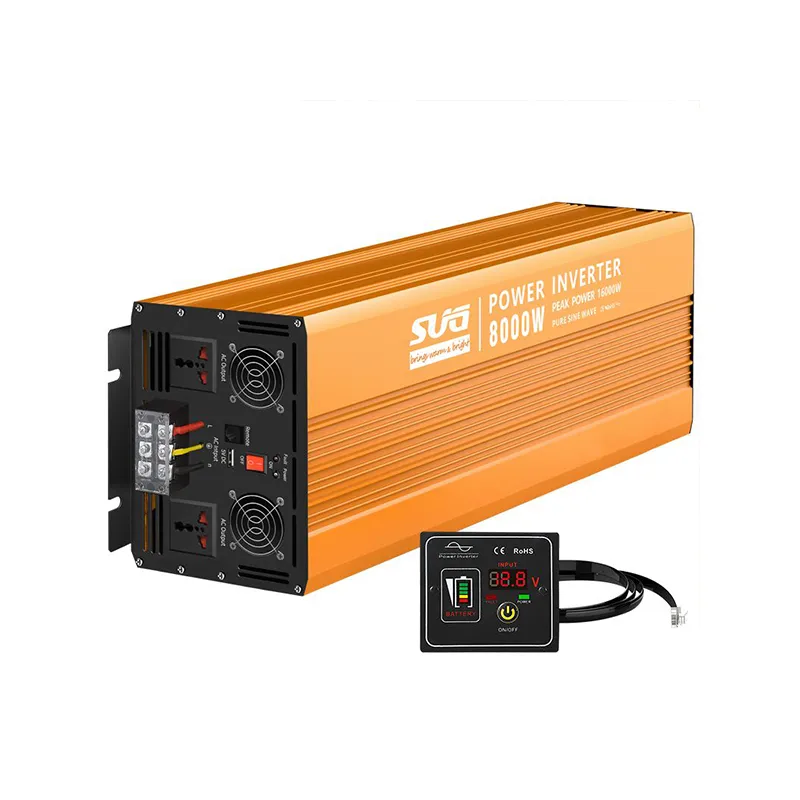
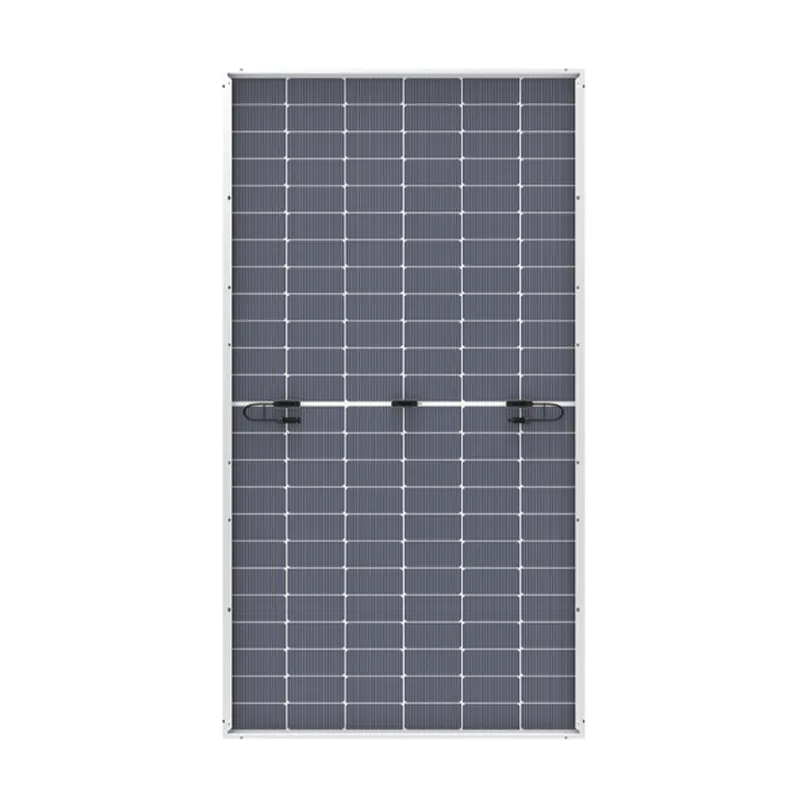
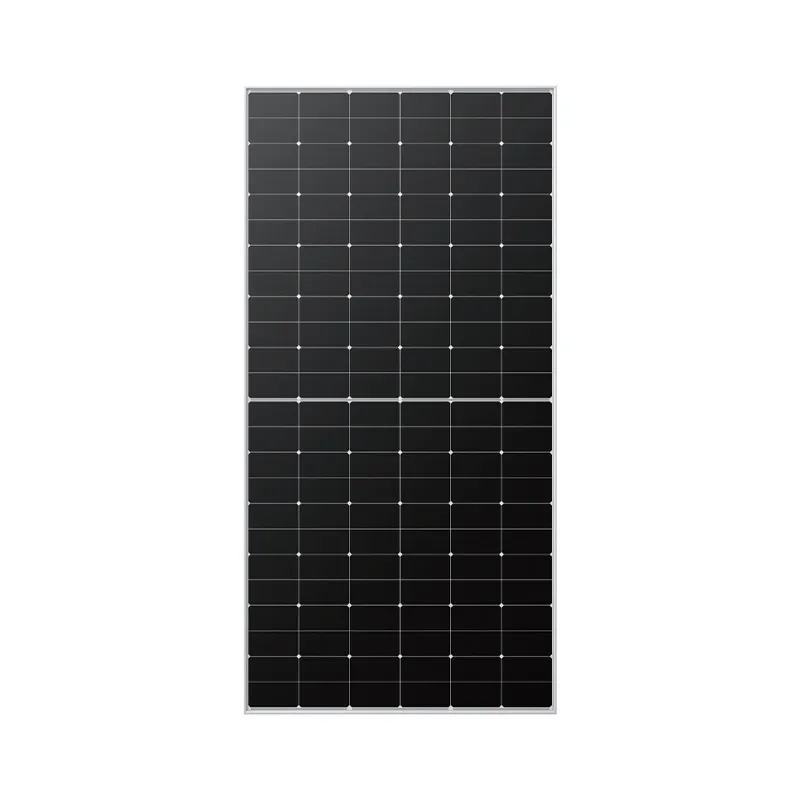
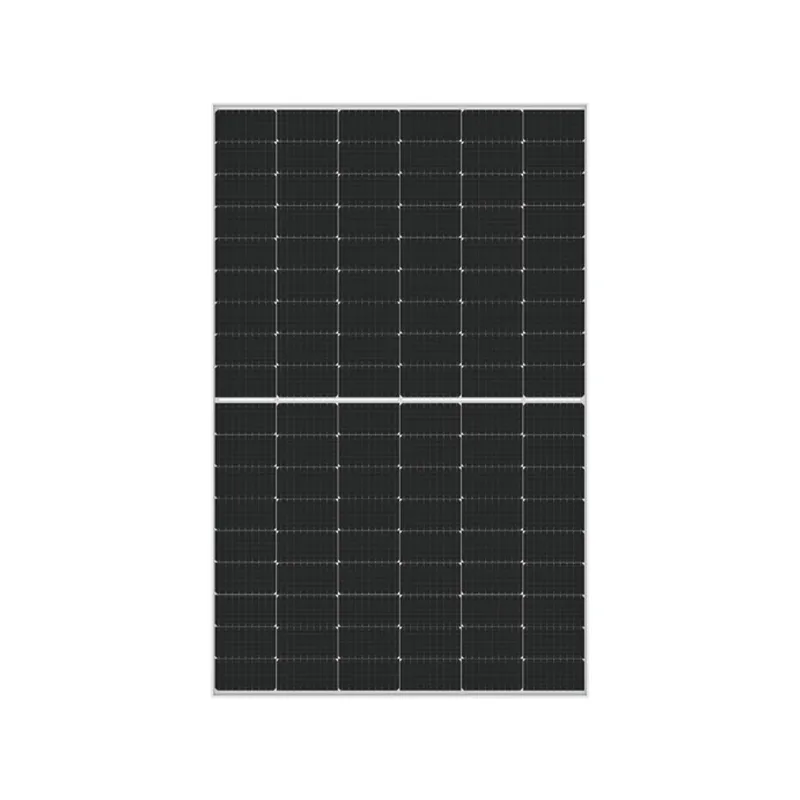
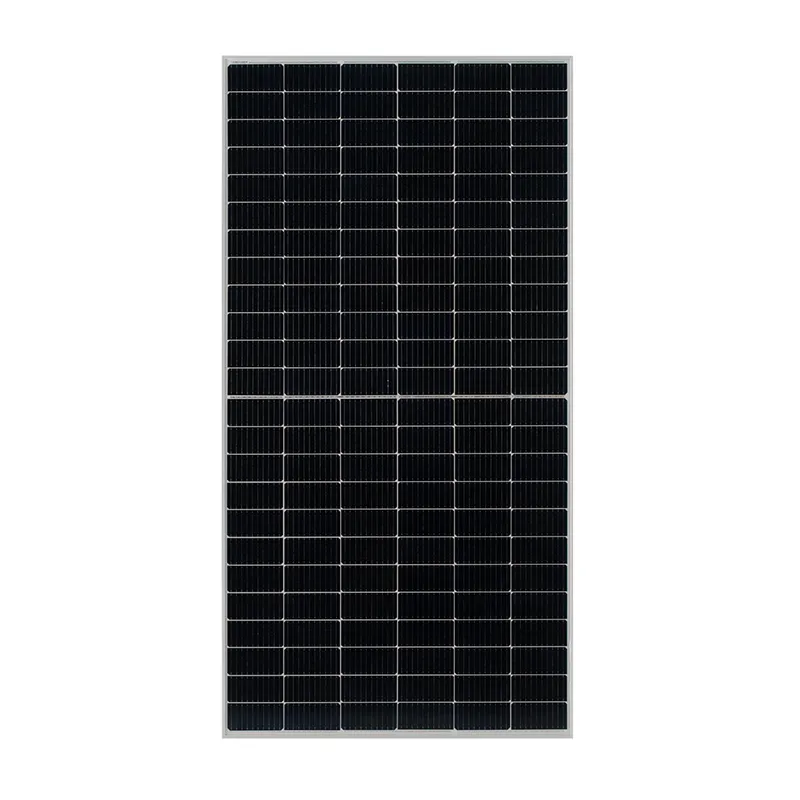
Put simply, a solar panel package is a complete one-stop solution that bundles together all the essential components needed to capture sunlight and convert it into usable electricity. Think of it like buying a ready-made toolkit for solar power, including:
- Solar panels (usually photovoltaic cells)
- Charge controllers or inverters
- Energy storage options like batteries
- Mounting equipment and wiring
By packaging these elements together, suppliers reduce complexity, speed up installation, and often offer scalable capacities to fit anything from off-grid cabins to industrial sites or emergency relief camps.
Interestingly, this modularity aligns well with both commercial ventures and humanitarian efforts, where time and resources are limited but power is urgently needed.
Core Components & What Makes a Solar Panel Package Effective
Durability Under Diverse Conditions
Panels must withstand wind, rain, even dust storms — especially in remote deployments. High durability means long-lasting performance with minimal maintenance, something many suppliers achieve using tempered glass and corrosion-resistant frames.
Scalability for Various Energy Needs
Solar panel packages vary widely — some serve a small home, others can power large warehouses. The idea is to offer modular sets that scale without requiring complex redesigns.
Cost Efficiency Over Lifecycle
While initial costs can be intimidating, many engineers highlight that total cost of ownership declines when factoring in reduced utility bills and maintenance. Plus, subsidies and incentives often bring purchase prices down.
Ease of Installation & Integration
Pre-packaged solutions are designed to simplify installation. Usually, no specialized tools beyond standard electrical kits are needed, which cuts down labor costs and speeds deployment.
Battery & Energy Storage Quality
To maximize use, many packages include advanced battery tech (like lithium-ion) for energy storage, providing steady power during nighttime or cloudy days.
Smart Monitoring and Controls
More cutting-edge setups come with remote monitoring, allowing users or technicians to check performance, diagnose faults, or optimize energy use — a great plus for large-scale or off-grid operations.
Mini takeaway: Robust, scalable, cost-conscious, and user-friendly components form the backbone of an effective solar panel package.
Solar Panel Package Specifications — A Typical Example
| Feature | Specification |
|---|---|
| Solar Panel Type | Monocrystalline silicon |
| Total Power Output | 5 kW peak |
| Battery Storage | 10 kWh lithium-ion |
| Inverter Efficiency | >95% |
| Dimensions | 6.5 m x 3 m (array footprint) |
| Mounting System | Aluminum adjustable racks |
| Warranty | 25 years (panels), 10 years (batteries) |
Global Applications & Real-World Use Cases
The beauty of solar panel packages is their versatility. In sub-Saharan Africa, for example, small modular packages light up clinics and schools that the grid just hasn’t reached. Meanwhile, in European industrial parks, large-scale solar installations paired with energy storage optimize peak energy usage and reduce costs.
Disaster relief agencies widely use mobile solar kits to restore power quickly after earthquakes or hurricanes — those setups sometimes power critical communications tech or refrigeration for medicines.
Emerging industries, like remote mining or oil drilling, increasingly adopt solar packages to reduce fossil fuel dependence and cut operational expenses. Even rural tourism ventures appreciate self-sufficient power generation to stay green while offering modern amenities.
Let’s see how vendors stack up:
| Vendor | Package Size | Battery Included? | Lead Time | Best Use Case |
|---|---|---|---|---|
| Benjiu Solar | 1 kW - 50 kW | Yes (lithium-ion) | 2-4 weeks | Residential & Commercial |
| Solar Solutions Ltd. | 5 kW - 100 kW | Optional | 3-6 weeks | Industrial Scale |
| GreenTech Innovations | 500 W - 10 kW | Yes (lead-acid) | 1-3 weeks | Off-Grid & Remote Areas |
Mini takeaway: Different suppliers cater to distinct needs — residential, industrial, or emergency — making it essential to pick a package that fits your exact energy requirements.
Advantages Beyond the Panels
- Cost savings: Reduced utility bills and minimal maintenance roll out as obvious perks.
- Environmental benefits: Zero-emission energy generation supports global climate goals.
- Social impact: Bringing power to remote communities enhances education, healthcare, and quality of life.
- Reliability: Battery backup means energy availability even when sun doesn’t shine.
- Innovation: Integrating smart controls fosters smarter energy consumption and grid interaction.
It’s easy to overlook the emotional side here — a house lit safely at night, children able to study after dusk, communities gaining independence. It’s more than just watts and volts; it’s about dignity and progress.
Emerging Trends in Solar Panel Packages
In the tech frontier, we see photovoltaic materials evolving — perovskite solar cells, for instance, promise higher efficiency at lower costs, though still in pilot phases. Automation and AI are being incorporated to optimize energy flows, predict failures, and integrate with smart homes.
Policy-wise, countries are increasingly incentivizing solar adoption through rebates, tax credits, and feed-in tariffs, encouraging both corporate and residential uptake.
The notion of “solar as a service” is gaining traction too, where customers pay monthly instead of upfront costs, making clean energy even more accessible.
Challenges Facing Solar Panel Package Deployment
Despite progress, a few hurdles linger. Initial capital expenditure can deter small-scale users. Battery disposal and recycling remain environmental concerns. Some remote areas struggle with installation expertise or regulatory red tape.
Fortunately, solutions are emerging: micro-financing options help with upfront costs, advances in battery recycling are improving, and educational programs and streamlined import frameworks reduce deployment friction. Companies like Benjiu Solar have made big strides simplifying supply chains and installation protocols too.
FAQs About Solar Panel Packages
1. What should I look for when buying a solar panel package?
Focus on your energy needs first. Check total output, battery capacity, warranty length, and installation ease. Also, consider vendor reputation and after-sales support for peace of mind.
2. How long do solar panel packages typically last?
Panels generally have warranties up to 25 years; batteries last between 5-15 years depending on chemistry and use. Regular maintenance can extend the system life substantially.
3. Are solar panel packages scalable if my energy needs grow?
Yes. Many packages are modular, letting you add panels or batteries over time without major reconfiguration.
4. Can I install a solar panel package myself?
It depends on your technical skills and local regulations. Many packages are designed for simpler installs, but professional help is recommended for safety and compliance.
5. How do solar panel packages perform during cloudy or rainy weather?
Output decreases during low sunlight, but quality battery storage helps maintain supply. Also, panels still generate some power in diffuse light.
Conclusion: Investing in a Brighter, Cleaner Tomorrow
Solar panel packages unlock accessible, sustainable power, whether for homes, businesses, or crucial relief operations. The long-term benefits of financial savings, social upliftment, and climate resilience cannot be overstated.
Ready to make the switch? Explore trusted solar panel packages today and join the global movement toward renewable energy. It feels good to be part of this shift — not only because it saves money but because it preserves our planet and empowers communities.
So, go on — the sun’s already shining. Let’s capture that power together.
References:
-
Designing a Modern Home Roof Made Out of Solar Panels GuideNewsApr.16,2026
-
Guide to the Size of 150 Watt Solar Panel for Your ProjectNewsApr.09,2026
-
Understanding the Dimensions and Applications of a 200W Solar PanelNewsApr.07,2026
-
Understanding the Dimensions and Factors of a 330W Solar Panel SizeNewsApr.04,2026
-
Understanding the Size and Dimensions of a 4kW Solar Panel System for Your HomeNewsMar.31,2026
-
Comprehensive Guide to Sizing Your Solar System for Optimal Energy ProductionNewsMar.28,2026