Comprehensive Guide to 600 Watt Solar Panel Dimensions and Their Global Impact
600 watt solar panel dimensions: Understanding Size and Impact in Modern Solar Solutions
When diving into the world of solar energy, the first thing many folks want to know is: how big is that panel? Specifically, the 600 watt solar panel dimensions are a hot topic. Why? Because size matters—literally. Knowing the exact footprint and specifications helps planners, engineers, and installers determine how these panels fit into everything from rooftops to remote off-grid units. It’s about maximizing energy, minimizing space, and ultimately pushing clean energy adoption.
Globally, with renewable energy targets soaring—countries are aiming to triple solar generation within the next decade—understanding panel dimensions helps streamline installation and logistics. Plus, organizations like the International Renewable Energy Agency (IRENA)[1] emphasize solar scalability as a game-changer for energy equity.
What are 600 watt solar panel dimensions, anyhow?
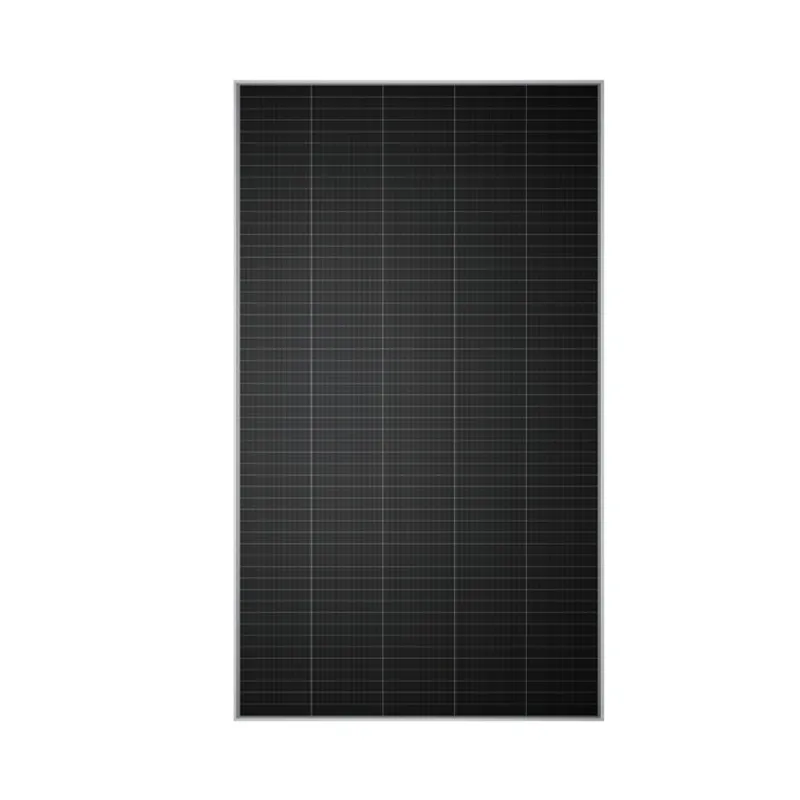
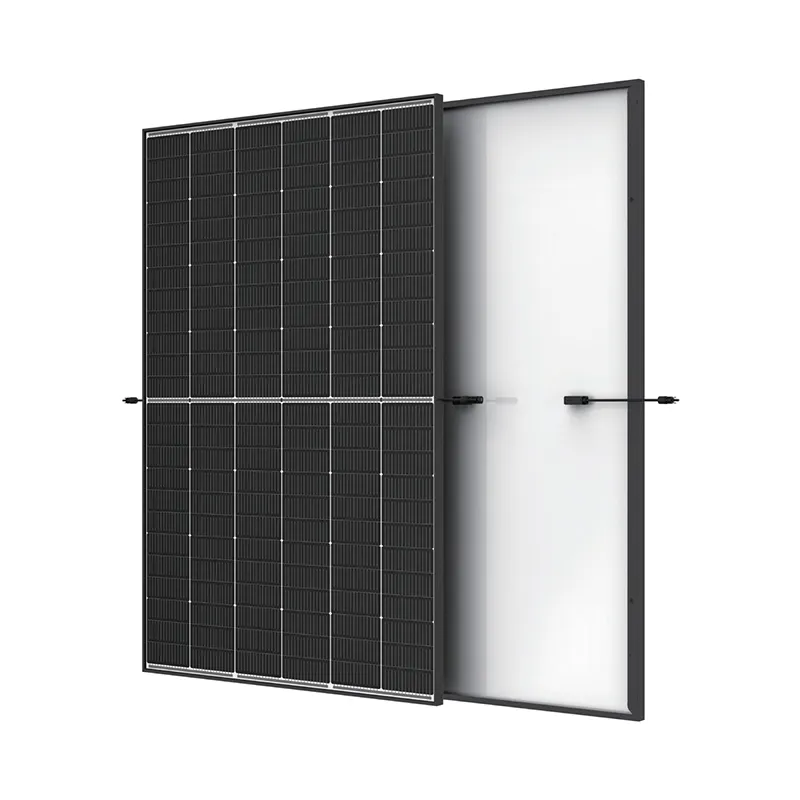
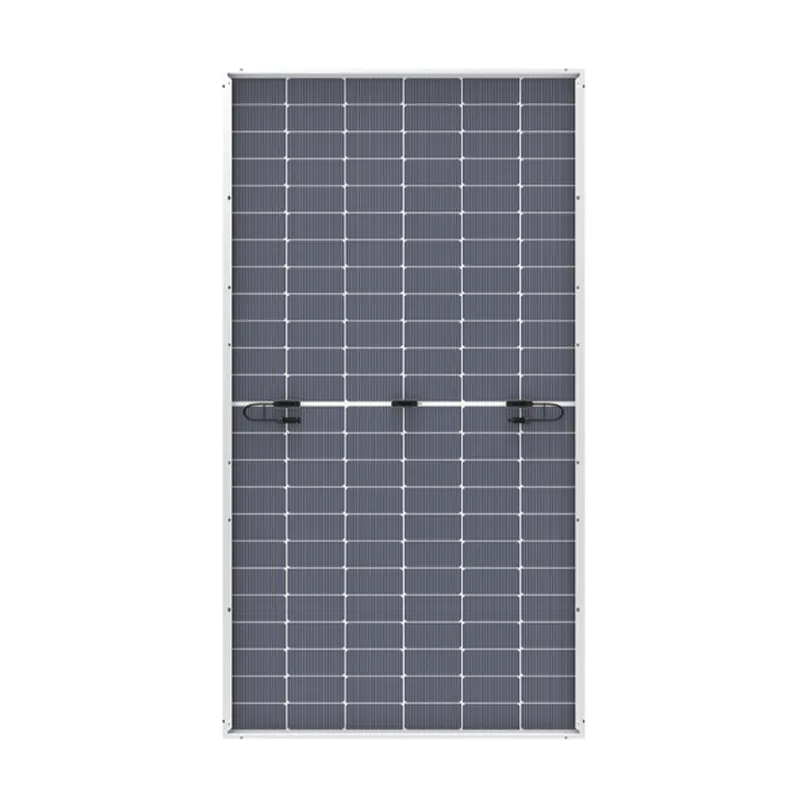
Simply put, these dimensions refer to the physical size of a solar module rated to produce approximately 600 watts under standard test conditions. In practical terms, this means how long and wide the panel is, including frame thickness, that yields around 600W power output. The connection to the contemporary energy landscape is straightforward but powerful: such panels hit the sweet spot between size and output, ideal for commercial rooftops and larger residential applications.
Core Components of 600 Watt Solar Panels
1. Durability and Material Quality
These panels are built to last decades against sun, rain, wind, and snow. Tempered glass, anodized aluminum frames, and quality silicon cells ensure longevity. It’s not just about size fitting a roof but durability fitting the climate scenario.
2. Efficiency and Power Density
Efficiency rates hover around 20-22% for these panels, meaning they convert sunlight to electricity effectively despite relatively large dimensions. This balance boosts energy harvest from limited area.
3. Weight and Mounting Considerations
Typically weighing 35-45 kg, the weight matters for structural load assessments, especially for older rooftops. Installation teams must factor this while handling dimensions.
4. Thermal Management
Panel dimensions influence heat dissipation. Larger panels need clever back-sheet designs to prevent overheating, which can reduce output.
Global Applications & Use Cases
Across Asia, Europe, and North America, 600 watt panels are increasingly common in commercial solar farms, industrial rooftops, and even innovative floating solar arrays. Oddly enough, in disaster relief zones, modular solar setups using these panels provide reliable power for communications and medical facilities, drastically improving aid effectiveness. Remote mining operations in Australia or Canada also see these panels as a way to reduce diesel reliance and carbon footprints.
Advantages & Long-term Value
- Cost Efficiency: Larger wattage panels mean fewer units to install, reducing labor and mounting hardware costs.
- Sustainability: They help accelerate fossil fuel reduction targets thanks to higher output per panel.
- Reliability: Built tough for decades, maintaining steady energy output with minimal maintenance.
- Social Impact: Facilitating electrification in underserved regions upgrades quality of life and economic opportunities.
Emotionally, it’s uplifting to witness communities gaining energy independence—trust me, I’ve seen firsthand how a solar setup can transform lives overnight.
Table: Typical Product Specifications for a 600 Watt Solar Panel
| Specification | Value |
|---|---|
| Power Output | 600 Watt |
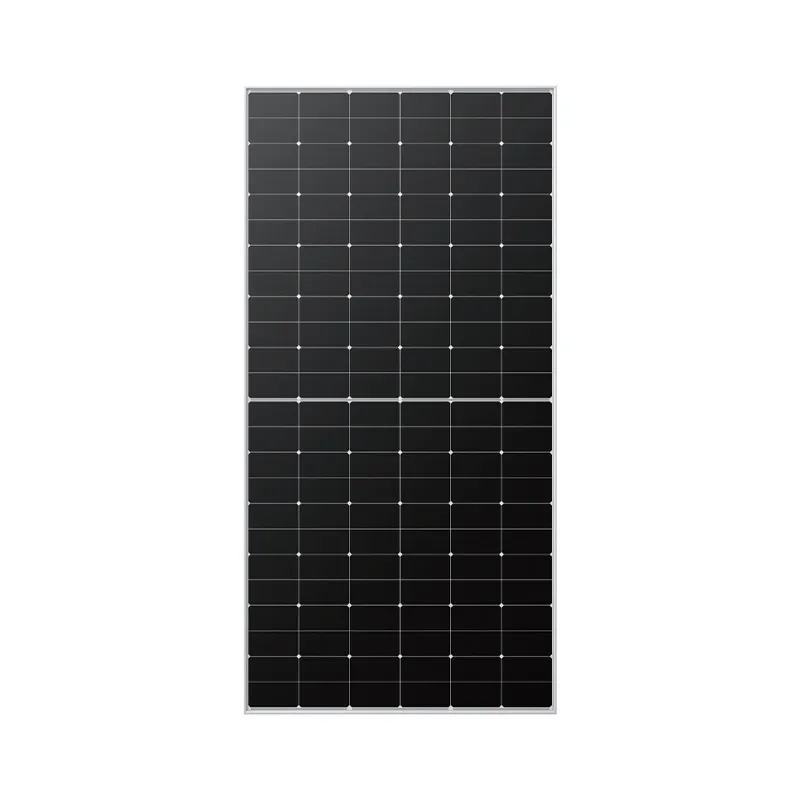
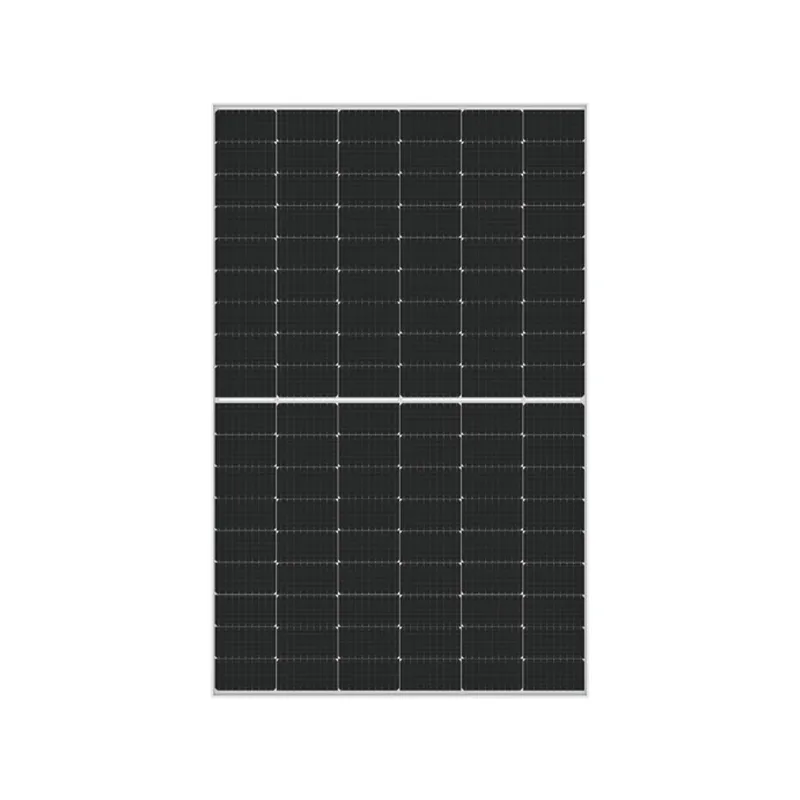
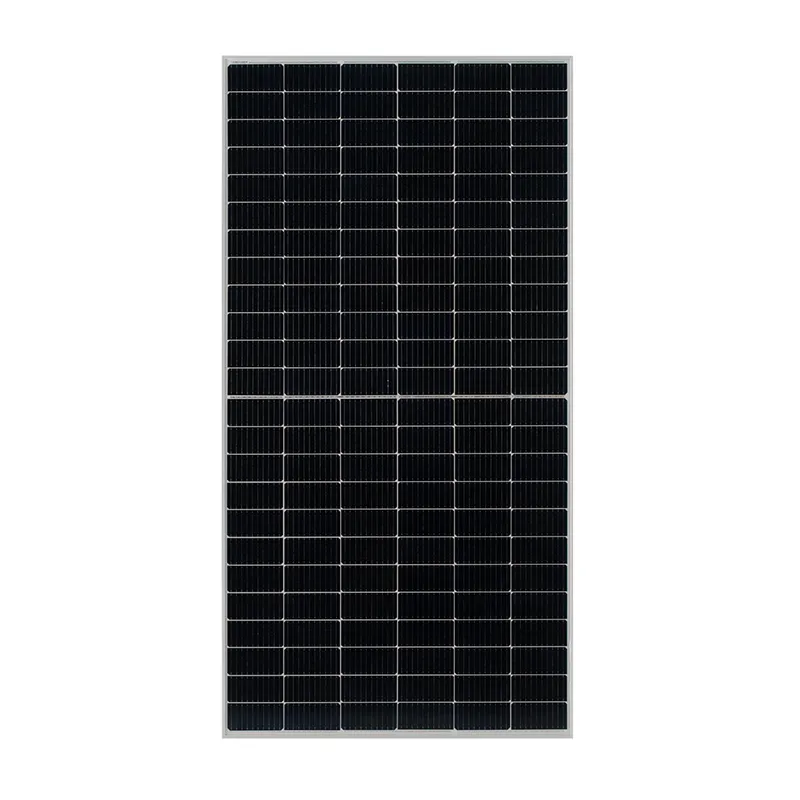
| Dimensions (L×W×H) | 2,100 mm × 1,050 mm × 40 mm (approx.) |
| Weight | 40 kg |
| Efficiency | 21.5% |
| Cell Type | Monocrystalline PERC |
| Warranty | 25 Years (Performance) |
Future Trends & Innovations
The solar industry is on a steady march towards ultra-high-efficiency panels, bifacial designs, and thinner materials. I suppose what’s exciting is the push for lightweight, flexible panels that keep or increase output without ballooning in size — a challenge directly tied to understanding and optimizing 600 watt solar panel dimensions. Digitally integrated panels with embedded sensors to monitor performance in real-time are also coming into play, making maintenance smarter.
Challenges & Solutions
Of course, no tech is perfect. Large, high-output panels face shipment and handling hurdles because of their size. There’s also roof compatibility—sometimes a rooftop can’t hold multiple large panels, or there’s shading that restricts layout. But modular mounting systems and custom racking solutions are improving swiftly. Another limitation is cost—while price per watt continues to drop, upfront investment remains a concern. Government incentives and bulk procurement are common ways to mitigate these challenges.
Vendor Comparison: Leading 600 Watt Solar Panels
| Vendor | Efficiency | Warranty | Price per Watt | Panel Dimensions (mm) |
|---|---|---|---|---|
| SunPower | 22.0% | 25 years | $0.65 | 2,103 × 1,048 × 40 |
| LG Solar | 21.3% | 25 years | $0.68 | 2,100 × 1,050 × 35 |
| Jinko Solar | 20.8% | 15 years | $0.55 | 2,040 × 1,015 × 40 |
FAQ: Common Questions About 600 Watt Solar Panel Dimensions
Q1: What are the exact dimensions of a typical 600 watt solar panel?
A: While it varies slightly by manufacturer, most 600 watt panels measure around 2,100 mm in length and 1,050 mm in width, with a thickness near 40 mm including the frame. This size balances surface area with efficient output.
Q2: Are 600 watt panels suitable for residential rooftops?
A: Yes, especially larger residential roofs. But since these panels are larger and heavier, it’s important to consult a structural engineer to verify roof load capacity and space availability before installation.
Q3: How do these larger panels affect installation costs?
A: Larger panels generally reduce installation time and hardware requirements, because fewer units are needed for the same total wattage. That said, handling bigger panels might require special equipment, so costs can vary by project.
Q4: Can 600 watt solar panels be combined with smaller panels?
A: Absolutely. Solar arrays often mix different panel sizes and wattages to maximize space and match energy needs, as long as electrical compatibility is ensured during system design.
Q5: Where can I find reliable suppliers for 600 watt solar panels?
A: Trusted vendors include industry leaders like SunPower, LG, and Jinko. They offer comprehensive warranties and have extensive distribution networks. Local suppliers and certified installers are also great resources.
Wrapping It All Up
Understanding the 600 watt solar panel dimensions connects you to the heart of modern solar deployment — it’s practical, technical, and profoundly impactful. As solar energy rapidly scales, getting this right means greater efficiency, easier installation, and ultimately, more accessible clean energy across the globe.
If you’re considering solar projects, whether commercial or humanitarian, these panels offer a proven solution that promises longevity, power, and adaptability. Why not visit our website for more insights and tailored advice?
Oddly enough, the right panel size feels like a small detail—but it truly shapes the future of energy.
Mini takeaway:
Knowing the dimensions of 600 watt solar panels helps design better, install smarter, and scale cleaner energy solutions efficiently worldwide.
References:
-
Designing a Modern Home Roof Made Out of Solar Panels GuideNewsApr.16,2026
-
Guide to the Size of 150 Watt Solar Panel for Your ProjectNewsApr.09,2026
-
Understanding the Dimensions and Applications of a 200W Solar PanelNewsApr.07,2026
-
Understanding the Dimensions and Factors of a 330W Solar Panel SizeNewsApr.04,2026
-
Understanding the Size and Dimensions of a 4kW Solar Panel System for Your HomeNewsMar.31,2026
-
Comprehensive Guide to Sizing Your Solar System for Optimal Energy ProductionNewsMar.28,2026