Comprehensive Guide on Solar Panel for House Price – Costs, Benefits & Trends
Understanding Solar Panel for House Price: Why It Really Matters
When you first hear solar panel for house price, it might sound like just another statistic or market term. But behind that phrase lies a pivotal piece of modern energy transformation—a mix of economics, technology, and environmental hope. Globally, the way we price solar panels for homes is influencing energy independence, reducing carbon footprints, and reshaping how we think about our utility bills. It’s a financial figure with a surprisingly human story. From families in rural Africa gaining access to electricity for the first time, to urban dwellers chasing long-term savings, understanding this price point is more than just numbers.
Mini takeaway: Knowing the true meaning behind solar panel prices for houses helps you gauge both immediate costs and long-lasting value.
The Global Picture: Why Solar Panel Pricing for Houses Is a Big Deal
The world is waking up to renewable energy faster than ever. According to the United Nations Sustainable Development Goal 7, affordable and clean energy is fundamental to development. Solar panels, especially for residential use, lead this charge.
Statistics from the International Energy Agency show that solar PV capacity has nearly doubled in recent years, lowering costs substantially. But here’s the catch: the solar panel for house price varies wildly across countries and regions, influenced by tariffs, installation costs, subsidies, and technology availability.
Put simply, one key challenge remains: making solar panels affordable without compromising quality. Many households want solar energy but get stopped short by confusing pricing or upfront costs. Hence, diving deeply into what shapes these prices is critical – for both buyers and policy-makers.
Mini takeaway: Global demand and policies heavily influence solar panel prices for homes; understanding this dynamic helps cut through market noise.
Defining Solar Panel for House Price: What Exactly Is It?
In straightforward terms, solar panel for house price means the cost involved in purchasing and installing solar photovoltaic (PV) panels on residential rooftops. This includes:
- The cost of the panels themselves
- Inverter and mounting equipment expenses
- Labor and installation fees
- Additional fees like permits or grid connection
It reflects more than just product cost—it also signals market maturity, government incentives, and how competitive the local solar energy market is.
With many modern homes seeking energy sustainability, this pricing banner affects not only industry push but real humanitarian issues. For example, remote areas without grid connections rely heavily on affordable solar solutions to improve living standards.
Mini takeaway: The solar panel for house price is an encompassing term that captures everything from panel cost to installation, making it key for homeowners and energy planners alike.
Key Factors Determining Solar Panel for House Price
1. Panel Type & Efficiency
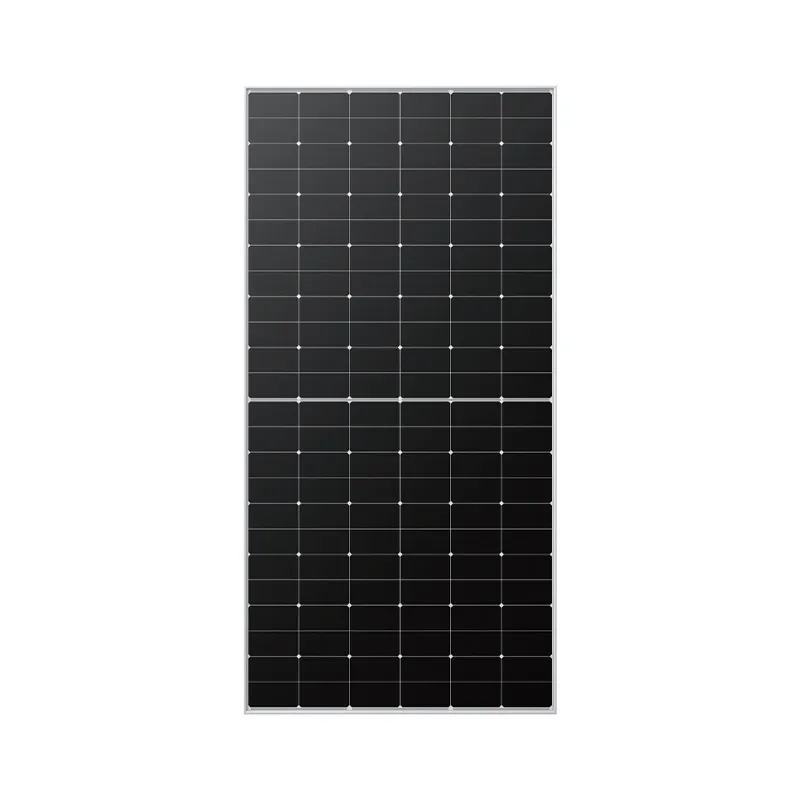
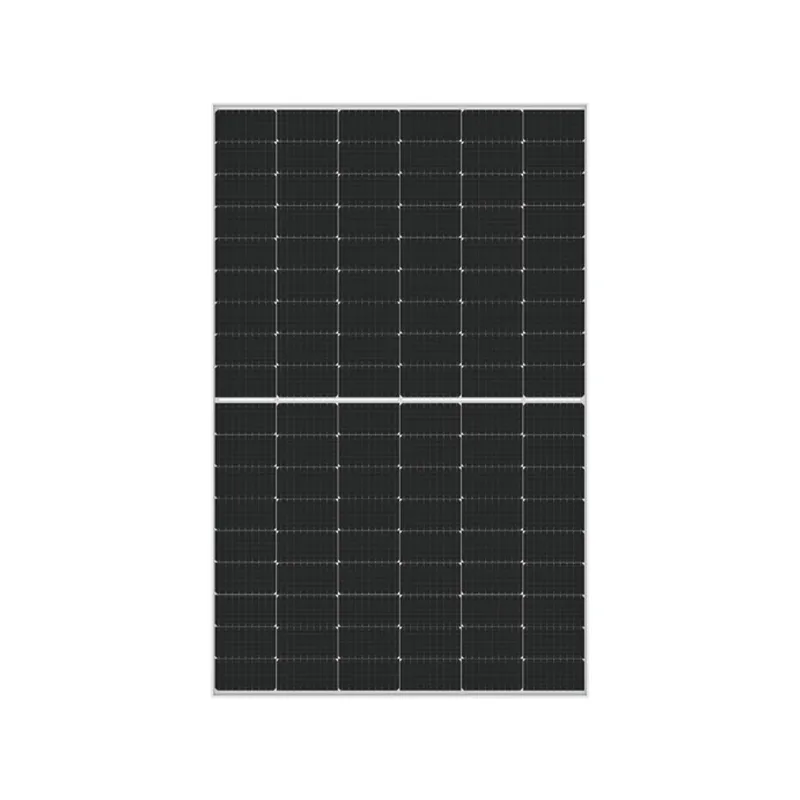
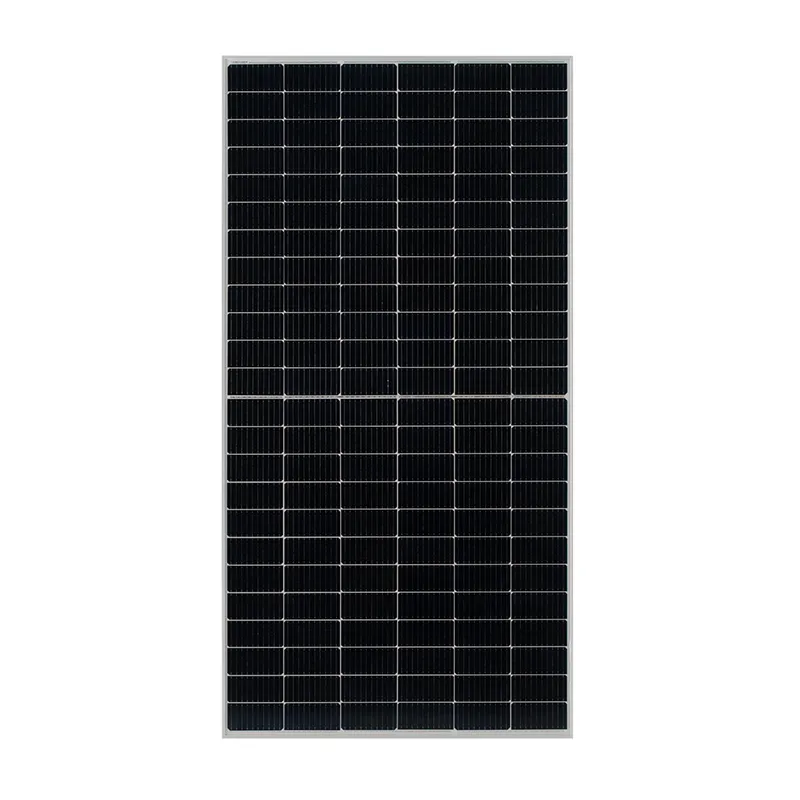
Monocrystalline panels generally cost more but offer higher efficiency, while polycrystalline options tend to be cheaper but less efficient. I’ve noticed this difference strongly impacts the price per watt and therefore the total upfront cost.
2. Installation Complexity
Roof type, shading, and local building codes can push installation costs up or down. Flat roofs might be easier, but aging homes often involve custom work.
3. Government Incentives & Subsidies
Regions with generous rebates or tax credits slash the effective solar panel price considerably — sometimes by 30% or more.
4. System Size & Scalability
What size system you choose defines not only price but flexibility. Bigger systems may reduce per-watt cost but require higher initial investment.
5. Durability & Warranty
Panels with longer-lasting performance guarantees might cost more upfront but yield stronger long-term returns.
6. Installation Vendor & Service Quality
Trustworthy installers might charge a premium, but they often deliver better outcomes—less worry about failures or hidden charges.
| Specification | Detail | Approx. Price |
|---|---|---|
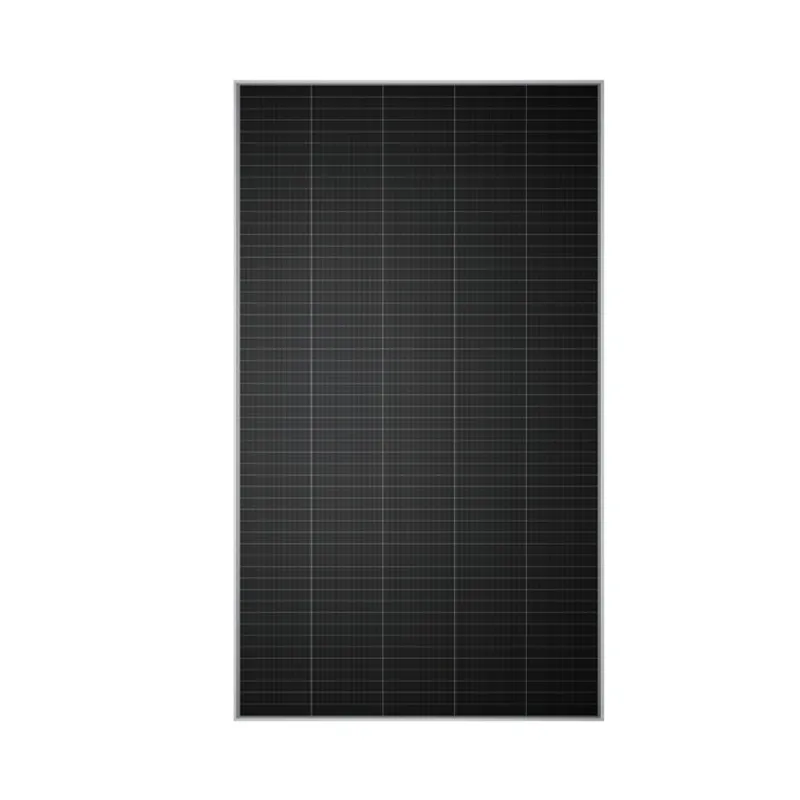
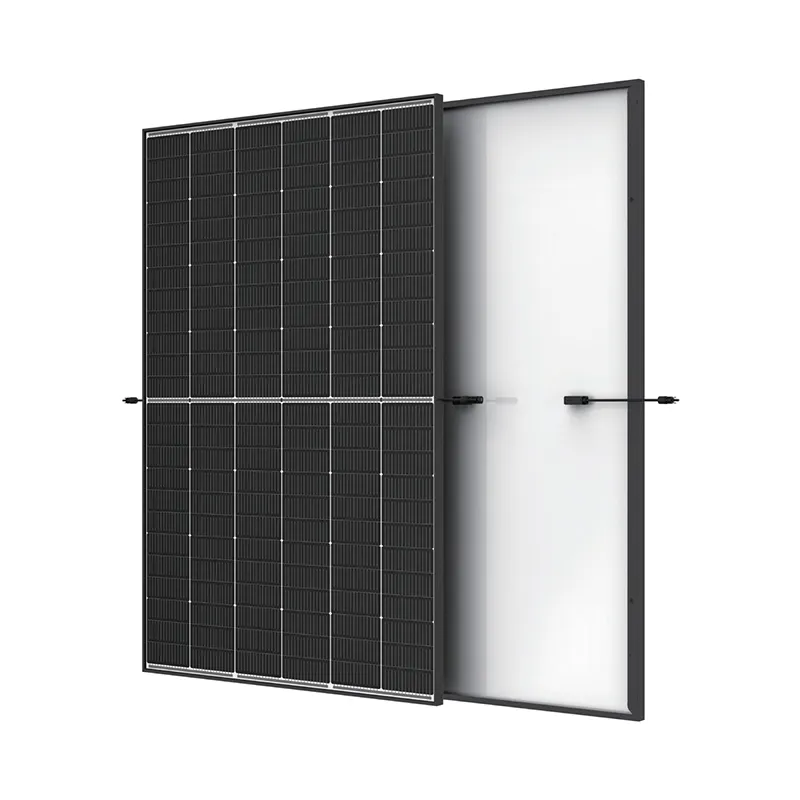
| Panel Type | Monocrystalline (320W) | $200 - $300 per panel |
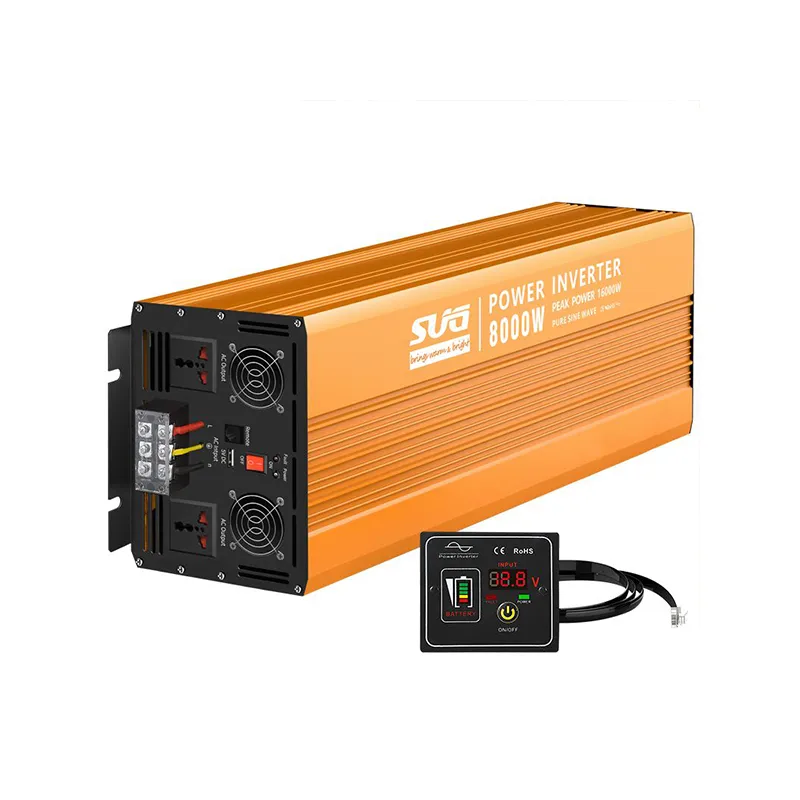
| Inverter | String Inverter | $800 - $1,200 total |
| Installation | Roof Mounting, Electrical | $1,000 - $2,000 |
| Average System Size | 5 kW (approx. 15-16 panels) | $10,000 - $15,000 total |
| Warranty | 25 Years Performance Guarantee | Included |
Mini takeaway: Price varies due to materials, installation complexity, and system scale — it’s never “one size fits all.”
Where Are Solar Panels for Houses Making the Biggest Impact?
Solar panels aren’t just for sunny California rooftops. They’re a lifeline in many contexts:
- Rural Electrification in Developing Nations: Solar home systems provide light, phone charging, and more, transforming daily life in remote villages.
- Urban Energy Independence: Homeowners in Europe and North America are reducing bills with rooftop systems, notably in places with high electricity prices.
- Disaster Relief Efforts: Portable solar units help power emergency shelters post-hurricane or earthquakes, enabling communications and medical equipment.
- Industrial Zones Off the Grid: Mining, agriculture, and remote industrial sites use solar for sustainable power without relying on costly diesel generators.
Mini takeaway: Solar panel pricing critically affects accessibility across diverse settings worldwide — from modern cities to last-mile villages.
What Benefits Can Homeowners Expect Long-Term?
Cost savings, for one, ranks high. The average homeowner reduces electric bills by 50% or more over years. But it’s more than money. Solar panels bring sustainability, a cleaner environment, and a sort of quiet pride in self-reliance.
Emotionally, families feel safer with consistent power, especially in regions prone to outages. From a broader perspective, investing in solar appeals to the innovators, the early adopters who want to make a difference one rooftop at a time. It’s trust in a renewable future.
Looking Ahead: Future Trends in Solar Panel Pricing and Technology
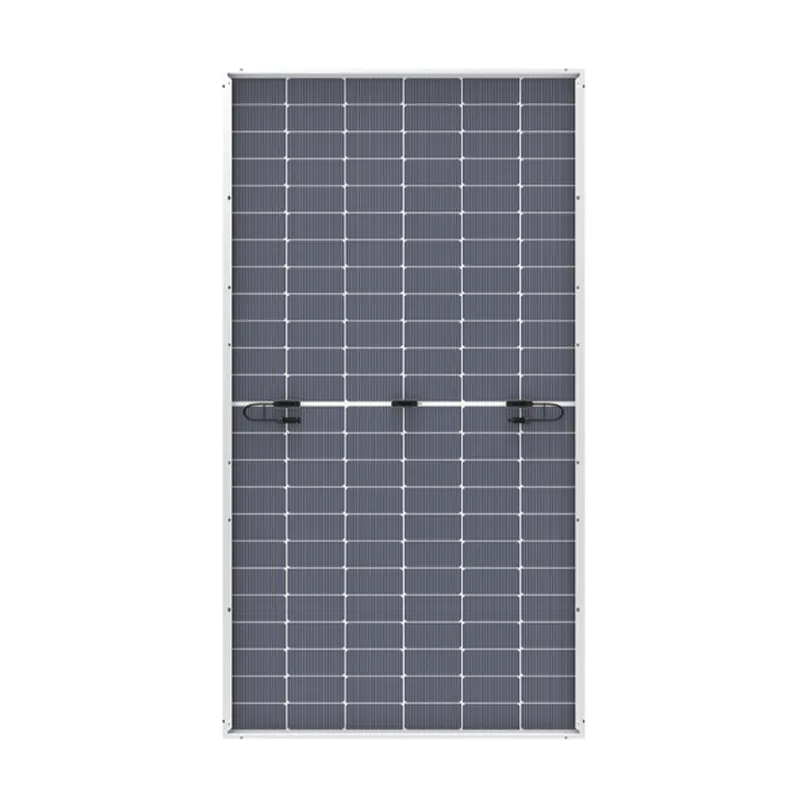
The future is flashier and smarter. Innovations like bifacial solar panels, better energy storage, and AI-driven energy management systems promise better output and manageable costs. Policies are evolving too, pushing for greener grids and easier financing.
New materials like perovskite cells might soon bring cheaper, flexible panels, changing the whole pricing game. Oddly enough, as solar tech gets smarter, pricing becomes more tailored and accessible — not just a lump sum.
Challenges and How They're Being Overcome
Common hurdles include upfront cost, inconsistent quality, and regulatory hurdles. However, expert groups and NGOs are working together to create financing models that reduce initial barriers. Bulk purchases and community solar farms also mitigate cost obstacles.
Moreover, better certification and warranties help ensure buyers aren’t stuck with low-quality panels. It’s no longer just about price but total value delivered.
| Vendor | Average System Price (5kW) | Warranty | Installation Quality |
|---|---|---|---|
| SunPower | $14,000 approx. | 25 years | Excellent |
| Tesla Solar | $12,500 approx. | 25 years | Very Good |
| Local Installer A | $10,000 approx. | 10 years | Good |
FAQ: Your Curiosities on Solar Panel for House Price, Answered
Q: What factors most influence the total cost of a home solar panel system?
A: Aside from the panel price itself, installation complexity, inverter quality, local permits, and roofing conditions weigh heavily. Incentives in your area can make a big difference too.
Q: How long does it take to recoup the investment through energy savings?
A: Typically, homeowners see payback within 6 to 10 years depending on energy prices and system size. After that, it’s mostly pure savings.
Q: Are cheaper solar panels a bad idea?
A: Not always, but beware of very low-cost panels without warranties or certification. They might fail early or degrade faster, hurting your overall investment.
Q: Can solar panels increase my home’s resale value?
A: Many studies indicate they do, by up to 4% of home value, especially if energy savings potential is clear to buyers.
Q: Is financing available for residential solar installations?
A: Yes — many vendors and banks offer loans, leases, or power purchase agreements that lower initial out-of-pocket expenses.
Final Thoughts and Next Steps
In the end, solar panel for house price is more than a sticker number. It’s a gateway to cleaner living, energy control, and future-ready homes. Getting the pricing right—knowing what impacts it, what to watch out for, and what innovations lie ahead—lets you make smart decisions that pay off for years.
If you’re curious or ready to explore your options, do check out solar panel for house price resources and offers from trusted providers.
References:
-
Designing a Modern Home Roof Made Out of Solar Panels GuideNewsApr.16,2026
-
Guide to the Size of 150 Watt Solar Panel for Your ProjectNewsApr.09,2026
-
Understanding the Dimensions and Applications of a 200W Solar PanelNewsApr.07,2026
-
Understanding the Dimensions and Factors of a 330W Solar Panel SizeNewsApr.04,2026
-
Understanding the Size and Dimensions of a 4kW Solar Panel System for Your HomeNewsMar.31,2026
-
Comprehensive Guide to Sizing Your Solar System for Optimal Energy ProductionNewsMar.28,2026