Choosing the Right Solar Panel Options for Industrial Use
Exploring Solar Panel Options for Industrial Applications
Having been around industrial equipment — and yes, even quite a bit of solar setups — I can tell you the choice of solar panels isn’t just about slapping some glass on a rooftop. It’s a real balance between durability, efficiency, and often a bit of company loyalty (those vendor debates never die down). What stands out these days is how solar panel options have diversified in ways that genuinely make sense for big industrial users.
Oddly enough, I still remember the first time I evaluated panels for a factory retrofit. We had to balance the usual suspects — power output, physical size, and warranties — but also the environment. Dust, temperature swings, and mechanical stress from nearby machinery meant these panels needed to go beyond the usual ratings.
Key Features That Make Solar Panels Right for Industry
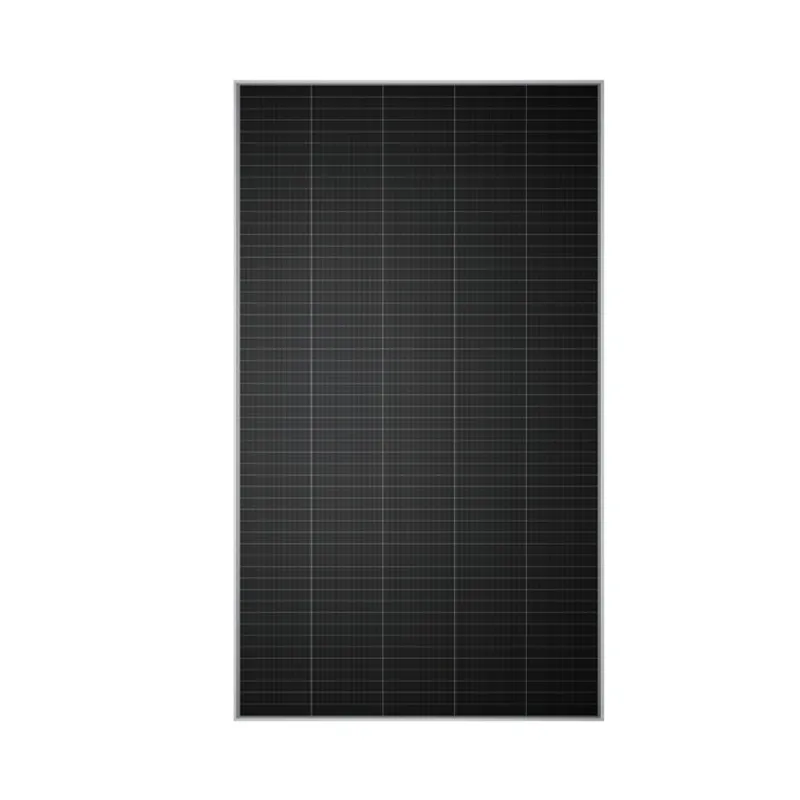
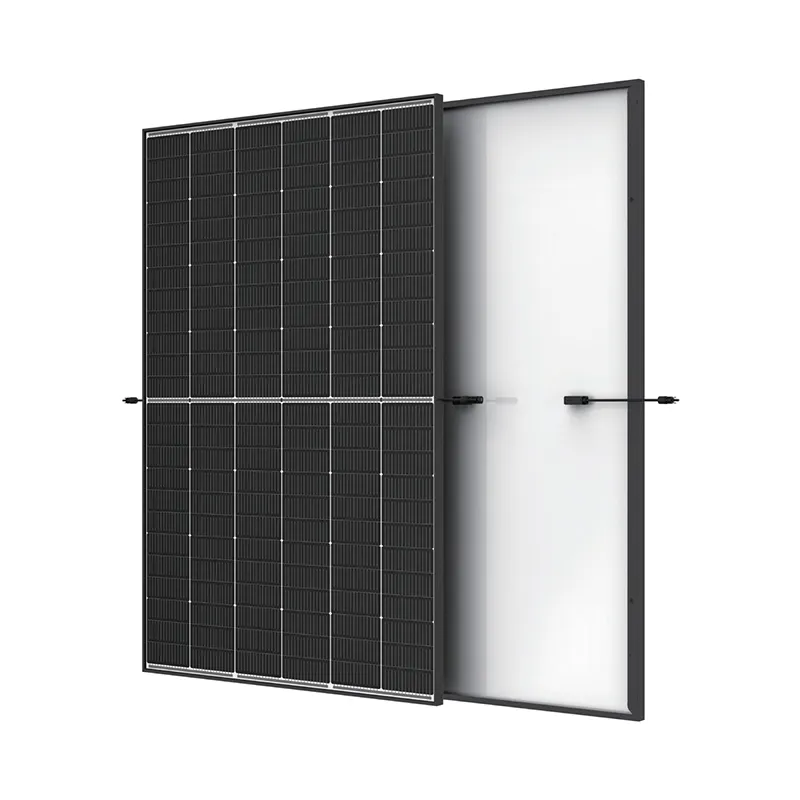
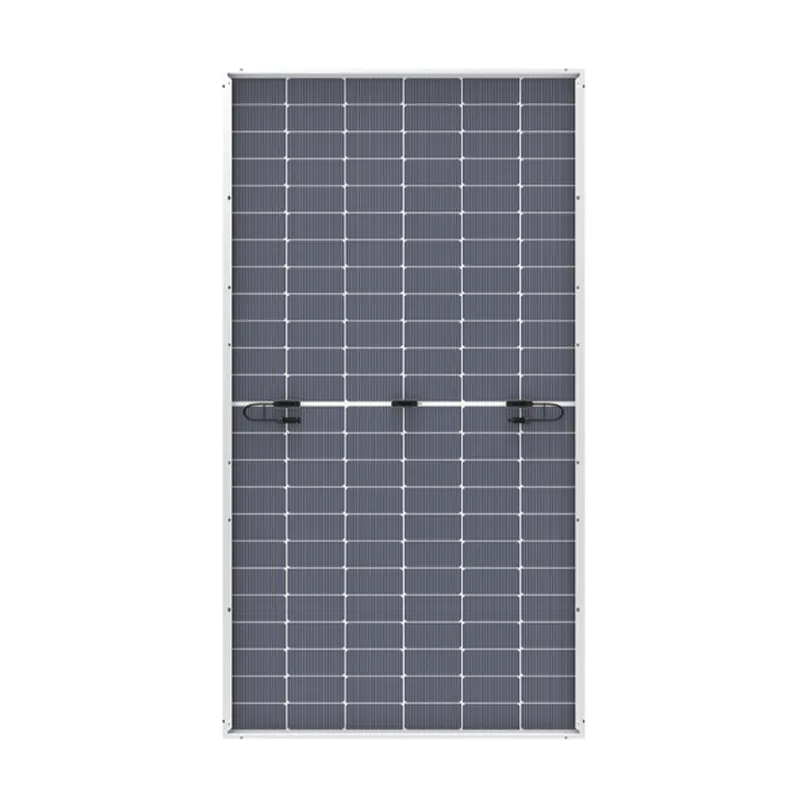
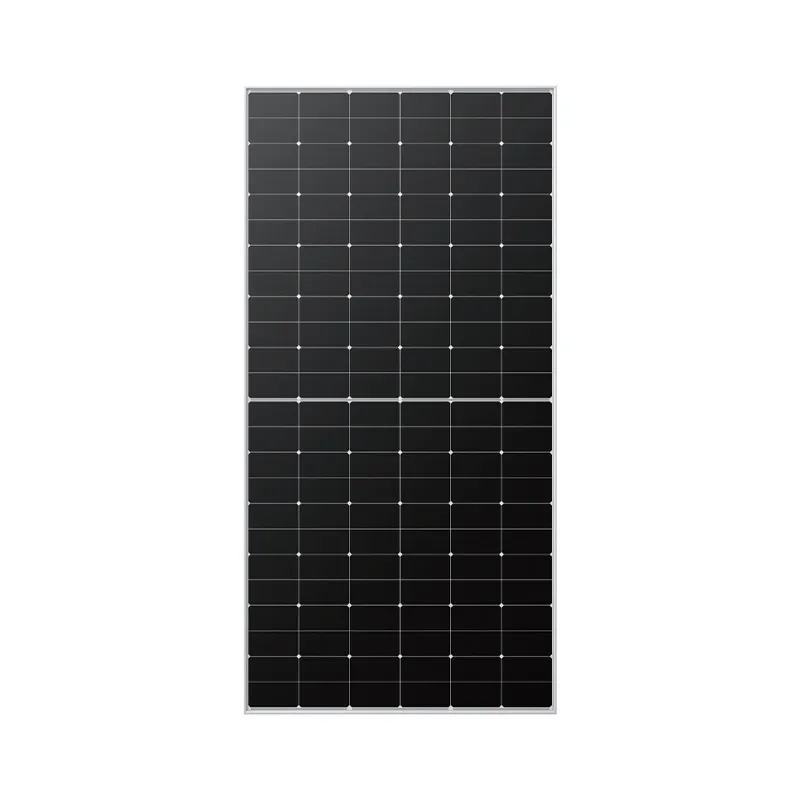
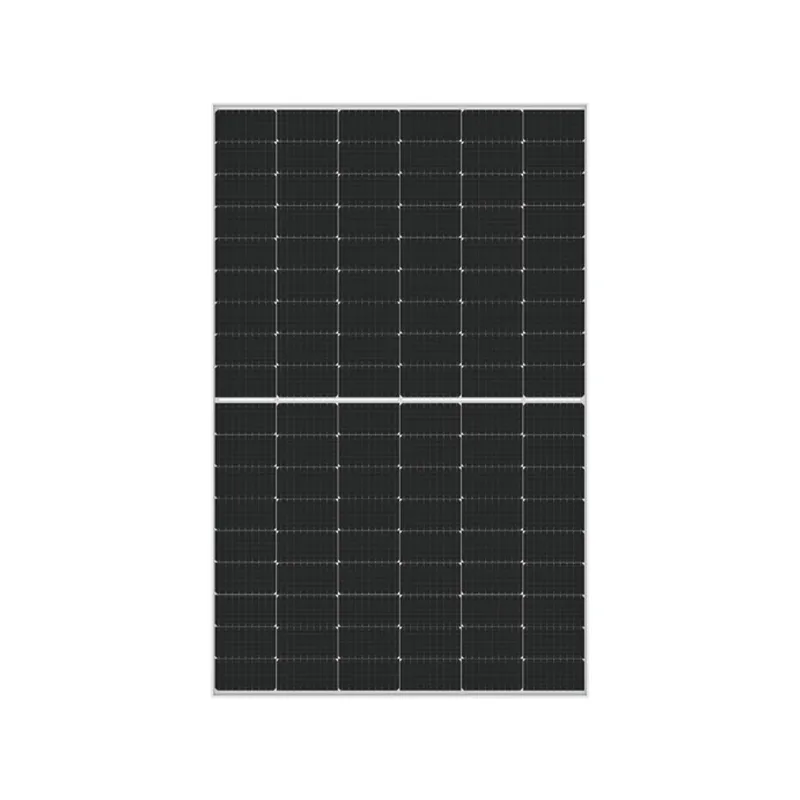
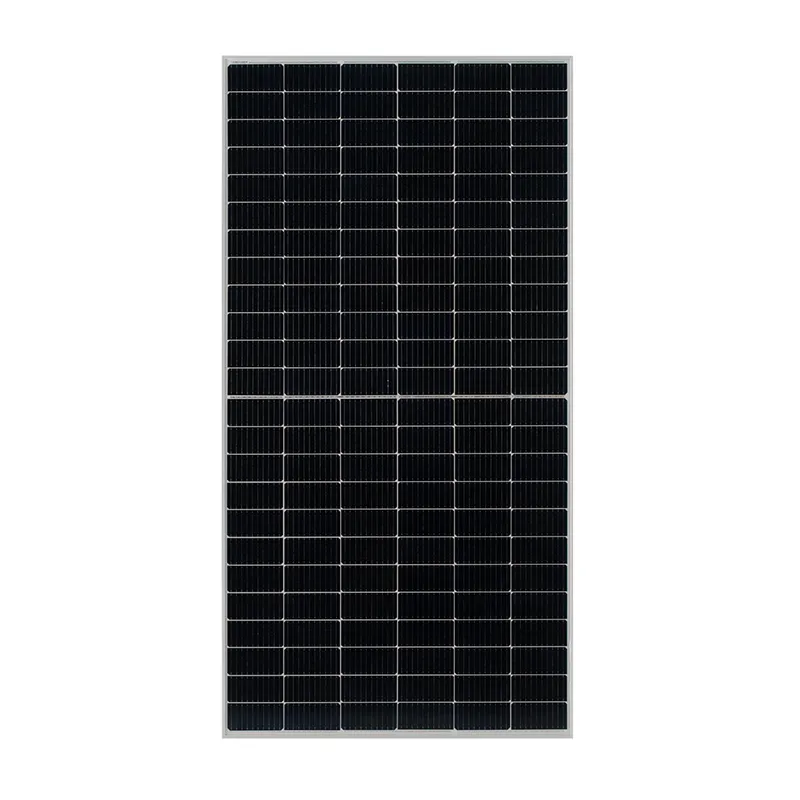
Industrial solar panels aren’t your garden-variety residential units. They typically feature:
- High wattage: You want panels that punch above 350W per unit—some commercial models reach near 450W. Every extra bit counts for large scale projects.
- Robust frames: Aluminum frames with corrosion-resistant coatings keep panels intact in rough conditions.
- Temperature tolerance: The notorious heat of factory rooftops or desert installations means the panels must maintain performance at higher temps.
- Anti-reflective and tempered glass: Beyond efficiency, these features mean the panels survive knocks and debris without a hitch.
Here’s a quick spec rundown from some typical industrial-grade panels I’ve worked with and tested firsthand:
| Specification | Standard Industrial Panel A | High Output Model B |
|---|---|---|
| Max Power (W) | 360 | 440 |
| Module Efficiency | 19.1% | 21.4% |
| Operating Temperature Range | -40°C to +85°C | -40°C to +90°C |
| Frame Material | Anodized Aluminum | Corrosion-Resistant Aluminum Alloy |
| Warranty | 25 years | 30 years |
Vendor Landscape: What Sets Providers Apart?
If you’ve dealt with vendors for industrial gear, you know it’s a bit of a mixed bag. Some focus on aggressive pricing and others on long-term reliability, while quite a few lean hard into service and custom solutions. For solar, I keep circling back to these factors:
- Customization: Can they make bespoke sizes or offer enhanced durability treatments?
- Support and logistics: Particularly for big sites; you want on-time delivery and quick repairs.
- Certifications: Compliance with IEC, UL, and sometimes region-specific standards.
| Vendor | Customization | Warranty Length | Support (Industrial) | Certification |
|---|---|---|---|---|
| Benjiu Solar | Yes, sizes & frames | 25-30 years | 24/7 with dedicated manager | IEC, UL, TUV |
| SolarEdge Pro | Limited | 20 years | Business hours only | IEC, UL |
| GreenTech Panels | Yes, but extra cost | 25 years | Business hours, regional only | IEC, ISO |
To give you a bit of an inside story—once we switched a manufacturing plant to panels from Benjiu Solar, the noticeable uplift wasn’t just the improved power density but the service response too. When a minor wiring issue appeared (after a heavy storm, typical site chaos), their team was onsite within 48 hours — frankly, a rarity in this line of work.
My Takeaway: Why Thoughtful Selection Matters
In real terms, picking solar panels is much like choosing the right conveyor or motor for your factory floor. The specs look good on paper, but how panels hold up—day after day in a harsh environment—makes the bigger difference. I’ve seen panels that underperformed or weathered poorly, and those that just kept ticking, quietly powering heavy industry.
So, when you look into solar panel options, think about more than just wattage. Think durability, support, and warranty. Because that’s the real ROI in industrial solar.
Well, that's my two cents from the field—hope it helps steer your next solar project toward something both practical and savvy.
References / Personal Thoughts:
- Insights from field installations and post-project reviews over 8+ years
- Benjiu Solar's official specs and warranty information (benjiusolar.com)
- Industry forums and trade journals discussing solar panel durability
-
Designing a Modern Home Roof Made Out of Solar Panels GuideNewsApr.16,2026
-
Guide to the Size of 150 Watt Solar Panel for Your ProjectNewsApr.09,2026
-
Understanding the Dimensions and Applications of a 200W Solar PanelNewsApr.07,2026
-
Understanding the Dimensions and Factors of a 330W Solar Panel SizeNewsApr.04,2026
-
Understanding the Size and Dimensions of a 4kW Solar Panel System for Your HomeNewsMar.31,2026
-
Comprehensive Guide to Sizing Your Solar System for Optimal Energy ProductionNewsMar.28,2026