Buy Solar Panels Wholesale - Affordable, Reliable Bulk Solar Supply
Why Buying Solar Panels Wholesale Matters Globally
Solar energy has surged from a niche technology to a cornerstone of global sustainability efforts. If you’ve been reading recent climate reports or the United Nations climate initiatives, you know how vital renewable energy is for reducing carbon footprints worldwide. But here’s the thing: meeting these ambitious goals isn’t just about better tech—it’s about scaling up access, affordability, and logistics. This is where buying solar panels wholesale becomes a game changer. Whether for big industrial projects or community solar farms, wholesale purchasing slashes costs and ensures consistent supply, making clean energy accessible to more places and people.
Ordinary consumers might not notice wholesale markets, but industries, governments, and NGOs rely heavily on bulk buying to drive down expenses and accelerate solar deployment. It’s a quiet revolution, really. Also, the benefits go beyond just economics: buying wholesale promotes sustainability by enabling large-scale installations that reduce reliance on fossil fuels.
Mini takeaway: Buying solar panels wholesale isn’t just a business move; it’s crucial for making solar energy practical and affordable worldwide, helping tackle pressing climate challenges.
Global Context and Challenges in Solar Panel Procurement
According to World Bank data, renewable energy share in global electricity generation reached nearly 29% in 2022, with solar as one of the fastest growing segments. Across continents—from Asia’s rapid industrialization to Africa’s electrification push—solar panels are in hot demand.
But there’s a catch: the panels themselves can be expensive, and freight, customs duties, and market fragmentation add hurdles. That’s why bulk purchasing remains essential. However, sourcing wholesale often comes with challenges like supplier reliability, quality assurance, and timely delivery. These barriers especially affect developing regions that desperately need affordable solar energy but lack streamlined procurement channels.
So wholesale buying addresses the pricing problem, but it also depends on firm infrastructure and trustworthy vendors. Problems like counterfeit panels or inconsistent warranties sometimes shake buyer confidence — knocking back progress in certain markets. Businesses and governments that master wholesale procurement strategies often gain a competitive edge—both economically and environmentally.
Mini takeaway: While wholesale buying can cut costs and scale solar use, logistical and quality risks remain key challenges globally.
What Does Buying Solar Panels Wholesale Really Mean?
In simple terms, buying solar panels wholesale means purchasing large quantities of solar photovoltaic (PV) panels directly from manufacturers or authorized distributors at a significantly reduced price per unit compared to retail. It’s most common for businesses, utilities, NGOs, and large-scale installers looking to equip vast arrays rather than individuals outfitting a single rooftop.
This bulk approach leverages economies of scale—think: the more panels bought, the lower the price per watt produced. It also streamlines supply chains by reducing intermediaries and transaction costs. That’s vital when installing solar in remote locations or disaster zones, where time and budget constraints exist.
Incidentally, renewable energy NGOs working in remote villages often pool wholesale orders internationally, combining funds for a cost-efficient supply that otherwise might be impossible for a single small project.
Mini takeaway: Wholesale solar buying mainly means bulk purchasing enabling affordability, reliability, and fast deployment on a large scale.
Key Factors When Buying Solar Panels Wholesale
1. Quality & Durability
Solar panels are long-term investments expected to operate reliably for 25 years or more. When buying wholesale, ensuring product quality is vital—look for panels with certifications like IEC 61215 for durability and warranties guaranteeing at least 25 years of performance. Durability affects not just uptime but also maintenance costs and project reputation.
2. Cost Efficiency & Pricing Structure
The whole point of wholesale purchasing is cost savings. Vendors typically offer volume discounts and flexible payment terms. However, beware of hidden costs like shipping, customs duties, and local taxes. A panel that’s cheap upfront might not be the smart buy if transport costs add a premium.
3. Scalability & Supply Chain Stability
Wholesalers must demonstrate reliable production capacity and consistent delivery schedules. Nothing ruins a solar project faster than supply delays or insufficient quantities, especially for mega utility-scale installations or time-sensitive humanitarian deployments.
4. Technical Specifications
Understanding specs—efficiency ratings, temperature coefficients, power output under varied light conditions—helps buyers select optimal panels for their climate and use case. For instance, high-temperature coefficients matter in hot regions; better efficiency panels fit constrained spaces.
5. Vendor Support & After-Sales Service
Good vendors provide technical advice, warranty management, and sometimes installation support. Since wholesale buyers often operate far from manufacturers, this support can be indispensable for troubleshooting.
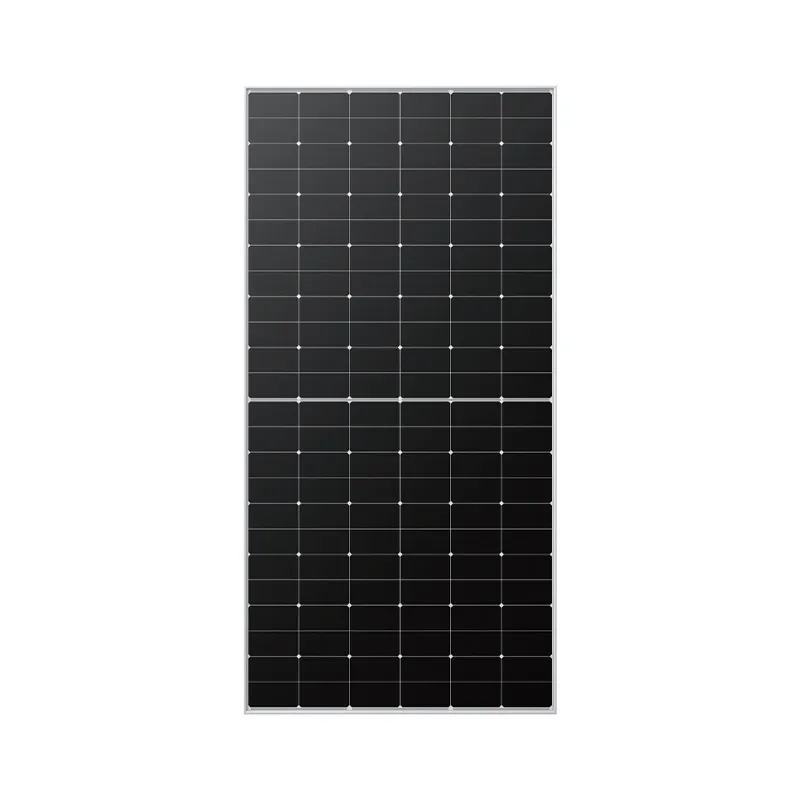
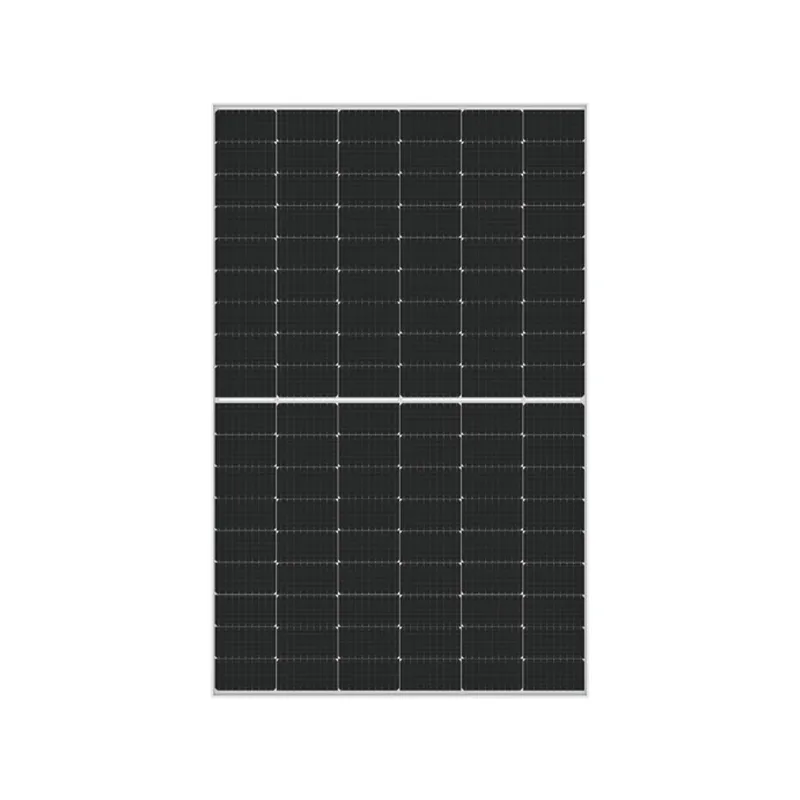
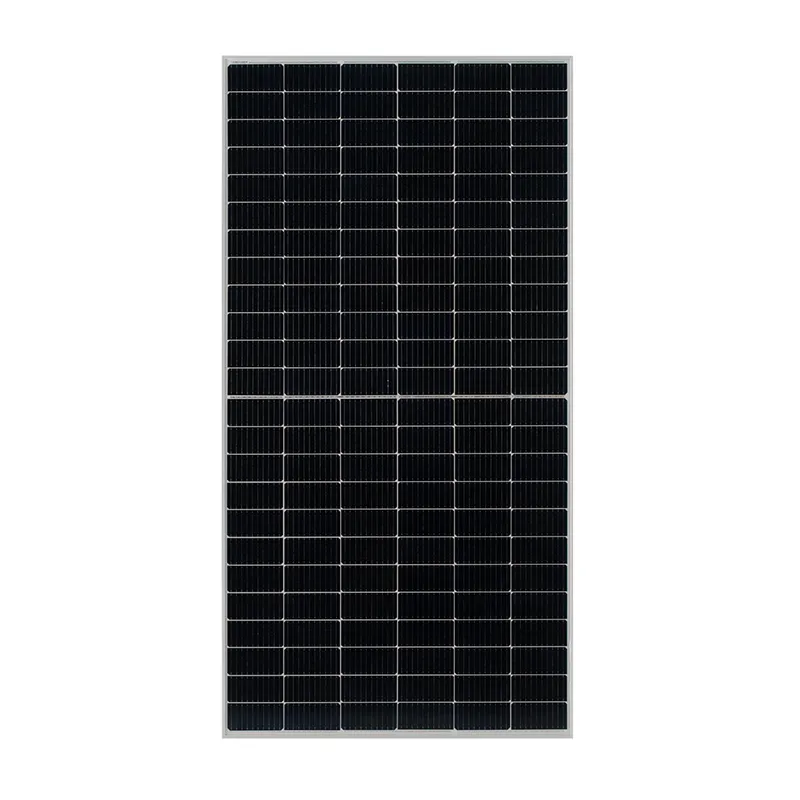
| Specification | Value | Notes |
|---|---|---|
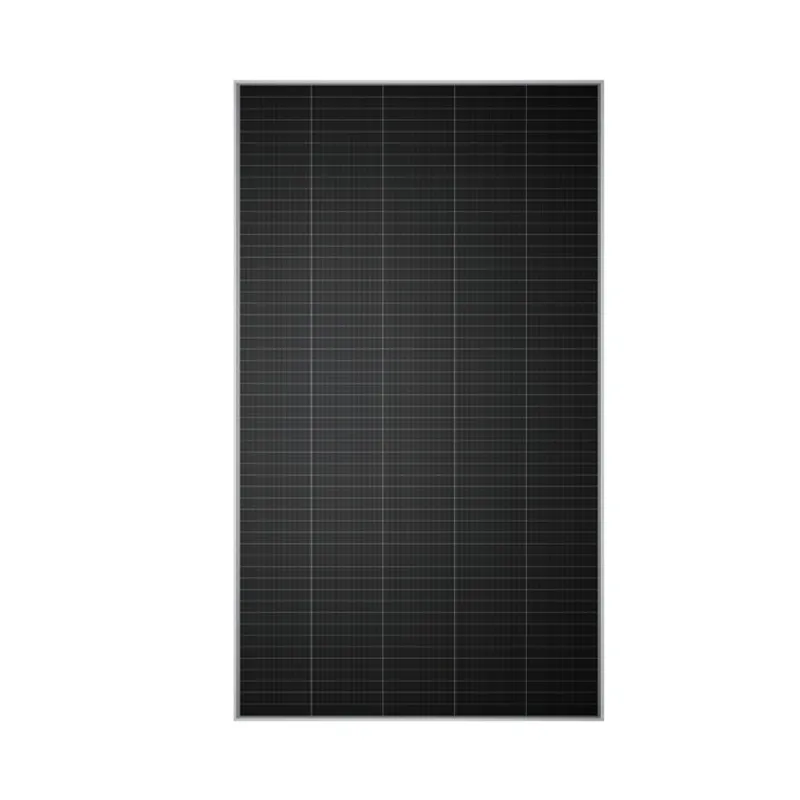
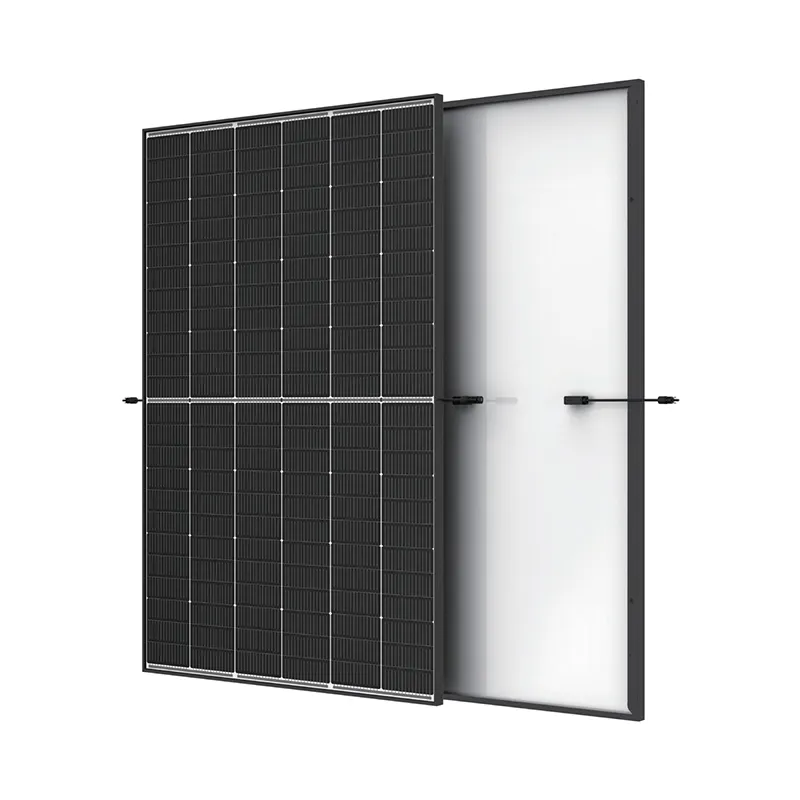
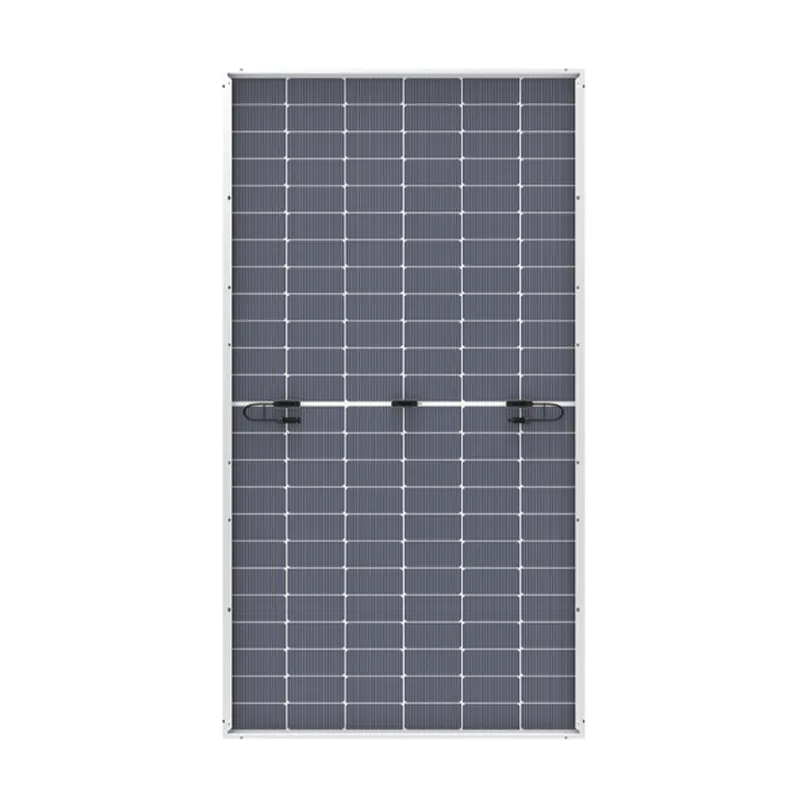
| Power Output | 400 W | Standard for commercial/industrial use |
| Efficiency | 21.2% | Higher efficiency panels save space |
| Temperature Coefficient | -0.36%/°C | Performance drops less in heat |
| Warranty | 25 years product & performance | Typical standard for longevity |
| Dimensions | 2m x 1m approx. | Fits standard racking systems |
Mini takeaway: Focusing on quality, cost, scalability, specs, and vendor support makes wholesale solar purchases smart and future-proof.
Global Applications & Use Cases for Wholesale Solar Panel Buying
- Utility-scale solar farms: Countries like India and the US use wholesale solar to power huge solar parks feeding national grids.
- Emerging markets: Wholesale buying helps electrify rural Africa and Southeast Asia by NGOs and governments deploying mini-grids.
- Disaster relief: Rapid deployment of solar microgrids after hurricanes or earthquakes relies on bulk solar supplies ordered wholesale for speed and cost.
- Industrial zones: Remote mines or manufacturing plants install wholesale-bought solar to reduce diesel use and increase sustainability.
- Residential developers: Large housing projects integrate rooftop solar at scale by sourcing panels in bulk to reduce per-home costs.
Take the case of a nonprofit working in rural Kenya, which pooled funds with other groups to buy solar panels wholesale, enabling electrification of dozens of villages — a project that would’ve been impossible buying in small quantities alone.
Mini takeaway: Whether powering cities or remote villages, wholesale solar panel buying powers projects big and small across diverse contexts.
Advantages and Long-Term Value of Buying Solar Panels Wholesale
At face value, the main lure is, of course, reduced cost per watt. But dig a little deeper, and the benefits expand:
- Sustainability: Enables larger clean energy projects, reducing fossil fuel consumption.
- Reliability: Buying from reputable wholesalers ensures consistent quality and technical support.
- Speed: Bulk delivery helps accelerate project timelines, crucial in time-sensitive situations.
- Social Impact: Increases energy access, improving healthcare, education, and economic opportunities.
- Innovation: Larger orders encourage vendors to offer cutting-edge tech or tailored solutions.
Emotionally, it instills trust and hope in communities transitioning to clean energy — the dignity of power, independence, and safety. Frankly, knowing your solar panels came from a reliable wholesale source makes the whole investment feel solid, not just another gamble.
Mini takeaway: Wholesale solar buying isn’t just a bargain; it’s a foundation for sustainable, reliable, and meaningful energy transformation.
Future Trends & Innovations in Buying Solar Panels Wholesale
The solar industry never stands still. Emerging developments impacting wholesale markets include:
- Next-gen panel materials: Perovskite and tandem cells promise higher efficiency and lighter panels.
- Digitally enabled supply chains: Blockchain and IoT improve tracking and authenticity of wholesale shipments.
- Automation: Robots in manufacturing and logistics reduce costs and speed delivery.
- Green policies: Governments ramp up incentives for bulk renewable energy procurement, especially post-COP conferences.
- Energy storage integration: Wholesale solar buyers increasingly bundle batteries for end-to-end clean energy solutions.
Indeed, solar panel wholesale buying will likely become more tech-driven and transparent, helping new markets leapfrog expensive infrastructure hurdles.
Mini takeaway: Innovations in materials, logistics, and policies will make buying solar panels wholesale smarter, faster, and greener.
Challenges & Solutions in Wholesale Solar Panel Procurement
Despite the promise, wholesale solar buying faces bumps:
- Supply chain disruptions: COVID-19 and geopolitical tensions have caused delays and price spikes.
- Counterfeit products: Risk increases with market fragmentation and poor regulation.
- Complex import/export rules: Logistical red tape can stall projects.
- Quality inconsistency: Not every panel matches specs—which matters big for ROI.
Experts recommend:
- Partnering with certified suppliers and seeking documentation.
- Using third-party testing labs to verify products pre-shipment.
- Leveraging centralized procurement platforms with reputational vetting.
- Engaging local governments early to facilitate customs clearance.
Luckily, many wholesalers now offer warranty-backed products with quality guarantees and install certification, which helps build trust over time.
Mini takeaway: Challenges remain, but proactive strategies and trusted vendors can smooth wholesale solar panel sourcing.
FAQ: Frequently Asked Questions About Buying Solar Panels Wholesale
Q1: Is buying solar panels wholesale always cheaper than retail?
A: Generally, yes, wholesale purchases come at a lower unit price thanks to volume discounts. However, additional costs for shipping, customs, and storage may offset savings if not carefully managed.
Q2: How do I ensure the quality of wholesale solar panels?
A: Look for internationally recognized certifications like IEC 61215 and 61730, request sample testing, and buy from reputable vendors offering solid warranties.
Q3: Can small businesses or NGOs participate in wholesale solar buying?
A: Absolutely. Many small organizations join buying groups or cooperatives to pool demand and access wholesale pricing that would be impossible individually.
Q4: What’s a typical lead time when ordering solar panels wholesale?
A: Lead times vary between manufacturers but typically range from 4 to 12 weeks, depending on order size and current supply chain conditions.
Q5: Are there sustainable or ethical considerations in wholesale solar procurement?
A: Yes, many buyers now prioritize suppliers with transparent supply chains, ethical labor standards, and environmentally friendly manufacturing processes.
Conclusion: Embracing the Long-Term Value of Buying Solar Panels Wholesale
Buying solar panels wholesale is more than a savvy purchasing choice—it's an enabling strategy that helps accelerate global solar adoption. By combining cost savings, quality assurance, and scalable supply, wholesale procurement plays a pivotal role in building a cleaner, more sustainable energy future. For anyone looking to expand solar capacity—whether an installer, NGO, or developer—understanding this process pays dividends in project success and social impact.
Ready to explore wholesale solar options? Visit https://www.benjiusolar.com to learn how you can power your projects efficiently and affordably.
| Vendor | MOQ (Minimum Order Quantity) | Average Price Per Panel | Warranty | Certification | Global Shipping |
|---|---|---|---|---|---|
| SolarTech Ltd. | 100 panels | $160 | 25 years | IEC & UL | Yes |
| GreenSolar Co. | 50 panels | $175 | 20 years | IEC only | Limited regions |
| Benjiu Solar | 30 panels | $155 | 25 years | IEC & UL & TUV | Worldwide |
References:
-
Designing a Modern Home Roof Made Out of Solar Panels GuideNewsApr.16,2026
-
Guide to the Size of 150 Watt Solar Panel for Your ProjectNewsApr.09,2026
-
Understanding the Dimensions and Applications of a 200W Solar PanelNewsApr.07,2026
-
Understanding the Dimensions and Factors of a 330W Solar Panel SizeNewsApr.04,2026
-
Understanding the Size and Dimensions of a 4kW Solar Panel System for Your HomeNewsMar.31,2026
-
Comprehensive Guide to Sizing Your Solar System for Optimal Energy ProductionNewsMar.28,2026