Benefits and Applications of Solar Panels On Rubber Roof for Commercial Buildings | Benjiu Solar
Solar Panels On Rubber Roof is a key solution in the industry, specifically within commercial and industrial roofing sectors. This article explores how https://www.benjiusolar.com supports professionals with durable, high-performance products, and explains why this product is an ideal choice for businesses in these sectors.
Table of Contents
- Solar Panels On Rubber Roof Overview
- Benefits & Use Cases of Solar Panels On Rubber Roof
- Cost, Maintenance & User Experience
- Sustainability & Market Trends
Solar Panels On Rubber Roof Overview
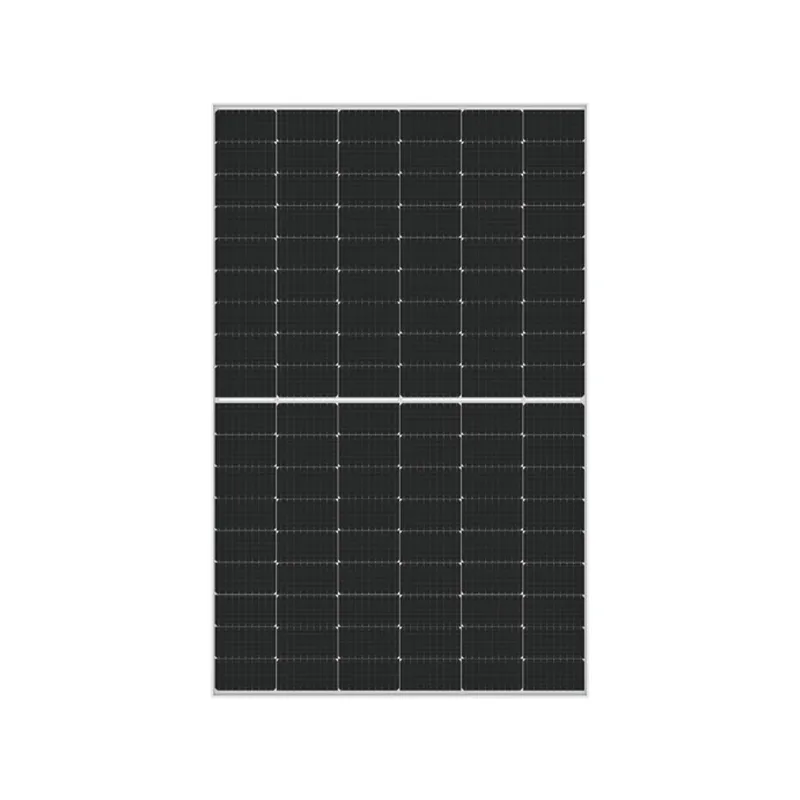
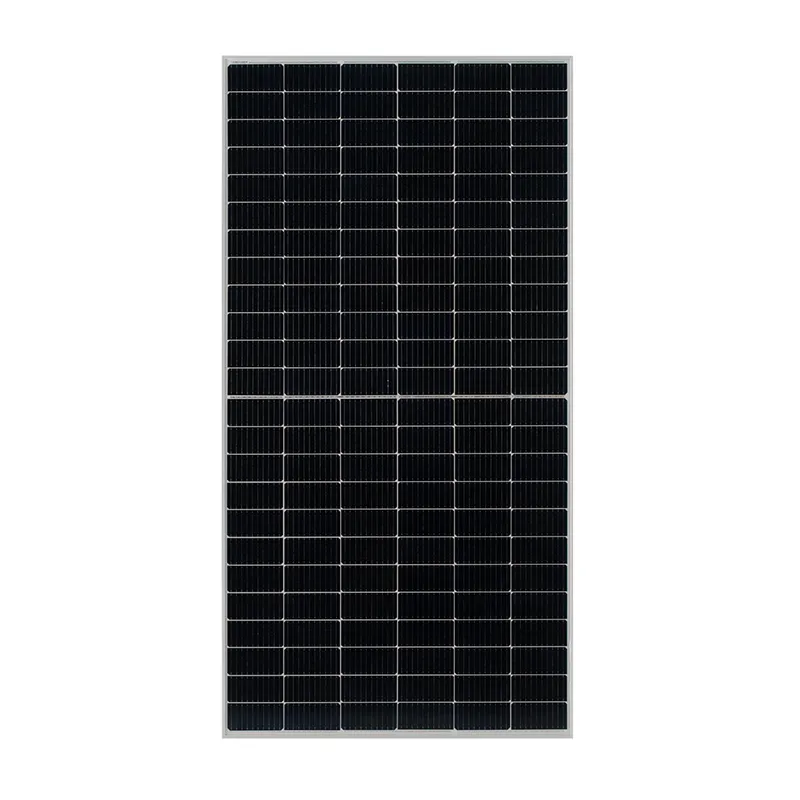
Solar panels installed on rubber roofs represent a smart adaptation for buildings where traditional attachment methods might risk damaging the roofing membrane. When I first looked into this application, what stood out was how these systems work with EPDM and TPO rubber materials, ensuring a waterproof, robust installation that doesn't compromise the roof's integrity. Solar panels on rubber roofs are typically secured using ballast mounting or specialized adhesive techniques, avoiding penetrations that could cause leaks.
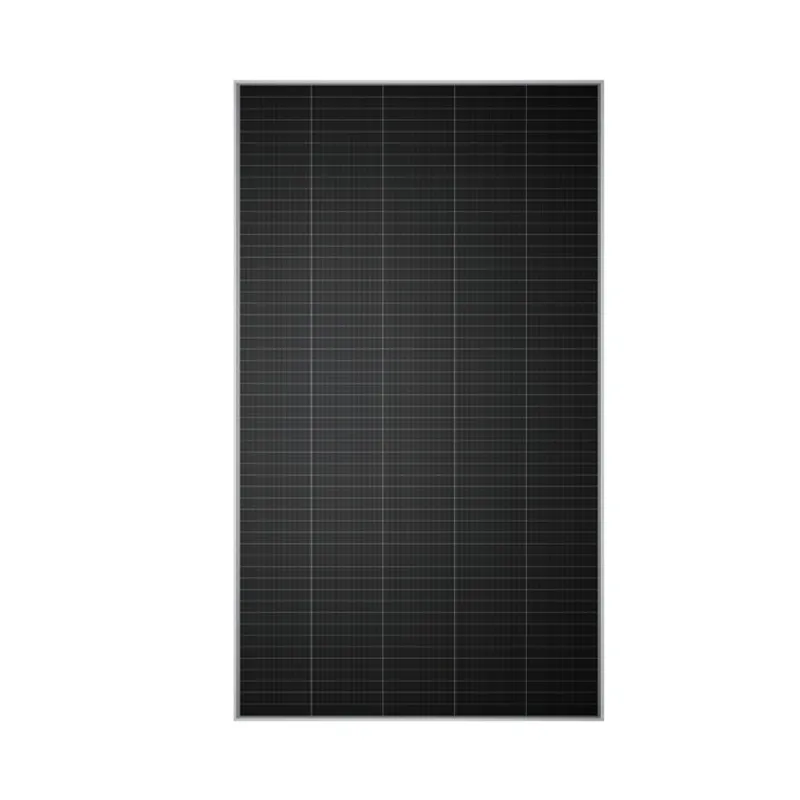
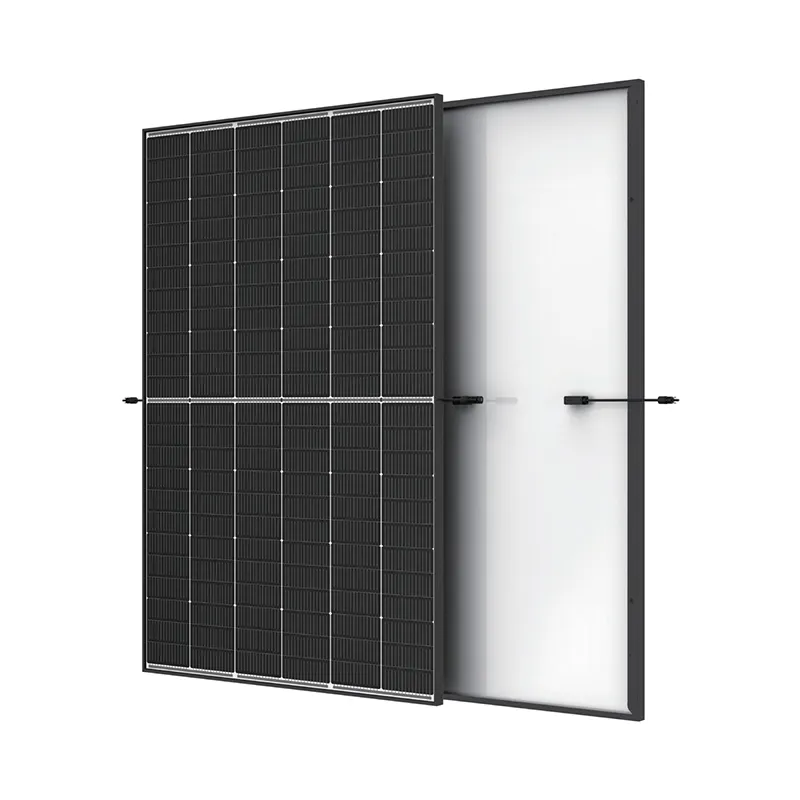
- Solar panels on rubber roofs are photovoltaic modules mounted in ways that preserve the underlying membrane.
- Technical specs often include corrosion-resistant mounting hardware and flexible racking systems designed for minimal roof load.
- A case study from a commercial warehouse showed a 15% increase in energy output within the first year compared to older panel types.
Benefits & Use Cases of Solar Panels On Rubber Roof
It’s honestly impressive how solar panels tailored for rubber roofs have opened doors for industries that traditionally hesitated to invest in solar tech – partly because of roof concerns. Manufacturing plants, cold storage warehouses, and even large retail outlets benefit because the installation respects the delicate membrane while delivering consistent power generation. This product boasts low wind load design features and easy adaptability to the flexible surfaces of rubber roofs, which gives it an edge over more rigid systems.
- Common use cases include flat or low-slope commercial roofs where rubber membranes are common.
- Competitive advantages at Benjiu Solar involve lightweight frames and quick installation packages reducing labor costs.
- These panels demonstrate excellent performance in harsh weather – a big plus for businesses in variable climates.
| Specification | Details |
|---|---|
| Panel Type | Monocrystalline, high-efficiency |
| Mounting Method | Ballast and adhesive mounting compatible |
| Dimensions | 65” x 39” x 1.5” (1650mm x 1000mm x 40mm) |
| Weight | 20 kg (44 lbs) per panel |
| Power Output | Up to 400 W per panel |
| Warranty | 25 years performance guarantee |
Cost, Maintenance & User Experience
When talking dollars and sense, it’s vital to consider the total cost of ownership for solar panels on rubber roofs. Thanks to innovative mounting designs, installation is often quicker and less invasive, which trims labor expenses. Pair this with low maintenance — you don’t have to worry about roof membrane damage or frequent repairs — and your ROI starts looking pretty attractive. Customers in the logistics sector have reported smooth projects and energy cost reductions up to 30% in the first two years.
- Initial investment is competitive compared to traditional panels with roof-penetrating mounts.
- Minimal roof disturbance means lower risk and insurance premiums.
- User feedback often highlights the ease of integration with existing building management systems.
Sustainability & Market Trends
It’s no secret that sustainability is driving the solar market forward, especially for B2B sectors aiming to meet tougher regulations and environmental pledges. Solar panels on rubber roofs offer a way to green up aging infrastructure without extensive retrofitting. Increasing government incentives — from tax credits to feed-in tariffs — also make these installations financially viable. Oddly enough, the growth is rapid in industries from manufacturing to large-scale distribution, likely because of the low-risk installation on sensitive roofing materials.
| Vendor | Panel Efficiency | Warranty | Roof Compatibility | Price Range |
|---|---|---|---|---|
| Benjiu Solar | 20–22% | 25 years | Rubber & Other Membranes | $$$ |
| Vendor B | 18–20% | 20 years | Traditional Metal Roofs | $$ |
| Vendor C | 21% | 15 years | Various Roof Types | $$$$ |
Frequently Asked Questions about Solar Panels On Rubber Roof
- What is Solar Panels On Rubber Roof and how does it work?
- Solar panels on rubber roofs are photovoltaic systems installed in a way that protects the rubber membrane typically found on commercial flat roofs. They work by capturing sunlight and converting it into electricity, with mounting systems designed to avoid roof penetrations, thereby maintaining waterproof integrity.
- What are the main benefits of using Solar Panels On Rubber Roof in industrial applications?
- Benefits include preserving the roofing membrane, reducing installation and maintenance costs, and improving energy efficiency. They are especially valued for durability, minimal roof impact, and suitability for large flat commercial rooftops.
- How does Solar Panels On Rubber Roof compare to traditional alternatives?
- Unlike traditional systems that require penetrating the roof for mounts, these panels use ballast or specialized adhesive systems, which lower the risk of leaks and roof damage. The technology also lends itself to faster installation and often better compatibility with modern roofing materials.
- What industries can benefit most from Solar Panels On Rubber Roof implementation?
- Industries with large flat commercial buildings such as manufacturing, warehousing, retail, and cold storage sectors stand to gain the most. These panels help reduce energy expenses and meet sustainability goals without risking roof damage.
Conclusion on Solar Panels On Rubber Roof from china
To wrap it up, Solar Panels On Rubber Roof offer an efficient, roof-friendly, and cost-effective option for businesses looking to embrace sustainable energy without compromising their infrastructure. The innovations at Benjiu Solar clearly put this technology in a strong position for commercial investors considering renewable installations. If you’re thinking solar, but cautious about roof impacts, this is worth a serious look!
- Recap the value of Solar Panels On Rubber Roof.
- - Visit our website: https://www.benjiusolar.com
I suppose solar energy’s march into the B2B space is just picking up speed — and solutions like these feel like essential building blocks for greener business.
References:
1. National Roofing Contractors Association, Roofing and Solar Compatibility Study, 2022
2. EnergySage: Commercial Solar Panel Guide, 2023
3. Customer Case Study, Benjiu Solar, 2024
-
Designing a Modern Home Roof Made Out of Solar Panels GuideNewsApr.16,2026
-
Guide to the Size of 150 Watt Solar Panel for Your ProjectNewsApr.09,2026
-
Understanding the Dimensions and Applications of a 200W Solar PanelNewsApr.07,2026
-
Understanding the Dimensions and Factors of a 330W Solar Panel SizeNewsApr.04,2026
-
Understanding the Size and Dimensions of a 4kW Solar Panel System for Your HomeNewsMar.31,2026
-
Comprehensive Guide to Sizing Your Solar System for Optimal Energy ProductionNewsMar.28,2026