Affordable Perovskite Solar Panels for Sale | Innovative Renewable Energy Solutions
The Rising Importance of Perovskite Solar Panels for Sale
Solar energy has long been touted as a key solution to the planet’s growing energy demands and climate challenges. But amidst the well-known silicon solar panel giants, a remarkable newcomer has been quietly redefining the landscape: perovskite solar panels. Understanding perovskite solar panels for sale isn’t just a niche pursuit anymore — it’s becoming essential. They promise a cheaper, more flexible, and potentially more efficient way to harness solar power globally, which matters especially in developing regions where energy access remains uneven.
If you’ve ever wondered why the buzz around perovskites is growing steadily, it’s because they address some stubborn challenges in the solar industry — like reducing costs while improving performance and adaptability. So, why is there an uptick in perovskite solar panels for sale and what could that mean for industries and communities worldwide? Let’s unpack this.
Perovskite Solar Panels: A New Dawn in Solar Technology
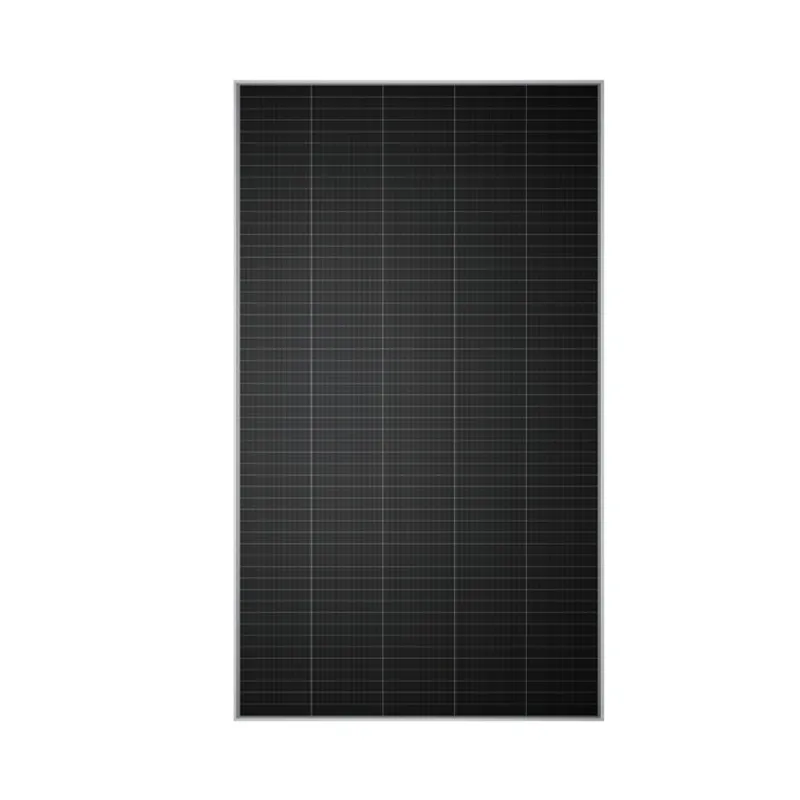
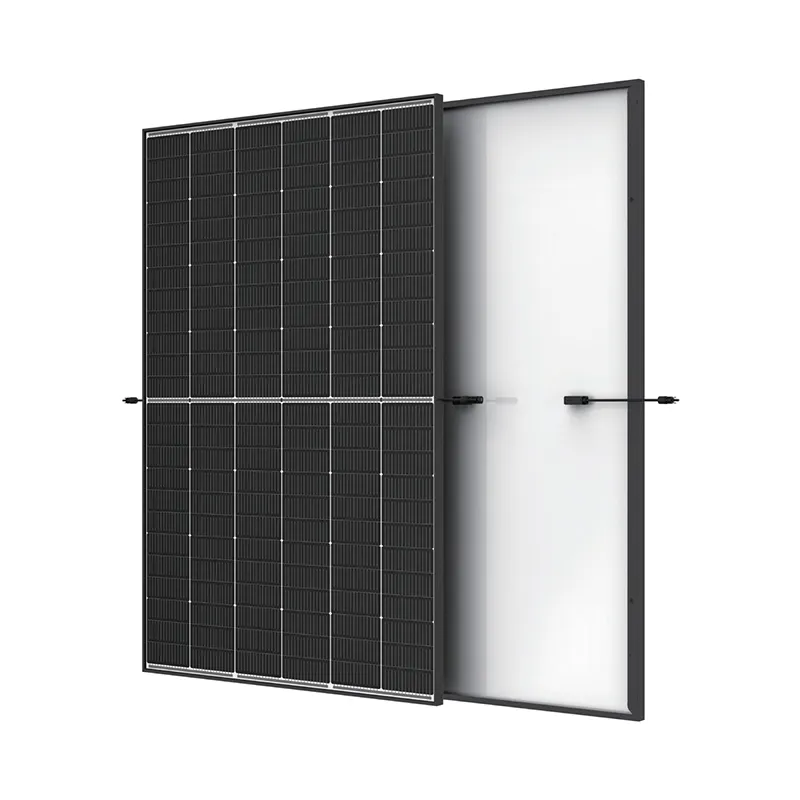
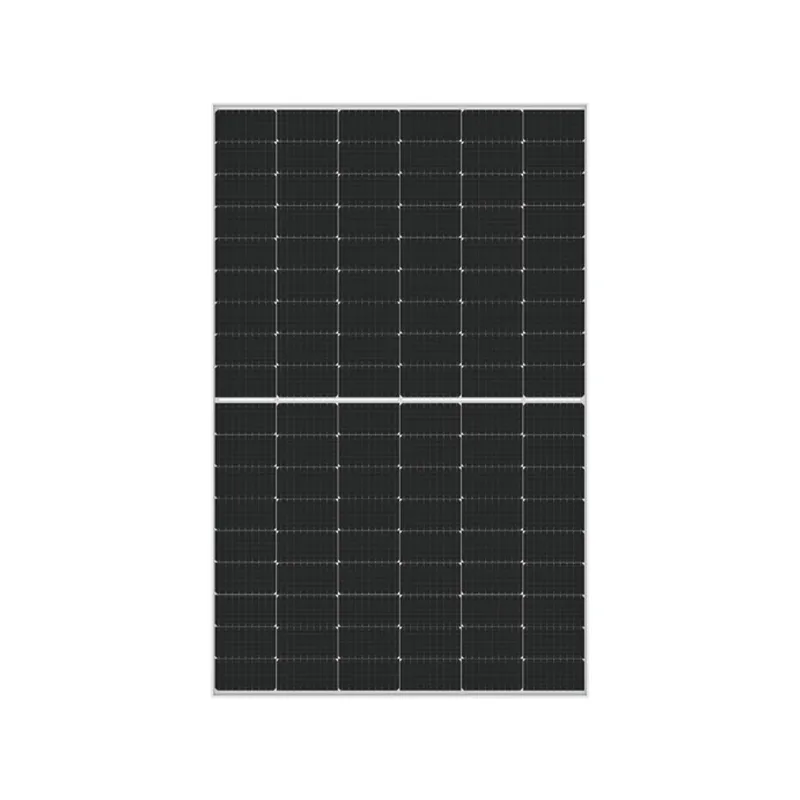
First off, what exactly are we talking about when we say “perovskite solar panels for sale”? Perovskite solar cells use compounds with a crystal structure similar to the mineral perovskite, which is named after Russian mineralogist Lev Perovski. Unlike traditional silicon cells, these panels use a type of metal halide perovskite compound that dramatically improves light absorption and charge transport — in layman’s terms, they’re excellent at catching sunlight and turning it into electricity.
This isn’t just a fancy science experiment. The tech answers urgent world needs. In areas where traditional solar tech either costs too much or doesn’t work well due to installation constraints, perovskite panels offer a promising alternative. They’re lightweight, potentially flexible, and can be manufactured at lower temperatures with cheaper materials.
Why Does It Matter Globally?
- The United Nations notes that nearly 770 million people worldwide still lack electricity. Renewable solutions that can be deployed quickly and affordably could transform this.
- Perovskite solar panels cut through barriers limiting traditional solar tech — irrigating rural areas, supporting disaster relief energy needs, or even enabling stylish urban solar facades.
- Rapid production fits well with the ever-accelerating demand for sustainable energy.
Mini takeaway: Perovskite solar panels aren’t just labs and labsheets; they’re real-world enablers for energy equity and sustainability.
Breaking Down the Basics: What Makes Perovskite Solar Panels Tick?
1. Durability
One of the early worries was that perovskite materials degrade quickly when exposed to moisture or oxygen. Thankfully, recent advances in encapsulation and material engineering have significantly enhanced lifespan. While not yet quite at silicon’s decades-long durability, perovskites now offer a practical service life often exceeding 10 years in real-world conditions. Many engineers say we’re closing the gap.
2. Efficiency
Perovskite panels have pushed laboratory efficiencies beyond 25%, rivaling silicon. In real-world terms, this means more electricity per square meter — a big deal when space is tight or roofing costs soar. Oddly enough, their ability to absorb a broader spectrum of light makes them stand out in diffuse or cloudier environments, a subtle advantage for certain geographies.
3. Cost Efficiency
Manufacturing perovskite solar panels can be cheaper because the process uses solution-based printing techniques, low-temperature fabrication, and abundantly available raw materials. This means less energy spent making them, lower upfront costs for buyers, and overall more accessible pricing.
4. Scalability and Flexibility
Because they can be printed on flexible substrates, perovskite solar cells can fit into unconventional shapes and surfaces. This opens doors for portable solar chargers, lightweight installations for disaster relief, or integration in consumer products. Scale-up is still evolving, but promising pilot production lines are up and running.
5. Environmental Impact
They require less energy for production and fewer hazardous substances compared to silicon-based panels, though lead content remains a concern that researchers are actively addressing through recycling and alternative materials.
6. Integration with Other Technologies
Hybrid tandem solar cells combining perovskite layers with silicon layers aim to maximize efficiency even further. This synergy could be the next big step making perovskite solar panels for sale even more mainstream.
Mini takeaway: These components together explain why the market for perovskite solar panels is growing fast, with real practical implications.
Where Are Perovskite Solar Panels Making an Impact?
The versatility of perovskite solar panels is reflected in their growing array of applications worldwide:
- Remote rural electrification: In parts of sub-Saharan Africa and Southeast Asia, stand-alone perovskite panels provide off-grid energy to power lights, small appliances, or water pumps.
- Disaster relief energy: Lightweight and flexible, these panels are suited for rapid deployment after floods or fires, providing critical power for communication and healthcare.
- Urban and commercial buildings: Facade-integrated solar designs are experimenting with thin perovskite layers that double as tinted window coatings — blending aesthetics and functionality.
- Portable consumer electronics: Solar backpacks, chargers, and tents increasingly use these panels for their light weight and flexibility.
- Industrial and agricultural zones: Temporary setups for mining or farming benefit from easy-to-transport, quickly installed units to run sensors or machinery.
Mini takeaway: Across continents and contexts, the adaptability of perovskite panels is putting sunlight to work in fresh and exciting ways.
Advantages That Count for the Long Haul
Frankly, the biggest draw of perovskite solar panels for sale isn’t just the tech specs — it’s the long-term value game they play:
- Cost savings: Lower manufacturing and installation costs mean quicker return on investment, opening doors to more users.
- Sustainability: Lightweight, less energy-intensive to produce, and endlessly recyclable materials help reduce carbon footprints.
- Energy Reliability: Steady power generation in diverse climates builds community resilience.
- Social impact: Providing affordable electricity promotes education, health, and local economies — things that feel intangible but ripple outward remarkably.
- Innovation and trust: Early adopters and renewable energy advocates gain credibility and leadership in green tech.
Technological Horizons: What’s Next for Perovskite Panels?
Industry insiders are watching these trends with anticipation:
- Tandem cell improvements: Combining perovskites with silicon for efficiencies topping 30%.
- Lead-free perovskites: Ongoing research aims to eliminate toxic elements without sacrificing performance.
- Automated production lines: Boosting volume and lowering prices even further.
- Smart solar integration: Embedding sensors and IoT tech right into panels for real-time monitoring.
Facing the Challenges Head-On
No technology is without hurdles. For perovskite solar panels, concerns linger around:
- Long-term stability: While improved, weather and UV degradation still require ongoing innovation.
- Toxicity: Lead remains a major environmental concern, though encapsulation and recycling can mitigate risks.
- Mass production scale: Scaling lab successes to commercial volumes is complex but steadily advancing.
Experts argue the key to overcoming these lies in partnerships across academia, industry, and governments — a collaborative, multidimensional effort.
Product Specification Snapshot
| Specification | Typical Value |
|---|---|
| Power Output | 150-250 W/m² |
| Efficiency (Lab-scale) | 23-27% |
| Lifespan (Operational) | 10-15 years (improving) |
| Weight | |
| Surface Type | Flexible or rigid |
| Cost | ~$50-$70 per m² (projected) |
Vendor Comparison Table for Perovskite Solar Panels for Sale
| Vendor | Panel Efficiency (%) | Warranty (Years) | Price per m² | Special Features |
|---|---|---|---|---|
| Benjiu Solar | 24% | 12 | $55 | Flexible & lightweight panel |
| SunNext Tech | 25% | 10 | $60 | Hybrid tandem technology |
| GreenCore Energy | 23% | 15 | $65 | Lead-free perovskite panels |
FAQ: Answers to Your Top Questions About Perovskite Solar Panels for Sale
- Q: How long do perovskite solar panels last compared to traditional silicon panels?
- A: Currently, perovskite panels offer operational lifespans ranging from 10 to 15 years, shorter than silicon’s 25-30 years but steadily improving thanks to ongoing material and encapsulation advancements.
- Q: Are perovskite solar panels eco-friendly?
- A: They require less energy to manufacture and use fewer harmful substances than silicon panels, though most contain lead. Recycling programs and new lead-free research help address environmental concerns.
- Q: Can these panels be used in very humid or rainy climates?
- A: With appropriate sealing and protective layering, perovskite panels can perform well in varied weather conditions, but durability depends on quality installation and materials.
- Q: How quickly can perovskite solar panels be deployed for emergency power needs?
- A: Due to their lightweight and flexible nature, perovskite solar panels can be rapidly deployed in hours or days, offering promising support for disaster relief and remote operations.
- Q: Where can I find reliable vendors of perovskite solar panels for sale?
- A: Trusted suppliers like Benjiu Solar offer a range of perovskite panels tailored to different needs. It’s best to compare specs, warranties, and pricing while considering your application.
Conclusion: Why Perovskite Solar Panels Are More Than Just a Trend
In real terms, the growth of perovskite solar panels for sale signals a meaningful shift in our energy mindset — embracing innovation that’s fast, flexible, and accessible. These panels could bring affordable, clean electricity to millions and help us reach ambitious global sustainability goals. If you’re considering expanding your renewable energy portfolio, it’s worth keeping a close eye on perovskite technologies.
Interested in exploring the latest offerings and getting expert advice? Visit our website at https://www.benjiusolar.com to learn more and request a quote.
References:
-
Designing a Modern Home Roof Made Out of Solar Panels GuideNewsApr.16,2026
-
Guide to the Size of 150 Watt Solar Panel for Your ProjectNewsApr.09,2026
-
Understanding the Dimensions and Applications of a 200W Solar PanelNewsApr.07,2026
-
Understanding the Dimensions and Factors of a 330W Solar Panel SizeNewsApr.04,2026
-
Understanding the Size and Dimensions of a 4kW Solar Panel System for Your HomeNewsMar.31,2026
-
Comprehensive Guide to Sizing Your Solar System for Optimal Energy ProductionNewsMar.28,2026