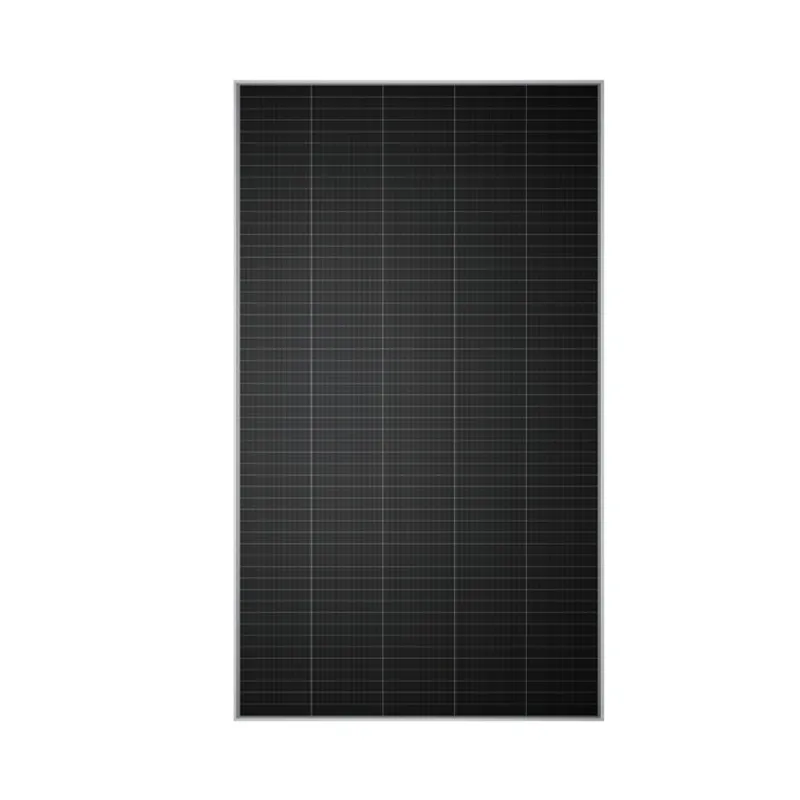
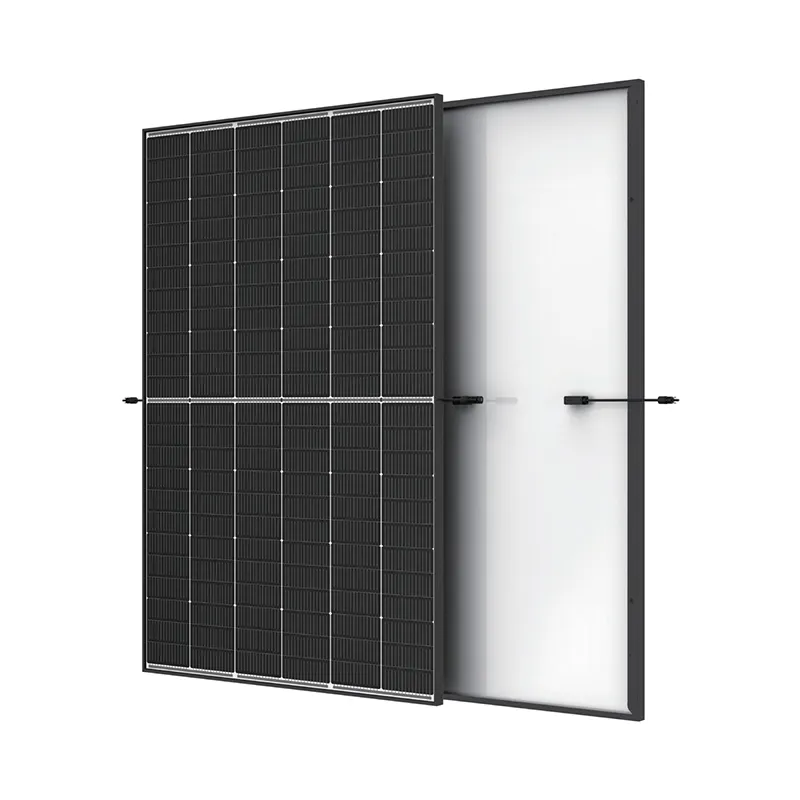
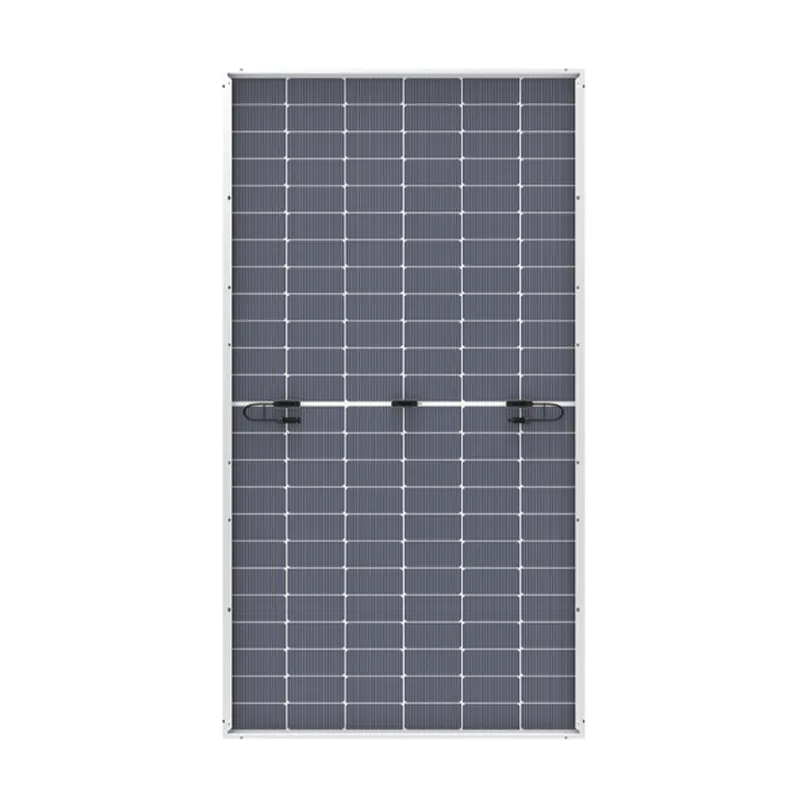
Affordable and Lightweight 3 kg Solar Panel Price Guide| Benjiu Solar
Understanding the 3 kg Solar Panel Price: Why It Matters in Today’s Energy Landscape
At first glance, talking about the 3 kg solar panel price might seem overly specific — but this lightweight solar technology holds massive potential in transforming how and where sustainable energy is deployed. Globally, the demand for portable, efficient, and cost-effective energy sources is skyrocketing. From powering remote villages in Africa to emergency relief camps after natural disasters, the cost and availability of compact solar panels often become the defining factor in success or failure.
Beyond just dollars and cents, understanding the price of these ultra-light panels offers insights into innovations in materials, manufacturing efficiencies, and their societal impact. It’s a subject that blends industry trends with real-world humanitarian outcomes. Let’s untangle this a bit.
Global Context: Why 3 kg Solar Panel Pricing Is a Hot Topic
According to the United Nations, about 770 million people worldwide still lack access to electricity — many in hard-to-reach areas where traditional power grids are impractical or impossible.
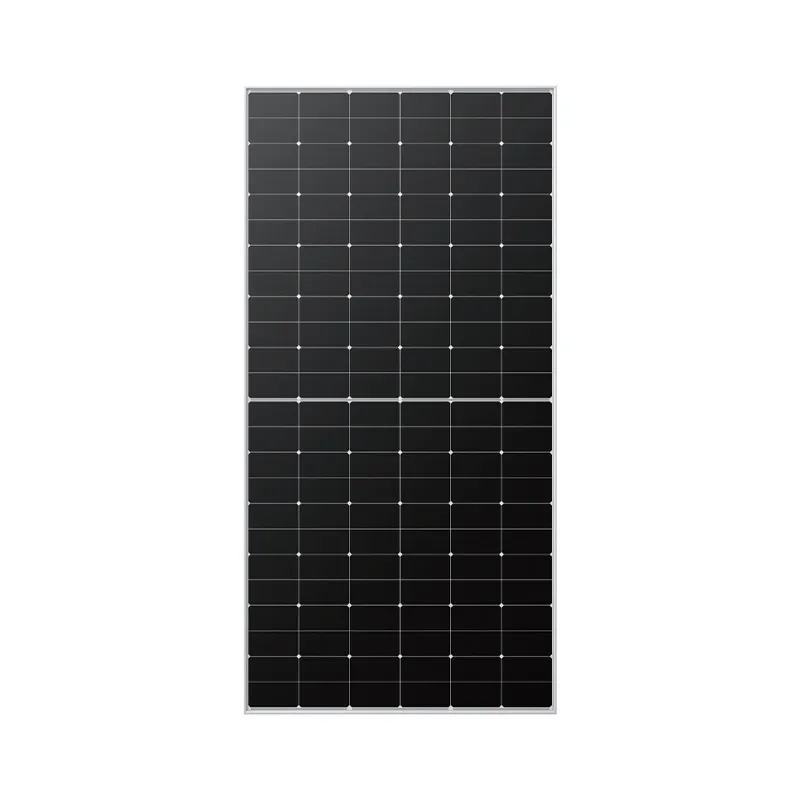
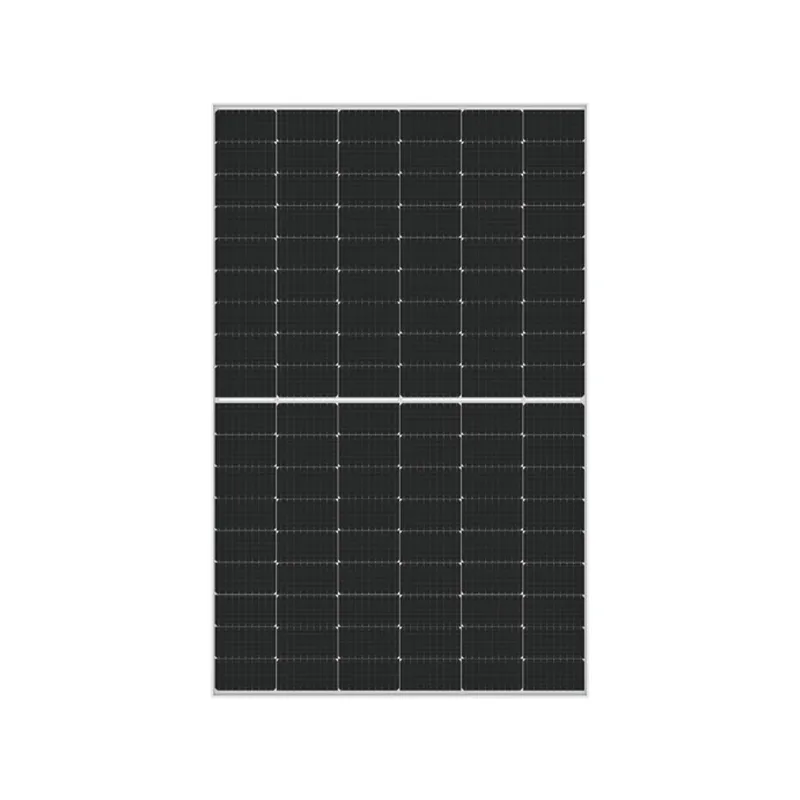
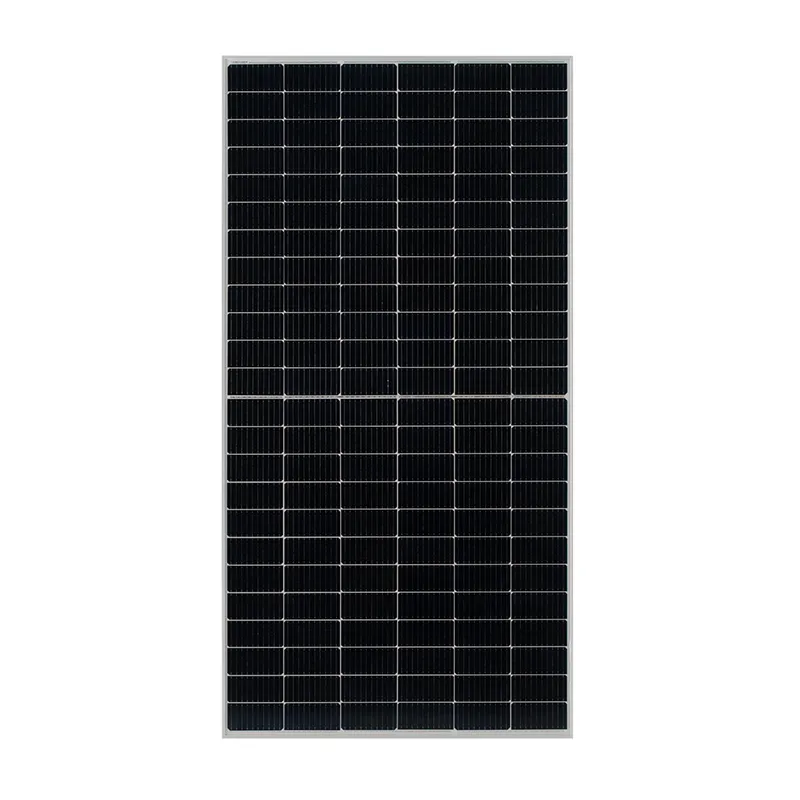
Enter the lightweight solar panel, tipping scales at roughly 3 kilograms, designed for portability without sacrificing efficiency. The 3 kg solar panel price impacts the cost-effectiveness of deploying energy solutions for:
- Disaster relief operations
- Off-grid residential systems
- Remote industrial applications (like mining or telecom)
- Military expeditions and explorers traversing rough terrain
World Bank data indicates renewable energy investments are rising exponentially, but cost remains a critical barrier. Reducing panel weight often leads to cost adjustments — sometimes positive, sometimes tricky — and knowing the true price helps planners budget smarter and scale faster.
Mini takeaway: The 3 kg solar panel price isn’t just a number; it’s a pivot point linking technology, affordability, and real-world accessibility.
What Exactly Does ‘3 kg Solar Panel Price’ Mean?
Simply put, the term references the market cost associated with solar panels that weigh approximately three kilograms. These panels are designed to be lighter than traditional solar modules — typically weighing 10 kg or more — which brings advantages in transportation, installation, and adaptability.
It’s more than just physical weight. The price also reflects manufacturing methods, materials (like thin-film silicon or organic photovoltaic cells), and overall power output (usually between 30 to 80 watts for this size). So when someone asks about the 3 kg solar panel price, they want to know what it costs to buy a lightweight, portable solar panel ready for real use.
Put in the context of humanitarian or industrial applications, a lower price enables quicker deployment, empowering communities and operators with reliable power sooner.
Mini takeaway: This price point acts as a benchmark for lightweight solar tech's real-world affordability and usability.
Core Factors Influencing the 3 kg Solar Panel Price
1. Durability and Build Quality
A panel that weighs just 3 kg has to strike a delicate balance: ultra-light yet rugged enough to withstand elements — from tropical storms to desert heat. High-quality encapsulation and frame materials might increase costs but ensure long-term performance.
2. Efficiency and Power Output
Cost per watt remains king in solar economics. More efficient cells (often monocrystalline or advanced thin-film tech) raise prices but also reduce the total number of panels needed, balancing investment.
3. Manufacturing Scale & Location
Panels produced in larger volumes or in economies with lower labor costs tend to offer more competitive pricing. Conversely, niche manufacturers focusing on custom or specialty panels may command a premium.
4. Certification and Compliance
Meeting standards like ISO 9001, IEC 61215, or regional safety regulations ensures reliability but adds to costs through testing and quality control.
5. Distribution & Logistics
Sometimes overlooked, shipping lightweight panels globally involves fewer transport headaches, but prices vary depending on delivery speed, customs fees, and supply chain stability.
3 kg Solar Panel Specification Snapshot
| Specification | Typical Range |
|---|---|
| Weight | 2.8 - 3.3 kg |
| Power Output | 30W - 80W |
| Dimensions | Approx. 60 x 40 cm |
| Cell Type | Thin-film / Monocrystalline |
| Useful Lifespan | 5-10 years typical |
| Price Range (USD) | $100 - $350 (depending on specs) |
Where the 3 kg Solar Panel Price Is Making a Difference Globally
The adoption of these nimble solar panels spans continents and sectors:
- Disaster Relief & Emergency Enablement: After hurricanes or earthquakes, relief organizations rapidly deploy lightweight power sources. The lower the 3 kg solar panel price, the faster and broader the distribution.
- Africa’s Off-Grid Electrification: Nations like Kenya and Tanzania rely on portable solar kits to power homes miles away from grids, supporting schools, clinics, and small enterprises.
- Remote Industrial Operations: Miners or telecommunication teams use these panels to maintain vital equipment without diesel generators — slashing costs and carbon footprints.
- Outdoor Recreation & Expeditions: Adventure companies and researchers carry lightweight panels to power GPS devices and medical gear in the field.
Oddly enough, sometimes these panels even turn up in urban settings — as part of smart city initiatives or electric vehicle charging stations optimized for quick deployment.
Mini takeaway: The affordability and portability of 3 kg solar panels open doors previously thought closed.
Long-Term Benefits & Tangible Value Beyond Price
Beyond the headline of cost, these panels bring clear advantages:
- Cost Savings: Lightweight panels generally mean lower shipping and installation costs.
- Sustainability: Reduced material use and clean energy output reduce environmental impacts.
- Social Impact: Power enables education, healthcare, and economies to grow in underserved areas.
- Trust & Reliability: Rugged designs build confidence among users and aid workers.
There’s also a more emotional side here — when energy is accessible, communities regain dignity and hope. Innovation in this sector often feels more like humanitarian work than just business.
Forthcoming Trends and Innovations to Watch
It’s not stopping at 3 kg panels either. Researchers explore:
- Perovskite solar cells promising higher efficiencies with lower weight
- Integrated energy storage to power devices through the night
- Digital smart panels that communicate performance stats remotely
- Recyclable and bio-based materials reducing environmental footprint even further
Policymakers are also pushing incentives to accelerate adoption, meaning prices should — in theory — continue trending downward.
Common Challenges and How They're Being Tackled
Of course, no tech is perfect. Challenges include:
- Durability Concerns: Lightweight can mean fragile, so innovations in protective coatings and design are crucial.
- Price Fluctuations: Raw material costs like silver and silicon affect prices unpredictably.
- Energy Output Limits: Smaller size means lower wattage, requiring clever system design.
Experts recommend holistic planning — pairing panels with efficient batteries, flexible mounting, and preventive maintenance — to squeeze maximum value.
Vendor Comparison: A Quick Look at Popular 3 kg Solar Panel Providers
| Vendor | Price Range (USD) | Typical Power Output | Warranty | Notes |
|---|---|---|---|---|
| Benjiu Solar | $120 - $280 | 40-60W | 5 years | Known for fast shipping, good durability |
| SunLite Tech | $140 - $310 | 50-75W | 7 years | High efficiency cells, premium price |
| EcoPanel Solutions | $100 - $260 | 35-55W | 3 years | Affordable, good for entry-level use |
Frequently Asked Questions about 3 kg Solar Panel Price
Q1: How does the 3 kg solar panel price compare to standard heavier panels?
A: Lighter panels usually cost more per watt due to advanced materials and manufacturing, but savings on transport and installation often balance this out. The total system cost and use case determine which makes more economic sense.
Q2: Can these lightweight panels be used year-round in harsh climates?
A: Yes, but it depends on the build quality and weatherproofing. Most are designed to withstand moderate weather, though extreme conditions might require specialized rugged variants.
Q3: Are 3 kg solar panels suitable for off-grid homes?
A: Absolutely. Their portability and ease of setup make them ideal for off-grid applications, especially when paired with batteries and efficient appliances.
Q4: Is it possible to get volume discounts on 3 kg solar panels?
A: Many vendors, including Benjiu Solar, offer bulk pricing, which significantly lowers the per-unit cost — essential for NGOs or companies outfitting multiple sites.
Q5: What certifications should I look for to ensure panel quality?
A: Look for IEC 61215, IEC 61730 for safety, and ISO 9001 for manufacturing quality. These mark compliance with international standards and better longevity.
Wrapping Up: The Value Beyond Just the 3 kg Solar Panel Price
In the end, the value in understanding the 3 kg solar panel price isn’t just about dollars. It’s about unlocking the power of portability, affordability, and innovation to bring electricity—literally life-changing energy—to places and people who need it most.
If you’re curious to explore reliable and affordable options, check out 3 kg solar panel price choices at Benjiu Solar — helping light up futures, one panel at a time.
References
-
Designing a Modern Home Roof Made Out of Solar Panels GuideNewsApr.16,2026
-
Guide to the Size of 150 Watt Solar Panel for Your ProjectNewsApr.09,2026
-
Understanding the Dimensions and Applications of a 200W Solar PanelNewsApr.07,2026
-
Understanding the Dimensions and Factors of a 330W Solar Panel SizeNewsApr.04,2026
-
Understanding the Size and Dimensions of a 4kW Solar Panel System for Your HomeNewsMar.31,2026
-
Comprehensive Guide to Sizing Your Solar System for Optimal Energy ProductionNewsMar.28,2026