Advancements in Inbuilt Solar Panels Transforming Sustainable Energy Solutions
Harnessing the Sun: A Deep Dive into Inbuilt Solar Panels
The future of energy is here, and it’s increasingly integrated into the products we use daily. Inbuilt solar panels are no longer a futuristic concept; they’re a practical, cost-effective, and environmentally friendly solution gaining traction across various industries. From portable power banks to building materials, the applications are vast and growing. This article will explore the benefits, technologies, applications, and future trends surrounding inbuilt solar panels, providing a comprehensive understanding of this exciting innovation. Choosing the right solar solution, like those offered at Benjiu Solar, is key to maximizing efficiency and longevity.
Understanding the Technology Behind Inbuilt Solar Panels
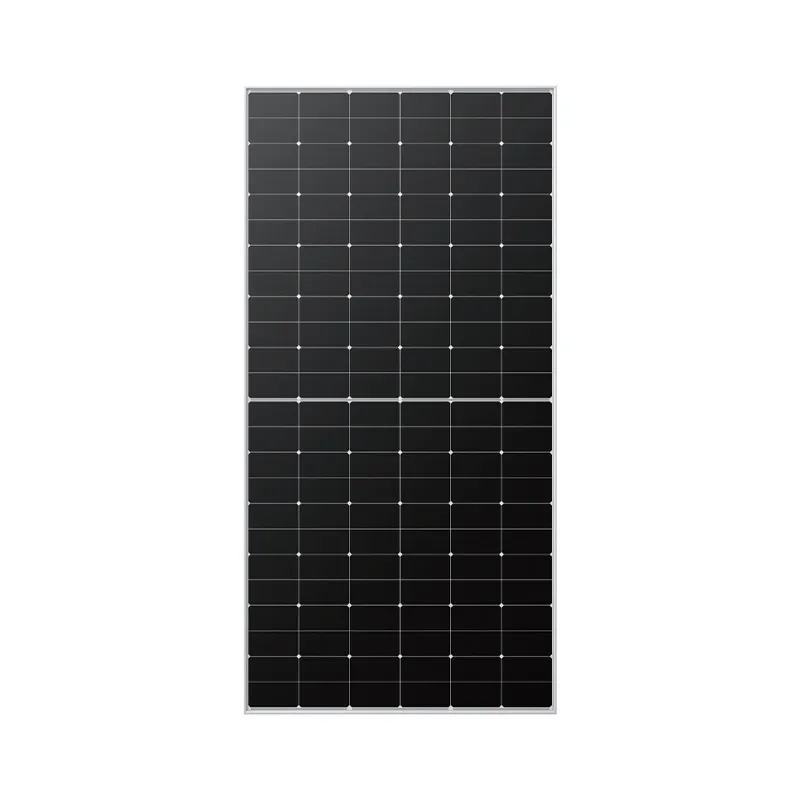
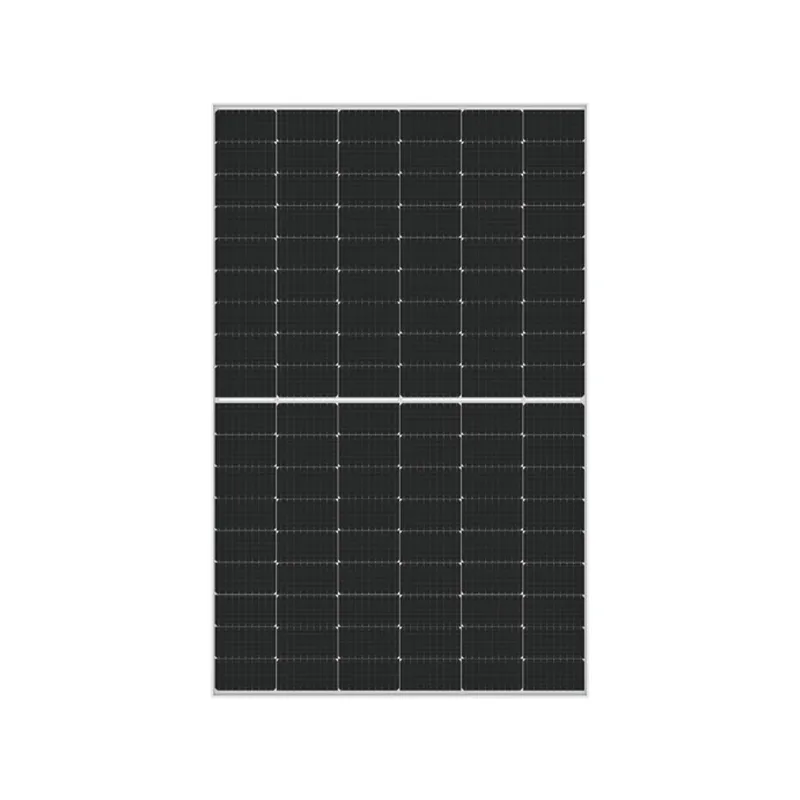
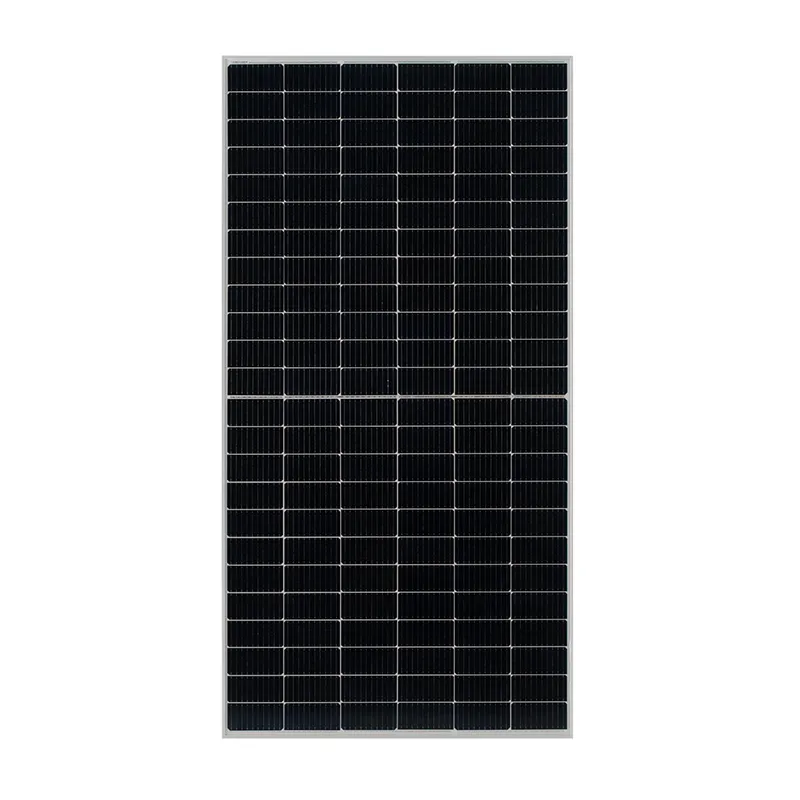
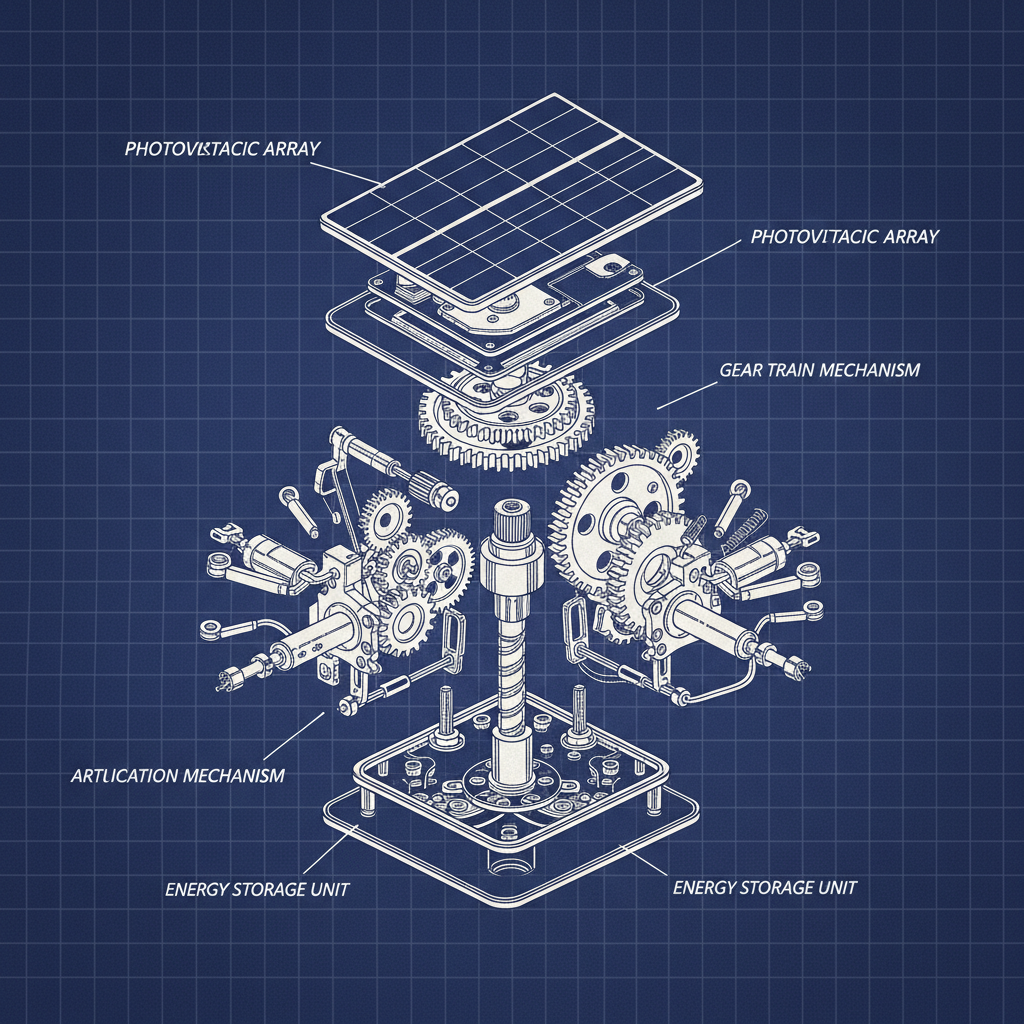
Inbuilt solar panels utilize photovoltaic (PV) technology, converting sunlight directly into electricity. The core of this process lies in semiconductor materials, most commonly silicon. When photons from sunlight strike these materials, they dislodge electrons, creating an electrical current. The panels aren't just about the silicon; advancements in thin-film solar cells, using materials like cadmium telluride (CdTe) and copper indium gallium selenide (CIGS), are making inbuilt solutions more flexible and lightweight. These technologies also allow for integration into curved surfaces, expanding the possibilities for applications. The efficiency of these panels is constantly improving, offering greater power output from a smaller surface area.
Key Highlights: Utilizing photovoltaic (PV) technology, advanced thin-film solar cells offer flexibility, and lightweight design for diverse applications. Continuous advancements boost efficiency and power output.
The Benefits of Integrating Solar Panels Directly into Products
Integrating solar panels directly into products offers a multitude of advantages. Firstly, it provides a sustainable and renewable energy source, reducing reliance on fossil fuels. Secondly, it can significantly lower energy costs, especially for portable devices and off-grid applications. Inbuilt solar reduces the need for batteries or frequent charging. Thirdly, it enhances product functionality and portability, making devices more versatile and convenient. Finally, it demonstrates a commitment to environmental responsibility, appealing to increasingly eco-conscious consumers. Benjiu Solar specializes in providing solutions tailored to maximize these benefits.
Benefits Summarized:
• Sustainable and renewable energy source
• Lower energy costs and reduced battery dependence
• Enhanced product functionality and portability
• Demonstrates environmental responsibility
Applications of Inbuilt Solar Panels Across Industries
The versatility of inbuilt solar panels has led to widespread adoption across numerous sectors. In consumer electronics, you find them in solar chargers for smartphones, tablets, and laptops. The outdoor and recreation industry utilizes them in solar-powered backpacks, camping gear, and portable power stations. In the building and construction sector, solar roof tiles and integrated solar facades are gaining popularity. Agriculture benefits from solar-powered irrigation systems and greenhouse lighting. Furthermore, the Internet of Things (IoT) leverages inbuilt solar panels for powering remote sensors and monitoring devices. The possibilities are constantly expanding, driven by technological advancements and growing demand for sustainable solutions.
Comparing Solar Panel Technologies for Inbuilt Applications
Choosing the right solar panel technology for an inbuilt application depends on specific requirements. Here’s a comparison of the most common types:
Future Trends in Inbuilt Solar Panel Technology
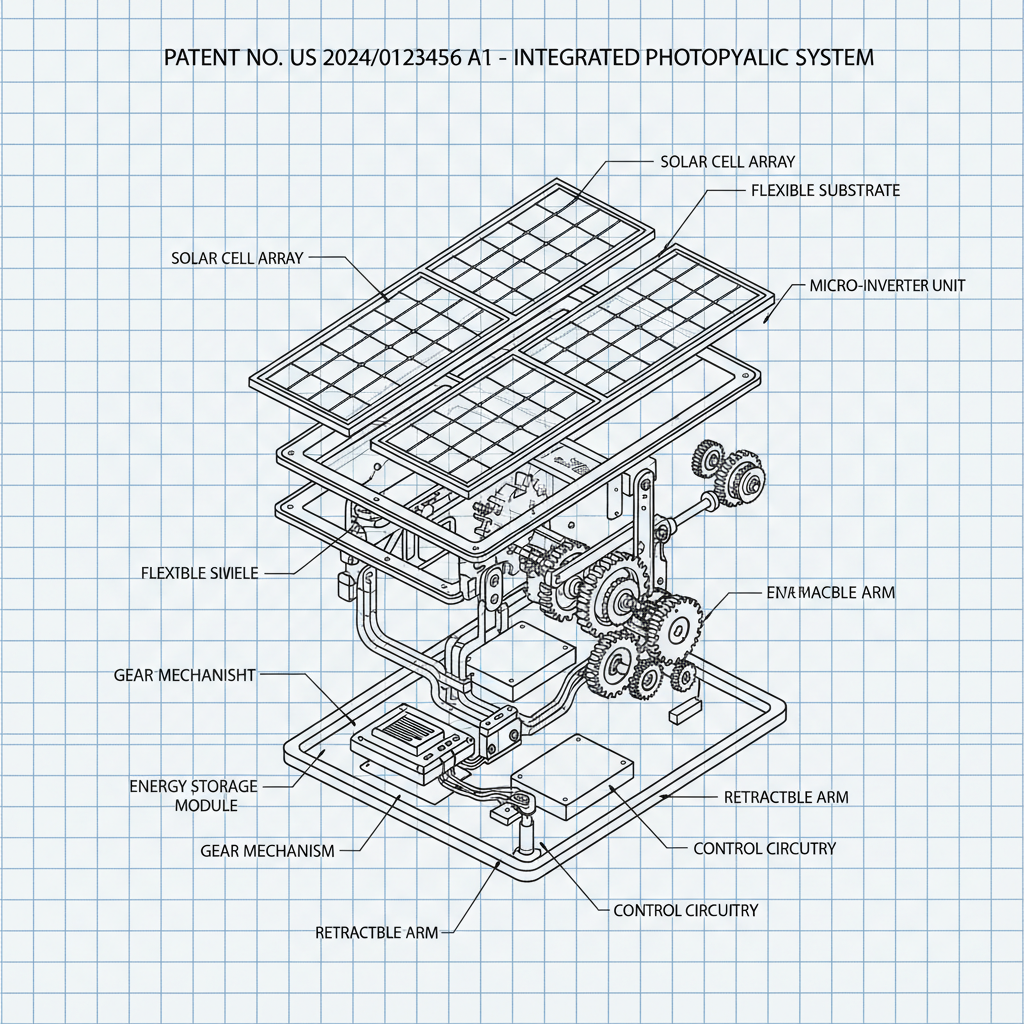
The future of inbuilt solar panels is bright. We can expect to see continued improvements in efficiency and cost-effectiveness. Perovskite solar cells, a promising new technology, offer the potential for even higher efficiencies at lower costs. Research into transparent and flexible solar materials will unlock new applications in windows, clothing, and other innovative products. Furthermore, the integration of artificial intelligence (AI) will optimize energy harvesting and management. Benjiu Solar is committed to staying at the forefront of these advancements.
Conclusion: Embracing a Solar-Powered Future
Inbuilt solar panels are transforming the way we power our lives, offering a sustainable, cost-effective, and versatile energy solution. As technology continues to evolve, we can expect to see even more innovative applications emerge. Investing in this technology, and choosing a trusted partner like Benjiu Solar, is a step towards a cleaner, more sustainable future.
Frequently Asked Questions (FAQs)
What is the typical lifespan of inbuilt solar panels?
The lifespan of inbuilt solar panels generally ranges from 25 to 30 years, although performance will gradually degrade over time. Most manufacturers guarantee at least 80% power output after 25 years. Factors affecting lifespan include environmental conditions (temperature, humidity, UV exposure), and the quality of the materials used. Proper installation and maintenance can help maximize the lifespan. Degradation is a natural process, but high-quality panels from reputable suppliers like Benjiu Solar are designed to minimize this effect.
Are inbuilt solar panels affected by cloudy weather?
Yes, solar panel output is reduced on cloudy days. However, they still generate electricity, albeit at a lower level. Diffuse sunlight, which penetrates clouds, is still usable by solar panels. The amount of power generated depends on the thickness and density of the clouds. Modern solar panels are designed to perform reasonably well even in low-light conditions. For consistent power, a battery storage system can be integrated to store energy generated during sunny periods for use during cloudy days.
What maintenance is required for inbuilt solar panels?
Inbuilt solar panels typically require minimal maintenance. Regular cleaning to remove dust, dirt, and debris is recommended, especially in areas with high pollution or dust levels. This can usually be done with a soft brush and water. Periodic visual inspections to check for any physical damage or loose connections are also important. Professional inspection and maintenance should be conducted every few years to ensure optimal performance and identify any potential issues. Benjiu Solar provides comprehensive maintenance services.
How do I determine the right size solar panel for my needs?
Determining the right size solar panel depends on your energy consumption and usage patterns. First, calculate your daily energy needs in kilowatt-hours (kWh). Then, consider factors such as sunlight hours in your location, panel efficiency, and available surface area. It’s generally recommended to slightly overestimate your energy needs to ensure sufficient power generation. Consulting with a solar energy expert, like those at Benjiu Solar, is the best way to accurately assess your requirements and design a suitable system.
-
Designing a Modern Home Roof Made Out of Solar Panels GuideNewsApr.16,2026
-
Guide to the Size of 150 Watt Solar Panel for Your ProjectNewsApr.09,2026
-
Understanding the Dimensions and Applications of a 200W Solar PanelNewsApr.07,2026
-
Understanding the Dimensions and Factors of a 330W Solar Panel SizeNewsApr.04,2026
-
Understanding the Size and Dimensions of a 4kW Solar Panel System for Your HomeNewsMar.31,2026
-
Comprehensive Guide to Sizing Your Solar System for Optimal Energy ProductionNewsMar.28,2026