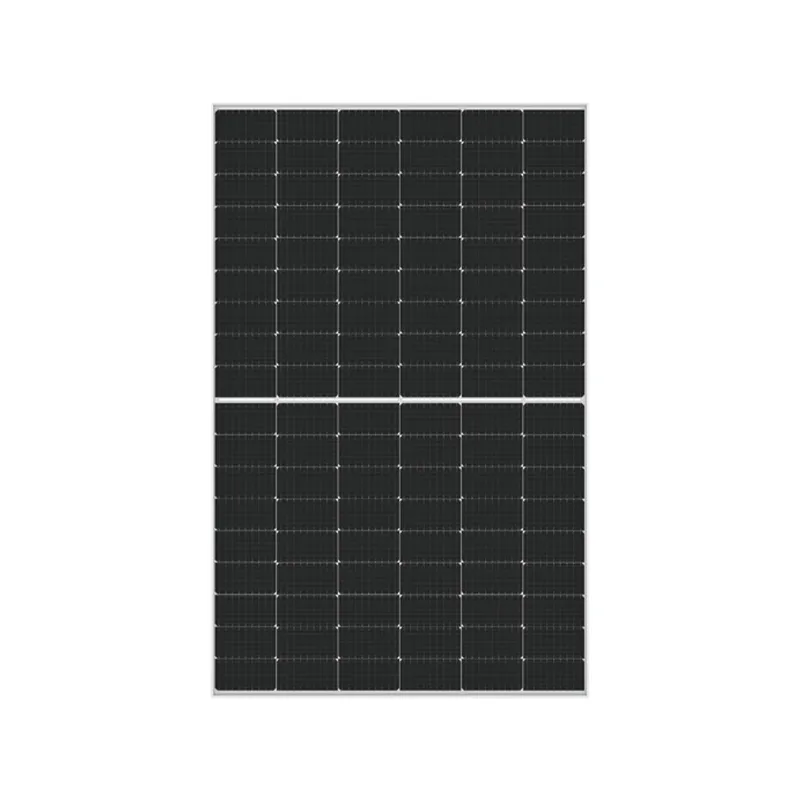
Integrated Solar Energy Components
High-efficiency photovoltaic modules and energy storage systems tailored for residential energy independence.
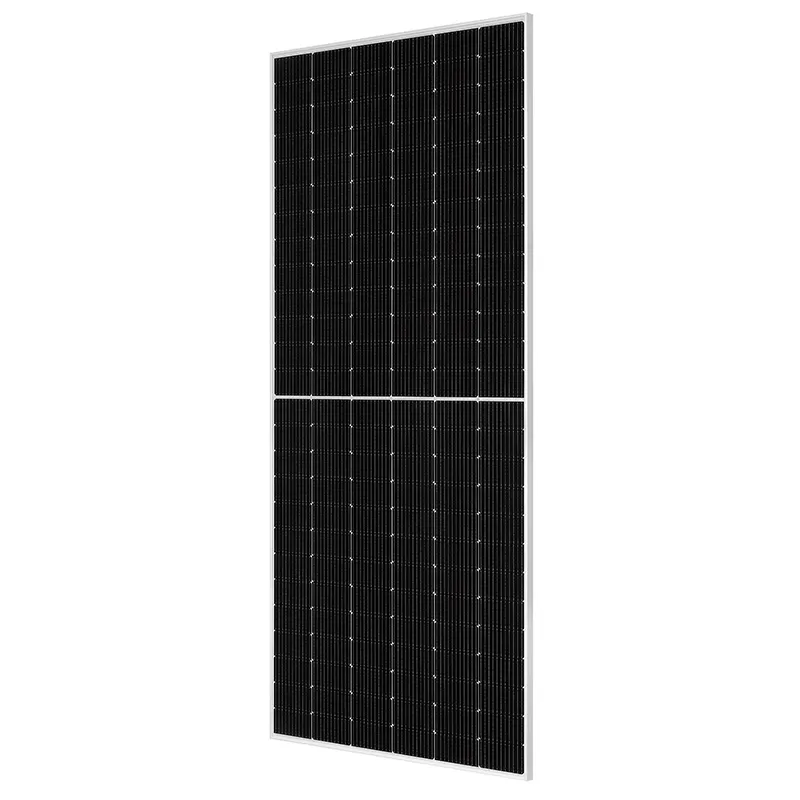
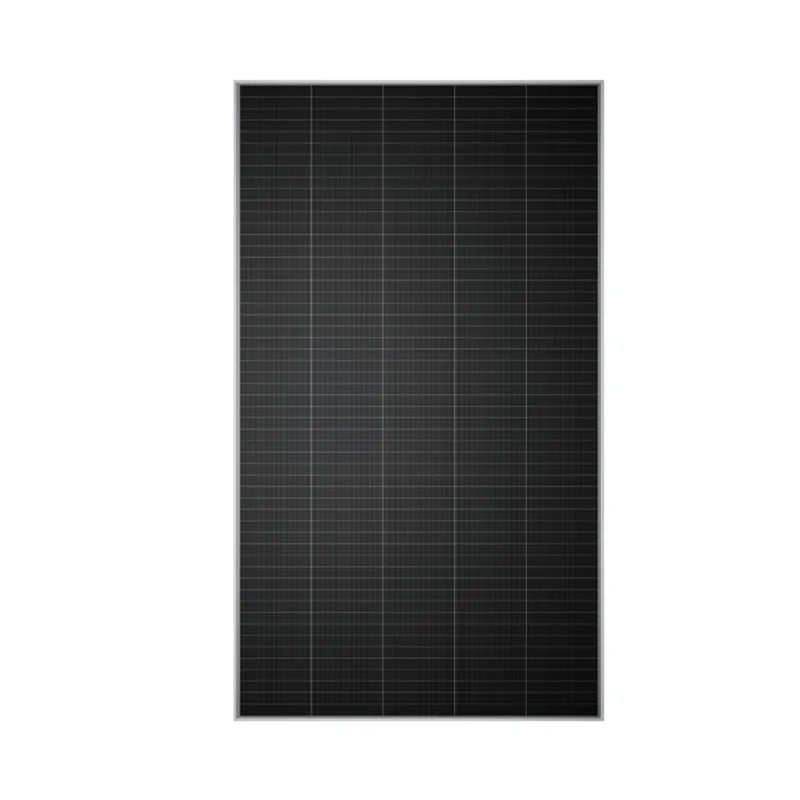
JA 585-610W MBB Half-cell Module Solar Panel for Home
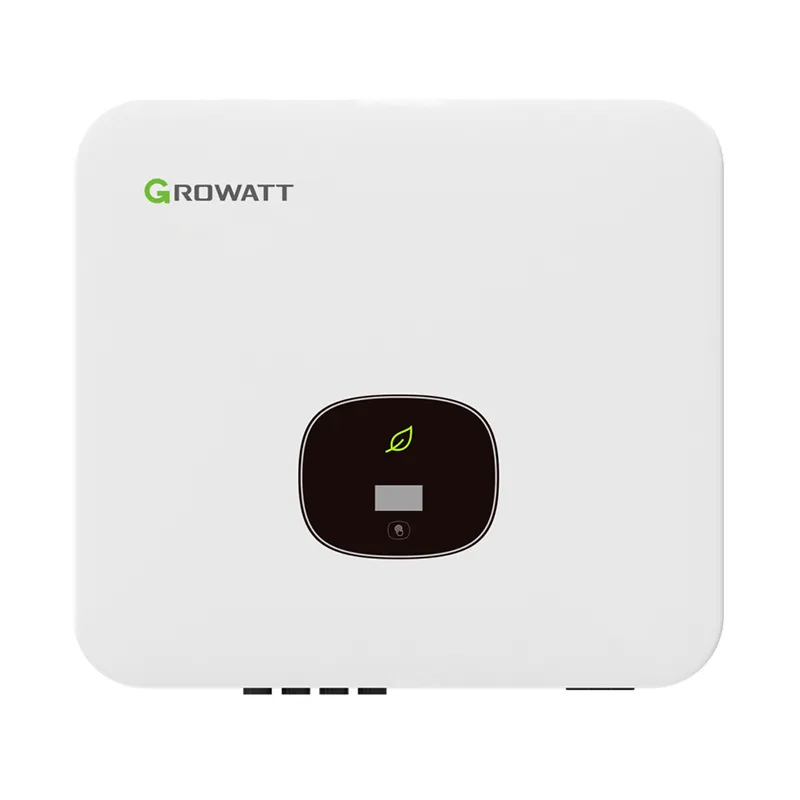
Growatt 7000W Single Phase High Efficiency String Solar Inervter

AIKO 445-460W N-Type ABC Dual-glass Solar Panel for Solar System
Residential Solar Adoption in Poland
Analyzing the transition toward decentralized power for Polish homeowners.
The geographical profile of Poland, characterized by varying sunlight intensity across the northern plains and southern highlands, necessitates adaptive solar energy configurations to maintain stable year-round power generation.
Local buyers increasingly prioritize energy security, shifting focus from simple grid-tied setups to comprehensive off grid solar system architectures to mitigate reliance on centralized infrastructure during peak winters.
Implementation in the Polish market requires strict adherence to EU safety standards and regional building codes, ensuring that every solar roof installation is durable against heavy snow loads and strong winds.
Evolution of Home Energy Systems
From early photovoltaic adoption to the current era of smart energy management.
Market Development Stages
-
Early Adoption Stage
Initial transition where basic PV modules were installed primarily for cost reduction without significant storage capabilities. -
Standardization Stage
Widespread integration of standardized inverters and mountings, improving the efficiency of residential solar installations. -
Current Integration Stage
Shift toward hybrid systems combining high-capacity batteries and smart controllers for complete energy autonomy.
Future Development Trends
- Energy Efficiency — Advanced cell technologies maximizing wattage per square meter of roof space.
- Modular Systems — Plug-and-play energy components that allow homeowners to expand capacity as needs grow.
- Sustainability — Integration of recyclable materials in panel frames and battery chemistry to reduce lifetime environmental impact.
Strategic Outlook for Residential Solar
Key drivers shaping the next generation of home energy solutions.
Tech Optimization
Transitioning toward N-type cells and bifacial modules to enhance low-light performance in Northern Europe.
Storage Expansion
Increasing adoption of LiFePO4 batteries to provide stable backup during winter seasonal gaps.
Digital Management
AI-driven energy monitoring to optimize battery discharge cycles based on weather forecasts.
Regulatory Alignment
Adapting to evolving EU energy directives to ensure maximum interoperability with smart grids.
Industry Outlook for the Polish Market
Over the next 3-5 years, the residential sector is expected to shift from simple energy generation to integrated energy management. The focus will move toward high-density energy storage and the ability to manage "prosumer" status effectively within the national grid.
From a commercial perspective, this evolution will drive demand for certified, high-stability components that can withstand extreme temperature fluctuations, making quality certifications like CE and TUV SUD critical for market entry.
Residential Solar Applications in Poland
Tailored deployment strategies for diverse home energy requirements.
1
Urban Roof Integration
Utilizing high-efficiency home solar system components on limited city roof spaces to reduce monthly utility bills in densely populated areas like Warsaw or Kraków.
2
Remote Cottage Autonomy
Implementing a complete off grid solar system for seasonal homes in the Tatra mountains or Masurian Lake District where grid extension is impractical.
3
Agricultural Home Hubs
Combining residential power with small-scale farm energy needs, using oversized arrays and energy storage to power both the home and essential barn equipment.
4
Hybrid Backup Systems
Installing solar panels with integrated battery storage to provide critical power backup for home offices and medical equipment during regional grid instability.
5
Eco-Villa Modernization
Replacing traditional roofing with a specialized solar roof architecture to achieve a zero-emission residential footprint.
The Hebei BenJiu Journey
A commitment to global green energy and high-standard manufacturing.
Found
Foundation
Strategic Establishment
Hebei BenJiu New Energy Technology Co., LTD. was established in Xingtai City, Hebei Province, strategically positioned within the Bohai Rim Economic Zone to facilitate efficient global export.
Growth
Capability Development
Certification and Quality Expansion
Achieved a comprehensive suite of international certifications including ISO 9001, CE, TUV SUD, and UL, ensuring products meet the rigorous safety standards of European and North American markets.
Now
Current Position
Global Energy Solution Provider
Now exporting high-efficiency photovoltaic and storage products to Europe, the Middle East, and Southeast Asia, providing customized energy solutions for a sustainable future.
Energy Solutions for Poland's Residential Requirements
Certified components designed for durability, efficiency, and seamless integration into the Polish home energy landscape.
Poland Home Solar FAQ
Expert answers to common questions regarding residential solar energy installation.
How do I choose the right solar panels for home use in Poland?
Prioritize panels with high low-light efficiency and certifications like TUV SUD or CE. For the Polish climate, mono-crystalline panels are generally recommended due to their higher efficiency in limited sunlight conditions.
Is an off grid solar system viable for a permanent residence in Poland?
Yes, provided you have sufficient battery storage (such as LiFePO4) to cover energy needs during the short winter days. An off-grid setup is ideal for remote areas where grid connection costs are prohibitively high.
What technical considerations are necessary for a solar roof installation?
Ensure the roof structure can support the additional weight of the panels and the mounting system. In Poland, installers must specifically account for wind loads and snow accumulation to prevent structural damage.
How does the procurement process work for importing solar equipment from Hebei BenJiu?
Customers can specify their energy requirements and technical needs via our contact form. We provide a customized solution proposal, ensure all products meet EU certifications (CE, IEC), and handle the export logistics to Poland.
What is the primary advantage of a hybrid home solar system over a simple grid-tie?
A hybrid system allows you to store excess energy in batteries. This means you can use your own solar power during the night or during grid outages, significantly increasing your energy independence.
What certifications should I look for in a solar energy provider?
Look for ISO 9001 for quality management and product-specific certifications like IEC 61215 and IEC 61730. Hebei BenJiu products hold these and other global certifications to guarantee safety and stability.
Optimize Your Home Energy in Poland
Discuss your specific technical requirements for a residential solar installation and get a tailored energy solution for your property in Poland.
Contact Us Now