Local Energy Challenges
Addressing Home Energy Obstacles in Peru
Peruvian homeowners face unique geographical and economic hurdles when transitioning to renewable energy sources.
Rising Utility Costs
Fluctuating electricity prices in urban centers like Lima cause unpredictable monthly expenses for families, making fixed-cost energy alternatives highly desirable.
Unstable Grid Access
Remote Andean and Amazonian regions suffer from frequent power outages due to underdeveloped infrastructure, leaving homes without reliable basic electricity.
Extreme Topography
Peru's diverse climate—from coastal humidity to high-altitude radiation—requires hardware that can withstand severe environmental stress without degrading.
High Initial Investment
The perceived high cost of entry for a complete home solar system often deters middle-income households despite the long-term savings potential.
Lack of Technical Support
Many local installations fail prematurely because of poor quality components and a shortage of certified after-sales maintenance services in provinces.
Certification Confusion
Homeowners struggle to distinguish between low-grade imports and professional-grade equipment, risking safety and efficiency for lower prices.
Our Approach
Sustainable Energy Solutions for Every Peruvian Home
We integrate high-efficiency hardware with intelligent management to solve local energy instability.
Tier-1 Photovoltaic Panels
Utilizing high-conversion monocrystalline cells to maximize energy harvest even in cloudy coastal weather, significantly lowering monthly electricity bills.
Hybrid Energy Storage
Advanced lithium-ion batteries ensure a steady power supply during grid failures, providing an off grid solar system capability for remote areas.
Climate-Resilient Engineering
Our panels and mounting systems are designed to resist high UV radiation in the Andes and salt-mist corrosion along the Peruvian coast.
Optimized System Design
We tailor the capacity of each home solar system to actual household consumption, reducing waste and shortening the ROI period.
Complete After-Sales Ecosystem
A structured service system ensures that every installation is monitored and maintained, preventing the common issue of premature system failure.
Global Certification Standard
Compliance with ISO, CE, TUV, and UL standards guarantees that safety is never compromised, providing peace of mind for residential users.
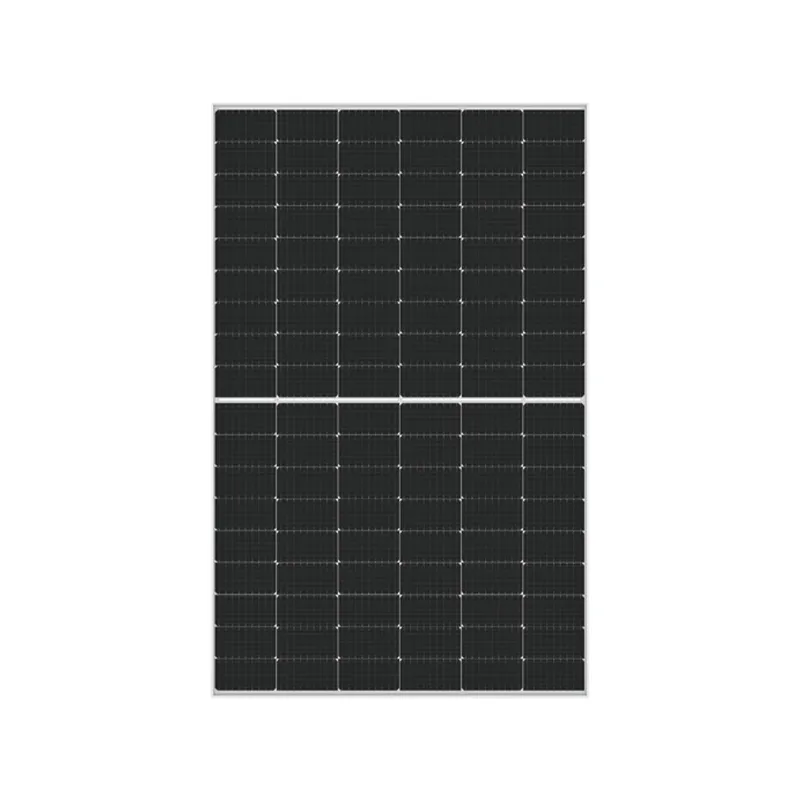
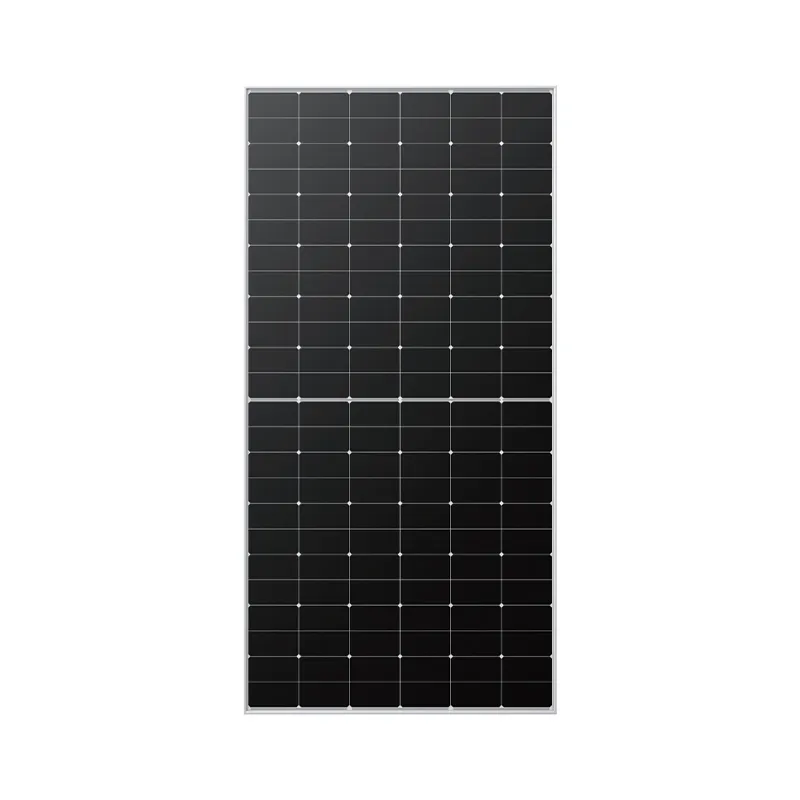
LONGi 405-425W Hi-MO5 HALF-CELL Solar Panel for Solar System

AIKO 445-460W N-Type ABC Dual-glass Solar Panel for Solar System
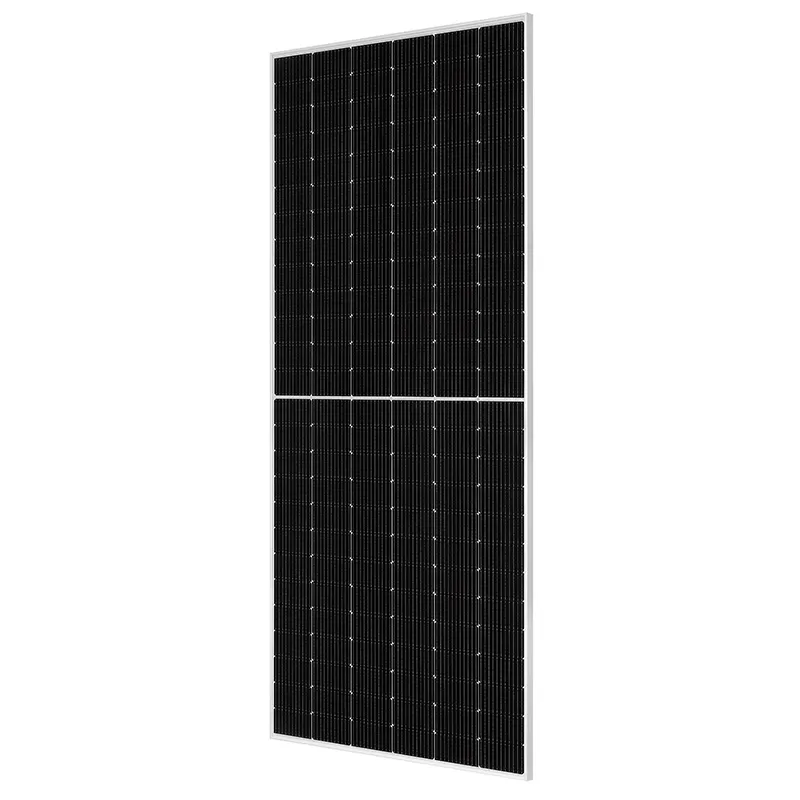
JA 585-610W MBB Half-cell Module Solar Panel for Home
Technical Benchmarks
Performance Metrics for Solar Installations
Indicative values based on industry standards for modern photovoltaic and storage systems.
0%
Avg. Panel Efficiency
0Y
Linear Power Warranty
0+
Global Certifications
0%
Inverter Conversion Rate
0C
Operating Temp Range
0%
Avg. Energy Cost Saving
0%
Renewable Energy Share
0h
Avg. Daily Solar Peak
Regional Analysis
The Solar Energy Landscape in Peru
Analyzing the transition toward decentralized renewable power in South America.
Peru possesses an extraordinary natural advantage for solar energy, particularly in the southern highlands and coastal plains where solar irradiation levels are among the highest in South America. However, the market has traditionally been dominated by large-scale utility projects. In recent years, there has been a noticeable shift toward decentralized generation. Urban households in cities like Lima and Arequipa are increasingly looking for ways to mitigate rising energy costs, while rural communities in the Andes are adopting solar as a primary means of electrification where the national grid cannot reach.
Current trends indicate a strong move toward "Energy Self-Sufficiency." The integration of smart inverters and lithium-based energy storage is no longer a luxury but a necessity for those seeking reliability. Consumers are moving away from simple grid-tied systems toward hybrid models that allow for energy arbitrage—storing power during peak sun hours and using it during expensive evening peaks. This shift is driven by a growing awareness of environmental sustainability and a desire to reduce dependence on centralized energy providers who may struggle with grid stability during peak demand periods.
Despite the potential, constraints remain in the form of financing and technical standardization. There is a significant opportunity for providers who can offer certified, high-durability equipment that meets international safety standards. The outlook for the Peruvian residential market is positive, with expectations that regulatory frameworks will further encourage "net metering" and small-scale generation. As technology costs continue to decline, the adoption of comprehensive solar roof solutions is expected to accelerate, turning homes from passive consumers into active energy producers.
Technology Progress
The Evolution of Home Solar Systems
From basic illumination to fully autonomous energy ecosystems.
Early Adoption
Basic Lighting
Initial deployments focused on simple solar lanterns and small-scale panels for basic LED lighting in remote rural villages, providing a minimal leap from kerosene.
Recent Development
Grid-Tied Systems
The introduction of efficient monocrystalline panels allowed urban homes to connect to the grid, reducing bills but remaining dependent on external power stability.
Current Phase
Autonomous Energy
Integration of high-capacity storage and smart management creates fully autonomous home ecosystems capable of powering heavy appliances independently.
From Polycrystalline to Mono-PERC
The industry has moved from lower-efficiency blue panels to high-efficiency black Mono-PERC cells. This transition allows homeowners in Peru to generate more electricity from the same roof area, which is critical for compact urban housing.
Lead-Acid to Lithium Storage
Energy storage has evolved from bulky, short-lived lead-acid batteries to compact Lithium Iron Phosphate (LiFePO4) cells. This change has increased cycle life from a few years to over a decade, drastically reducing the total cost of ownership.
Analog to IoT Management
Modern systems now feature cloud-based monitoring. Users in Peru can now track their energy production and battery levels in real-time via smartphone apps, allowing for optimized appliance usage based on solar availability.
Future Outlook
Emerging Trends in Residential Solar Technology
How innovation is reshaping the way we capture and store energy at home.
Bifacial Module Adoption
Bifacial panels capture sunlight on both sides, utilizing reflected light from the roof surface. This increases total yield by up to 15%, providing more power for energy-intensive home appliances.
AI-Driven Energy Orchestration
Smart systems now use AI to predict weather patterns and adjust battery charging cycles automatically, ensuring that critical loads are always prioritized during low-sun periods.
V2H (Vehicle-to-Home) Integration
The convergence of electric vehicles and home solar allows the car battery to serve as a secondary backup for the house, creating a massive, flexible energy reservoir for the family.
Integrated Solar Roof Tiles
Moving beyond bolted-on panels, building-integrated photovoltaics (BIPV) allow the roof itself to generate power, improving aesthetics and increasing structural durability.
The overarching trend is the transition from "passive generation" to "active energy management." In the past, homeowners simply installed panels and hoped for the best. Today, the focus is on the synergy between generation, storage, and consumption. This is particularly critical in Peru's diverse geography, where a coastal home in Callao has vastly different solar profiles than a residence in Cusco. The use of modular systems allows for scalability, meaning a user can start with a basic array and add storage batteries as their budget and energy needs grow.
Furthermore, the industry is seeing a push toward higher safety standards. As energy density in home batteries increases, the adoption of LiFePO4 chemistry over traditional Cobalt-based lithium is becoming the standard due to its superior thermal stability and safety. This evolution ensures that the transition to green energy does not introduce new risks into the residential environment, making solar energy a viable, safe, and long-term investment for the average Peruvian family.
Practical Applications
Solar Implementation Across Peru's Regions
Customized energy configurations for different environmental and social contexts.
01
Coastal Urban Residences in Lima
In the humid, often overcast environment of Lima, homeowners deploy high-efficiency monocrystalline panels with a hybrid inverter. The system is designed to maximize low-light capture and use battery storage to avoid peak-hour tariffs from the grid, reducing monthly utility costs while providing backup for critical devices like refrigerators and internet routers during coastal fog periods.
02
High-Altitude Andean Households
Homes in regions like Puno or Cusco benefit from intense UV radiation. Here, specialized panels with high thermal stability are installed to prevent efficiency drops caused by extreme temperature swings. These systems often include larger battery banks to ensure consistent power during the cold Andean nights, providing essential heating and lighting without relying on expensive diesel generators.
03
Remote Amazonian Eco-Lodges
In the rainforest, where the grid is non-existent, a full off grid solar system is the only viable option. These installations utilize large panel arrays and heavy-duty energy storage to power guest rooms and kitchen facilities. The focus is on moisture-resistant mounting and high-capacity batteries that can sustain operations through periods of heavy tropical rainfall.
04
Small Agricultural Estates in Ica
Family-run farms integrate solar panels for both residential use and small-scale irrigation pumps. By utilizing a combined solar roof and ground-mount system, they eliminate the need for costly electrical extensions. This setup reduces operational costs for water management and provides the farmhouse with a reliable, independent power source that is immune to regional grid instability.
05
Weekend Retreats in the Sacred Valley
Owners of seasonal properties install compact solar kits for maintenance and basic lighting. These systems are designed for low-maintenance, autonomous operation, ensuring that the property remains secure and basic utilities function without the need for a permanent grid connection or frequent visits to check generator fuel levels.
Deployment Insights
Representative Solar Implementation Scenarios
Illustrative perspectives on how solar transitions impact Peruvian users.
For a typical urban residence in Lima, the transition to a hybrid solar system usually focuses on cost reduction. By installing a 5kW system with storage, homeowners often observe a significant drop in their monthly bills, while the added battery capacity eliminates the stress of sudden power cuts during the summer months.
In remote Andean villages, the shift to a dedicated off-grid solar kit transforms daily life. The ability to have reliable lighting for children's education and refrigeration for medicine replaces the danger and cost of kerosene, providing a sustainable foundation for community development and health.
From a facility management perspective in the coastal region, the primary value of professional solar installations is the certification and durability. Using TUV and CE certified components prevents the frequent failures associated with low-cost imports, ensuring a 25-year operational lifespan.
About Us
Hebei BenJiu New Energy Technology
Driving the global transition to green energy through certified excellence.
Strategic Location
Bohai Rim Economic Zone Establishment
Based in Xingtai City, Hebei Province, we leveraged the industrial strength of the Bohai Rim to build a specialized enterprise dedicated to the export of high-performance photovoltaic and energy storage products.
Certification Focus
Global Standard Compliance
Recognizing that safety is the cornerstone of trust, we achieved a comprehensive suite of certifications including ISO 9001, CE, TUV SUD, UL, and MCS, ensuring our products meet the strictest global safety and quality requirements.
Global Expansion
Worldwide Solution Deployment
Our footprint expanded across Europe, North America, the Middle East, and Southeast Asia, delivering customized energy solutions that combine solar panels, inverters, and energy storage for a sustainable future.
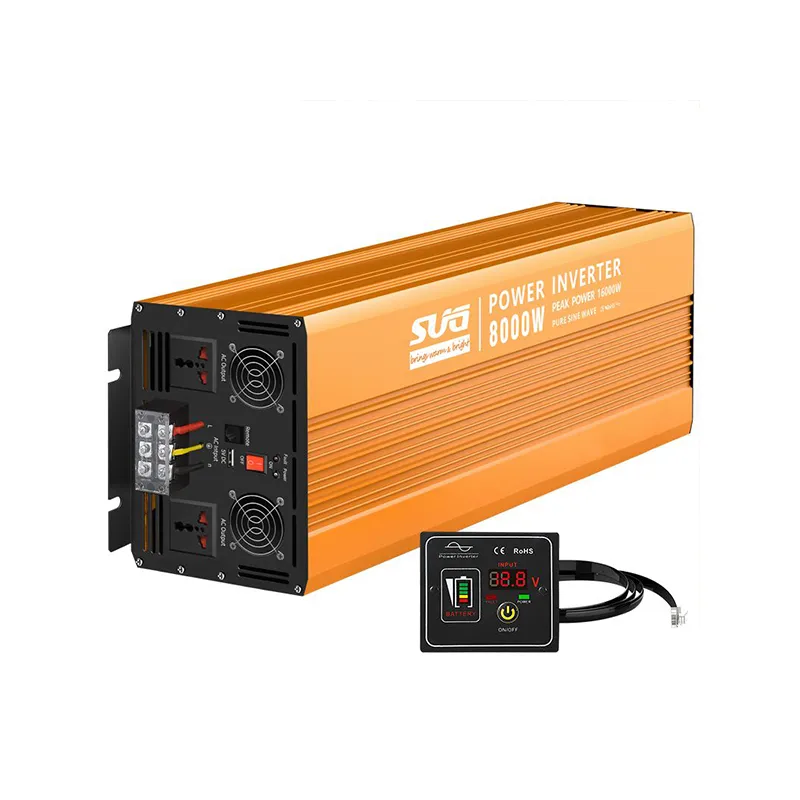
SGPE 8000W SGPE Series Pure Sine Wave Inverter With E Display
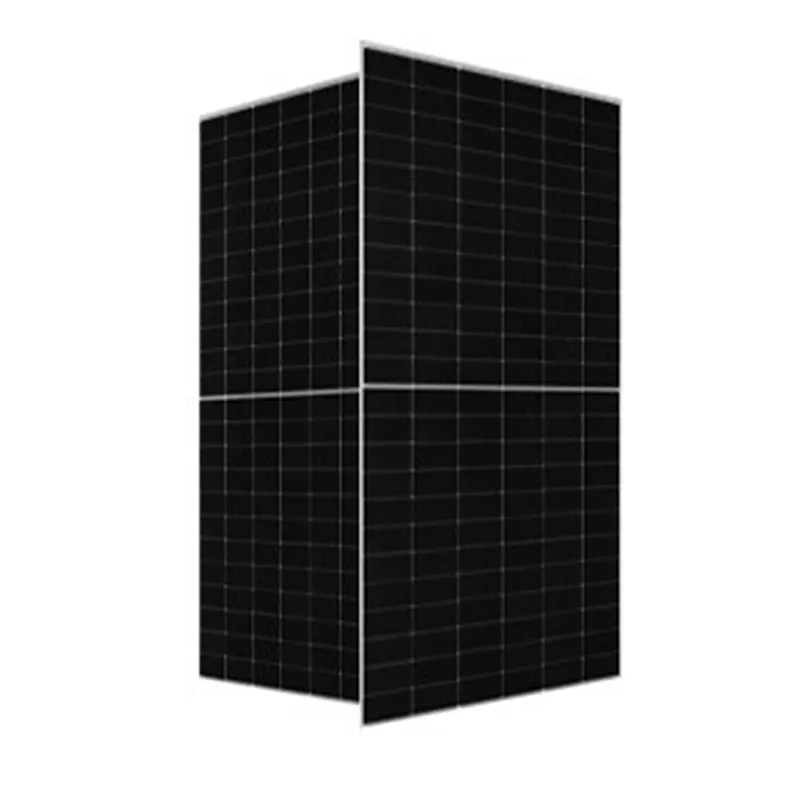
JA 610-635W N-Type Bifacial Double Glass Mono Module Solar Panel
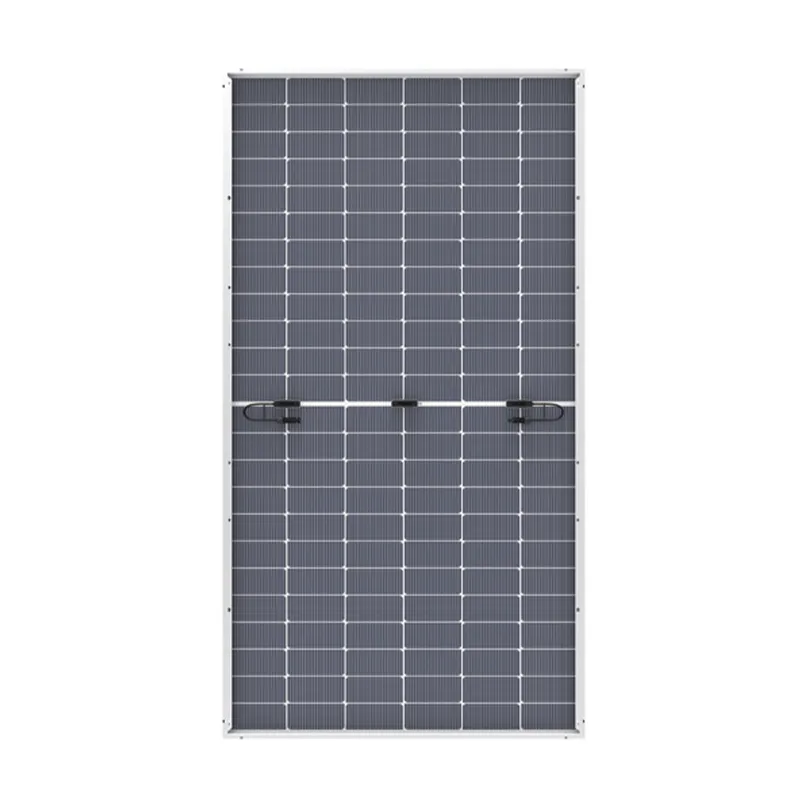
LONGi 585-620W Hi-MO7 Bifacial Half cell Solar Panel for Home
AIKO 445-460W N-Type ABC Dual-glass Solar Panel for Solar System
Knowledge Base
Solar Energy Frequently Asked Questions
Clear answers to help you make an informed decision about your home energy transition.
How do I determine the right size for a home solar system in Peru?
The correct size depends on your average monthly kilowatt-hour (kWh) consumption and the available roof space. You should analyze your utility bills from the last 12 months to identify peak usage patterns. In Peru, where solar irradiation varies by region, we calculate the necessary panel wattage by dividing your daily energy target by the local peak sun hours (typically 4-6 hours). A professional assessment will also consider the tilt angle and orientation of your roof to maximize efficiency.
What is the typical investment and ROI period for residential solar?
Investment varies based on system capacity and the inclusion of energy storage batteries. While the initial cost can be significant, the ROI is achieved through the elimination or drastic reduction of monthly electricity bills. In the Peruvian market, depending on the local tariff rates and solar exposure, most homeowners see a full return on investment within 4 to 7 years. Given that high-quality panels are warranted for 25 years, the system provides free energy for nearly two decades after the payback period.
Can an off grid solar system really power a full-sized house?
Yes, but it requires careful planning of the energy load. A complete off-grid system consists of a solar array, a robust battery bank, and a powerful inverter. To power a full house, you must prioritize "critical loads" (lighting, refrigeration, water pumps) and optimize high-energy appliances. For example, using energy-efficient induction stoves and LED lighting significantly reduces the battery capacity needed. The key is balancing the generation rate with the storage capacity to ensure power during rainy days or night-time.
How do I maintain my solar roof to ensure long-term efficiency?
Maintenance is relatively low but essential. The primary task is keeping the panels clean; dust, bird droppings, and pollution can create "shading" that reduces output. In coastal Peru, removing salt deposits with fresh water is recommended. Additionally, annual inspections of the electrical connections and inverter health are advisable to prevent energy leaks. Using a monitoring app allows you to spot efficiency drops immediately, indicating when a cleaning or technical check is required.
Which certifications should I look for when buying solar panels?
You should look for a combination of quality management and product safety certifications. ISO 9001 ensures a consistent manufacturing process. For the panels themselves, IEC 61215 and IEC 61730 are the global benchmarks for design and safety. Additionally, CE, TUV SUD, and UL certifications indicate that the product has passed rigorous testing for electrical safety and environmental durability. Avoiding uncertified products reduces the risk of electrical fires and ensures the manufacturer's power output guarantees are authentic.
What is the first step to starting my home solar transition?
The first step is a detailed energy audit. Gather your electricity bills from the past year to understand your consumption peaks. Next, evaluate your roof's orientation and available area to see how many panels can be installed. Once you have this data, consult with a specialized provider to design a system that matches your budget and energy goals—whether that is complete independence or just reducing costs. Establishing a clear set of requirements ensures you don't overspend on excess capacity or under-invest in insufficient storage.
Start Your Energy Journey
Ready to Secure Energy Independence for Your Home in Peru?
Whether you are looking to slash your urban electricity bills in Lima or establish a reliable power source in the remote Andes, Hebei BenJiu New Energy Technology provides the certified hardware and expertise needed for a seamless transition. Stop relying on an unstable grid and start investing in a sustainable future. Our team is ready to help you design a system that fits your local climate and energy needs perfectly.
Request a Consultation