Advanced off grid solar system Solutions for Bolivia

Empowering Bolivian homes and businesses with high-efficiency solar technology tailored for the Altiplano and Amazonian terrains.

Current State of Solar Energy in Bolivia

Analyzing the adoption of renewable energy in the heart of South America.

Bolivia possesses some of the highest solar irradiation levels globally, particularly in the Altiplano region. However, the geographical challenge of extreme altitude and rugged terrain makes traditional grid expansion difficult, driving a massive surge in the demand for solar panels for home applications in rural communities.

Economically, the shift is driven by the need for energy sovereignty. Many remote areas in the Potosí and Oruro departments are bypassing centralized grids entirely, opting for independent home solar system configurations to power basic lighting, refrigeration, and communication tools.

Despite the potential, the market faces challenges such as high import duties and a lack of localized technical maintenance. This has created a gap for high-durability equipment that can withstand the intense UV radiation of the high Andes and the humidity of the lowland tropical zones.
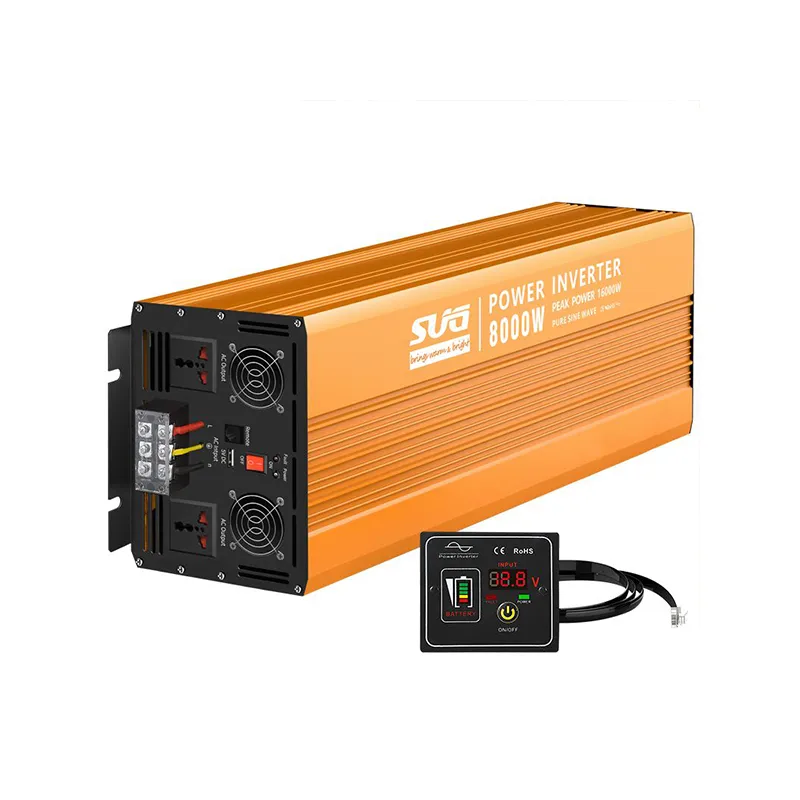
Evolution and Trajectory of Bolivian Solar Tech

From basic lighting to integrated smart energy management.

Market Development History

In the early 2000s, solar adoption in Bolivia was limited to small-scale government-funded projects focusing on basic LED lighting for rural schools and health clinics, using low-efficiency polycrystalline cells.

Between 2010 and 2020, there was a transition toward modular off grid solar system setups. The introduction of MPPT charge controllers and deep-cycle gel batteries allowed for more stable power delivery for domestic use.

From 2021 to the present, the focus has shifted toward high-efficiency Mono-PERC technology and the integration of solar roof designs that combine structural integrity with energy production, optimizing space in urban centers like La Paz and Santa Cruz.

Future Development Trends

Lithium-Ion Storage Synergy

Given Bolivia's vast lithium reserves, the next 3 years will see a localized integration of LiFePO4 batteries, significantly reducing the cost and weight of energy storage for residential systems.

Bifacial Module Adoption

Due to the high Albedo effect from the salt flats and snow-capped peaks, bifacial panels will become the standard to capture reflected light, increasing yield by up to 25%.

Smart Grid Decentralization

The trend is moving toward "Micro-grids" where multiple home solar system units are networked to share surplus energy within a community.

Industry Trends and Future Outlook

Forecasting the leap in renewable infrastructure for the Bolivian market.

AI-Driven Energy Optimization
Implementation of AI algorithms to predict weather patterns in the Andes and optimize battery discharge cycles.
Hybrid Inverter Dominance
Shift toward hybrid systems that seamlessly switch between solar, battery, and backup generators for 100% uptime.
Extreme Environment Hardening
Developing components with IP68 ratings to resist the dust of the Altiplano and the heavy rains of the Amazon.
Integrated BIPV Systems
Building-Integrated Photovoltaics (BIPV) becoming standard in new urban constructions in Santa Cruz.

Industry Outlook

Google search trends indicate a growing interest in "energy independence" and "cost-effective solar" within Bolivia, suggesting that the market is moving from a niche luxury to a basic utility requirement.

We expect a 40% increase in the installation of solar roof systems over the next five years as financing options become more accessible for middle-income households.

Localized Application Scenarios in Bolivia

Tailored energy solutions for the unique geographic zones of Bolivia.

1. High-Altitude Rural Electrification (Altiplano)

Deploying robust off grid solar system units for remote farming communities in Potosí, providing power for water pumps and night-time lighting.

2. Urban Residential Retrofitting (La Paz/El Alto)

Installing space-efficient solar panels for home on steep-sloped roofs to reduce dependence on the city grid and lower electricity bills.

3. Tropical Agribusiness Power (Santa Cruz)

Using large-scale solar energy arrays to power irrigation systems and cold storage for soy and sugarcane produce.

4. Eco-Tourism Lodge Power (Amazon Basin)

Implementing discreet home solar system setups for jungle lodges, ensuring zero-emission power without disturbing the local ecosystem.

5. Remote Mining Site Support (Oruro)

Integrating industrial-grade solar roof structures for site offices and equipment charging stations to replace expensive diesel generators.

Brand Story

Global Development History of Hebei Benjiu New Energy Technology Co., Ltd.

Founding Vision

Established with the mission to democratize high-efficiency energy, we focused on solving the stability issues of solar components in extreme climates.

Technical Breakthrough

Developed proprietary cell bonding technology that increased heat dissipation, essential for high-UV environments like the Bolivian highlands.

Global Expansion

Expanded into South American markets, optimizing logistics and technical support to ensure fast deployment of off-grid solutions.

Sustainability Milestone

Achieved a milestone of powering 10,000+ remote homes globally, significantly reducing CO2 emissions in underserved regions.

Future Commitment

Continuing to innovate in energy storage and smart grid tech to lead the transition toward a 100% renewable future.

Bolivian Solar Energy FAQ

Answers to the most common questions regarding residential solar installation in Bolivia.

How many solar panels for home are needed for a typical house in La Paz?

Depending on energy consumption, a typical home usually requires 4 to 8 high-efficiency panels. Due to the high altitude, we recommend panels with better temperature coefficients to maximize output.

Can an off grid solar system support heavy appliances like refrigerators?

Yes, by using a properly sized inverter and a LiFePO4 battery bank, an off-grid system can easily handle refrigerators and other high-load appliances.

Is a solar roof more durable than traditional panels in the Amazon region?

Solar roofs are integrated into the structure, providing an extra layer of protection against heavy tropical rains and wind, making them a highly durable choice for the lowlands.

What is the average lifespan of a home solar system in Bolivia?

Our solar panels typically last 25+ years, while modern lithium batteries offer 10-15 years of service, ensuring long-term energy security.

How does solar energy performance change during the rainy season?

While output drops during heavy cloud cover, high-efficiency Mono-PERC panels are designed to capture diffuse light, maintaining a baseline of power generation.

Are there government incentives for installing residential solar in Bolivia?

Various regional programs and international grants support rural electrification. We recommend checking with local energy authorities for current subsidies on renewable equipment.

Ready to Switch to Solar?

Get a customized energy audit and professional installation plan for your property in Bolivia.

Contact Us Now

If you are interested in our products, you can choose to leave your information here, and we will be in touch with you shortly.