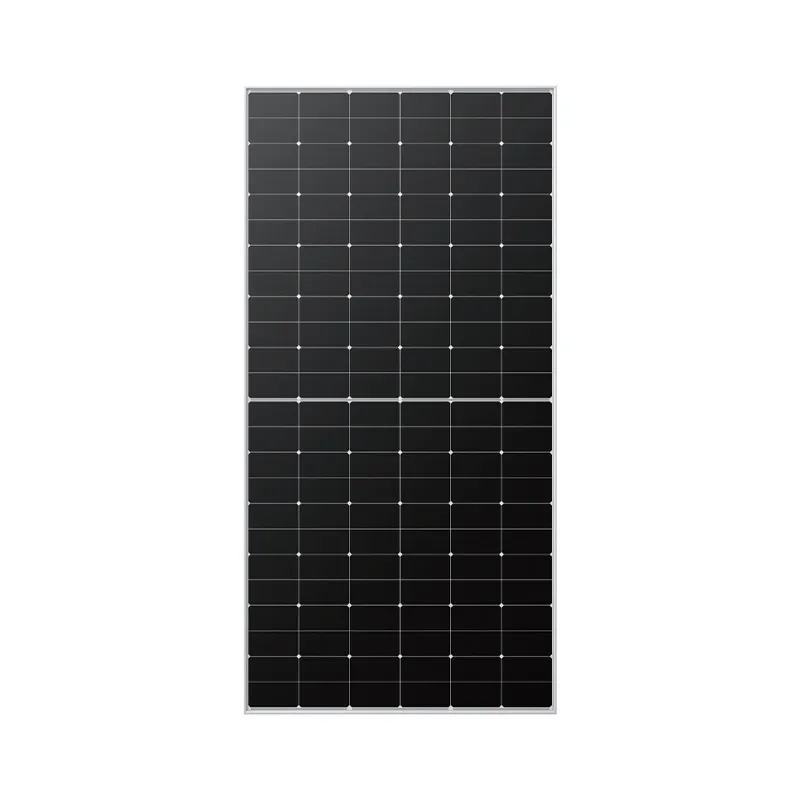
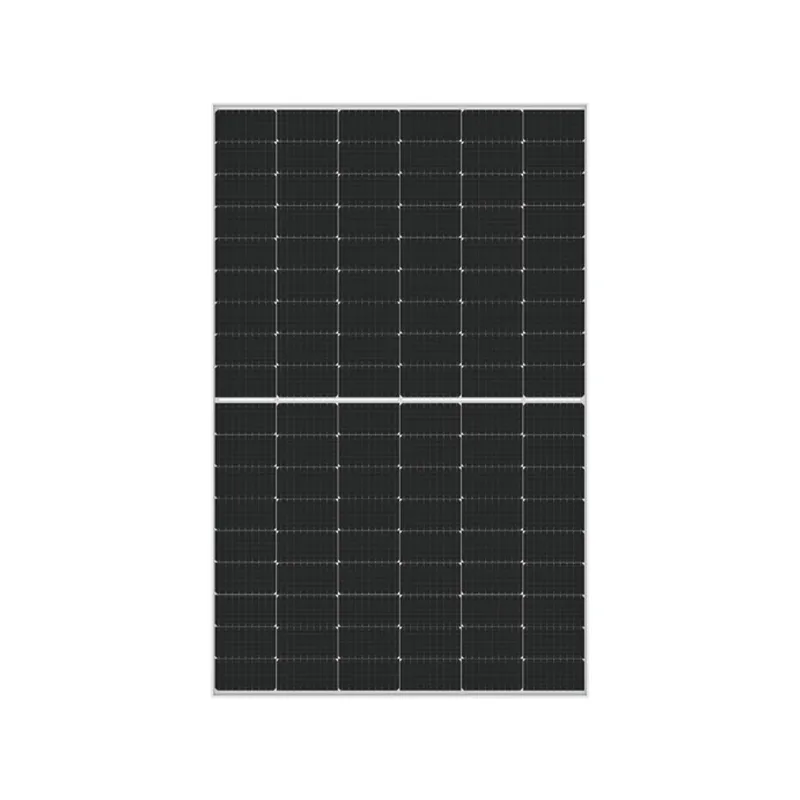
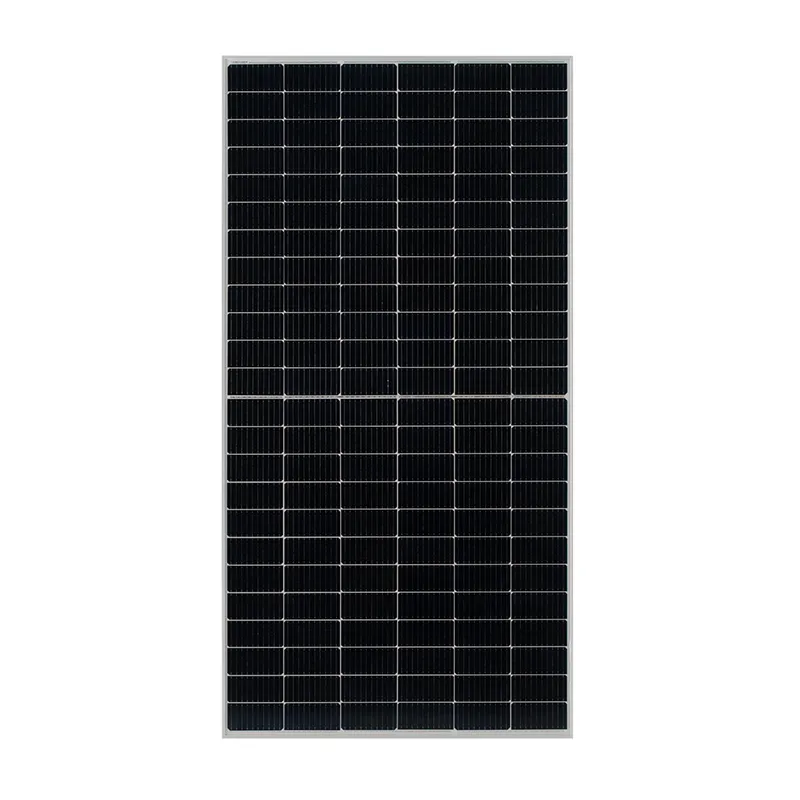
75 Watt Solar Panel: Compact, Efficient Solar Power for Every Need
What Is a 75 Watt Solar Panel and Why Does It Matter?
Solar energy is no longer just a buzzword or a niche trend. It’s a cornerstone of how the world plans to power itself more sustainably and reliably. A 75 watt solar panel might sound like a modest player in the vast solar arena, but these panels hold a crucial spot—especially when you consider off-grid solutions, small-scale applications, and humanitarian projects around the globe.
Understanding a 75 watt solar panel isn't just about specs or energy output. It’s about tapping into a global shift towards cleaner energy, addressing electrification challenges in remote areas, and empowering communities previously left in the dark (quite literally). With organizations like the United Nations pushing sustainable development goals (SDG 7: Affordable and Clean Energy), these small-scale panels contribute quietly but meaningfully to a better future.
Mini takeaway: 75 watt solar panels are key pieces in the big solar puzzle—small but mighty contributors to sustainable electrification.
Global Perspective: Why the 75 Watt Solar Panel Matters Today
Globally, over 770 million people still lack access to electricity (World Bank, 2023). Solar panels rated at 75 watts are tailor-made for providing power in rural and off-grid regions where traditional infrastructure simply can’t keep up. According to the International Energy Agency (IEA), decentralized solar systems are the fastest-growing solution to this problem, often representing cost-effective, modular options for households and small businesses.
These panels are versatile—they fit on rooftops, power lanterns, run small appliances, and serve as the backbone for solar lighting kits. As policy makers aim for net-zero carbon emissions, these modest panels scale out their impact beyond urban mega-projects, reaching grassroots applications where energy poverty intersects with climate action.
Mini takeaway: The 75 watt solar panel acts as a bridge between urgent electrification needs and global climate targets.
What Is a 75 Watt Solar Panel? Breaking It Down
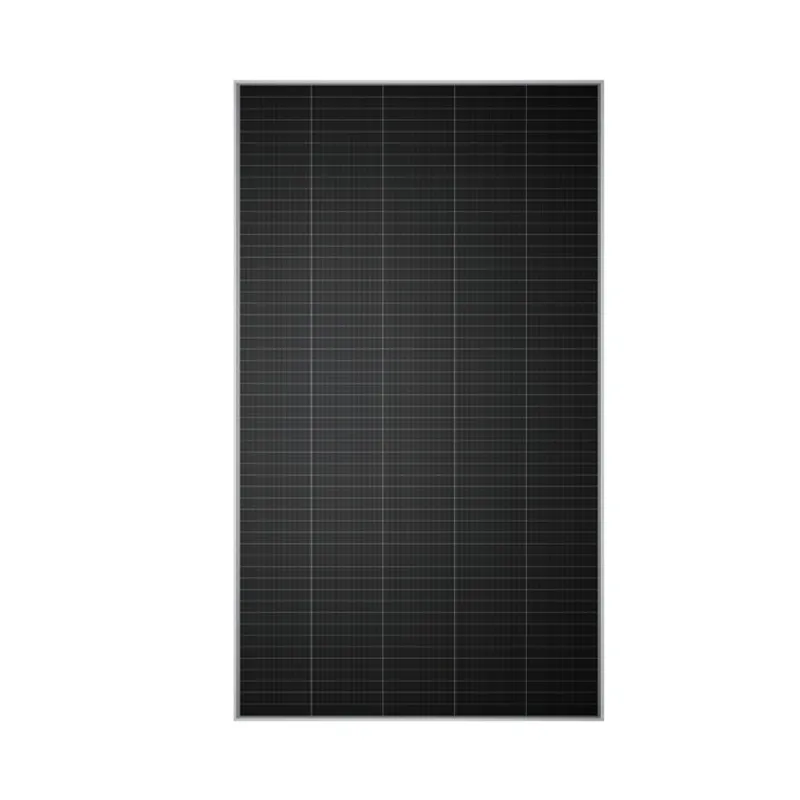
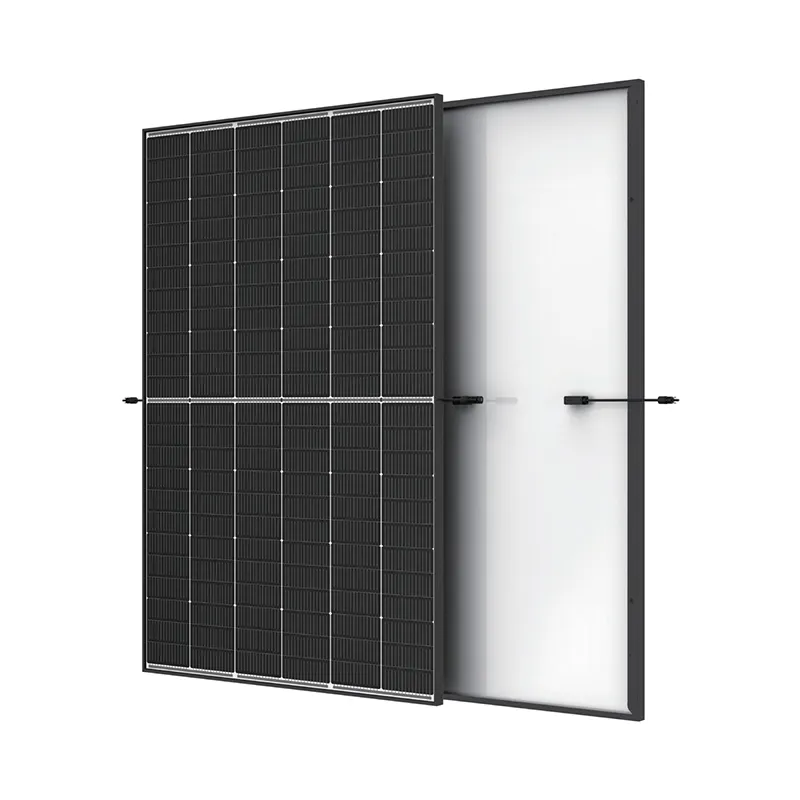
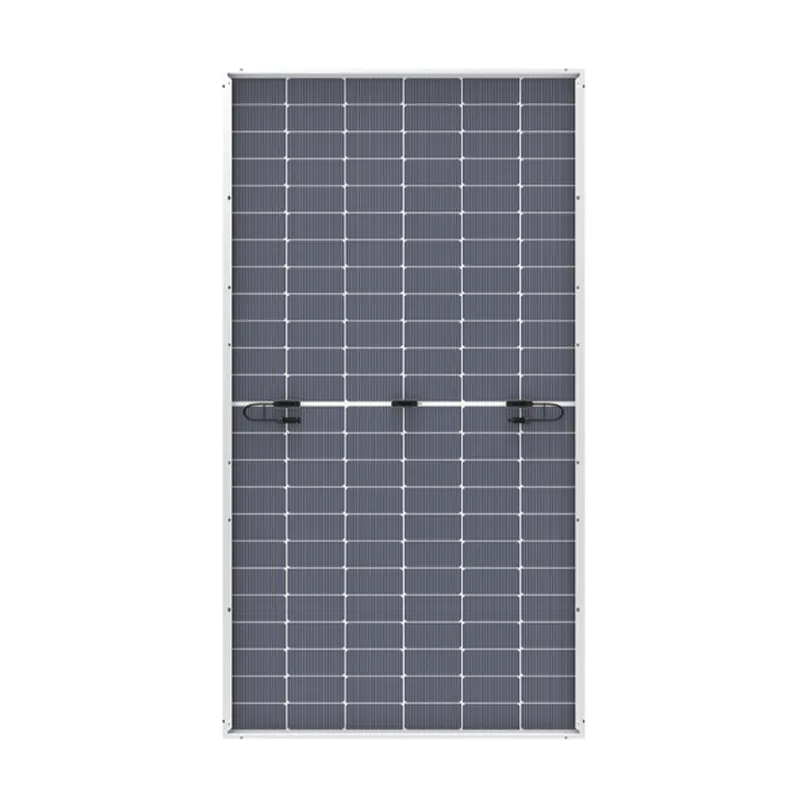
Simply put, a 75 watt solar panel is a photovoltaic module designed to convert sunlight into roughly 75 watts of electrical power under standard test conditions. That’s enough juice to power small devices like LED lighting, charge mobile phones, or even run small water pumps in off-grid settings.
Unlike the massive solar arrays you see on commercial rooftops or fields, 75 watt panels are compact, portable, and affordable. Their size and power output make them ideal for individual or small-scale use—think of them as the “handy tool kit” in the toolbox of solar solutions.
On a humanitarian note, these panels serve as critical lifelines in disaster-stricken zones, refugee camps, or remote clinics where grid power is unavailable or unreliable.
Core Components and What Makes These Panels Tick
1. Durability and Weather Resistance
These panels must handle a variety of environments—from dusty deserts to humid tropics. Most 75 watt panels come encased in tempered glass with aluminum framing, rated IP65 or higher, resisting rain, hail, and grime. For many users, this means less worry about whether the panel will survive the seasons.
2. Portability & Ease of Use
Weighing generally between 3-5 kg, these panels are light enough to be transported easily. Some come with foldable or semi-flexible designs, allowing for quick deployment in mobile setups or emergency scenarios.
3. Cost Efficiency
Given their small size, 75 watt panels strike a good balance between upfront investment and resulting power—sometimes costing only $50–$100 wholesale, depending on brand and quality. This affordability opens doors for NGOs, individual buyers, and small enterprises alike.
4. Compatibility & Scalability
One panel alone can power a few devices, but thanks to modularity, multiple panels can be chained together easily to scale output. This scalability is crucial in systems that grow along with demand or budget.
5. Performance & Efficiency
Modern panels boast efficiencies from around 15% to 19%, meaning a fair chunk of the sunlight they capture actually turns into usable power. Mono-crystalline panels generally outperform poly-crystalline variants here, especially in limited space installations.
6. Longevity
Most 75 watt panels come with warranties from 10 to 25 years, indicating the expected sustainable performance lifespan—a key consideration for long-term program planning or private ownership.
Mini takeaway: These panels combine ruggedness, affordability, and flexibility, making them remarkably practical for diverse solar needs.
Global Applications & Who’s Using These Panels?
From South Asia’s sun-drenched villages to Sub-Saharan Africa’s sprawling rural communities to emergency relief in Caribbean hurricane zones—75 watt solar panels pop up in all sorts of practical scenarios:
- Off-grid homes: Supplemental lighting and phone charging
- Refugee camps: Powering medical refrigerators or communication hubs
- Remote industrial sites: Running sensors, tools, or security cams
- Environmental monitoring stations: Feeding power to measurement equipment
- Leisure & outdoor use: Camping, boating, or small RVs
For example, in the 2022 floods in Pakistan, aid groups deployed portable solar kits built around 75 watt panels to restore critical communications quickly. Likewise, many rural electrification projects subsidize these panels for affordable household access.
Advantages & Why Investing in 75 Watt Solar Panels Pays Off Long-Term
Beyond the obvious—renewable, clean energy—the tangible perks here are multifold:
- Economic savings: No monthly electricity bills; reduced reliance on costly diesel generators.
- Social impact: Improved education and health via reliable lighting and device charging.
- Environmental benefits: Reduced greenhouse gas emissions versus fossil fuels.
- Ease of maintenance: Minimal moving parts, usually just a wipe-down here and there.
- Safety and dignity: Providing power means safer homes after dark and better quality of life.
Frankly, it’s also empowering—a small solar panel can spark a big change for a family or community previously living without light after sunset.
Future Trends: What’s Next for 75 Watt Solar Panels?
We’re seeing gradual but important innovations shaping this space:
- Higher efficiency materials: Perovskite and tandem cells promise better conversion rates.
- Integrated smart tech: Panels linked to IoT systems for monitoring and optimization.
- Lighter & flexible designs: Making deployment even easier in rough terrain or on irregular surfaces.
- Recycling & circular economy: Manufacturers developing eco-friendly end-of-life panel programs.
- Policy incentives: More countries adopting subsidies for small solar solutions, amplifying market reach.
Oddly enough, as grid technologies become smarter and more distributed, these panels become little nodes in a much bigger energy conversation.
Common Challenges & How Experts Overcome Them
75 watt panels aren’t perfect. Some hurdles include:
- Limited power output: Enough for basics but not for heavy consumption.
- Weather dependency: Performance dips on cloudy days or poor sun angles.
- Storage needs: Requires batteries or other solutions to provide power when the sun isn’t shining.
Experts suggest pairing these panels with robust battery systems, energy-efficient appliances, and clever load management to maximize value. Plus, combining solar with other renewables—like small wind turbines—can smooth power supply.
Product Specification Table: Typical 75 Watt Solar Panel
| Specification | Details |
|---|---|
| Power Output (W) | 75 Watts |
| Dimensions (mm) | 670 x 330 x 25 |
| Weight (kg) | 3.8 kg |
| Panel Type | Monocrystalline / Polycrystalline |
| Efficiency | 15% - 18% |
| IP Rating | IP65 or higher |
| Warranty | 10 - 25 years |
Vendor Comparison: Market Leaders in 75 Watt Solar Panels
| Feature | SolarTech Co. | EcoSun Panels | GreenVolt Solutions |
|---|---|---|---|
| Panel Type | Monocrystalline | Polycrystalline | Monocrystalline |
| Efficiency | 18% | 15% | 17.5% |
| Warranty | 25 years | 15 years | 20 years |
| Price (USD) | $90 | $70 | $85 |
| IP Rating | IP67 | IP65 | IP66 |
FAQ: Your 75 Watt Solar Panel Questions Answered
- Q: How long can a 75 watt solar panel power a small LED light?
A: Typically, such a panel can run a 5-watt LED light continuously for about 12-15 hours a day with full sun exposure, assuming proper battery storage. This makes it ideal for basic household lighting needs. - Q: Can I connect multiple 75 watt solar panels to increase power output?
A: Absolutely. These panels are designed to be combined in series or parallel circuits, allowing you to scale your system and power larger devices or multiple loads. - Q: Are 75 watt solar panels suitable for charging electric vehicles?
A: For now, they’re better suited as supplementary chargers rather than the sole source for EVs. EV batteries demand much higher power, but 75 watt panels can help maintain smaller batteries or run auxiliary systems. - Q: How do weather conditions affect the efficiency of 75 watt panels?
A: Cloud cover, shading, and dirt all reduce output. On overcast days, expect 10-25% of rated power. Regular cleaning and optimal positioning help maintain performance. - Q: Can NGOs import 75 watt solar panels for international humanitarian projects easily?
A: Most manufacturers and distributors comply with export regulations and assist with shipping logistics. It’s wise to verify certifications like IEC standards to ensure quality and customs compliance.
Wrapping Up: Why the 75 Watt Solar Panel Stands Out
In the sprawling world of solar, it’s easy to overlook something as “small” as a 75 watt solar panel. Yet, as I’ve often noticed in fieldwork and industry talks, these panels are quietly revolutionary. They offer a simple, adaptable way to bring light and power to places that need it most—affording dignity, economic opportunity, and climate-friendly energy all wrapped in one small package.
Curious to see how a 75 watt solar panel can power your project, home, or mission? Visit our website for detailed specs, purchasing options, and expert support: https://www.benjiusolar.com.
References:1. World Bank Data on Energy Access (2023): https://data.worldbank.org/indicator/EG.ELC.ACCS.ZS
2. International Energy Agency (IEA) Solar Report (2022): https://www.iea.org/reports/solar-pv
3. United Nations Sustainable Development Goals – Goal 7: https://sdgs.un.org/goals/goal7
-
Designing a Modern Home Roof Made Out of Solar Panels GuideNewsApr.16,2026
-
Guide to the Size of 150 Watt Solar Panel for Your ProjectNewsApr.09,2026
-
Understanding the Dimensions and Applications of a 200W Solar PanelNewsApr.07,2026
-
Understanding the Dimensions and Factors of a 330W Solar Panel SizeNewsApr.04,2026
-
Understanding the Size and Dimensions of a 4kW Solar Panel System for Your HomeNewsMar.31,2026
-
Comprehensive Guide to Sizing Your Solar System for Optimal Energy ProductionNewsMar.28,2026