600 Watt Solar Panel Price: A Comprehensive Guide to Cost, Benefits, and Market Trends
Understanding the 600 Watt Solar Panel Price: Powering a Sustainable Future
The quest for sustainable, affordable energy solutions is more urgent than ever. Among the innovations shaping this future is the 600 watt solar panel – a robust system capable of producing substantial renewable energy for various applications. But what does the 600 watt solar panel price truly signify in today’s global economy? Why should companies, governments, and individuals give it their attention? Understanding this pricing means getting a handle on the balance between cost, quality, and long-term environmental impact. Let’s take a deep dive.
Global Context: Why the 600 Watt Solar Panel Price Matters
Solar power capacity worldwide grew exponentially over the past decade, according to the International Renewable Energy Agency (IRENA). Prices of solar panels have dropped by nearly 90% since 2010, making mid-to-high wattage panels like the 600 watt type especially attractive for commercial and industrial uses. Yet, the price variable remains a huge challenge globally—balancing manufacturing costs, supply chain issues, and technological efficiency improvements. The 600 watt solar panel price reflects both market trends and the evolving appetite for energy independence.
In real terms, developing regions depend heavily on affordable solar power to electrify communities, while industrial zones seek cost-effective, durable sources. Oddly enough, what feels like a straightforward price tag is actually a window into the progress and setbacks of green energy adoption.
What Is the 600 Watt Solar Panel Price?
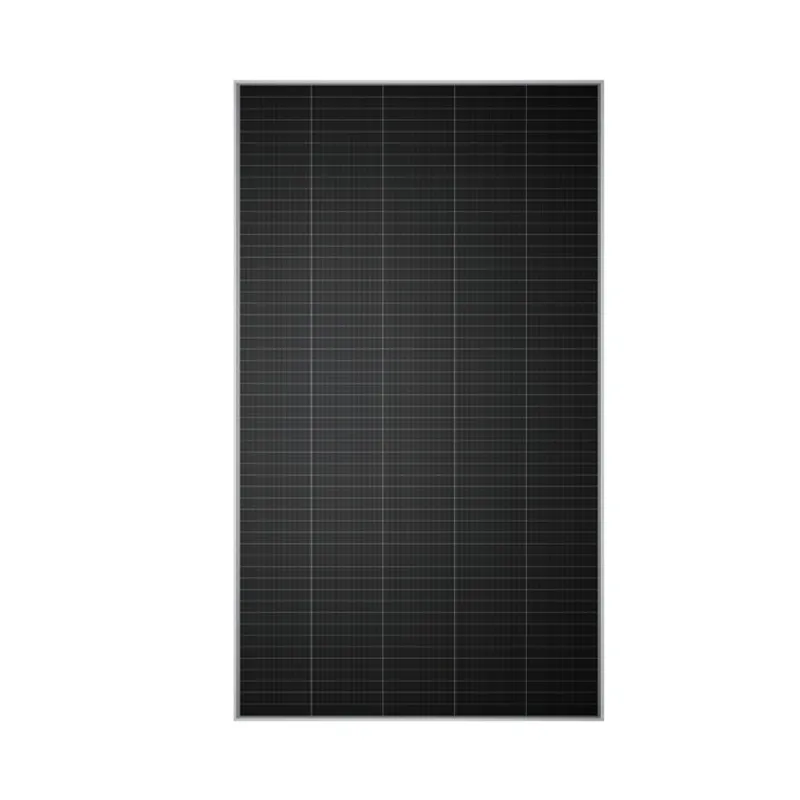
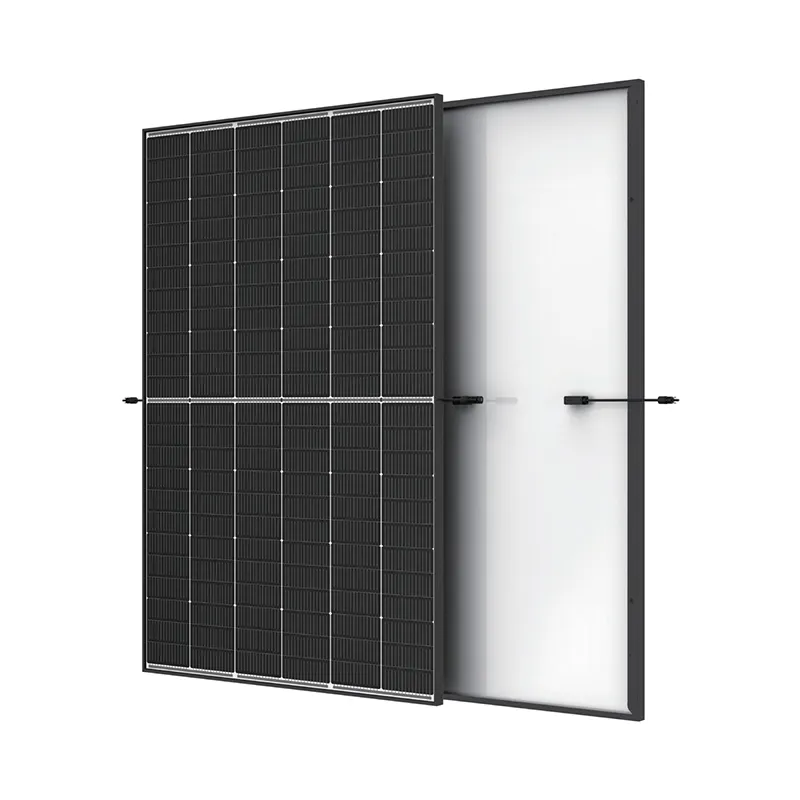
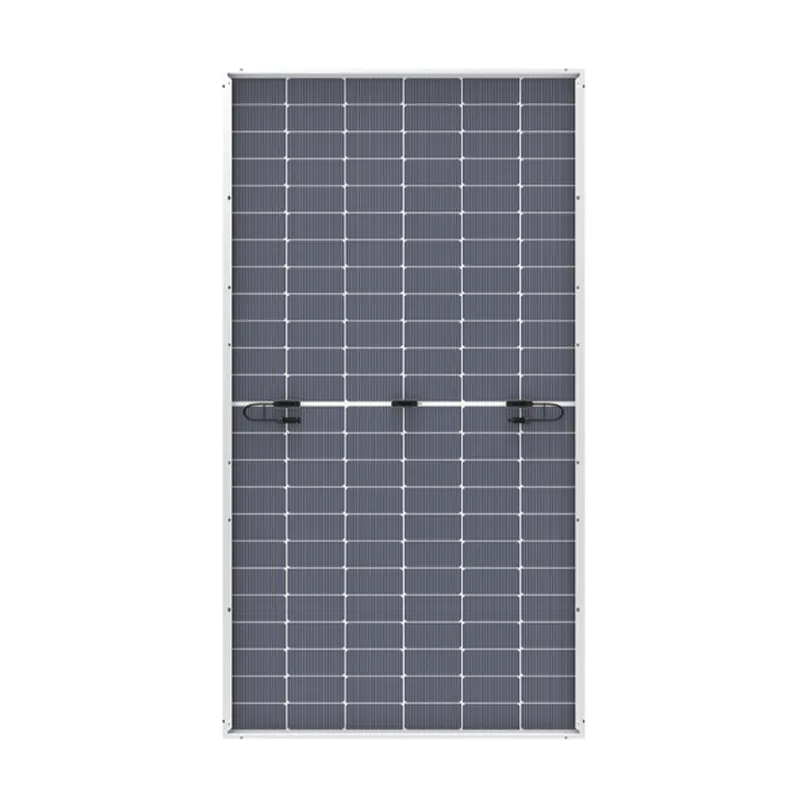
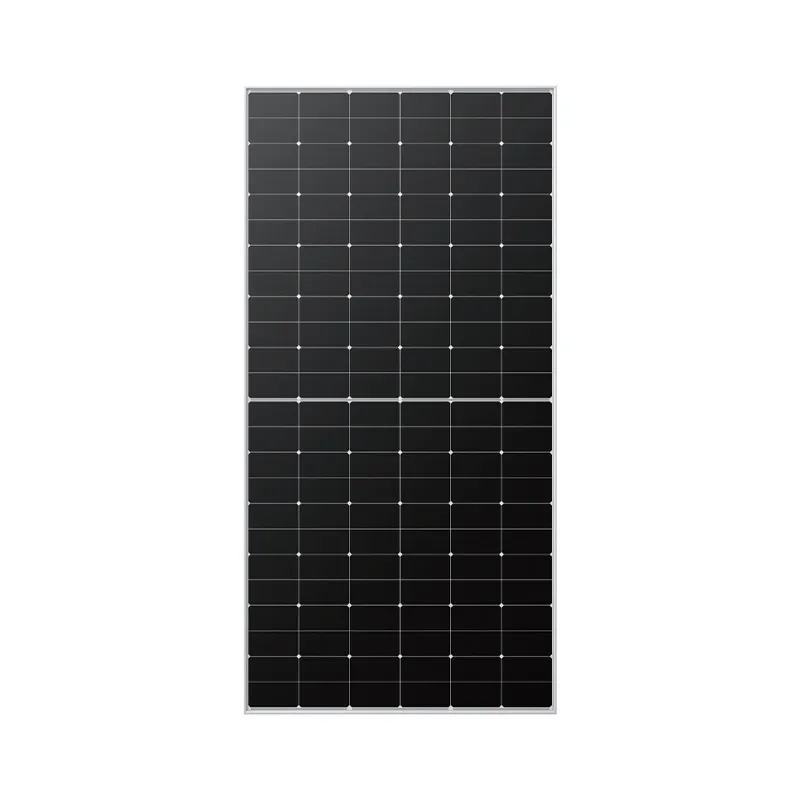
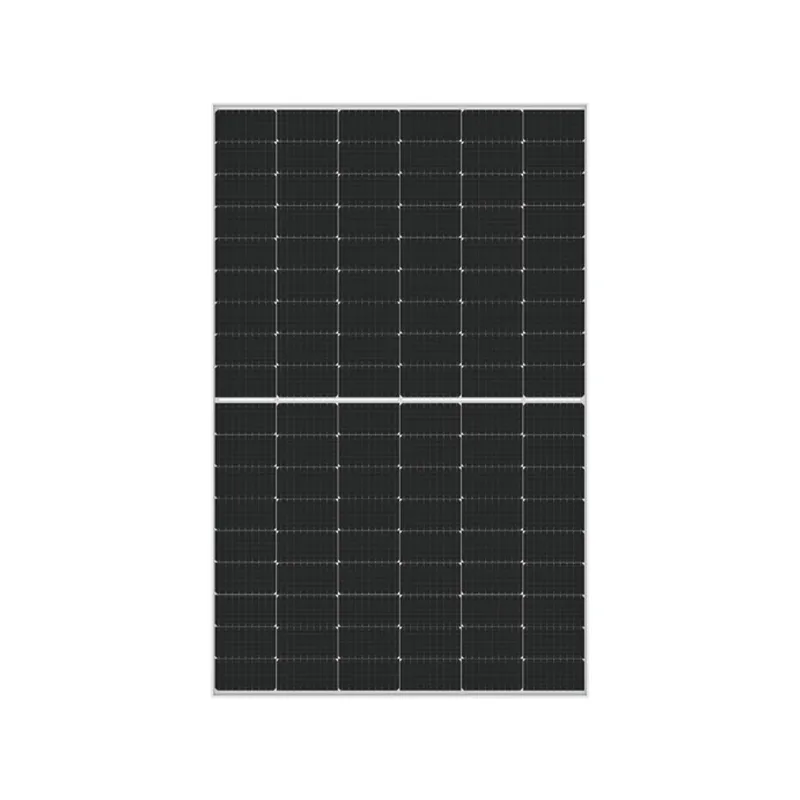
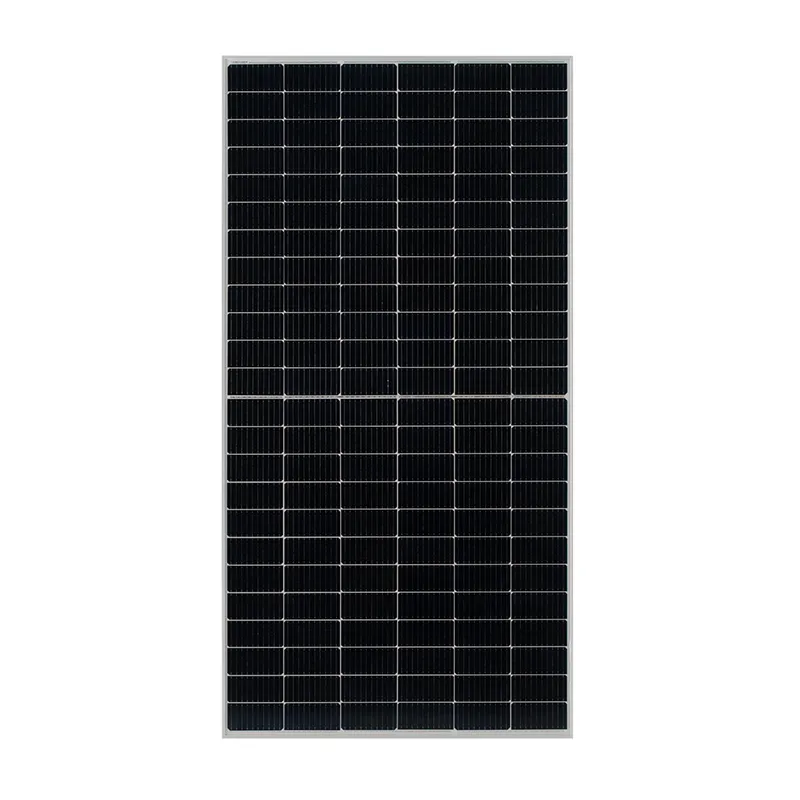
Simplistically, it’s the market cost to buy a solar panel that produces approximately 600 watts under standard test conditions. This isn’t just a number; it relates directly to the panel's efficiency, size, materials, and warranty. For humanitarian projects, commercial firms, or off-grid users, this pricing dictates accessibility and scalability. In short, understanding this price helps industries adapt rapidly to the clean-energy transition.
Key Components Affecting 600 Watt Solar Panel Price
1. Durability and Build Quality
Materials—like tempered glass, quality cells (monocrystalline or polycrystalline), and frame metals—create a resilient but affordable panel. Panels designed for rough environments, such as remote mining or disaster zones, will cost more upfront but save money long term.
2. Efficiency Ratings
High-efficiency cells produce more wattage in a smaller area, often pushing prices up. But efficiency gains typically mean fewer panels for the same output, reducing installation and maintenance costs overall.
3. Manufacturing Scale & Supply Chain
Mass production drives prices down, but recent global supply chain hiccups—like those seen during the pandemic—have introduced material shortages affecting pricing volatility.
4. Warranty & Certification
Panels that come with longer warranties or certifications from recognized bodies (e.g., IEC, UL) cost more but offer peace of mind and reliability — often crucial for institutional buyers.
Typical 600 Watt Solar Panel Specifications
| Specification | Typical Value |
|---|---|
| Power Output | 600 Watts (Wp) |
| Dimensions | Approx. 2.3m x 1.1m |
| Efficiency | 18% - 21% |
| Weight | ~32 kg |
| Warranty | 10-25 years |
Global Applications & Real-World Use Cases
The 600 watt solar panel price is more than a number; it’s a gateway to countless applications worldwide. For instance:
- Remote Industrial Zones: Mining operations in Australia and Canada rely on mid-sized panels to supply equipment without constant fossil fuel use.
- Post-Disaster Relief: NGOs deploy solar kits with 600 watt panels to power medical facilities and communications after natural disasters.
- Residential Solar Farms: Suburban home developers increasingly install 600 watt panels for their balance of power and installation footprint.
- Emerging Markets Electrification: African and Southeast Asian rural electrification projects are scaling with these panels due to their cost-effectiveness and output.
Those examples barely scratch the surface. This panel size often hits the sweet spot — enough power for a variety of needs, not too large to require oversized mounts or complicated setups.
Vendor Comparison: Pricing and Features
| Vendor | Price per Panel (USD) | Warranty (Years) | Efficiency (%) |
|---|---|---|---|
| Benjiu Solar | $220 - $250 | 25 | 20.5 |
| SolarTech Inc. | $240 - $270 | 20 | 19.7 |
| GlobalSun | $210 - $230 | 10 | 18.8 |
Advantages & Long-Term Value of Investing in 600 Watt Panels
One of the big draws here is cost efficiency — you often get more watts per dollar compared to smaller panels. That brings more solar power within reach. Sustainability is another core benefit; these panels reduce reliance on fossil fuels and cut greenhouse gas emissions.
Plus, there’s the social impact. Reliable solar power means communities can access lighting, communications, and services that enhance daily life and safety, particularly in underserved regions. The emotional factor of “energy independence” can’t be overstated — it’s empowering and fosters innovation.
Future Trends & Innovations in Solar Panel Pricing
Looking forward, the 600 watt solar panel price will likely shift due to:
- Advances in cell technology: PERC, bifacial, and tandem cells are squeezing more power from the same footprint.
- Green manufacturing processes: Reducing carbon footprints along the supply chain could impact cost and market preference.
- Digital integration: Smart panels with IoT capabilities might influence pricing with value-added features.
Policy incentives and global climate commitments, like those stemming from the Paris Agreement, will also shape market dynamics.
Challenges & Solutions
Pricing volatility from raw material shortages and tariffs can make budgeting tough. Modular installation challenges and transport logistics sometimes add hidden costs. But many suppliers now offer turnkey solutions and financing models easing upfront expenses.
Additionally, improved supply chain transparency and local manufacturing hubs are helping stabilize prices and support regional economies.
FAQ: Frequently Asked Questions About 600 Watt Solar Panel Price
- Q: What factors primarily determine the 600 watt solar panel price?
- A: Mostly materials quality, manufacturing scale, efficiency, and warranty length. Also, global supply chain and local policies affect prices.
- Q: Is investing in a 600 watt panel cost-effective for residential use?
- A: Absolutely. They’re ideal for homes needing substantial power but limited roof space, providing a good balance of output and cost.
- Q: How does warranty impact the overall 600 watt solar panel price?
- A: Longer warranties usually raise initial costs but reduce long-term risk and replacement expenses.
- Q: Can these panels withstand harsh environments?
- A: Yes, reputable manufacturers design panels to endure snow, wind, and dust — crucial for remote or industrial conditions.
Conclusion: The Last Word on 600 Watt Solar Panel Price
All said, the 600 watt solar panel price is more than a purchase figure — it’s a key indicator of progress, sustainability, and global energy access. For businesses and communities alike, it represents a stepping stone toward resilience and innovation.
If you’re ready to explore options tailored for your need, the best starting point is to visit Benjiu Solar for competitive pricing and expert guidance.
To me, investing in quality solar panels today feels like booking a ticket to a cleaner, more self-reliant tomorrow.
References
-
Designing a Modern Home Roof Made Out of Solar Panels GuideNewsApr.16,2026
-
Guide to the Size of 150 Watt Solar Panel for Your ProjectNewsApr.09,2026
-
Understanding the Dimensions and Applications of a 200W Solar PanelNewsApr.07,2026
-
Understanding the Dimensions and Factors of a 330W Solar Panel SizeNewsApr.04,2026
-
Understanding the Size and Dimensions of a 4kW Solar Panel System for Your HomeNewsMar.31,2026
-
Comprehensive Guide to Sizing Your Solar System for Optimal Energy ProductionNewsMar.28,2026