500 kW Solar Plant Cost Explained: Budget, Benefits & Real-World Applications
Understanding the 500 kW Solar Plant Cost: Why It Matters for Today and Tomorrow
Solar energy has surged beyond a futuristic dream into a pressing global necessity. Companies, communities, and governments increasingly eye how they can tap into clean energy solutions. Among the many scales, a 500 kW solar plant stands out as a practical, mid-sized option for industrial facilities, small municipalities, or large agricultural setups. But to figure out if it’s a fit, a basic question looms: what does a 500 kW solar plant cost?
Grasping this cost doesn’t just help budgets; it anchors expectations about return on investment, environmental impact, and energy independence. As the world targets sustainability goals (the United Nations estimates that global renewable energy must grow by 300% by 2030 to meet climate targets), understanding these numbers is more than accounting — it’s strategic planning for resilience.
Global Context: Why 500 kW Solar Plants Are Gaining Traction
Let’s start broad. The International Renewable Energy Agency (IRENA) reports that solar photovoltaic (PV) capacity has been growing nearly 20% annually worldwide. While massive solar farms get headlines, mid-sized plants in the 500 kW range are quietly revolutionizing energy access.
Why? Because they satisfy a sweet spot — large enough to significantly offset power consumption but small enough to be affordable and deployable across diverse geographies. For example, rural hospitals or manufacturing plants can cut costs, reduce grid reliance, and move toward sustainability by investing in these systems.
However, the challenge often comes down to upfront expenditures. Financing the 500 kw solar plant cost and understanding ongoing maintenance expenses requires a clear-eyed approach so that stakeholders are not caught off guard midway.
Defining "500 kW Solar Plant Cost"
Put simply, 500 kW solar plant cost refers to the total expense involved in establishing a photovoltaic power system capable of producing 500 kilowatts of electric power under optimal conditions. This encompasses equipment, installation, land, inverters, wiring, permits, and sometimes battery storage.
From an industry standpoint, these systems are modular and scalable. They act as a bridge between small rooftop installations and large grid-level solar farms. Their affordability and efficiency make them key enablers of sustainable electrification even in emerging markets or challenging environments.
Key Factors Influencing 500 kW Solar Plant Cost
1. Equipment Quality & Technology
The choice of panels (monocrystalline vs. polycrystalline) and inverters heavily impact cost. High-efficiency panels cost more upfront but yield better power output and longer life spans.
2. Location and Site Preparation
If your plot is uneven, shaded, or difficult to access, earthworks and infrastructure costs climb fast. Some regions also require soil studies or environmental impact assessments.
3. Installation & Labor
Labor rates vary wildly by country and availability of skilled technicians. Often this can make or break project feasibility.
4. Financing & Incentives
Tax credits, subsidies, or grants can offset the price. However, these vary dramatically by jurisdiction, affecting the net cost.
5. Maintenance & Operational Costs
Though solar plants are known for low upkeep, inverter replacements, panel cleaning, and monitoring systems induce periodic spendings.
6. Energy Storage (Optional)
Batteries are optional but increasingly popular. They add to capital cost but increase plant autonomy and reliability.
Mini takeaway: The “500 kW solar plant cost” isn’t a static figure. Its final shape depends on equipment choice, geo-location, labor, and strategy.
Typical Specifications of a 500 kW Solar Plant
| Specification | Typical Value | Notes |
|---|---|---|
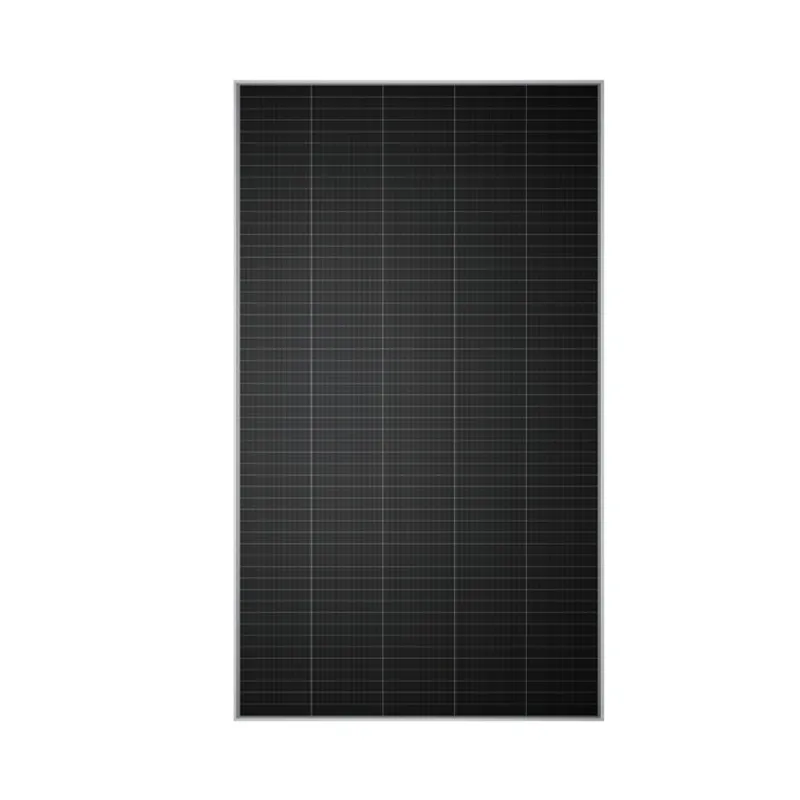
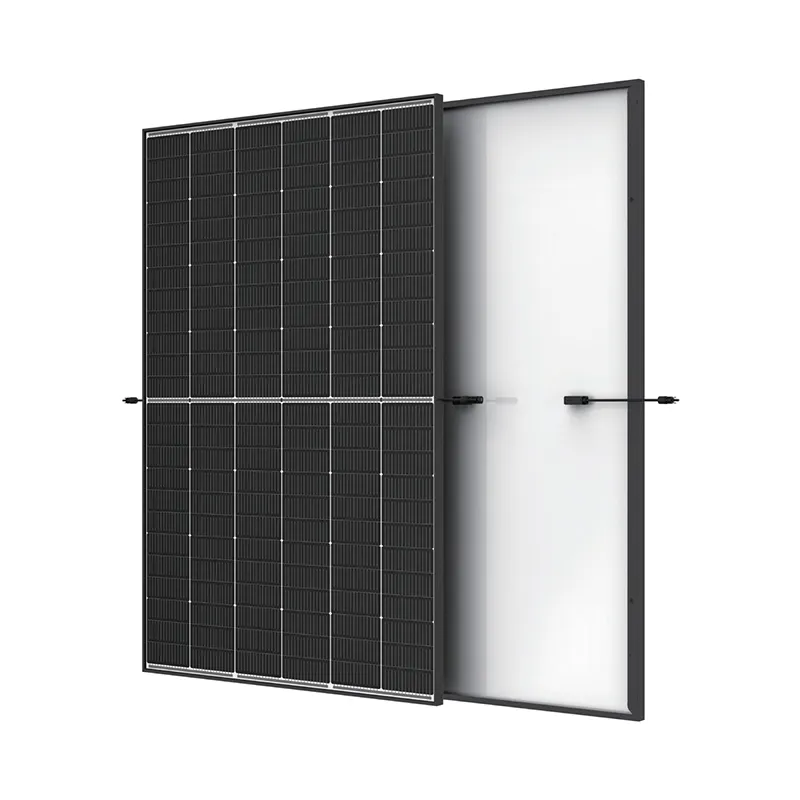
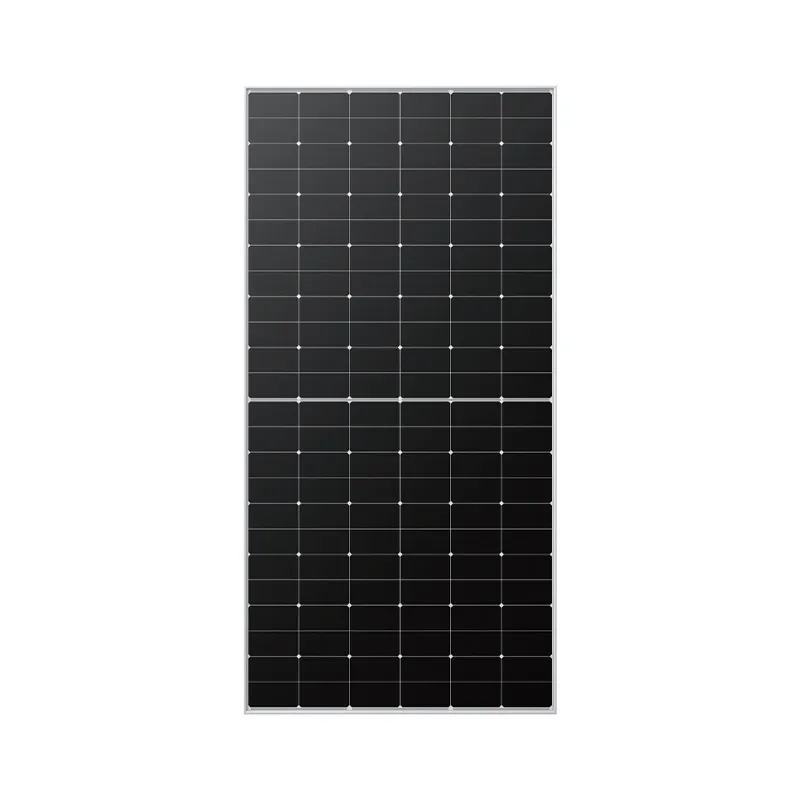
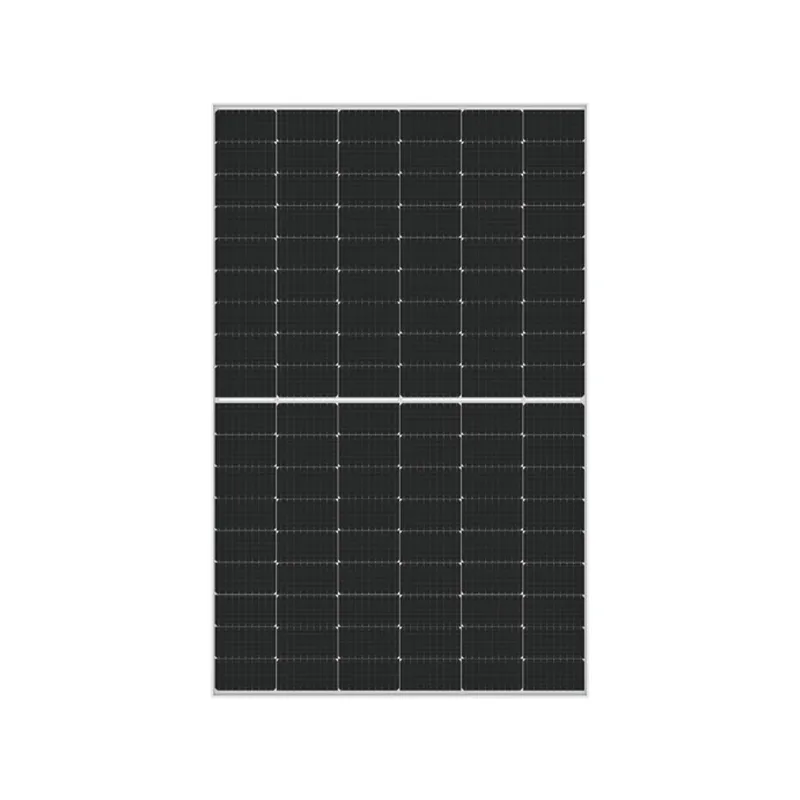
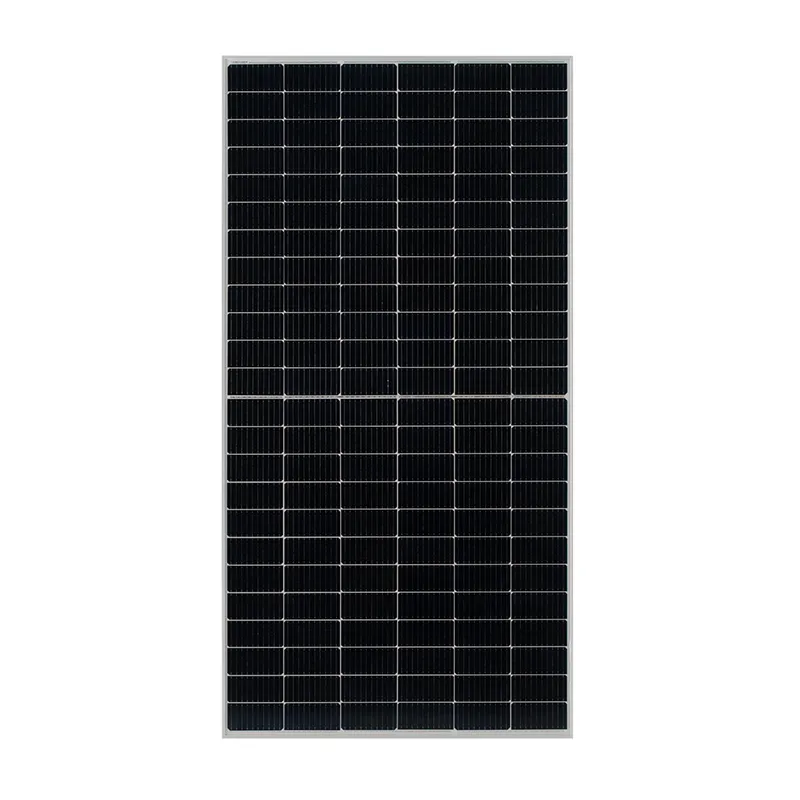
| Solar Panel Type | Monocrystalline | Higher efficiency (~20%) |
| Number of Panels | ~1,200 panels | Each ~400 Wp |
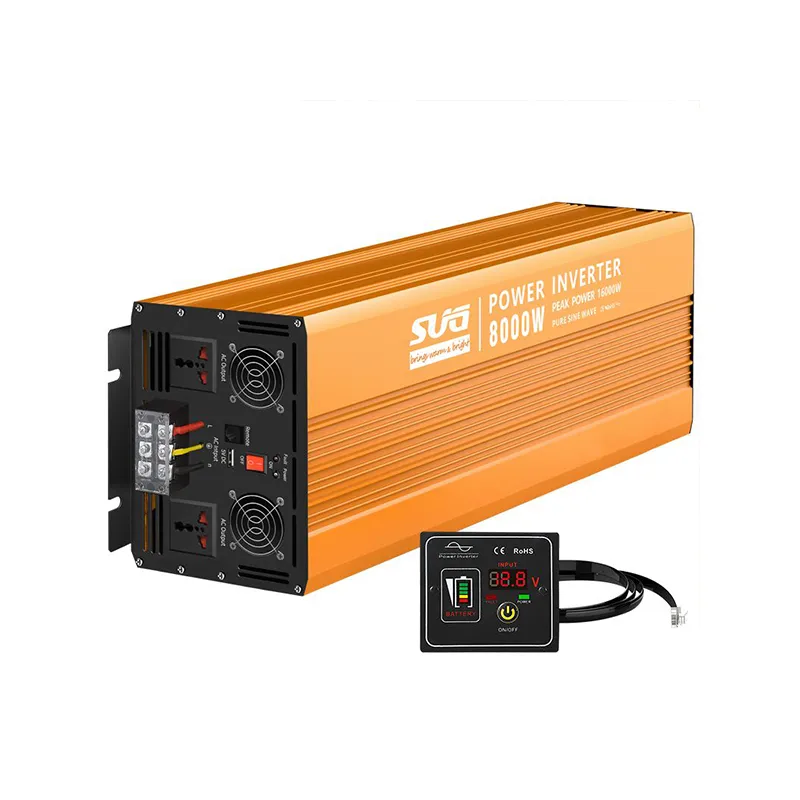
| Inverter Capacity | 500 kW (string inverter) | Centralized system |
| Land Area Required | ~2,000–2,500 m² | Depends on layout |
| Estimated Cost | $400,000 - $700,000 USD | Includes installation & initial setup |
| Operational Life | 25+ years | Panels degrade 0.5% per year |
Who’s Leading the Pack? A Comparison of Vendors for 500 kW Solar Systems
| Vendor | Estimated Cost (USD) | Warranty | Lead Time | Additional Service |
|---|---|---|---|---|
| SolarMax Corp | $450,000 | 25 years on panels | 6 weeks | Turnkey project management |
| GreenVolt Solutions | $480,000 | 20 years on panels | 8 weeks | Extended maintenance package |
| SunGrid Tech | $430,000 | 25 years on panels | 4 weeks | Design customization |
Real-World Applications of 500 kW Solar Plants
Oddly enough, you’d be amazed where these plants pop up. In remote mining operations across South America, a 500 kW system can power crucial equipment while slashing diesel costs. In Southeast Asia, community healthcare centers install these to keep refrigeration and medical devices humming during unstable grid moments. Post-disaster zones also benefit from such semi-permanent setups: they provide reliable power while longer rebuilds happen.
This mix of applications not only highlights environmental wins but also underlines social and economic benefits. Solar’s growing popularity in industrial parks around Europe and North America is an added testament — especially where companies want to showcase their green credentials to customers and investors.
Long-Term Advantages of Investing in a 500 kW Solar Plant
- Cost Savings: Up to 70% reduction in electricity bills over the system’s lifespan.
- Sustainability: Dramatically reduce carbon footprint — about 500 tons CO2 saved per year compared to fossil fuels.
- Energy Independence: Free from volatile fossil fuel markets and grid outages.
- Social Impact: Jobs created locally during installation and maintenance phases.
- Reliability: Advanced monitoring keeps plants operating optimally.
And beyond numbers, there’s a genuine sense of pride and forward-thinking when a business or community goes solar. It’s innovation, yes, but it’s also trust — with future generations and neighbors alike.
Emerging Trends and Innovations Shaping Solar Costs
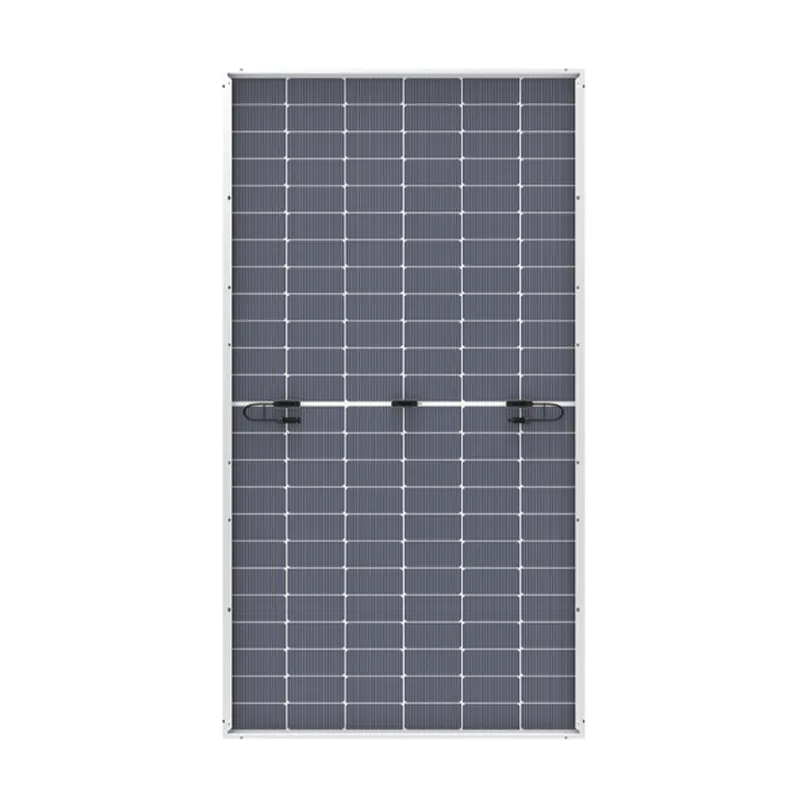
The solar industry keeps zooming ahead with better tech and smarter tools. Bifacial panels that harvest light from both sides are helping boost output per square meter. Digital twins and AI-assisted monitoring optimize performance and predict failures before they happen. Storage technologies like solid-state batteries may soon lower costs and increase lifespan compared to current lithium-ion setups.
Countries are also ramping up green tariffs and policies, giving solar projects both financial relief and regulatory smoothing. These advances promise to make the 500 kW solar plant cost a sweeter deal over time.
Challenges in Managing 500 kW Solar Plant Costs and How to Address Them
Here’s the rub: initial capital is still a barrier for many potential users. Plus, navigating permits and local regulations can stall projects. Some regions lack skilled workers, pushing up labor costs or compromising quality.
To tackle this, experts suggest:
- Early stakeholder coordination to streamline approvals.
- Partnering with experienced vendors who provide turnkey solutions.
- Utilizing international financing or green bonds to ease upfront payments.
- Employing adaptive designs that allow phased expansions.
These approaches lower risk and promote smoother execution — turning what might seem a financial headache into an asset.
FAQ: Common Questions About 500 kW Solar Plant Cost
- How much does it generally cost to install a 500 kW solar plant?
- Costs typically range from $400,000 to $700,000 USD depending on panel quality, site conditions, and local labor rates. This estimate includes equipment, installation, and initial setup.
- What is the expected lifespan of such a solar plant?
- Solar panels often have a warranty of 20-25 years, with gradual efficiency degradation (about 0.5% annually). Inverters may need replacement after 10-15 years.
- Are there financing options available for these systems?
- Yes, many vendors and governments offer loans, leases, or grants to support solar projects, helping spread out the investment burden over time.
- Can the system be expanded beyond 500 kW in the future?
- Absolutely. Modular designs allow for phased additions, helping businesses scale up as needs and budgets permit.
- What maintenance is required to keep the plant efficient?
- Routine panel cleaning, inverter health checks, and monitoring system updates are key. Generally, annual inspections suffice unless issues arise.
Conclusion: Investing in a Sustainable Future with 500 kW Solar Plants
To wrap up, the 500 kW solar plant cost is more than just a number — it’s a doorway to energy independence, cost savings, and environmental stewardship. While upfront investment might seem daunting, smart planning, emerging technologies, and supportive policies make these systems increasingly accessible.
If you’re curious how a 500 kW solar plant could work for you, don’t hesitate to explore your options and visit our website for tailored solutions designed to fit your unique needs.
Keep in mind: solar isn’t just a future trend — it’s happening right now, changing lives from bustling cities to remote regions.
References
-
Designing a Modern Home Roof Made Out of Solar Panels GuideNewsApr.16,2026
-
Guide to the Size of 150 Watt Solar Panel for Your ProjectNewsApr.09,2026
-
Understanding the Dimensions and Applications of a 200W Solar PanelNewsApr.07,2026
-
Understanding the Dimensions and Factors of a 330W Solar Panel SizeNewsApr.04,2026
-
Understanding the Size and Dimensions of a 4kW Solar Panel System for Your HomeNewsMar.31,2026
-
Comprehensive Guide to Sizing Your Solar System for Optimal Energy ProductionNewsMar.28,2026