450 Watt Solar Panel Dimensions – Size, Specs & Vendor Comparison
450 Watt Solar Panel Dimensions: What You Need to Know
Having spent over a decade on industrial equipment sites and solar installations, I must say: knowing the exact 450 watt solar panel dimensions can save you a heap of hassle. Frankly, companies often overlook just how important size and weight can be in system design, mounting choices, and transportation logistics. I once had a client who ordered panels without checking dimensions, and the racks couldn’t hold them securely — needless to say, that was a costly mistake.
These 450 W panels sit comfortably in the mid to upper range of residential and commercial solar setups. They usually strike a fine balance: enough wattage to be efficient while keeping panel size reasonable. Oddly enough, despite the wattage increase over older 300-350 W types, the physical size has only grown slightly — thanks to advances in cell technology and materials.
Typical Dimensions & Design Features
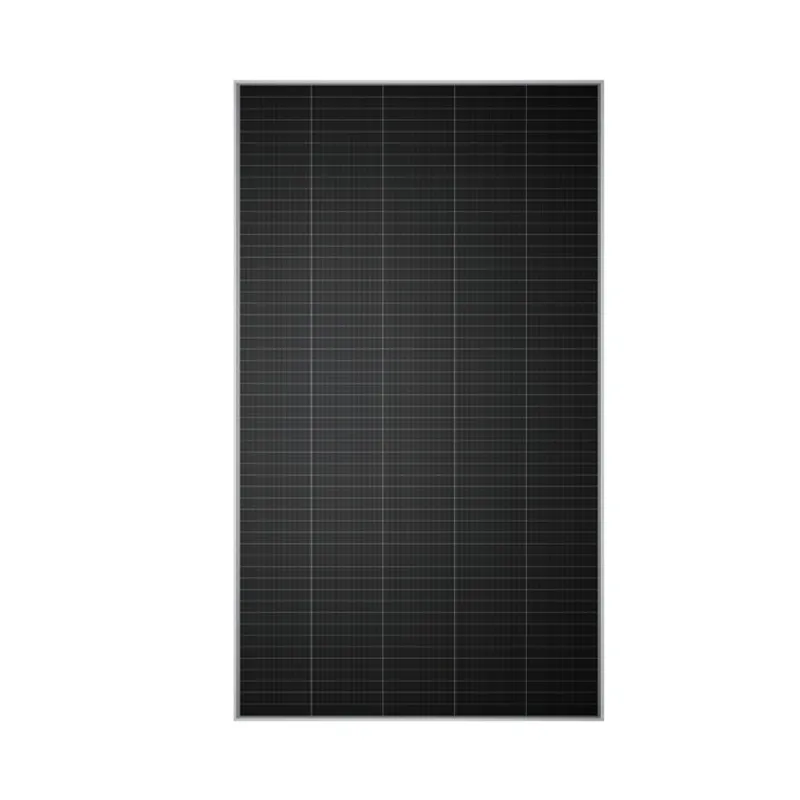
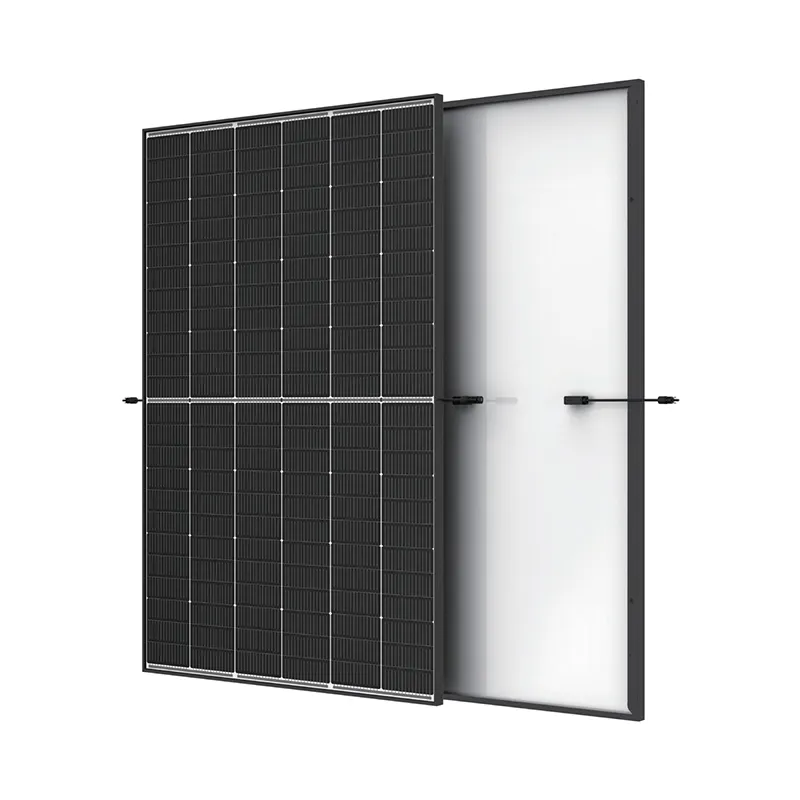
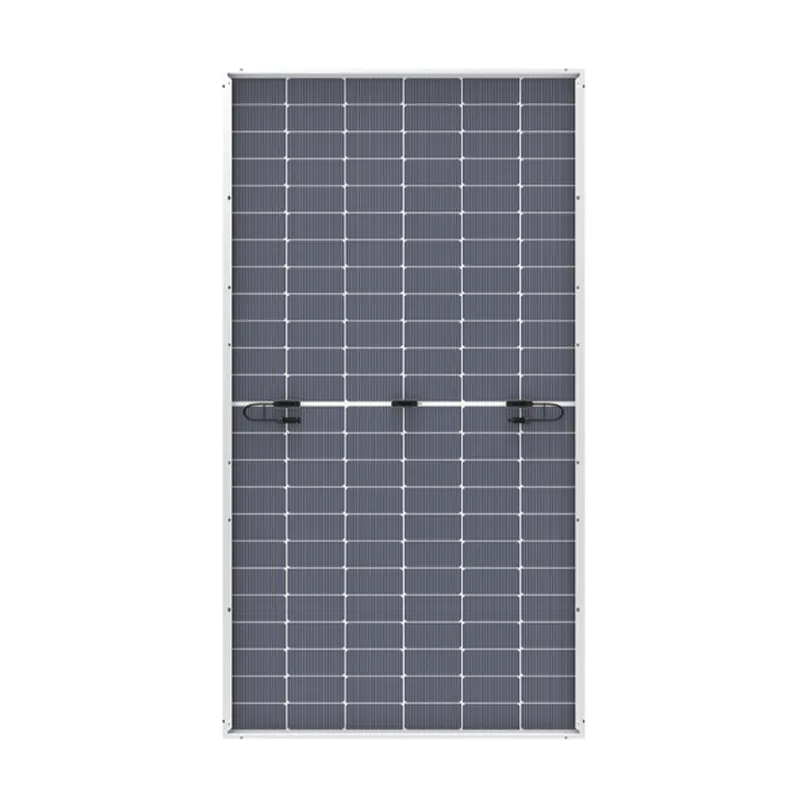
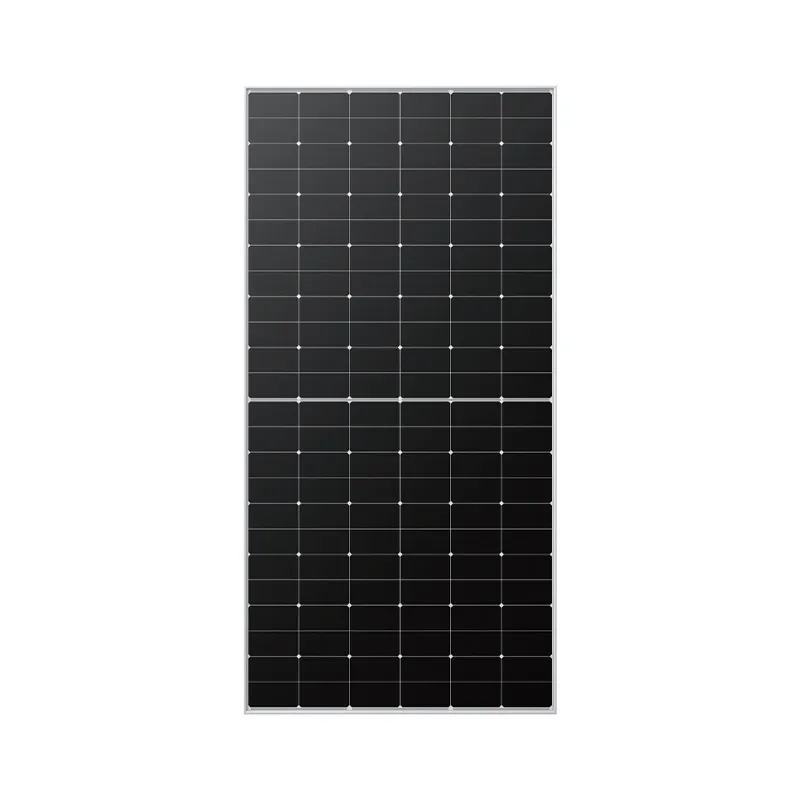
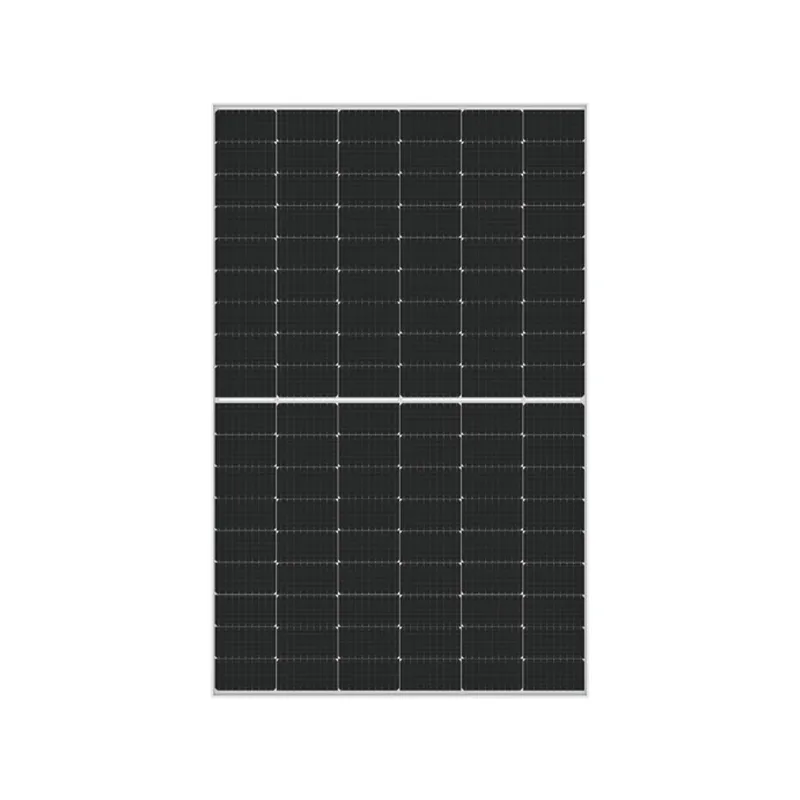
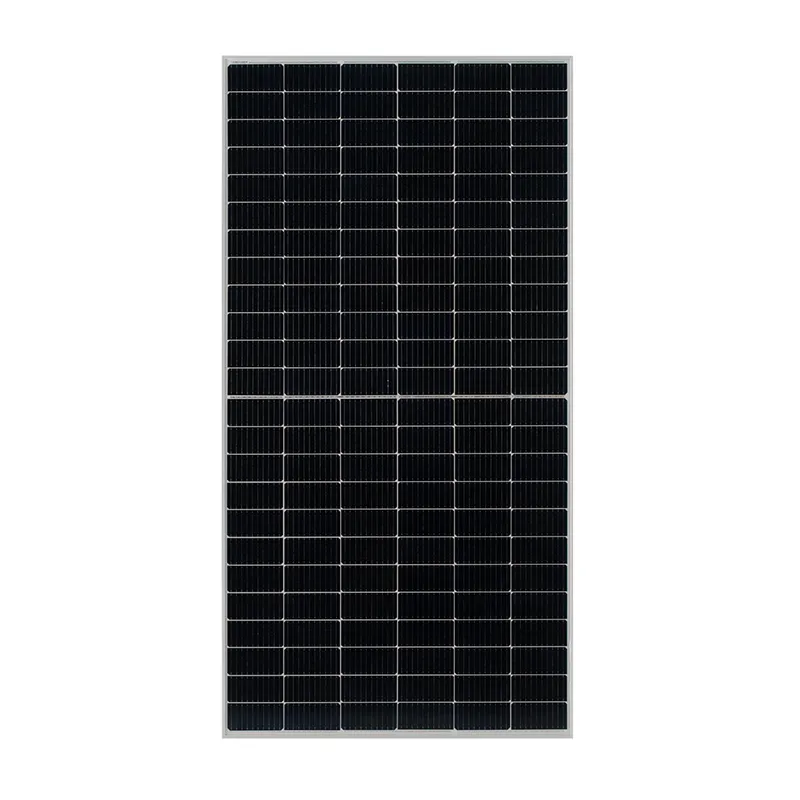
In real terms, a 450 watt solar panel typically measures roughly around 2 meters by 1 meter (about 78 inches by 39 inches). The thickness usually sits near 1.5 to 2.5 centimeters, depending on the framing and glass thickness. You’ll find that many panels feature anodized aluminum frames that not only add strength but also improve weather resistance — which is crucial when you’re deploying outdoors for decades.
The glass is tempered and usually around 3.2 mm thick. Why does that matter? Because weaker glass can shatter under hail or debris impact, so panels must pass rigorous testing — including hail impact per IEC 61215 standards, which most quality solar panels meet. Many engineers say the frame and glass quality often matters as much as cell efficiency to longevity.
| Specification | Typical Value |
|---|---|
| Nominal Power | 450 W |
| Dimensions (L x W x T) | ≈ 2000 mm x 1000 mm x 35–40 mm (78" x 39" x 1.5") |
| Weight | Around 22–24 kg (48–53 lbs) |
| Cell Type | Monocrystalline (usually PERC) |
| Frame Material | Anodized Aluminum |
| Glass Thickness | 3.2 mm Tempered Glass |
| Connectors | MC4 Compatible |
How Different Vendors Stack Up on Size and Features
I’ve noticed that while the wattage is standard, dimensions can vary slightly by manufacturer, impacting your installation choices. Here’s a quick vendor comparison I pulled together based on panels in this category — it might help you decide or just reinforce your specs checklist.
| Vendor | Dimensions (mm) | Weight (kg) | Frame | Warranty |
|---|---|---|---|---|
| Benjiu Solar | 2000 × 1000 × 35 | 23.5 | Anodized Aluminum | 12 years product, 25 years power |
| LG Solar | 2010 × 1010 × 40 | 24 | Reinforced Aluminum | 25 years product & power |
| Jinko Solar | 2000 × 998 × 35 | 22.7 | Anodized Aluminum | 12 years product, 25 years power |
Customization is also an option, though many manufacturers offer standardized panel sizes to meet both cost efficiency and system compatibility needs. That said, if your project requires tighter size tolerances or special frame mounts, some vendors (like Benjiu Solar) can accommodate unique requests — a real boon for tricky rooftops or bespoke projects.
Here's a little anecdote for those who doubted the importance of accurate dimensions: A colleague once worked on a remote telecom tower system. The panels were rated at 450 watts but came from another vendor whose panels were a touch smaller than expected. The mounts didn’t fit perfectly, requiring costly onsite modifications — a headache that precise specs could have averted.
At the end of the day, knowing your panel’s size isn’t just about fitting them where you want — it affects shipping costs, structural loads, wiring runs, and even permits. I suppose many installers and engineers know this, but for newcomers, it’s worth emphasizing.
So, if you’re shopping for a reliable 450 watt solar panel, keep these dimensions and specs in mind — it’ll make your project that much smoother, trust me.
All in all, these panels represent a fantastic option for scalable solar solutions, blending size, performance, and durability. If you want the nitty-gritty, checking vendor datasheets and even visiting the manufacturing floor (if you get the chance) is invaluable — nothing beats seeing and handling the real thing.
Takeaway: Dimensions matter — they’re more than numbers; they’re the foundation of a well-installed, long-lasting solar system.
- IEC 61215 Standard for Testing Solar Panels
- Benjiu Solar Product Specs and Warranty Information
- Industry Insights from Installers on Panel Handling and Mounting
-
Designing a Modern Home Roof Made Out of Solar Panels GuideNewsApr.16,2026
-
Guide to the Size of 150 Watt Solar Panel for Your ProjectNewsApr.09,2026
-
Understanding the Dimensions and Applications of a 200W Solar PanelNewsApr.07,2026
-
Understanding the Dimensions and Factors of a 330W Solar Panel SizeNewsApr.04,2026
-
Understanding the Size and Dimensions of a 4kW Solar Panel System for Your HomeNewsMar.31,2026
-
Comprehensive Guide to Sizing Your Solar System for Optimal Energy ProductionNewsMar.28,2026