260w Solar Panel Price: A Comprehensive Guide to Costs, Benefits, and Global Impact
Understanding 260w Solar Panel Price: Why It Matters Globally
When we talk about solar energy, one of the first concerns is cost — and frankly, that’s what often makes or breaks the decision to invest. The 260w solar panel price is a key metric in solar technology markets worldwide. But why, exactly, does this specific wattage and its price point deserve so much attention? Well, it’s because these panels strike a balance between power output, affordability, and adaptability. As nations ramp up renewable targets, understanding the cost – along with the benefits and challenges tied to these panels – helps industries and individuals make informed decisions. Plus, in regions where reliable electricity isn’t a given, affordable solar solutions can be transformative.
Global Relevance of 260w Solar Panel Prices
Globally, solar power capacity has skyrocketed. According to the International Renewable Energy Agency (IRENA), solar capacity increased tenfold over the past decade. Yet, the upfront cost remains a barrier for many. The 260w solar panel price often acts as a benchmark because these panels are widely used for residential and commercial applications—small enough for adaptability, but powerful enough for meaningful energy generation.
For example, the World Bank highlights that in low-income countries, initial investment costs are a critical obstacle to solar adoption. So understanding the price dynamics of common panels like the 260w helps NGOs, governments, and businesses strategically plan energy access initiatives and scale sustainable power.
Defining the 260w Solar Panel Price
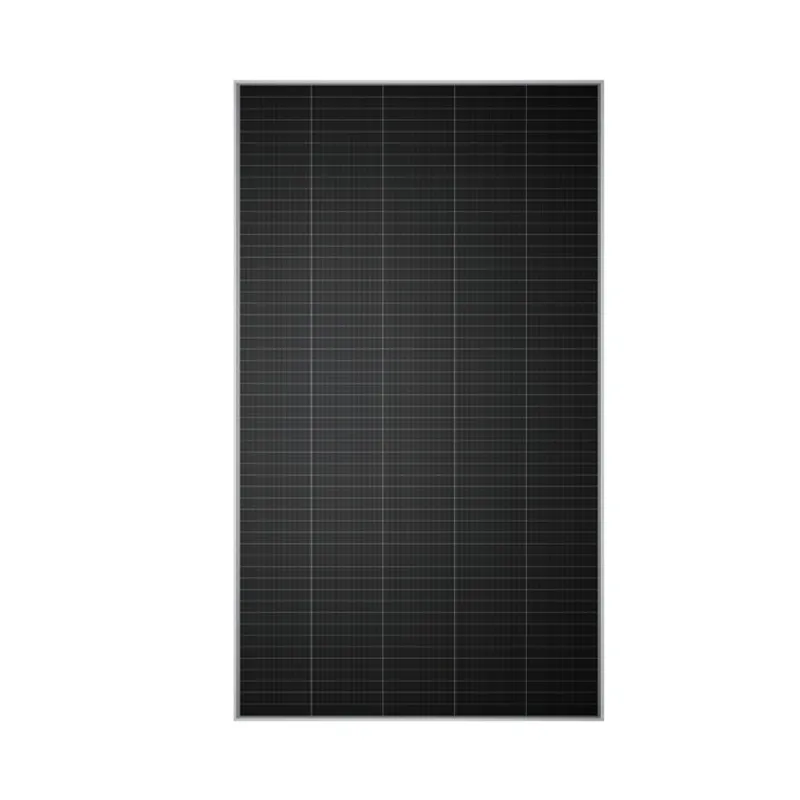
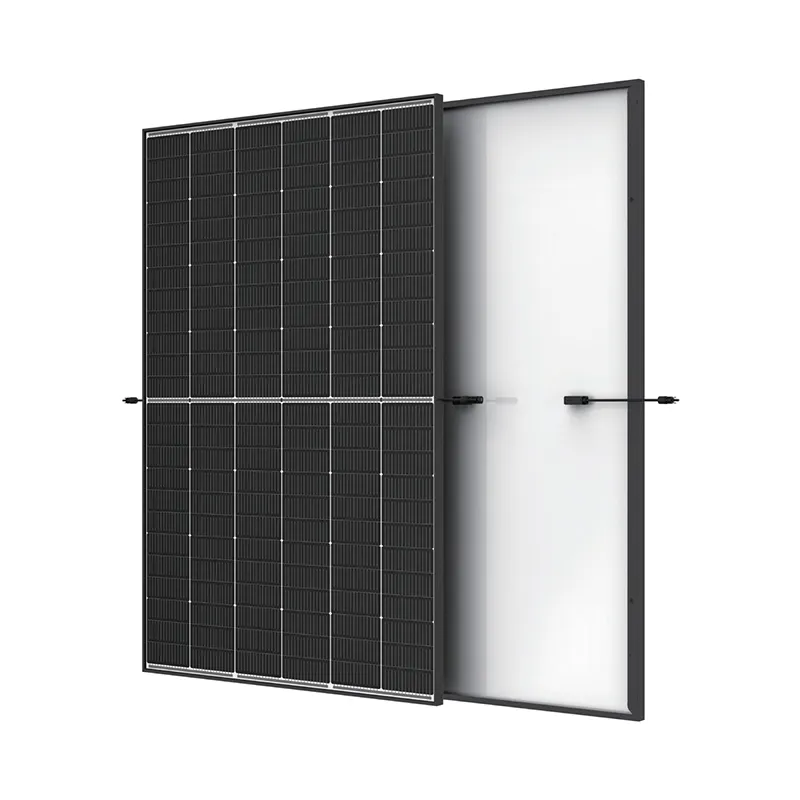
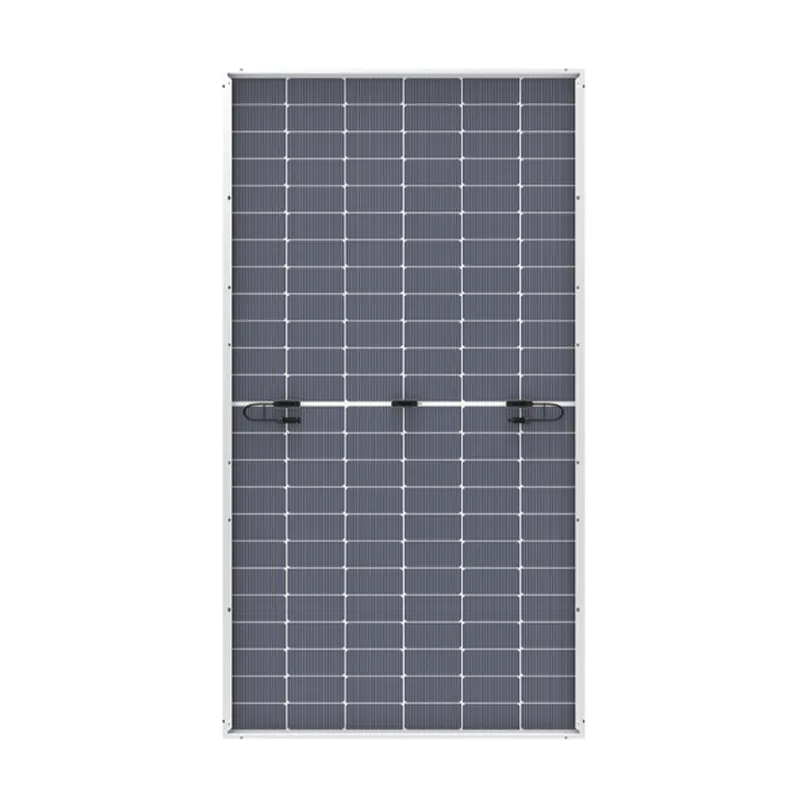
In simple terms, the 260w solar panel price refers to the market cost of buying a solar photovoltaic (PV) panel that generates a maximum power output of 260 watts under standard test conditions. This metric is important because it directly influences the cost per watt of solar installations, which in turn affects payback periods and overall adoption rates.
These panels are often polycrystalline or monocrystalline types and are favored for their balance of efficiency and cost. Beyond industry, they support humanitarian goals—powering remote clinics, schools, and disaster relief sites where grid power is non-existent or unreliable.
Key Factors Affecting 260w Solar Panel Price
Durability
Panels need to withstand harsh environments — UV exposure, hail, temperature fluctuations. Durable materials often add to price but significantly reduce replacement costs and downtime.
Efficiency
Higher efficiency means more power per square foot but often a higher price. The 260w panel strikes a middle ground, providing decent conversion rates without the premium cost of top-tier models.
Manufacturing Location and Scale
Production in Asia, particularly China, often leads to more competitive pricing due to economies of scale and local supplier networks.
Warranty and Certifications
Panels with internationally recognized certifications (IEC, TÜV, UL) and longer warranties tend to cost more; yet, these certifications guarantee better quality and trustworthiness.
Technological Features
Innovations such as anti-reflective coatings, bypass diodes, and PID resistance influence pricing, improving panel longevity and output in real-world conditions.
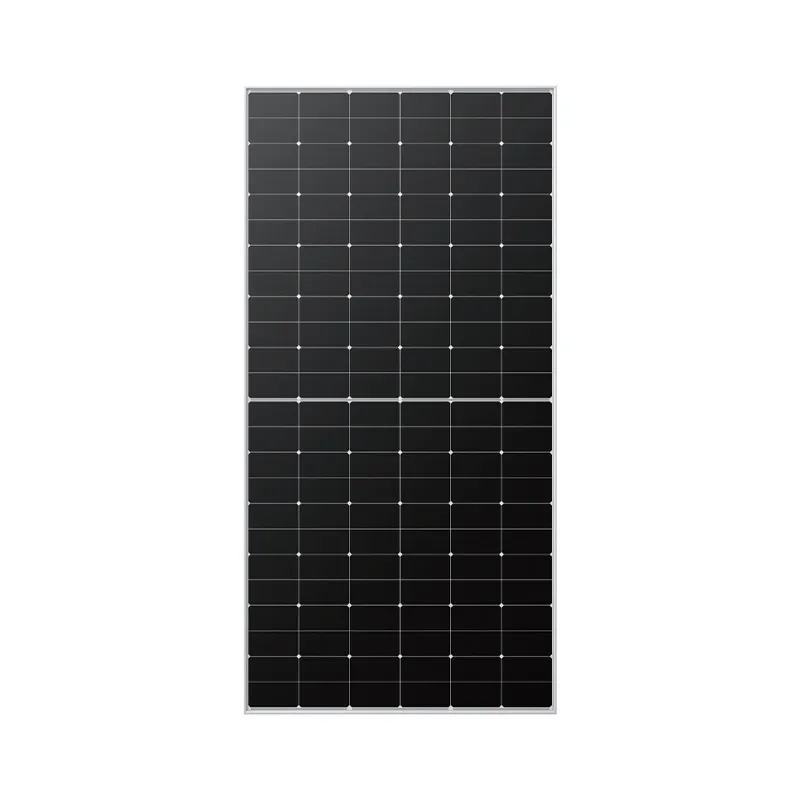
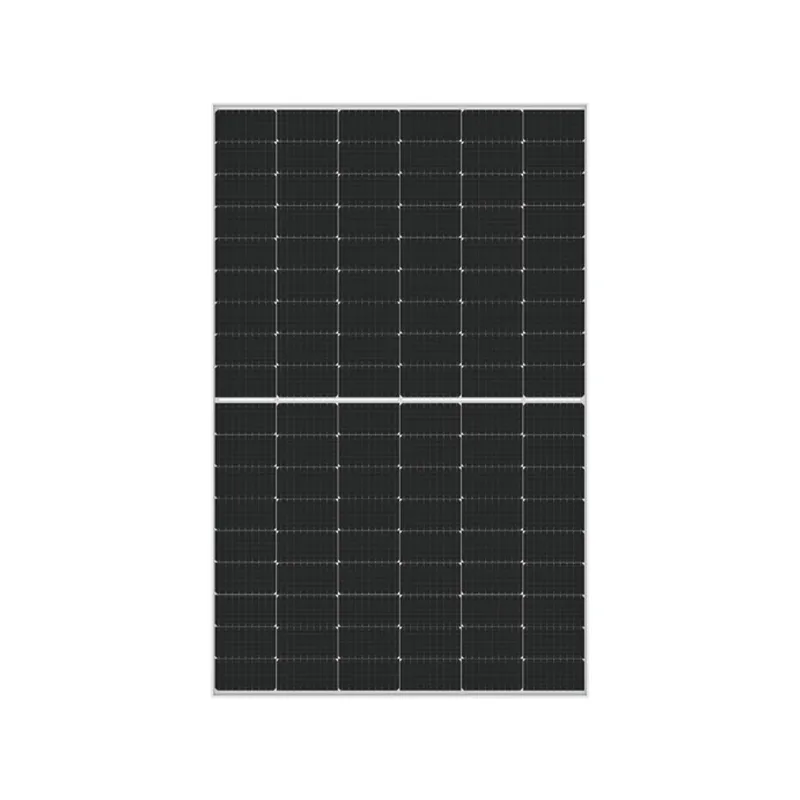
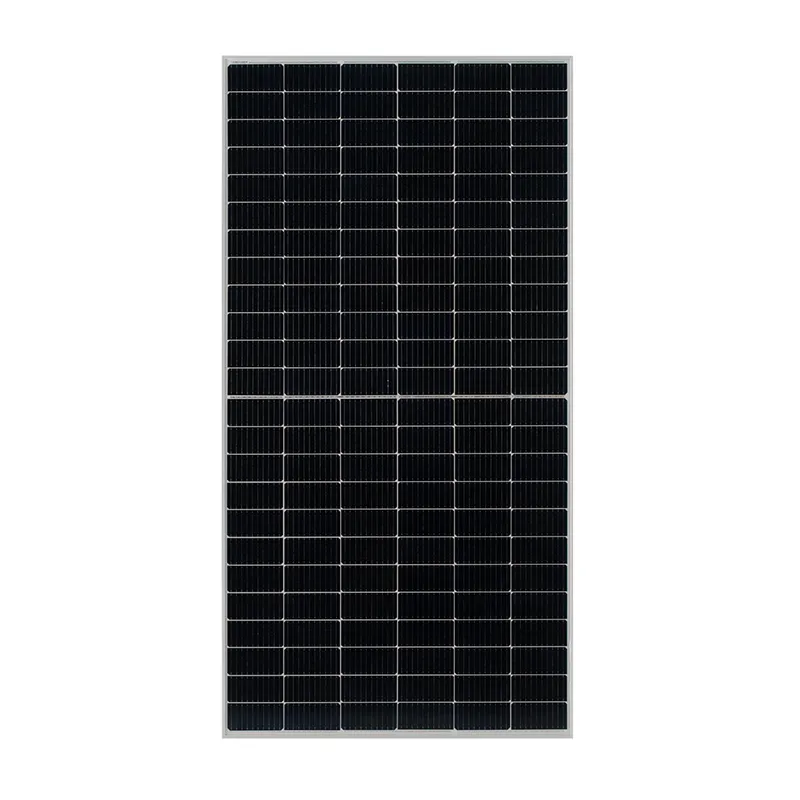
Practical Specifications of a Typical 260w Solar Panel
| Specification | Typical Value |
|---|---|
| Power Output | 260 Watts |
| Panel Type | Monocrystalline / Polycrystalline |
| Efficiency | 15% - 17% |
| Weight | 18 - 20 kg |
| Operating Temperature | -40°C to 85°C |
| Warranty | 25 years performance guarantee |
Mini takeaway: The 260w solar panel balances cost and performance well, explaining its popularity in diverse markets from urban rooftops to rural electrification programs.
Global Applications and Use Cases
These panels are practically everywhere — from solar farms dotting deserts to sunny outskirts of megacities, and homes in remote villages in Africa and Southeast Asia.
- Post-disaster relief operations: Portable 260w panels power mobile clinics and communications equipment, where time and cost are critical.
- Remote industrial zones: Mining and oil exploration sites deploy these panels to reduce diesel generator dependency, cutting costs and emissions.
- Residential and commercial rooftops: The 260w size fits well on smaller roofs and is a staple kit element, combined for desired output.
- Off-grid schools and health centers: NGOs rely on affordable, reliable panels to bring electricity where infrastructure is lacking.
Mini takeaway: The 260w panel's affordability and size versatility allow it to serve a broad range of energy needs worldwide, promoting accessibility to clean power.
Advantages and Long-Term Value of Choosing 260w Panels
When you consider investing in solar, it’s tempting to look solely at the sticker price, but the long game matters. These panels tend to:
- Reduce energy bills: Many users report savings that pay back initial investment within 5-8 years.
- Environmental impact: By switching to solar, consumers avoid carbon emissions equivalent to several tonnes of CO2 annually.
- Social benefits: Beyond just dollars and cents, access to reliable energy improves safety and dignity—especially in underserved communities.
- Reliability: With warranties covering 25 years, buyers have confidence in product longevity—something not many energy sources can offer.
Mini takeaway: The 260w solar panel isn’t just about cost-saving—it's about empowering users with clean, dependable energy that pays dividends beyond finance.
Future Trends and Innovations Impacting 260w Solar Panel Price
Oddly enough, as materials science advances, the cost of certain high-efficiency panels might drop, challenging the dominance of 260w models. Emerging technologies include:
- Perovskite coatings for increased efficiency at lower costs
- Flexible solar panels that open new installation possibilities
- Smart panels enabling real-time performance monitoring and predictive maintenance
- More stringent global environmental standards pushing manufacturers to innovate sustainably
These trends might affect future pricing but also improve the pricing-to-performance ratio, potentially shifting what “standard” wattage panels users prefer.
Challenges and Solutions in Affordable Solar Adoption
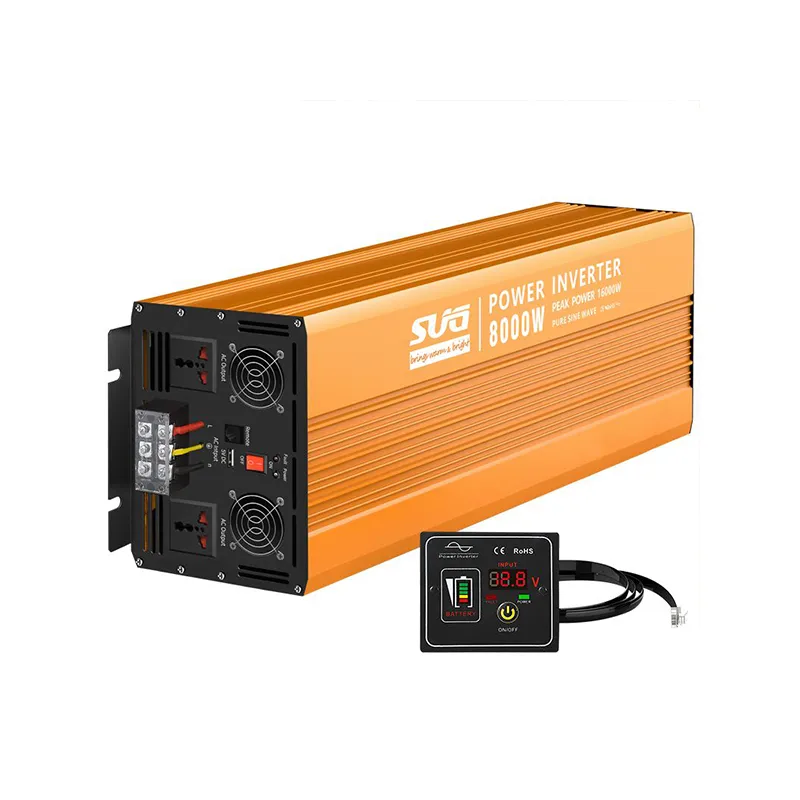
One major hurdle is upfront cost — even though 260w panels are relatively affordable, installation and balance-of-system parts (inverters, batteries) add up.
Also, in some regions, import tariffs, poor supply chains, or lack of local expertise delay deployment. NGOs and governments have developed clever financing models, training programs, and partnerships that help ease these pain points.
Innovations like plug-and-play solar kits simplify installation for non-experts, while leasing and third-party ownership models spread costs over time — making solar more accessible every year.
Vendor Comparison: 260w Solar Panels
| Vendor | Price per Panel (USD) | Warranty | Certifications | Country of Manufacture |
|---|---|---|---|---|
| SunPower | $130 - $155 | 25 Years | TÜV, IEC | USA |
| Jinko Solar | $100 - $125 | 12 Years | IEC, UL | China |
| Canadian Solar | $110 - $140 | 25 Years | UL, IEC | Canada / China |
Frequently Asked Questions About 260w Solar Panel Price
- Q: What factors influence the price fluctuations of 260w solar panels?
- A: Prices can vary due to raw material costs (like silicon), manufacturing scale, tariffs, and certifications demanded in different markets. Supply chain issues, such as those caused by global events, can also temporarily push prices up or down.
- Q: How long can a 260w solar panel reliably produce energy?
- A: With proper installation and maintenance, these panels often last 25 years or more. Warranties typically guarantee performance above 80% of initial capacity after 25 years, though many last significantly longer.
- Q: Is investing in 260w panels cost-effective compared to higher wattage panels?
- A: It depends on your installation size and budget. 260w panels can be ideal for modular or smaller-scale systems due to price and flexibility, but for large arrays, higher wattage panels might offer better cost per watt ratios.
- Q: Can NGOs source affordable 260w solar panels internationally?
- A: Yes, many suppliers specialize in bulk orders and international shipping. Models like turnkey solar kits often make deployment easier. It’s best to confirm certifications and warranty terms to ensure quality and reliability.
Conclusion: The Long Game with 260w Solar Panel Price
So, when you zoom out and think about it, the 260w solar panel price is not just a dollar figure — it’s a doorway to cleaner energy access, cost savings, and sustainable futures. Because these panels combine affordability, reliability, and decent efficiency, they remain a cornerstone for many projects worldwide.
If you’re weighing your options, do look closely at the specs and vendor reputation, and remember that the best value isn’t always the cheapest price upfront. For more details, install tips, and pricing guides, visit our website. Your journey to smarter solar starts here!
It feels like solar energy — small panel by small panel — is quietly reshaping our energy future. And the 260w panel is right in the thick of that transformation.
References
-
Designing a Modern Home Roof Made Out of Solar Panels GuideNewsApr.16,2026
-
Guide to the Size of 150 Watt Solar Panel for Your ProjectNewsApr.09,2026
-
Understanding the Dimensions and Applications of a 200W Solar PanelNewsApr.07,2026
-
Understanding the Dimensions and Factors of a 330W Solar Panel SizeNewsApr.04,2026
-
Understanding the Size and Dimensions of a 4kW Solar Panel System for Your HomeNewsMar.31,2026
-
Comprehensive Guide to Sizing Your Solar System for Optimal Energy ProductionNewsMar.28,2026