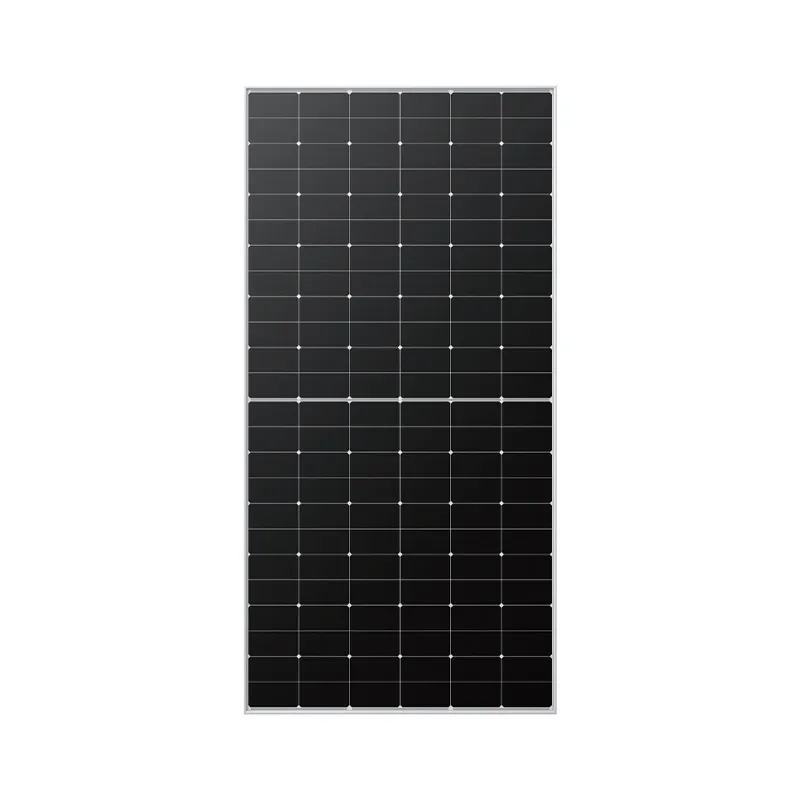
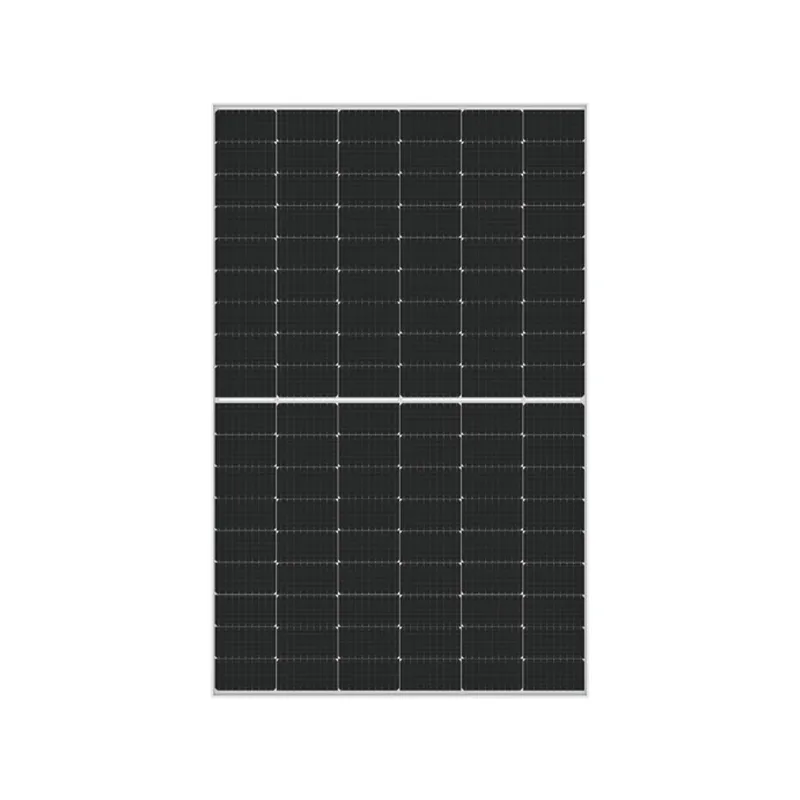
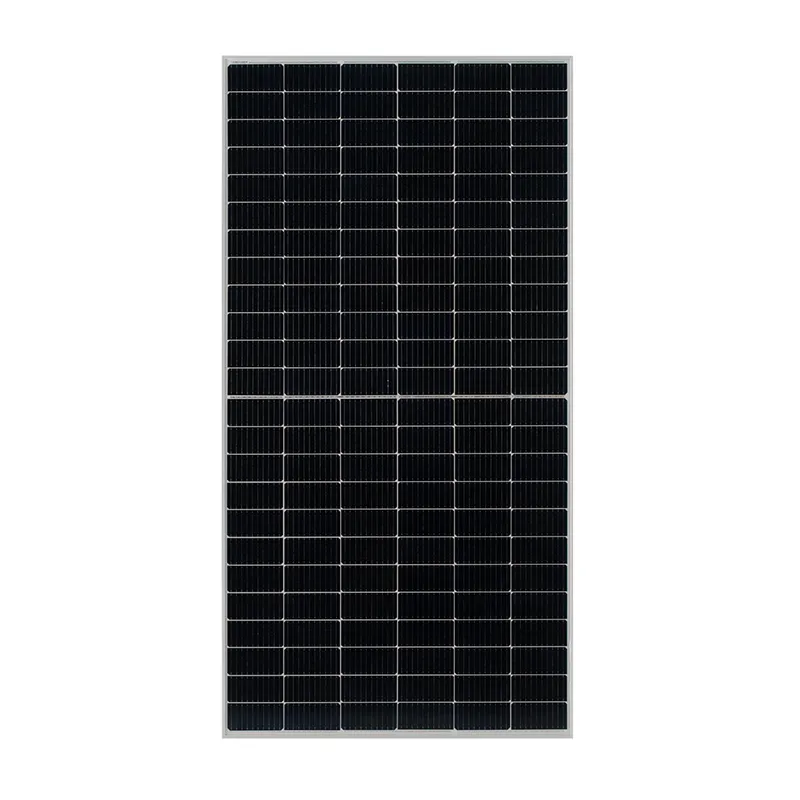
170 Watt Solar Panel Price – Affordable & Reliable Solar Solutions for All
The Real Deal on 170 Watt Solar Panel Price: What You Need to Know
When people talk about solar energy, the spotlight often shifts to big panels, large-scale farms, or ambitious megawatt projects. But somewhere in the middle ground lies the 170 watt solar panel — a nifty, practical piece of kit that blends portability with decent power output. What’s often overlooked is how crucial pricing these panels right is for both global sustainability efforts and localized energy solutions. Understanding the 170 watt solar panel price isn’t just about dollars and cents; it’s about making renewable energy accessible and practical across diverse applications.
Globally, solar panels are a cornerstone of the UN’s sustainable development goals (1), with renewable electricity capacity having increased by almost 50% since 2015 (IEA, 2023). But for many, especially in developing regions, cost remains the biggest hurdle — and that’s where the modest 170 watt solar panel steps in as a versatile game-changer.
Understanding What “170 Watt Solar Panel Price” Really Means
In simple terms, a 170 watt solar panel is a photovoltaic module that can deliver approximately 170 watts of power under ideal conditions. The “price” tag attached to it refers not just to the manufacturing or retail cost, but also factors in shipping, installation, warranties, and often the panel’s longevity and efficiency.
Why this wattage? It strikes a balance — powerful enough for many off-grid uses, from lighting a home to charging batteries, yet still affordable. Think remote villages, small cabins, or emergency kits. The price point directly influences how easily communities and industries can adopt solar energy as a reliable substitute for fossil fuels or diesel generators.
Core Factors Influencing 170 Watt Solar Panel Pricing
Durability and Material Quality
Panels built with monocrystalline silicon cells usually cost more but offer higher efficiency and longer warranties. Polycrystalline options are cheaper but don’t last quite as long. Durability matters, especially in harsh environments, where the panel must withstand dust, humidity, or even hail.
Efficiency and Power Output Consistency
A higher-efficiency panel can convert more sunlight into electricity in less space, which impacts installation feasibility and total system cost. Some 170 watt panels hover near 17-19% efficiency, which is decent but varies among vendors.
Scalability and Integration
One of the best things about 170 watt panels is their scalability. They’re often paired in arrays, which means pricing must factor in how easily panels connect electrically and mechanically — if the mounts, connectors, or inverters are fiddly or costly, that’s another mark-up.
Warranty and Support
Given solar panels are long-term investments, the price often reflects assurance packages. Vendors offering longer warranties, typically 10-25 years, tend to charge a premium. But that peace of mind usually saves money down the line.
170 Watt Solar Panel Typical Specifications
| Specification | Value/Range |
|---|---|
| Maximum Power (Pmax) | 170 Watts ± 3% |
| Efficiency | 17% - 19% |
| Voltage at Pmax (Vmp) | 19.5V |
| Current at Pmax (Imp) | 8.7A |
| Dimensions | 1030mm x 670mm x 35mm |
| Weight | 10-12 kg |
How Different Vendors Stack Up on 170 Watt Solar Panel Price
| Vendor | Price per Panel (USD) | Warranty | Panel Type | Region |
|---|---|---|---|---|
| SolarTech Inc. | $120 - $140 | 20 years | Monocrystalline | North America |
| SunWave Solutions | $95 - $110 | 15 years | Polycrystalline | Asia-Pacific |
| GreenVolt Corp. | $130 - $150 | 25 years | Monocrystalline | Europe |
Interestingly, while you’d expect the higher price to always mean better quality, many engineers say evaluating warranty terms and real-world performance data is just as important. A panel under $100 might save upfront costs, but if it fades quickly, well… that’s not so saving after all.
170 Watt Solar Panel Price: Where It Makes a Difference Globally
170 watt panels have carved their niche in several practical arenas:
- Rural electrification: In parts of sub-Saharan Africa and Southeast Asia, these panels power homes, schools, and clinics where conventional grids can’t reach.
- Disaster relief: Quick-to-deploy solar kits help get communications and medical equipment running after hurricanes or earthquakes.
- Outdoor and agricultural uses: Farmers use these panels for water pumps and surveillance, enhancing productivity with renewable energy.
- Off-grid recreation: Campers, boaters, and tiny-home owners appreciate the balance of power and portability.
Quick takeaway: the pricing of these panels sets the tone for accessibility across so many vital uses worldwide.
Why Investing in the Right 170 Watt Solar Panel Makes Sense
Sure, it’s about economics — but it’s also a social and environmental story. Lower cost solar panels can help reduce system costs by up to 40% according to some reports (2), making green energy viable for households living below global poverty lines. And on a more personal note, stable electricity means kids can study after dark, clinics can refrigerate vaccines, and communities have a better shot at development.
There’s also an emotional payoff—the pride of powering your own home independently, even if it's just a little panel. It’s sort of the democratization of energy, in a way. The 170 watt solar panel price isn’t just a number; it’s an enabler.
Future Trends Shaping 170 Watt Solar Panel Price and Technology
Looking ahead, several innovations might shake up pricing and performance dynamics:
- Advanced materials: Perovskite cells could boost efficiency while lowering costs, though still lab-bound for most.
- Smart panels: Integration with IoT for real-time performance monitoring and predictive maintenance.
- Mass production efficiencies: Automation in factories driving down costs incrementally.
- Government policies: Subsidies and tariffs reshaping the market access and price competition.
So, even though prices might hover around current rates, expect smarter, lighter, and more durable panels soon.
Challenges in 170 Watt Solar Panel Adoption—and How to Solve Them
Not all sunrises are perfect for solar, and it’s not all smooth sailing in the 170 watt world either.
- Installation hassles: People sometimes underestimate installation costs, impacting total system pricing.
- Quality inconsistency: Not every vendor’s product meets promised specs, which frustrates users.
- Lifespan issues: Some panels degrade faster under extreme weather.
Solutions range from better consumer education, transparent test results (like IEC certifications), to partnering with reputable vendors offering solid after-sales support.
Frequently Asked Questions About 170 Watt Solar Panel Price
- What determines the cost differences between 170 watt solar panels?
- Prices vary mostly due to cell type (mono vs. polycrystalline), brand reputation, warranty length, and production scale. Shipping and taxes also influence final cost.
- What maintenance costs should I expect over the lifetime?
- Maintenance is minimal but includes occasional cleaning and system checks. Most panels come with warranties covering defects and performance guarantees over 10-25 years.
- Can 170 watt panels power an entire small home?
- It depends on energy needs. Typically, multiple panels connected with batteries form a system capable of powering lights, small appliances, and charging devices—that’s how scalability plays a big role.
- How do I find trustworthy vendors for 170 watt solar panels?
- Look for vendors with proper certifications (like IEC 61215), positive user reviews, transparent specs, solid warranty policies, and good customer service.
Wrapping It Up: Why Pricing Matters in Solar Power’s Future
The 170 watt solar panel price isn’t just a number on a price tag; it’s a key that unlocks affordable sustainable energy across geographies and markets. Whether you’re a humanitarian trying to light a remote clinic or an entrepreneur building solar kits for local farmers, understanding this price point matters deeply. If you want to see how these panels could fit into your renewable energy strategy, take a look at 170 watt solar panel price for current offers and product details. It’s worth the insight.
References:
- United Nations Sustainable Development Goals (https://sdgs.un.org/goals)
- International Energy Agency – Renewables 2023 Report (https://iea.org)
- IEC Standards for Solar Panels (https://iec.ch/products)
-
Designing a Modern Home Roof Made Out of Solar Panels GuideNewsApr.16,2026
-
Guide to the Size of 150 Watt Solar Panel for Your ProjectNewsApr.09,2026
-
Understanding the Dimensions and Applications of a 200W Solar PanelNewsApr.07,2026
-
Understanding the Dimensions and Factors of a 330W Solar Panel SizeNewsApr.04,2026
-
Understanding the Size and Dimensions of a 4kW Solar Panel System for Your HomeNewsMar.31,2026
-
Comprehensive Guide to Sizing Your Solar System for Optimal Energy ProductionNewsMar.28,2026