1000V Solar Panel Price Insights | Reliable Industrial Solar Solutions
Understanding the 1000V Solar Panel Price: Insights from the Field
Having spent well over a decade in the industrial equipment sector, I’ve seen how the solar panel market evolves with relentless pace. One topic that keeps popping up in discussions—and frankly, one I get asked about quite a bit—is the 1000V solar panel price. It’s not just about dollars per watt; there’s an entire ecosystem behind that figure that’s often overlooked.
In real terms, the 1000V panels represent a sweet spot for many installers and project planners. Why? Because the 1000V system voltage strikes a good balance—it’s high enough to reduce wiring costs and complexity but still within the limits of much inverter and equipment compatibility. That means economies of scale get passed down to buyers somewhat. Oddly enough, while you’d expect higher voltage systems to always be cheaper per watt, there’s a nuance in manufacturing and certification processes that impact pricing too.
Let’s take a brief look at what influences this price point. First, the construction materials play a big role. Most 1000V solar panels use tempered glass, durable EVA encapsulant, and high-quality silicon cells — often monocrystalline these days, which in itself is something I noticed is gaining preference for its efficiency and long-term reliability. That said, the balance of system (BOS) components certified for 1000V also add to the overall system cost, so pricing can feel a bit like a moving target.
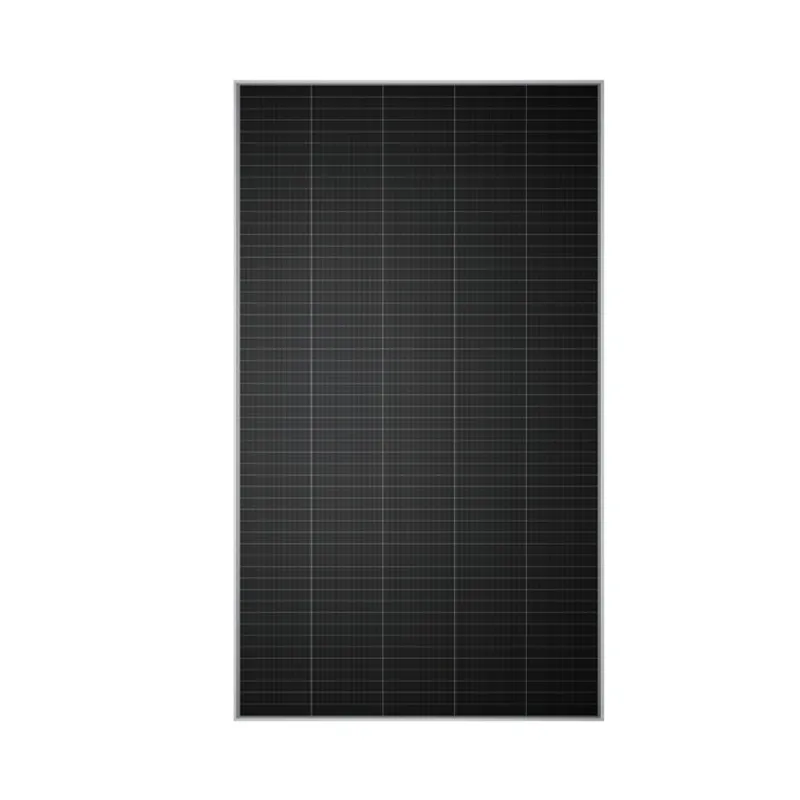
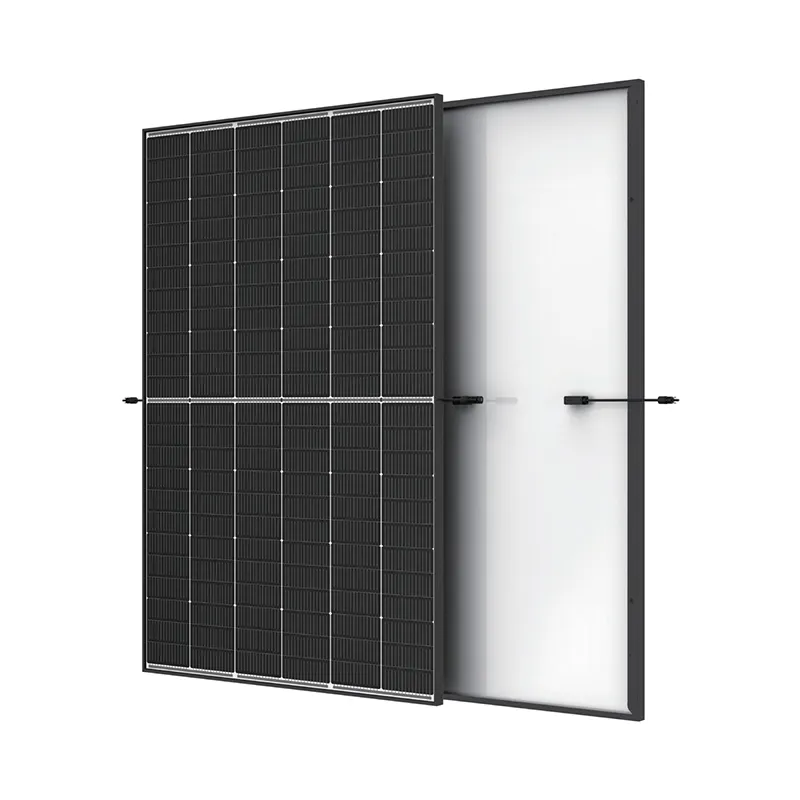
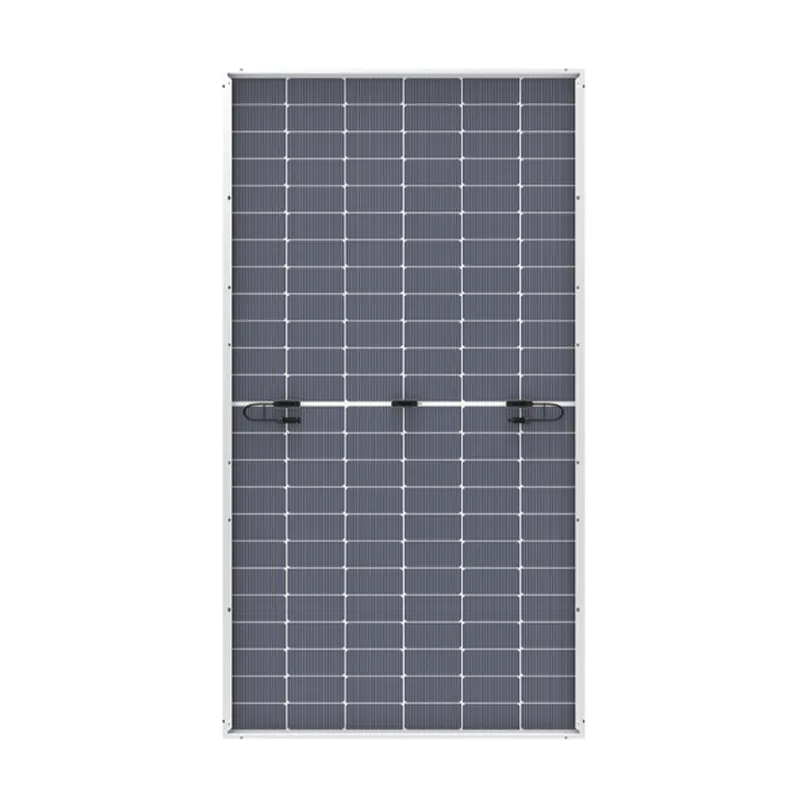
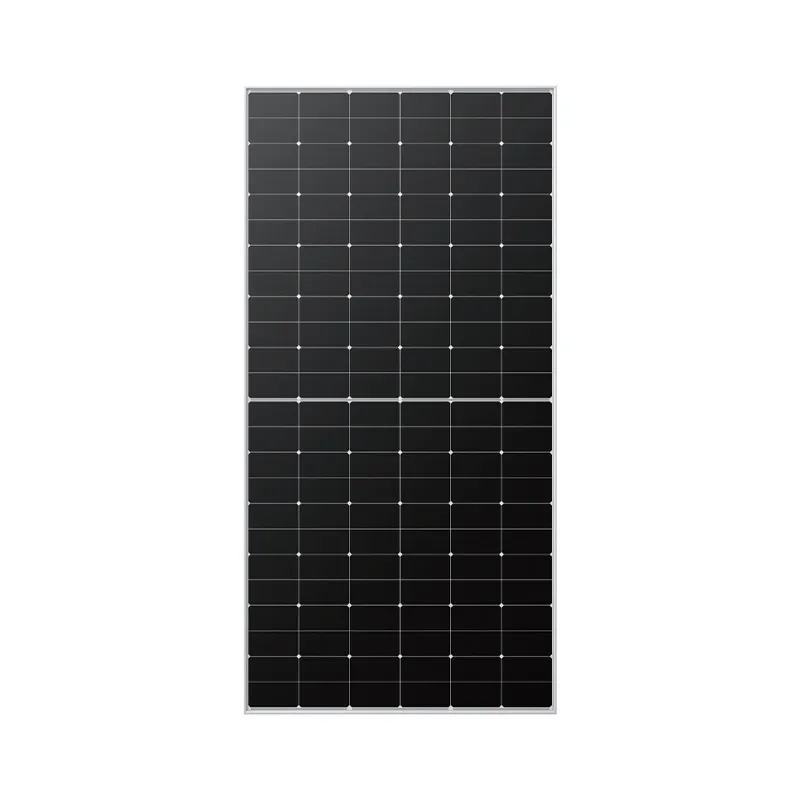
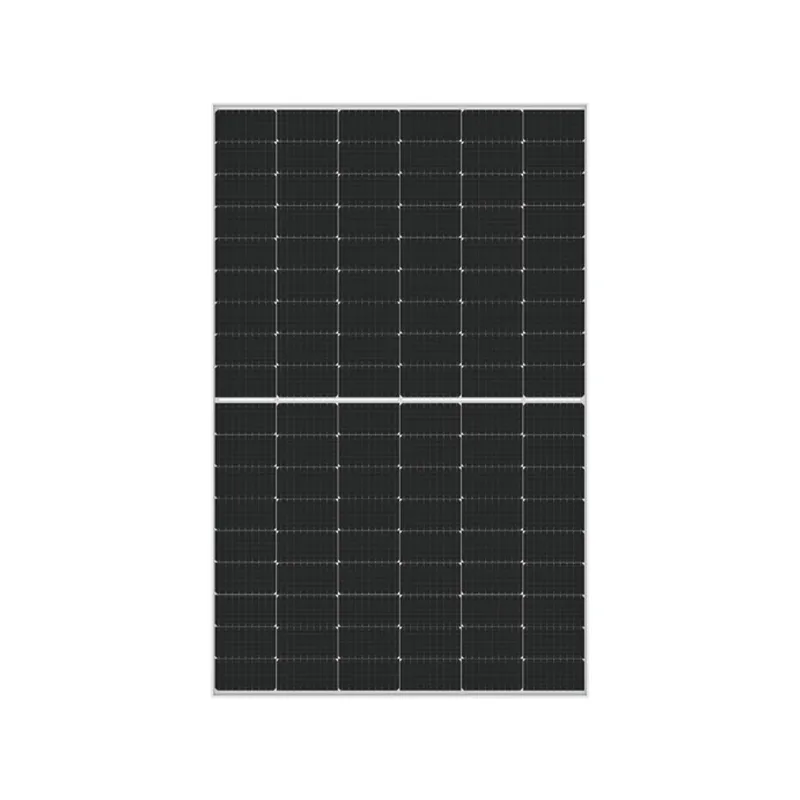
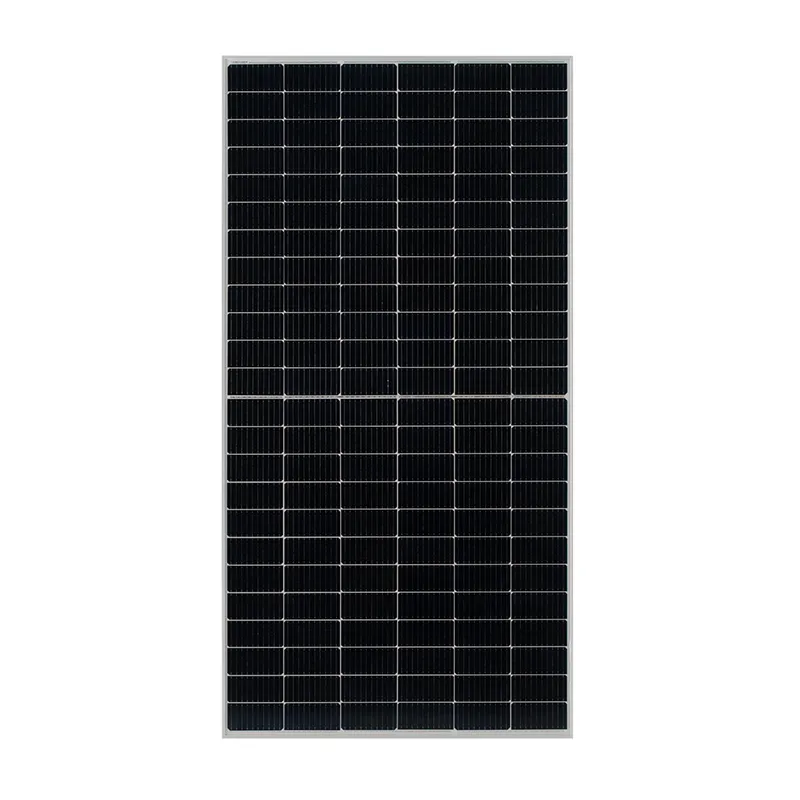
Here’s a product specs snapshot from a typical 1000V solar panel I’ve worked with recently:
| Specification | Details |
|---|---|
| Voltage Rating | 1000V DC |
| Panel Type | Monocrystalline |
| Power Output | 350 - 400 watts |
| Efficiency | 18% - 21% |
| Weight | 18 kg approx. |
| Warranty | 10 years product, 25 years linear power |
Speaking from experience, many engineers I chatted with highlight the importance of certifications (UL, IEC, TUV) especially in the 1000V category. It ensures not only safety but reliability over many seasons. After all, you don’t want panels underperforming or failing in the field — been there, seen that.
On the pricing front, it’s a bit of a juggle. A few years back, the 1000V panels were notably pricier due to relatively low demand and certification hurdles. Nowadays, thanks to manufacturers ramping up production volumes, prices have dropped. However, supply chain pressures—think raw material shortages or logistics—can cause short-term fluctuations.
To make sense of your options, here’s a quick vendor comparison table reflecting typical market offerings for 1000V solar panels I gathered from reputable suppliers:
| Vendor | Price per Watt | Warranty | Lead Time | Certifications |
|---|---|---|---|---|
| Benjiu Solar | $0.28 - $0.32 | 25 years | 4-6 weeks | UL, IEC, TUV |
| SunPower | $0.30 - $0.35 | 25 years | 6-8 weeks | UL, IEC, TUV |
| Trina Solar | $0.25 - $0.30 | 12 years | 3-5 weeks | UL, IEC |
One little anecdote: A contractor friend recently switched his entire build to 1000V panels from a trusted supplier (Benjiu Solar, no surprise). He mentioned how the upfront cost was a bit higher than what he’d budgeted but said the simplified wiring and faster installation saved labor costs in the long run. Plus, customers are thrilled with system performance and neat aesthetics—a win-win.
Another point I want to highlight is customization. Some panel manufacturers are offering flexible panel sizes or enhanced resistance coatings. It might cost a bit extra, but for installations exposed to extreme environments, it’s often worth the splurge. I recall working on a mountaintop solar farm project where durability beyond standard specs was crucial.
So, where does that leave you if you’re considering 1000V solar panels? Frankly, it pays to balance price with reliability and certification. From my years of hands-on experience, the cheapest panel almost never turns out cheapest in lifecycle cost. And these days, you can find a sweet mid-range priced 1000V panel like those at Benjiu Solar that offers solid warranty, performance, and support.
To wrap up: the 1000V solar panel price is more than just a number. It’s a reflection of technology, materials, certifications, and real-world application. If you’re serious about an efficient and reliable solar install, dive deeper, ask questions, and that investment usually shines bright for decades.
And if you want a good starting point for your 1000V panel sourcing needs, I suggest giving Benjiu Solar a look. It kind of feels like they get the balance right—at least from what I’ve seen and heard.
References:
1. Industry solar panel specification sheets
2. Installer feedback forums and professional webinars
3. Third-party testing labs’ certification info
-
Designing a Modern Home Roof Made Out of Solar Panels GuideNewsApr.16,2026
-
Guide to the Size of 150 Watt Solar Panel for Your ProjectNewsApr.09,2026
-
Understanding the Dimensions and Applications of a 200W Solar PanelNewsApr.07,2026
-
Understanding the Dimensions and Factors of a 330W Solar Panel SizeNewsApr.04,2026
-
Understanding the Size and Dimensions of a 4kW Solar Panel System for Your HomeNewsMar.31,2026
-
Comprehensive Guide to Sizing Your Solar System for Optimal Energy ProductionNewsMar.28,2026