Maximize Energy Savings with Efficient Small Solar Panels for Roof
Choosing the Right Small Solar Panels for Roof: A Comprehensive Guide
Investing in small solar panels for your roof is a smart move towards energy independence and reducing your carbon footprint. However, with so many options available, selecting the right panels can feel overwhelming. This article provides a detailed guide to understanding the key factors to consider when purchasing small solar panels for your roof, ensuring you make an informed decision that aligns with your energy needs and budget. We’ll cover everything from panel types to installation considerations, helping you harness the power of the sun efficiently and effectively.
Understanding Different Types of Small Solar Panels
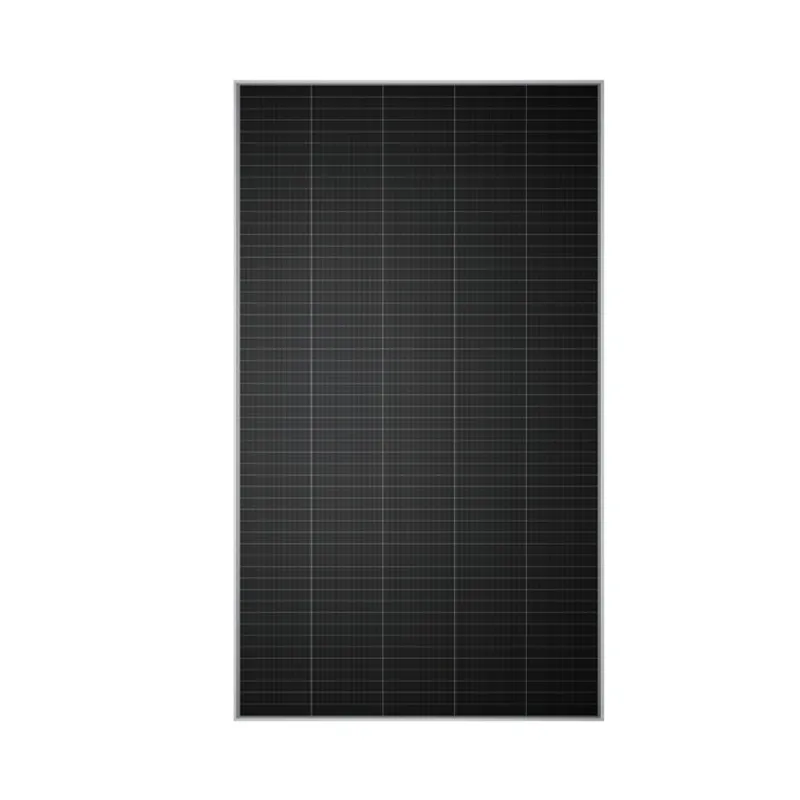
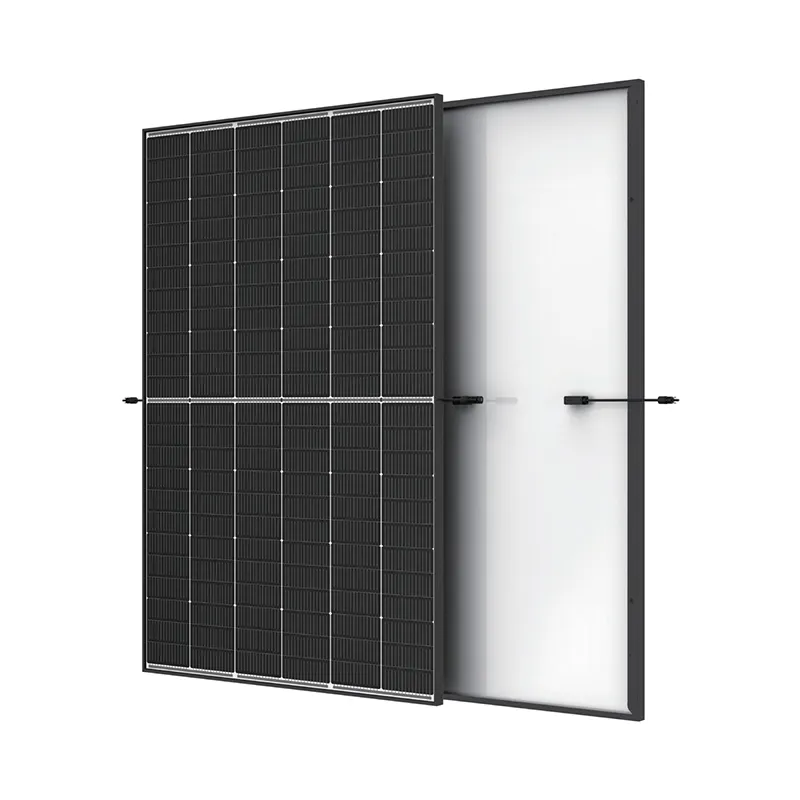
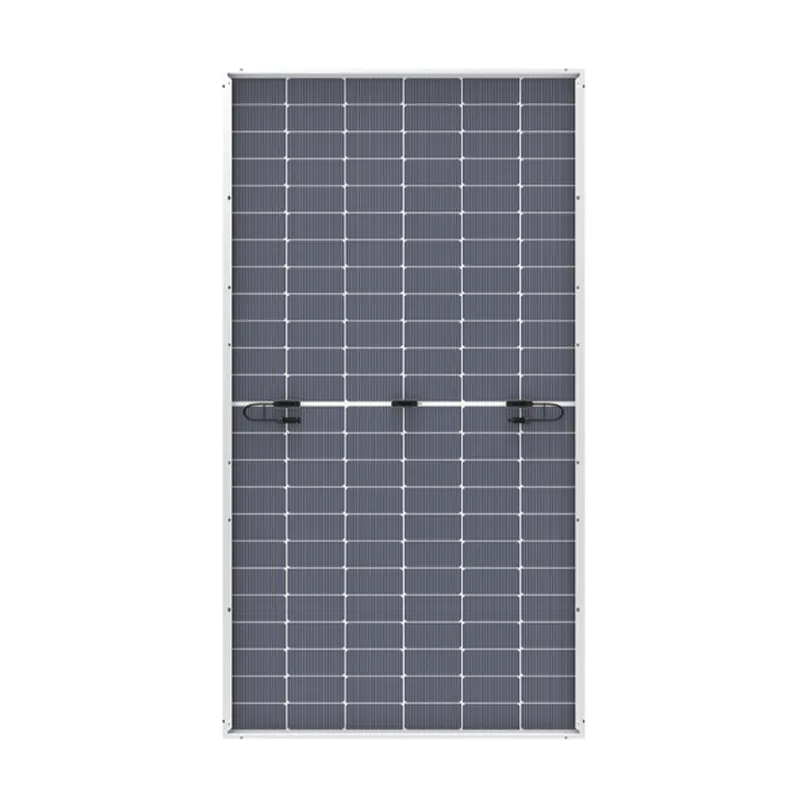
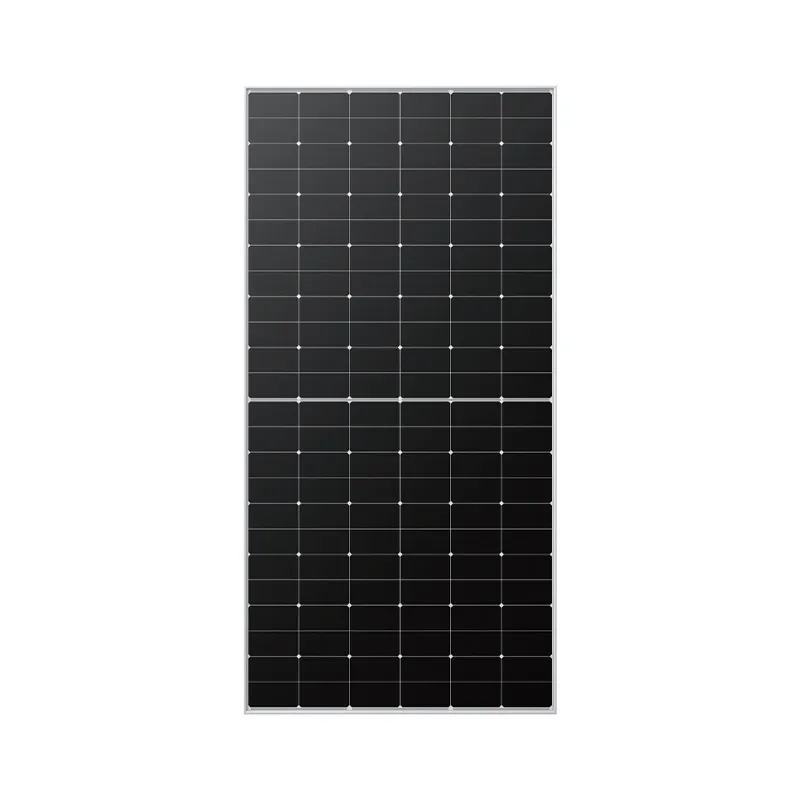
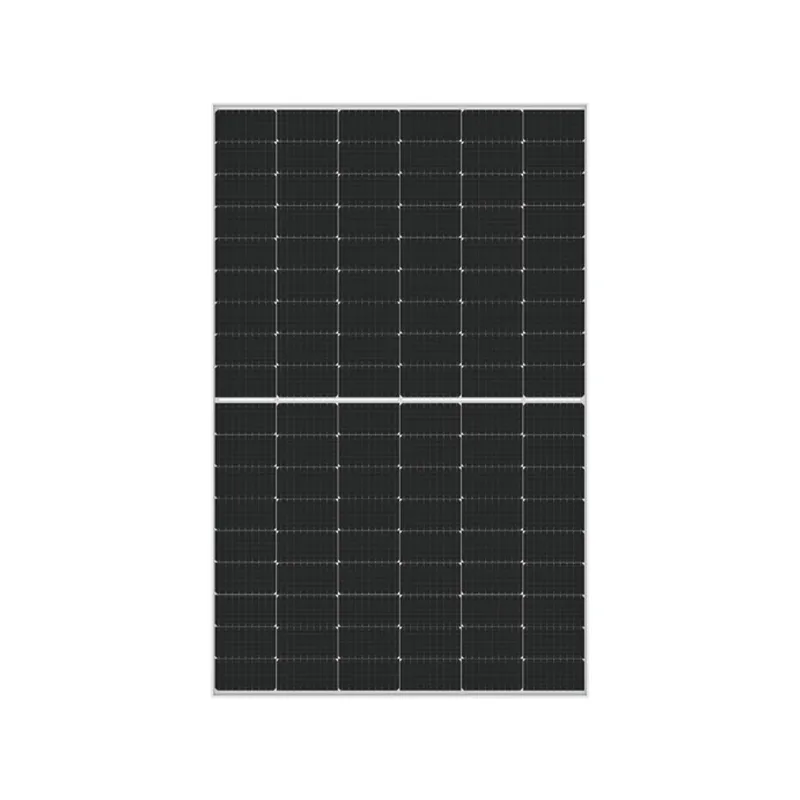
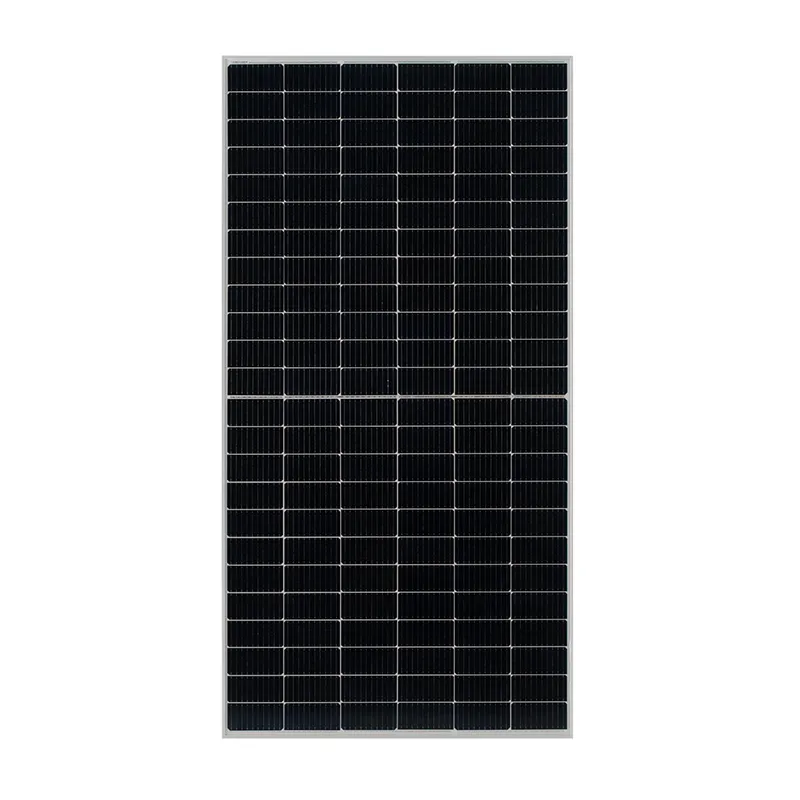
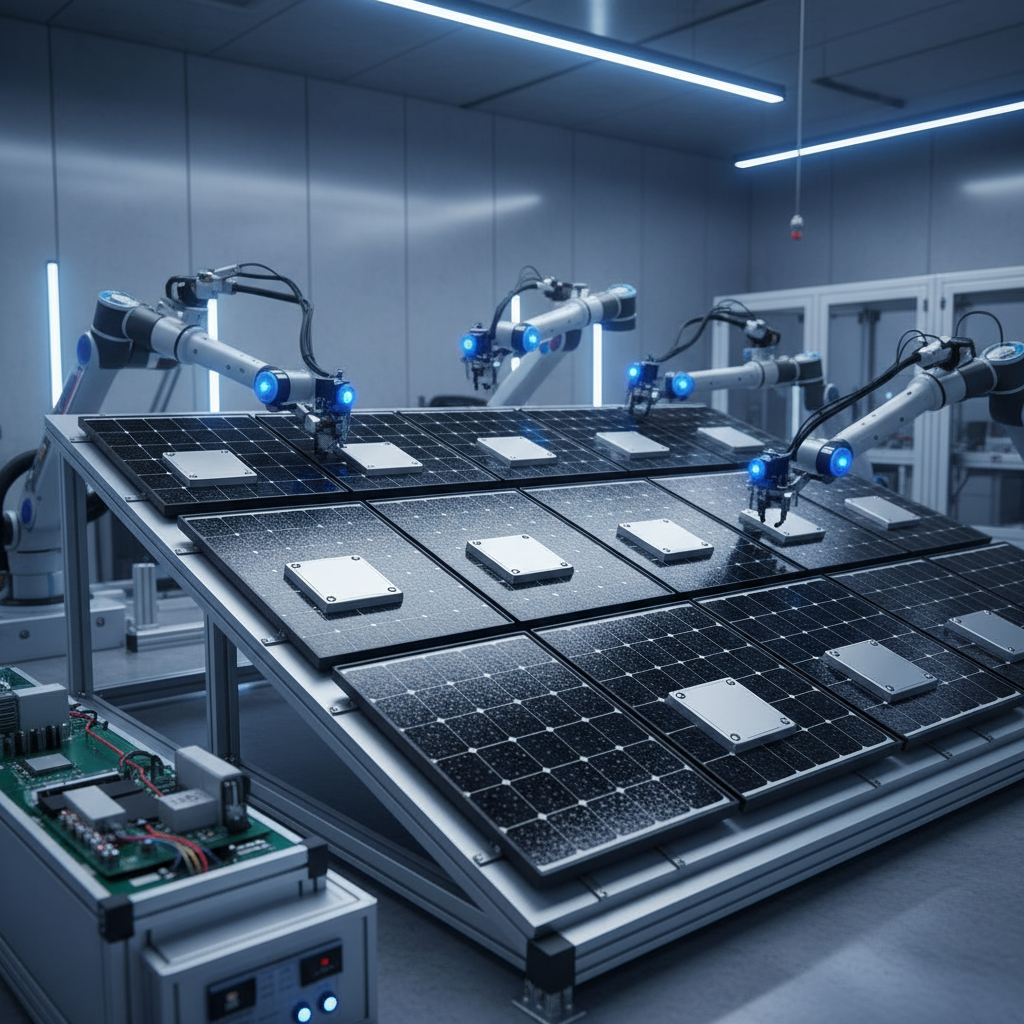
The solar panel market offers various technologies, each with its pros and cons. Monocrystalline panels are known for their high efficiency and sleek black appearance, making them a popular choice for residential roofs. Polycrystalline panels are typically more affordable but slightly less efficient. Thin-film panels are flexible and lightweight, suitable for unconventional roof shapes, but generally have the lowest efficiency. When selecting panels from Benjiu Solar, understanding these differences is vital to optimize your investment based on space and energy requirements. Each panel type has distinct characteristics that impact performance and cost.
Key Highlights: Choosing the right panel type depends on your roof space, budget, and desired efficiency. Monocrystalline panels offer the highest efficiency, while polycrystalline panels are a more cost-effective option. Thin-film panels excel in flexibility but have lower efficiency rates.
Factors to Consider When Choosing Small Solar Panels for Roof
Several key factors influence the suitability of solar panels for your roof. Firstly, assess your energy consumption to determine the required system size. Roof angle and orientation are crucial, as south-facing roofs generally receive the most sunlight. Shading from trees or buildings can significantly reduce output, so consider trimming or relocating obstructions. Benjiu Solar provides expert consultations to analyze these factors and recommend the best solution for your specific situation. Furthermore, the local climate and weather patterns should also be considered.
Essential Considerations:
• Energy Consumption: Calculate your average monthly electricity usage.
• Roof Orientation & Angle: South-facing and optimal angles maximize sunlight capture.
• Shading: Minimize shading from trees or nearby structures.
• Local Climate: Adapt panel choices to withstand local weather conditions.
Comparison of Popular Small Solar Panel Options
Let’s compare some popular options from Benjiu Solar. Different models offer varying wattage, efficiency, and warranties. Understanding these specifications is crucial for making an informed decision. Below is a comparative chart of three commonly selected small solar panel options:
Installation Considerations for Your Roof
Proper installation is crucial for the longevity and performance of your small solar panels. Ensure your roof can support the added weight. It’s recommended to hire a qualified solar installer to handle the mounting, wiring, and connection to your electrical system. Benjiu Solar offers installation guidance and partner recommendations to ensure a seamless experience. Incorrect installation can lead to leaks, electrical hazards, and reduced energy output.
Warranty and Maintenance of Your Solar System
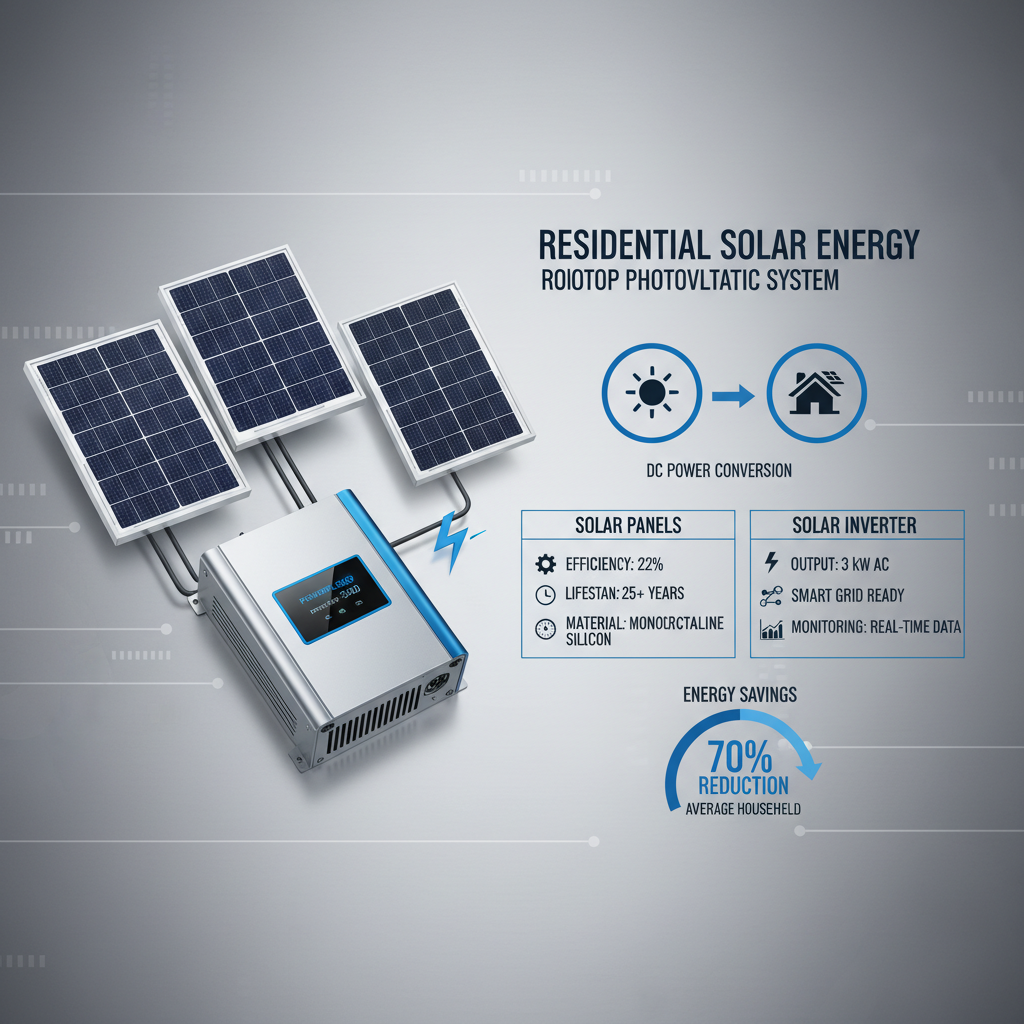
A robust warranty is a sign of a quality product. Benjiu Solar panels come with comprehensive warranties covering performance and defects. Regular maintenance, such as cleaning the panels to remove dirt and debris, can optimize performance. Annual inspections by a qualified technician can identify and address potential issues before they escalate. Proper care ensures your investment continues to generate clean energy for years to come.
Conclusion: Embrace Sustainable Energy with Benjiu Solar
Investing in small solar panels for your roof from Benjiu Solar is a step towards a sustainable future. By carefully considering your energy needs, roof conditions, and panel specifications, you can maximize your investment and enjoy the benefits of clean, renewable energy. We are committed to providing high-quality panels, expert guidance, and reliable support to help you make the switch to solar.
Frequently Asked Questions (FAQs)
How long do small solar panels typically last?
Most small solar panels are designed to last for 25-30 years, although their power output will gradually decrease over time. Benjiu Solar panels are rigorously tested to ensure long-term durability and performance. Degradation rates are typically around 0.5% per year, meaning a panel rated at 100W will produce approximately 85W after 25 years. Regular maintenance and monitoring can help maximize their lifespan and output.
What is the payback period for a small solar panel system?
The payback period varies depending on several factors, including the cost of the system, your electricity rates, and the amount of sunlight your roof receives. Generally, the payback period for a small solar panel system ranges from 5 to 10 years. Government incentives and tax credits can significantly shorten this timeframe. Benjiu Solar can help you estimate your payback period based on your specific circumstances.
Do I need a battery to store solar energy?
Not necessarily. If your system is connected to the grid, excess energy generated by your panels is sent back to the utility company, earning you credits on your electricity bill (net metering). However, if you want to have power during outages or reduce your reliance on the grid, a battery storage system is recommended. Benjiu Solar offers battery solutions to complement your solar panel system.
Is professional installation required for small solar panels?
While it’s technically possible to install small solar panels yourself, professional installation is highly recommended. It ensures the system is installed safely and correctly, maximizing performance and complying with local building codes. Incorrect installation can void warranties and create safety hazards. Benjiu Solar partners with certified installers to provide reliable and professional installation services.
-
Designing a Modern Home Roof Made Out of Solar Panels GuideNewsApr.16,2026
-
Guide to the Size of 150 Watt Solar Panel for Your ProjectNewsApr.09,2026
-
Understanding the Dimensions and Applications of a 200W Solar PanelNewsApr.07,2026
-
Understanding the Dimensions and Factors of a 330W Solar Panel SizeNewsApr.04,2026
-
Understanding the Size and Dimensions of a 4kW Solar Panel System for Your HomeNewsMar.31,2026
-
Comprehensive Guide to Sizing Your Solar System for Optimal Energy ProductionNewsMar.28,2026