Exploring Solar Panel Power Efficiency Maximization and Advanced Technologies
Understanding Solar Panel Power Efficiency
In the pursuit of sustainable energy, solar panel power efficiency is a crucial factor. It dictates how effectively sunlight is converted into usable electricity. Higher efficiency translates to more power generated from a given surface area, reducing costs and maximizing energy yield. This article will explore the key elements influencing solar panel efficiency, the various types of solar panels, and how Benjiu Solar is committed to delivering high-performance solar solutions. Understanding these concepts is essential for anyone looking to invest in solar energy.
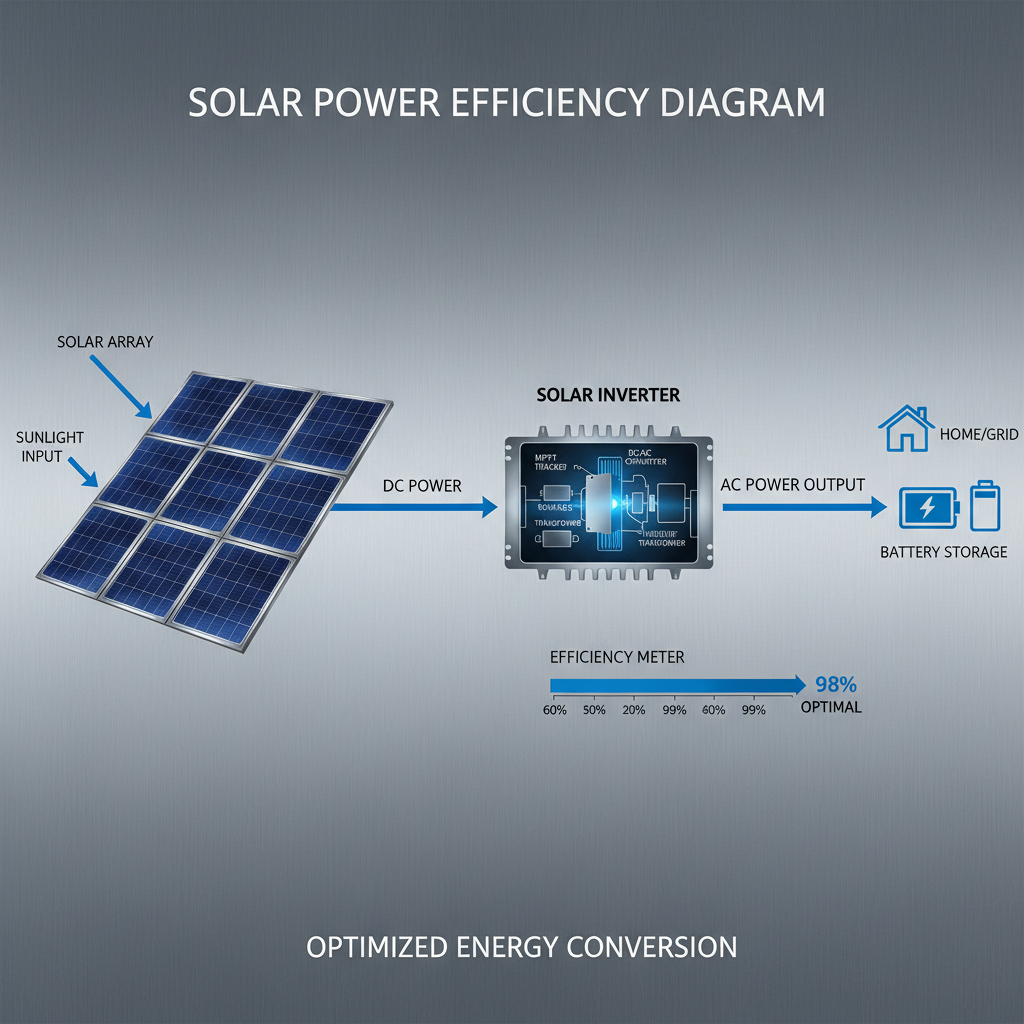
Factors Influencing Solar Panel Power Efficiency
Several factors contribute to the overall power efficiency of a solar panel. These include the type of solar cell used (monocrystalline, polycrystalline, or thin-film), the quality of the materials, manufacturing processes, and environmental conditions. Temperature plays a significant role – higher temperatures typically decrease efficiency. Sunlight intensity and angle of incidence also affect performance. Furthermore, factors like shading, dust accumulation, and panel degradation over time can reduce power output. Regular maintenance, such as cleaning, is crucial for maintaining optimal efficiency. Investing in panels with a robust design and high-quality components is essential for long-term performance.
Key Takeaways: Temperature, sunlight intensity, shading, and material quality all impact solar panel power efficiency. Regular maintenance can help mitigate performance loss.
Types of Solar Panels and Their Efficiency
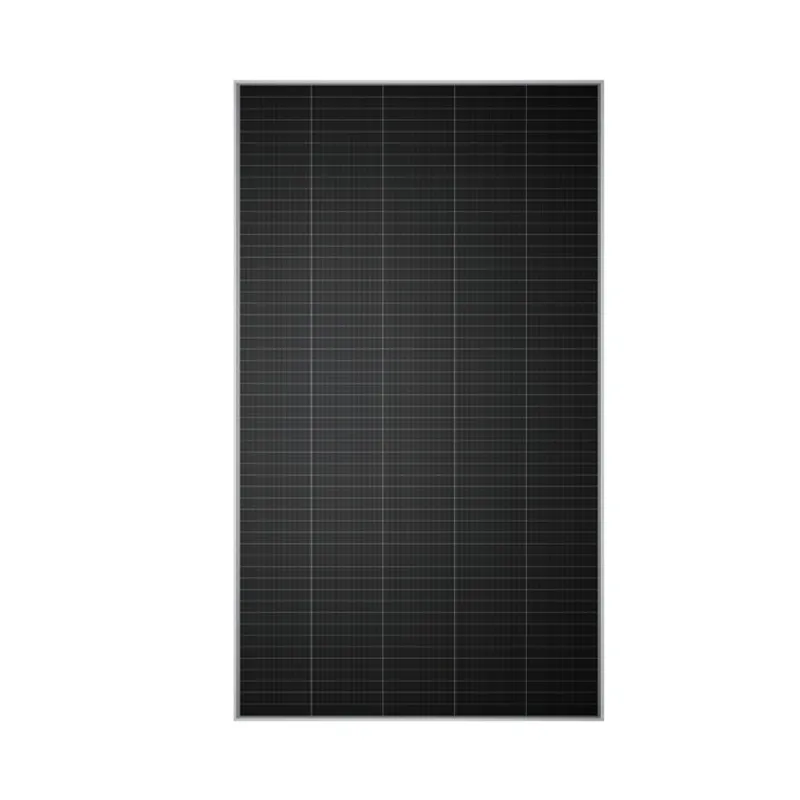
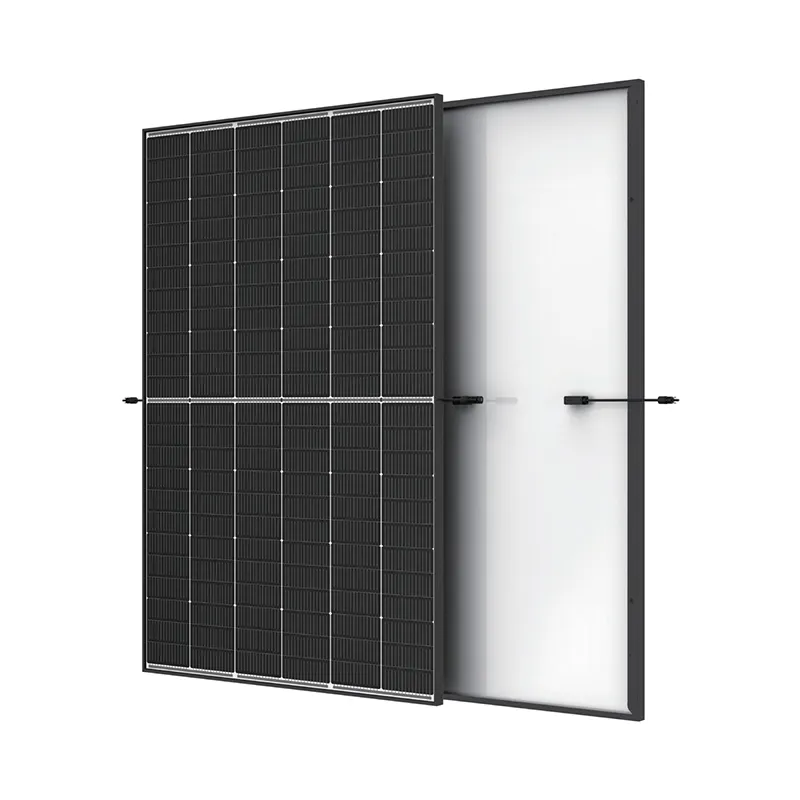
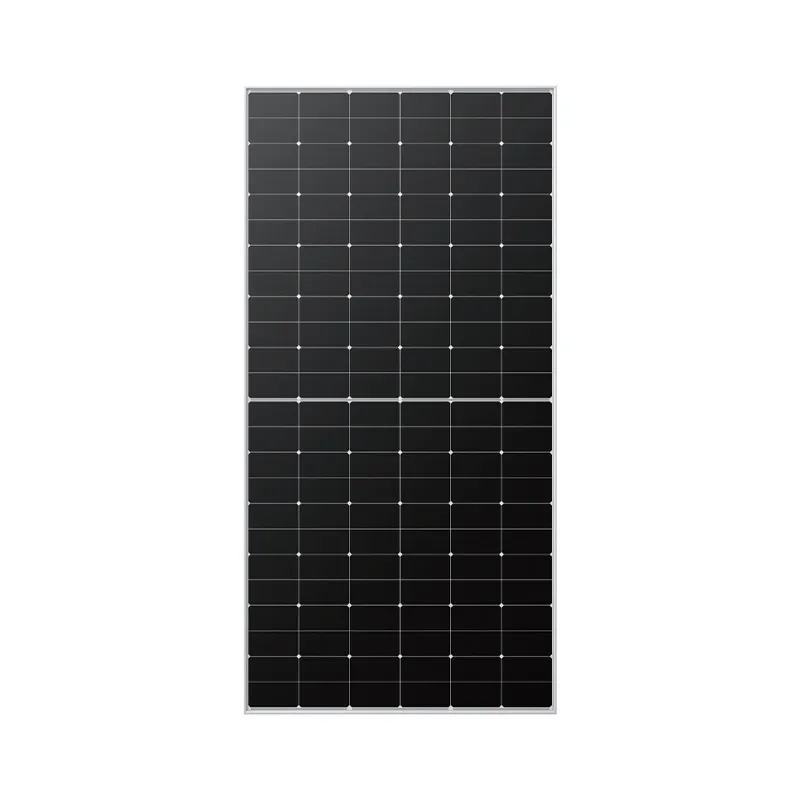
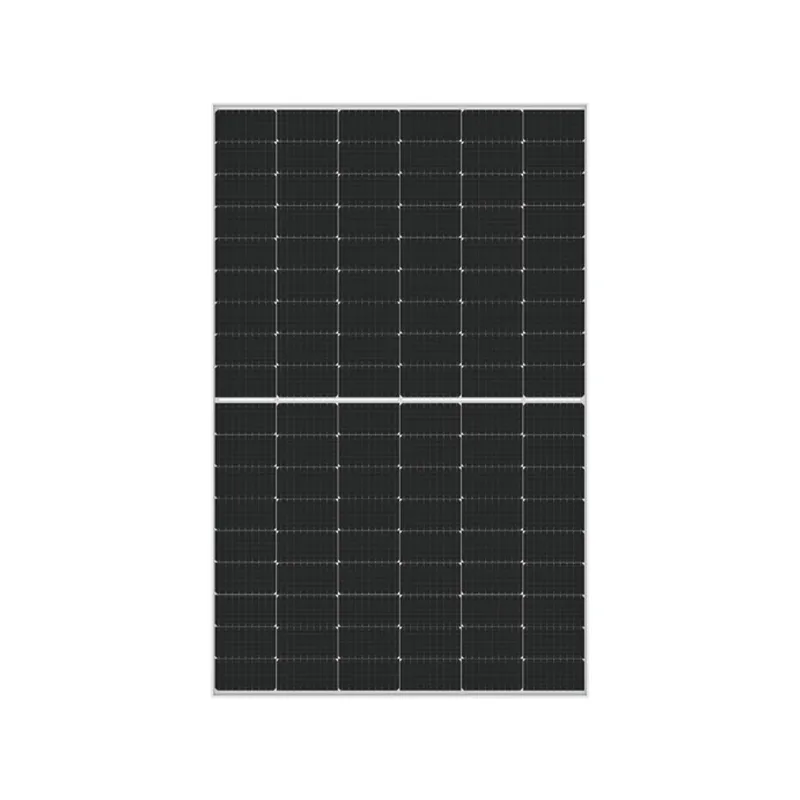
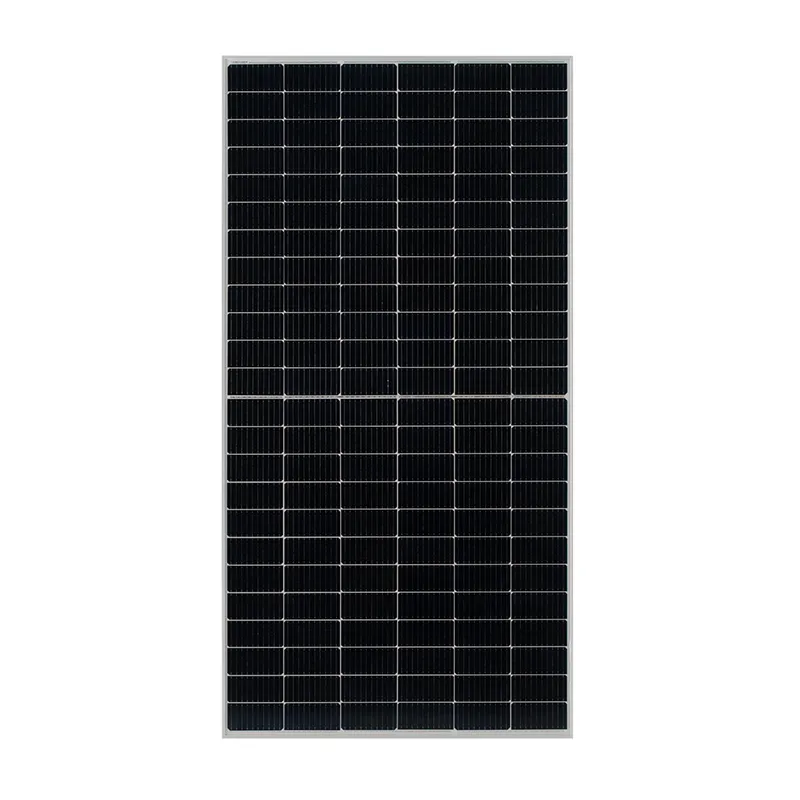
Different types of solar panels offer varying levels of efficiency. Monocrystalline panels, known for their sleek black appearance, typically boast the highest efficiency rates, often ranging from 20% to 22%. Polycrystalline panels, with their blue, speckled appearance, are slightly less efficient, usually around 15% to 17%. Thin-film panels, which include various technologies like amorphous silicon, cadmium telluride, and CIGS, generally have lower efficiency rates (7% to 13%) but can be more cost-effective and flexible. The choice of panel type depends on available space, budget, and energy requirements.
Solar Panel Efficiency Comparison:
• Monocrystalline: 20-22%
• Polycrystalline: 15-17%
• Thin-Film: 7-13%
Maximizing Solar Panel Power Efficiency: Benjiu Solar's Approach
At Benjiu Solar, we prioritize delivering high-efficiency solar panels built with cutting-edge technology. We offer a range of monocrystalline panels with efficiency ratings exceeding 22%, ensuring optimal energy production. Our panels undergo rigorous quality control testing to guarantee performance and durability. We also provide expert installation services to maximize sunlight capture and minimize energy losses. Furthermore, we focus on continuous innovation to improve panel efficiency and reduce costs.
The Future of Solar Panel Efficiency
Ongoing research and development are continually pushing the boundaries of solar panel efficiency. Innovations like perovskite solar cells, heterojunction technology (HJT), and tandem cells hold the promise of even higher efficiency rates. These advancements, combined with optimized manufacturing processes and improved materials, will contribute to a more sustainable and affordable energy future. Benjiu Solar remains dedicated to staying at the forefront of these advancements and providing our customers with the most efficient and reliable solar solutions available.
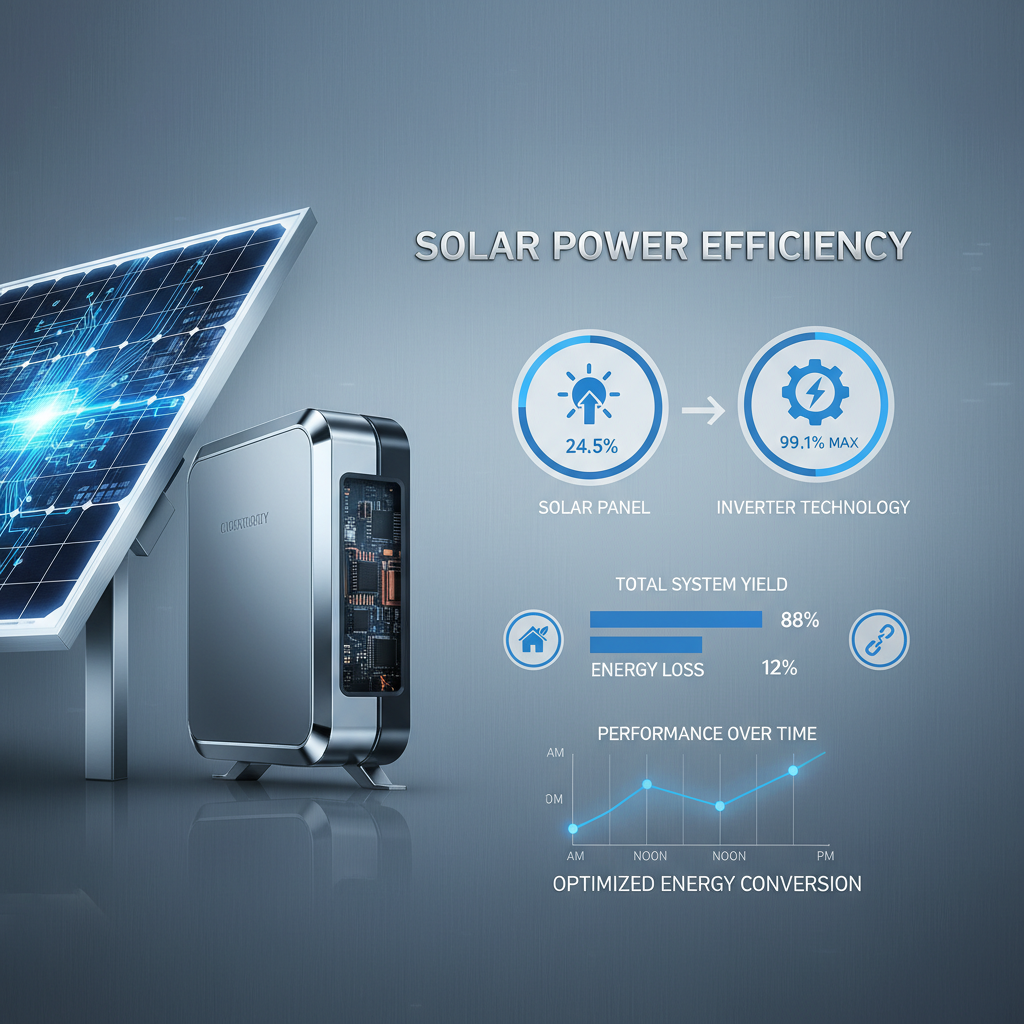
Conclusion: Investing in High-Efficiency Solar Power
Choosing high-efficiency solar panels from Benjiu Solar is a smart investment in a sustainable future. Our commitment to quality, innovation, and customer satisfaction ensures you receive a solar solution that maximizes energy production and delivers long-term value. Embrace the power of the sun with confidence!
Frequently Asked Questions (FAQs)
What is a typical degradation rate for solar panels?
Most solar panels experience a slight decrease in power output over time, known as degradation. A typical degradation rate is around 0.5% per year. This means that after 25 years, a panel might produce approximately 87.5% of its original rated power. Benjiu Solar panels are designed to minimize degradation and maintain high performance for decades, backed by a robust warranty. Factors like temperature, UV exposure, and humidity can affect the degradation rate.
How does shading affect solar panel efficiency?
Shading, even partial shading, can significantly reduce the power output of a solar panel system. This is because solar panels are often connected in series, and the performance of the entire string is limited by the lowest-performing panel. Benjiu Solar offers solutions like bypass diodes and power optimizers to mitigate the impact of shading and maximize energy yield.
What is the benefit of using a power optimizer?
Power optimizers are DC-to-DC converters that are attached to each individual solar panel. They maximize the power output of each panel independently, reducing the impact of shading, panel mismatch, and temperature variations. This results in higher overall system efficiency and increased energy production. Benjiu Solar integrates power optimizers into many of its systems to deliver optimal performance.
-
Designing a Modern Home Roof Made Out of Solar Panels GuideNewsApr.16,2026
-
Guide to the Size of 150 Watt Solar Panel for Your ProjectNewsApr.09,2026
-
Understanding the Dimensions and Applications of a 200W Solar PanelNewsApr.07,2026
-
Understanding the Dimensions and Factors of a 330W Solar Panel SizeNewsApr.04,2026
-
Understanding the Size and Dimensions of a 4kW Solar Panel System for Your HomeNewsMar.31,2026
-
Comprehensive Guide to Sizing Your Solar System for Optimal Energy ProductionNewsMar.28,2026