Optimizing Energy Production with Correct Solar Panel Array Size Considerations
Understanding Solar Panel Array Size for Optimal Energy Production
Determining the correct solar panel array size is crucial for maximizing your return on investment and achieving energy independence. This involves a careful consideration of your energy needs, available space, and budget. A properly sized array will generate enough electricity to meet your demands without unnecessary overspending. This article will explore the key factors involved in calculating solar panel array size, providing a comprehensive guide for homeowners and businesses alike. Investing in a well-planned solar system ensures long-term savings and a sustainable energy source.
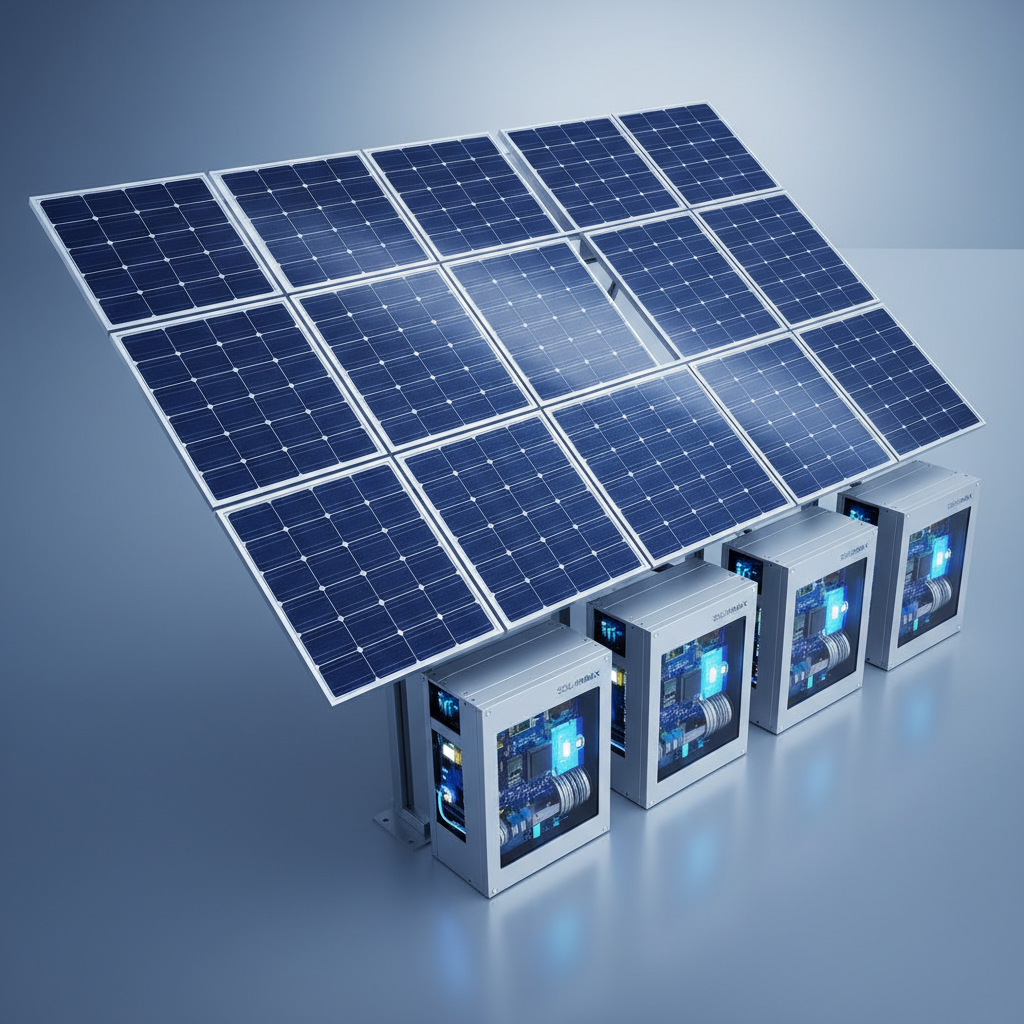
Key Factors Influencing Solar Panel Array Size
Several factors directly influence the appropriate solar panel array size. Your average daily energy consumption is the starting point. This can be determined by reviewing your electricity bills over the past year. Roof space and orientation are also vital; south-facing roofs generally receive the most sunlight. Shading from trees or buildings must be considered, as it can significantly reduce energy production. Finally, your budget will play a role, as larger arrays require a greater upfront investment. Accurate assessment of these factors ensures optimal system performance.
Key Considerations: Evaluate your energy consumption, assess roof space and orientation, account for shading, and determine your budget.
Calculating Your Energy Needs
To accurately calculate your energy needs, start by reviewing your annual electricity usage in kilowatt-hours (kWh). Divide this number by 365 to determine your average daily energy consumption. Next, factor in any future increases in energy demand, such as adding electric vehicles or appliances. Consider seasonal variations – you might use more energy for heating or cooling. Benjiu Solar offers free energy assessments to help you determine your specific needs and recommend the appropriate array size.
Energy Needs Assessment:
• Review annual electricity usage (kWh).
• Calculate average daily energy consumption.
• Account for future energy demand increases.
• Consider seasonal variations.
Solar Panel Output and Array Size Determination
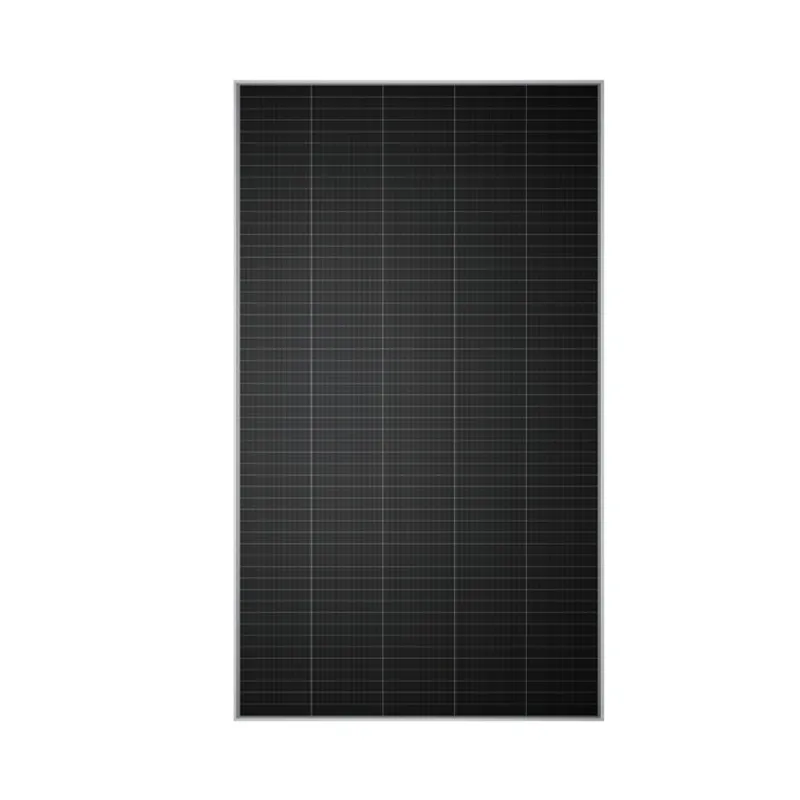
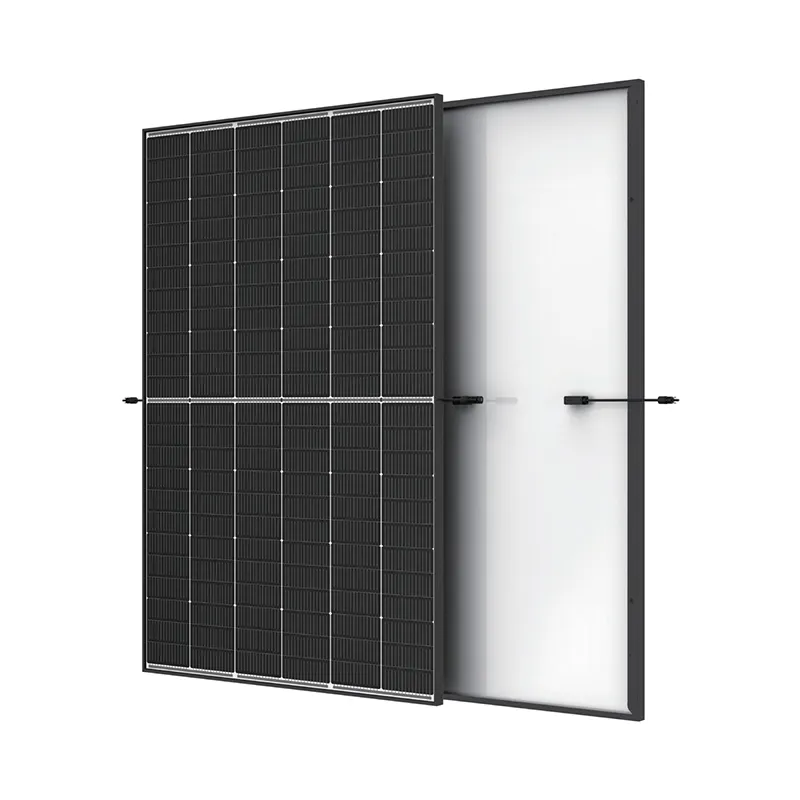
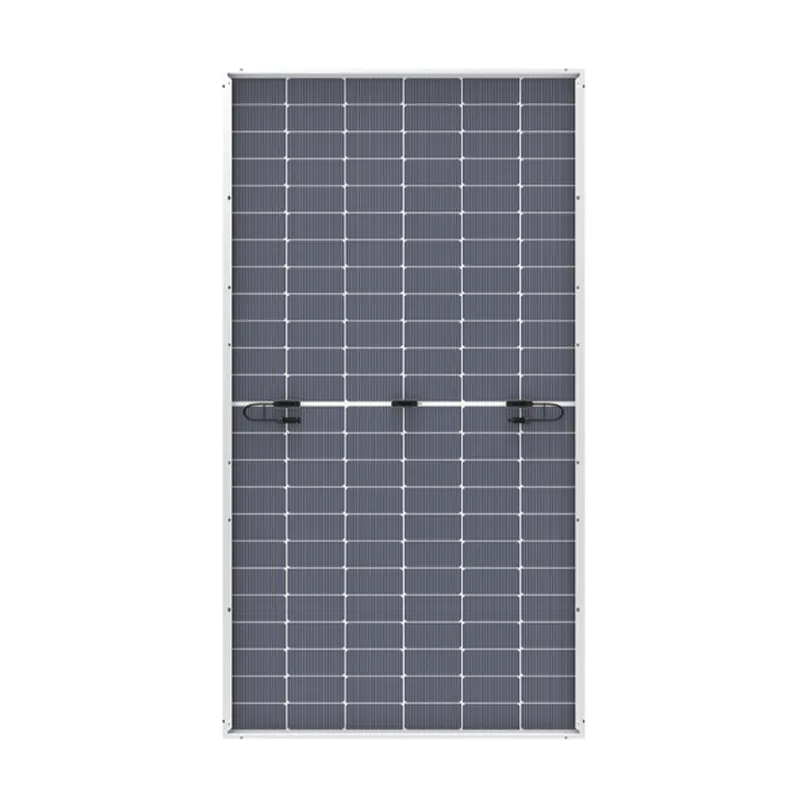
The output of a solar panel varies depending on factors like panel efficiency, sunlight hours, and temperature. Generally, a typical solar panel produces between 300 and 400 watts of power under standard test conditions. To determine the number of panels needed, divide your daily energy consumption (in watt-hours) by the estimated daily output per panel. Remember to account for system losses due to factors like inverter inefficiency and wiring resistance. Benjiu Solar provides high-efficiency panels designed to maximize energy production, reducing the overall array size required.
Impact of Roof Space and Orientation on Array Size
Limited roof space can necessitate using higher-efficiency solar panels to achieve the desired power output. South-facing roofs receive the most sunlight throughout the day, maximizing energy production and potentially allowing for a smaller array. East or West-facing roofs will require a larger array to compensate for reduced sunlight exposure. Benjiu Solar offers flexible panel options and custom installation designs to optimize energy capture even with challenging roof configurations.
Conclusion: Optimizing Your Solar Investment
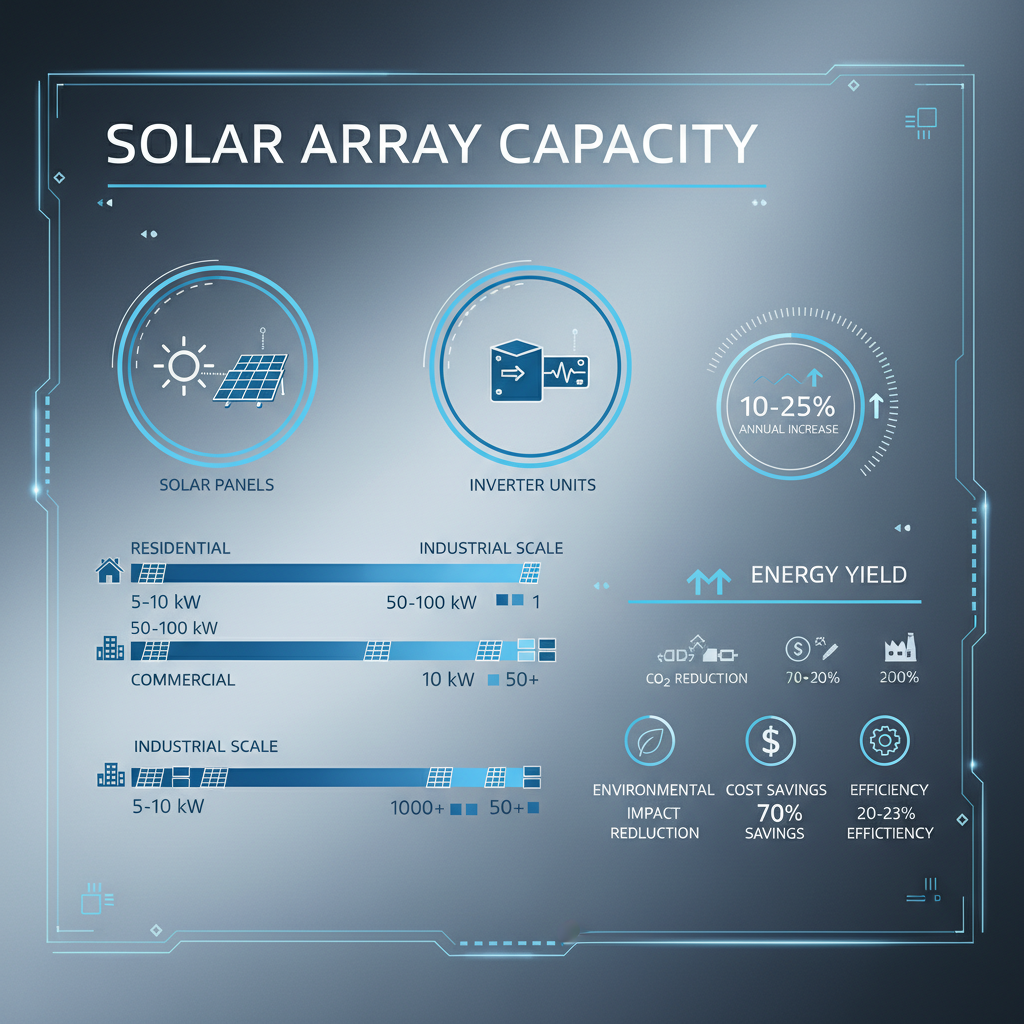
Determining the correct solar panel array size is a multifaceted process, but a crucial one for maximizing your investment. By carefully considering your energy needs, roof characteristics, and budget, you can design a system that delivers long-term energy savings and sustainability. Benjiu Solar provides expert guidance and customized solutions to ensure you achieve optimal performance from your solar investment.
Frequently Asked Questions (FAQs)
What happens if my solar array is too small?
If your solar array is too small, it won’t generate enough electricity to meet your needs, and you’ll continue to rely on the grid for power. This means you’ll continue paying high electricity bills and won’t realize the full financial benefits of going solar. In some cases, you might experience power outages if your solar system can’t handle peak demand. It's crucial to accurately assess your energy consumption and choose an array size that can comfortably cover it, even during less sunny periods. Benjiu Solar can help you avoid this issue with a thorough energy assessment.
Can I add more panels later if my energy needs increase?
Yes, in many cases, you can add more solar panels to your existing system if your energy needs increase. However, there are a few factors to consider. Your inverter needs to have the capacity to handle the additional panels. You'll also need to ensure that your roof has enough space and structural support. It’s often more cost-effective to install a slightly larger array upfront to accommodate future needs, rather than expanding the system later. Benjiu Solar can advise on system scalability during the initial design phase.
How does shading affect the solar panel array size?
Shading significantly reduces the output of solar panels. Even partial shading can dramatically lower energy production. If your roof is shaded by trees or buildings, you'll need to install a larger array to compensate for the lost sunlight. Alternatively, you can consider tree trimming or using microinverters or power optimizers, which can mitigate the effects of shading on individual panels. Benjiu Solar conducts shading analyses to optimize panel placement and recommend appropriate solutions.
What role does the inverter play in determining the array size?
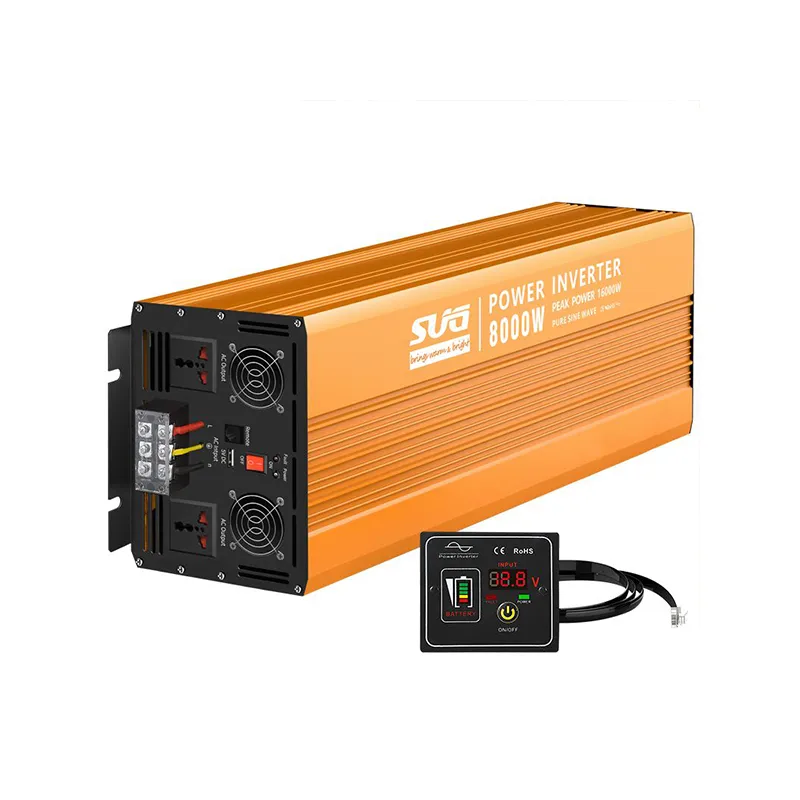
The inverter converts the DC electricity produced by the solar panels into AC electricity that can be used by your home. The inverter's capacity must be appropriately matched to the size of the solar array. If the array is too large for the inverter, it will limit the amount of power that can be converted, resulting in wasted energy. Conversely, if the inverter is too large, it will be less efficient. Benjiu Solar carefully selects inverters to ensure optimal performance and compatibility with your specific solar array.
-
Designing a Modern Home Roof Made Out of Solar Panels GuideNewsApr.16,2026
-
Guide to the Size of 150 Watt Solar Panel for Your ProjectNewsApr.09,2026
-
Understanding the Dimensions and Applications of a 200W Solar PanelNewsApr.07,2026
-
Understanding the Dimensions and Factors of a 330W Solar Panel SizeNewsApr.04,2026
-
Understanding the Size and Dimensions of a 4kW Solar Panel System for Your HomeNewsMar.31,2026
-
Comprehensive Guide to Sizing Your Solar System for Optimal Energy ProductionNewsMar.28,2026