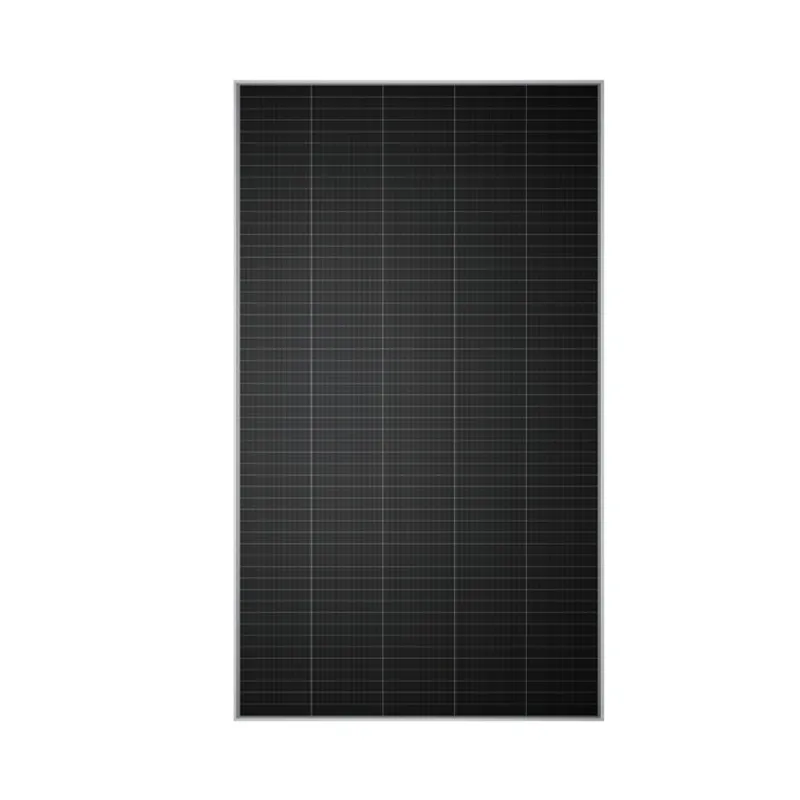
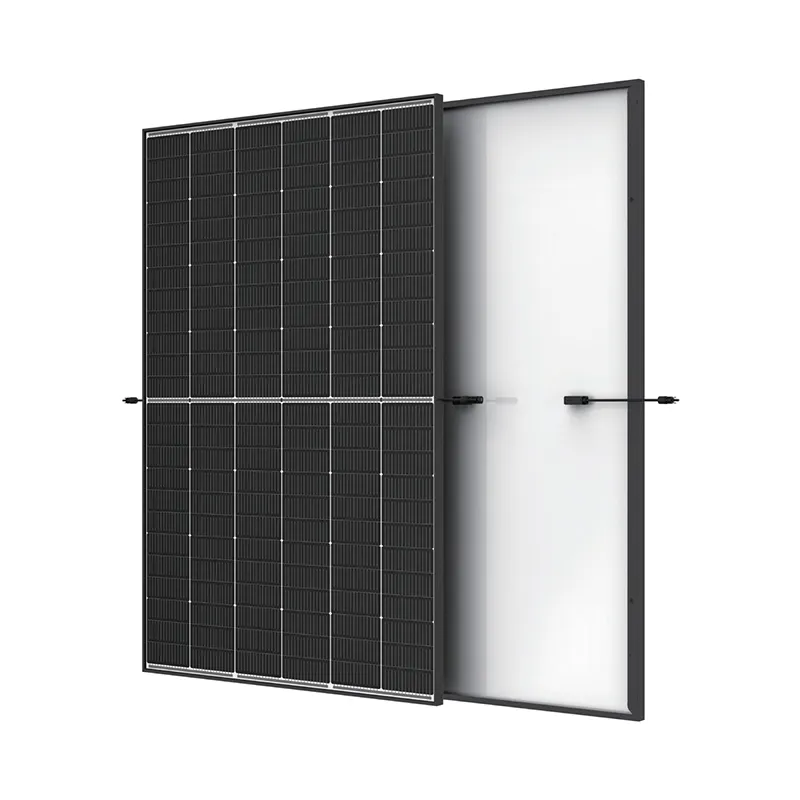
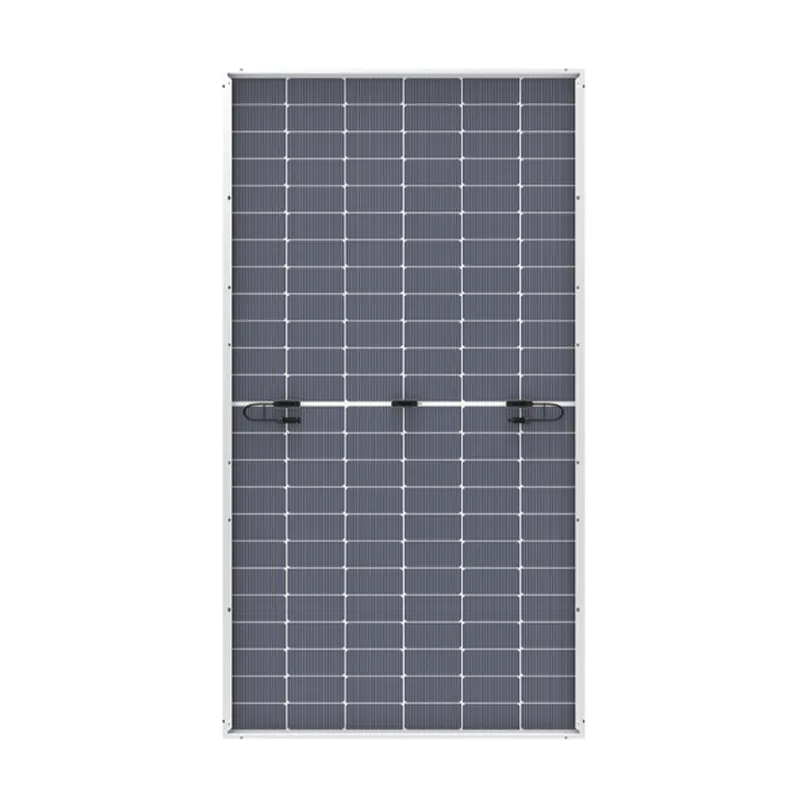
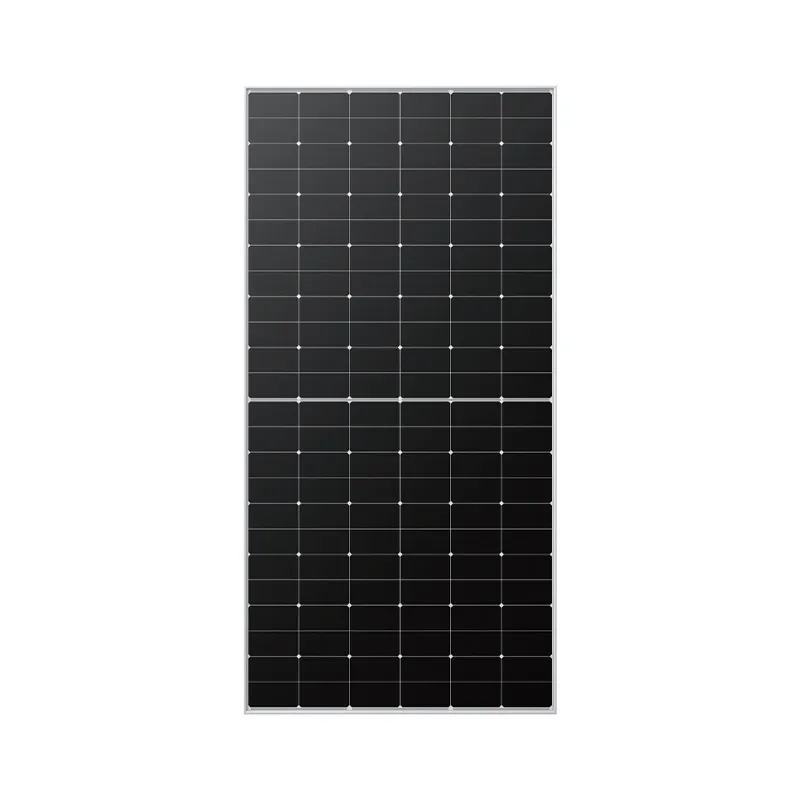
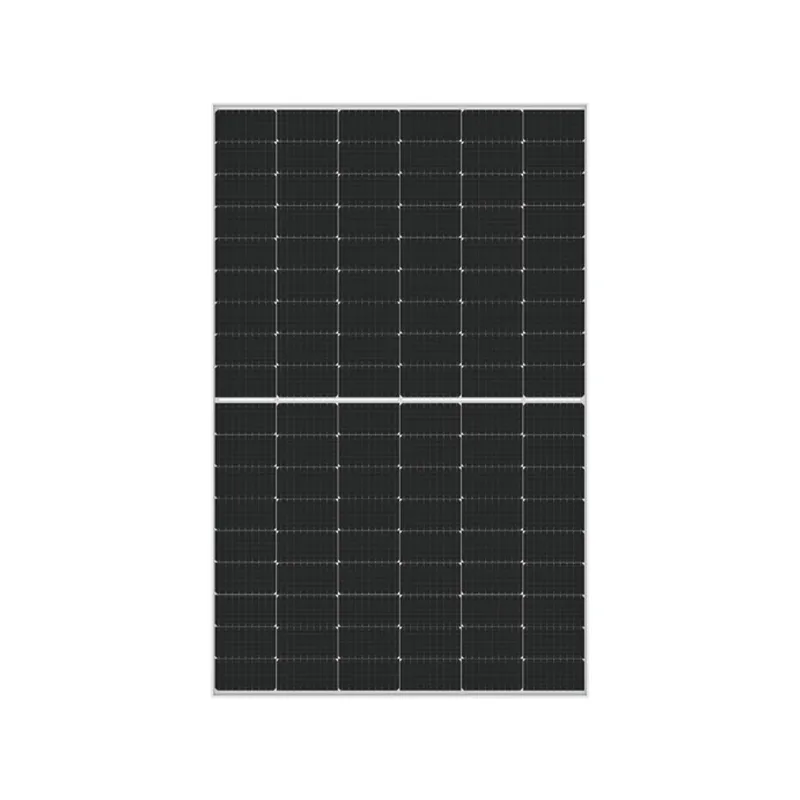
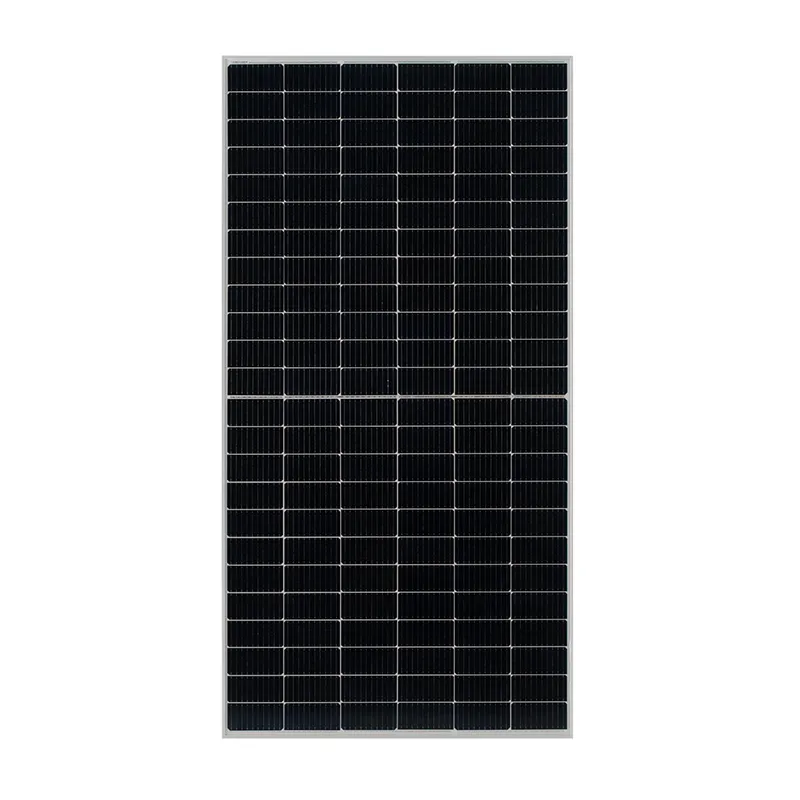
AIKO 445-460W N-Type ABC Dual-Glass Solar Panel | High Efficiency
Navigating the Solar Landscape: Industry Trends and Innovations
The global solar photovoltaic (PV) market is experiencing unprecedented growth, driven by increasing demands for renewable energy, technological advancements, and supportive policy frameworks. Key trends shaping this dynamic sector include the rapid adoption of N-Type cell technologies, the rise of bifacial and dual-glass module designs, and a relentless pursuit of higher module efficiencies and lower Levelized Cost of Energy (LCOE). N-Type silicon, in particular, offers superior performance attributes, including enhanced resistance to Light-Induced Degradation (LID) and LeTID (Light and elevated Temperature Induced Degradation), a lower temperature coefficient, and improved bifaciality compared to traditional P-Type PERC cells.
Within this innovative wave, All-Back Contact (ABC) technology represents a significant leap forward. By moving all metal contacts to the rear side of the solar cell, ABC eliminates shading losses from front-side busbars, maximizing the active area exposed to sunlight. This design not only boosts efficiency but also offers a sleek, uniform aesthetic, making it highly appealing for architectural integration. Dual-glass encapsulation further enhances the durability and longevity of PV modules, providing superior protection against mechanical stress, harsh environmental conditions, and potential-induced degradation (PID). These advancements collectively contribute to a more robust, efficient, and reliable solar energy future, pivotal for achieving global sustainability targets. The AIKO 445-460W N-Type ABC Dual-glass Solar Panel for Solar System stands at the forefront of these innovations, delivering cutting-edge performance for diverse applications.
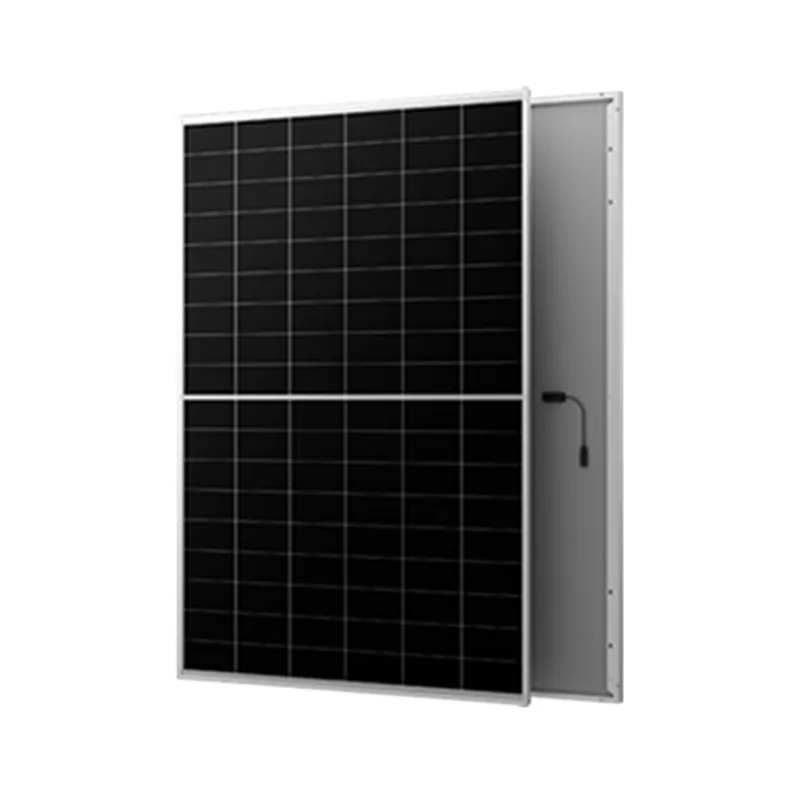
Technical Specifications: Unpacking the AIKO Advantage
The AIKO 445-460W N-Type ABC Dual-glass Solar Panel for Solar System is engineered for optimal performance and long-term reliability. At its core, it leverages N-Type silicon wafers, which inherently offer superior electronic properties compared to P-Type. The All-Back Contact (ABC) cell architecture further refines this, achieving record-breaking efficiencies by eliminating front-side metallization shading. This design choice results in a visually appealing, all-black aesthetic that also maximizes photon capture.
Encapsulation with dual-glass provides exceptional mechanical strength and environmental protection. This configuration significantly reduces the risk of micro-cracks, hotspots, and delamination, which are common degradation pathways in conventional backsheet modules. The dual-glass structure also offers enhanced resistance to PID, salt mist, ammonia, and sand abrasion, making it ideal for deployments in harsh environments. Below is a detailed table outlining the typical electrical and mechanical parameters for this advanced module series.
AIKO 445-460W N-Type ABC Dual-glass Solar Panel: Key Specifications (STC)
| Parameter | Value (460Wp Module) | Unit |
|---|---|---|
| Maximum Power (Pmax) | 460 | Wp |
| Module Efficiency | 23.0% - 23.5% | % |
| Open Circuit Voltage (Voc) | 51.0 - 52.5 | V |
| Short Circuit Current (Isc) | 11.3 - 11.5 | A |
| Maximum Power Voltage (Vmp) | 42.5 - 43.8 | V |
| Maximum Power Current (Imp) | 10.8 - 11.0 | A |
| Temperature Coefficient of Pmax | -0.29 | %/°C |
| Operating Temperature | -40 to +85 | °C |
| Module Dimensions (approx.) | 1903 x 1134 x 30 | mm |
| Weight | ~22.5 | kg |
| Glass Thickness (Front/Rear) | 2.0mm / 2.0mm | mm |
| Mechanical Load (Front/Rear) | 5400 Pa / 2400 Pa |
Parameters measured under Standard Test Conditions (STC): 1000 W/m², AM 1.5 spectrum, 25°C cell temperature. Electrical data ±3% tolerance.
Advanced Manufacturing Process: Precision and Quality Assurance
The production of the AIKO 445-460W N-Type ABC Dual-glass Solar Panel for Solar System adheres to stringent quality control protocols and state-of-the-art manufacturing techniques, ensuring each module meets the highest industry standards. The process integrates advanced materials and precision engineering at every stage, from silicon ingot to final module assembly.
Manufacturing Process Flow:
- 1. Silicon Ingot Growth & Wafering: High-purity N-type silicon ingots are grown using the Czochralski (Cz) method. These ingots are then precisely sliced into ultra-thin wafers using multi-wire saws, optimizing material usage and minimizing defects.
- 2. Cell Fabrication (ABC Technology):
- Texturing: Wafers undergo surface texturing to reduce reflection and enhance light absorption.
- Doping: Controlled diffusion processes create the p-n junction, critical for photovoltaic effect.
- Passivation: Dielectric layers are applied to reduce surface recombination, improving efficiency.
- All-Back Contact (ABC) Metallization: All electrical contacts are formed on the rear side of the cell using advanced printing and firing techniques, eliminating front-side grid lines.
- 3. Cell Sorting & Stringing: Cells are meticulously sorted based on electrical parameters to ensure uniformity within each module. Robotic automation precisely strings these cells together with conductive ribbons.
- 4. Lamination (Dual-Glass): The cell strings are encapsulated between two sheets of tempered solar glass using advanced EVA (Ethylene Vinyl Acetate) or POE (Polyolefin Elastomer) encapsulant. This hot lamination process permanently bonds the layers, providing robust protection.
- 5. Framing & Junction Box Attachment: A high-strength aluminum alloy frame is typically applied (though frameless options exist) for structural integrity. The IP68-rated junction box, housing bypass diodes, is securely attached to the rear, ensuring safe electrical connections.
- 6. Final Testing & Quality Control: Each completed module undergoes rigorous testing, including:
- Electroluminescence (EL) testing: Detects micro-cracks and cell defects.
- Flash testing: Measures actual power output under STC.
- Visual inspection: Checks for cosmetic flaws.
- PID (Potential Induced Degradation) resistance testing.
- Mechanical load testing (e.g., to IEC 61215 standards).
- 7. Packaging & Shipping: Modules are carefully packaged to prevent damage during transit, ready for global distribution.
All manufacturing steps are carried out under strict adherence to international quality management standards such as ISO 9001 and environmental management standards like ISO 14001. Product safety and performance are verified through certifications like IEC 61215 and IEC 61730, ensuring a projected service life exceeding 30 years.
Target Industries and Advantages:
The robust design and high efficiency of the AIKO panel make it suitable for a wide array of industries, including:
- Commercial & Industrial Rooftops: Maximizing energy generation in limited space, reducing operational costs.
- Utility-Scale Solar Farms: Ensuring high yield, low degradation, and long-term asset stability.
- Agricultural Solar & Greenhouses: Providing reliable power while withstanding agricultural chemicals and environmental stressors.
- Carports & BIPV (Building Integrated Photovoltaics): Aesthetic appeal combined with high power output for dual-purpose installations.
- Harsh Environments: Areas prone to high humidity, salt mist (coastal regions), sandstorms (desert regions), or heavy snow loads benefit from the dual-glass structure's enhanced durability and corrosion resistance.
In these scenarios, advantages such as superior energy yield per square meter, exceptional degradation resistance (
Application Scenarios and Real-World Impact
The versatility and high performance of the AIKO 445-460W N-Type ABC Dual-glass Solar Panel for Solar System enable its deployment across a broad spectrum of applications, from urban commercial complexes to remote industrial facilities. Its design considerations extend beyond mere power generation, embracing factors like spatial efficiency, aesthetic integration, and extreme environmental resilience.
Typical Application Scenarios:
- High-Rise Commercial Buildings: Limited roof space demands maximum power density. The high efficiency of AIKO ABC panels ensures optimal energy harvesting, reducing reliance on grid electricity and achieving significant operational savings. The sleek, all-black aesthetic also complements modern architectural designs.
- Industrial Facilities with Corrosive Atmospheres: Factories in petrochemical, chemical processing, or metallurgical industries often expose equipment to corrosive gases or airborne particulates. The dual-glass construction provides superior resistance to such environments, protecting the cells from degradation and ensuring sustained performance, a critical advantage over traditional backsheet modules.
- Coastal and Marine Installations: Salt mist corrosion is a significant concern in coastal areas. The robust dual-glass design offers excellent protection against salt spray, extending the operational life of the system compared to conventional panels.
- Agricultural Solar Water Pumping & Irrigation: In rural and agricultural settings, reliable off-grid power is crucial. AIKO panels provide dependable energy for water pumps and other agricultural machinery, contributing to food security and resource efficiency. Their durability withstands agricultural dust and moisture.
- Data Centers and Telecommunications: Uninterrupted power supply is paramount. Deploying AIKO panels contributes to energy independence and resilience, mitigating risks from grid outages and reducing the carbon footprint of these energy-intensive operations.
In these diverse scenarios, the advantages of the AIKO 445-460W N-Type ABC Dual-glass Solar Panel for Solar System consistently manifest as enhanced energy yield, superior long-term reliability, and a quicker return on investment (ROI). Its low degradation rate (0.4% annual after year 1) means higher output over its 30-year operational warranty, ensuring sustained profitability for investors and end-users.
Technical Advantages and Competitive Differentiation
The AIKO 445-460W N-Type ABC Dual-glass Solar Panel integrates several advanced features that provide a distinct competitive edge in the highly competitive solar market. These advantages are rooted in fundamental material science and innovative cell architecture.
Key Technical Advantages:
- Ultra-High Efficiency (ABC Technology): By eliminating front-side metal grids, ABC cells achieve module efficiencies typically exceeding 23%, setting new benchmarks for power output per unit area. This is crucial for projects with limited space, enabling higher installed capacity and greater energy yield.
- Superior Low Light Performance: The advanced N-type silicon and optimized cell structure allow for better performance under diffuse light conditions, such as cloudy mornings or late afternoons, extending the daily energy harvesting window.
- Excellent Temperature Coefficient: With a Pmax temperature coefficient of approximately -0.29%/°C, these panels maintain higher performance in elevated ambient temperatures compared to conventional P-type modules, which often exhibit coefficients around -0.35% to -0.40%/°C. This means less power loss on hot days.
- Enhanced Durability (Dual-Glass): The dual-glass construction provides superior mechanical load resistance (e.g., 5400 Pa for front load) and improved protection against environmental stressors such as hail, snow, wind, and thermal cycling. This contributes significantly to a longer operational lifespan and reduced maintenance costs.
- Lower Degradation Rates: N-type technology inherently minimizes LID and LeTID. Combined with dual-glass encapsulation, the AIKO modules typically boast an impressive 1st-year degradation of ≤1% and an annual linear degradation of ≤0.4%, leading to substantially higher cumulative energy yield over 30 years compared to industry averages (often 0.5% - 0.7% annual degradation).
- PID Resistance: The dual-glass structure and advanced cell passivation provide excellent resistance to Potential-Induced Degradation, a phenomenon that can severely reduce module performance, especially in high-voltage systems or humid environments.
These technical superiorities directly translate into a lower Levelized Cost of Energy (LCOE) for project developers and owners. Higher energy yield, extended lifespan, and reduced maintenance combine to offer a compelling economic advantage, positioning the AIKO 445-460W N-Type ABC Dual-glass Solar Panel for Solar System as a top-tier choice for B2B applications.
Vendor Comparison and Market Position
In a highly competitive global solar market, distinguishing between manufacturers often comes down to a blend of technological innovation, proven reliability, and comprehensive support. While many manufacturers offer N-Type TOPCon or HJT technologies, the AIKO 445-460W N-Type ABC Dual-glass Solar Panel carves out a unique niche through its proprietary All-Back Contact (ABC) cell technology combined with the resilience of dual-glass construction.
Comparative Advantages of AIKO:
| Feature/Parameter | AIKO ABC Dual-Glass | Typical N-Type TOPCon (Non-ABC) | Typical P-Type PERC |
|---|---|---|---|
| Module Efficiency | 23.0% - 23.5%+ (leading) | 21.5% - 22.5% | 20.0% - 21.0% |
| Cell Technology | N-Type ABC (All-Back Contact) | N-Type TOPCon | P-Type PERC |
| Front-side Shading | Virtually Zero (no busbars) | Minimal (multi-busbar) | Present (multi-busbar) |
| Temperature Coefficient (Pmax) | ~-0.29%/°C (excellent) | ~-0.30%/°C to -0.32%/°C | ~-0.35%/°C to -0.40%/°C |
| 1st Year Degradation | ≤1.0% | ≤1.0% | ≤2.0% |
| Annual Linear Degradation | ≤0.40% (class-leading) | ≤0.40% to ≤0.45% | ≤0.55% |
| PID/LeTID Resistance | Excellent (N-type + Dual-glass) | Very Good (N-type) | Good (P-type) |
| Mechanical Durability | Superior (Dual-glass) | High (Glass-Backsheet) | Standard (Glass-Backsheet) |
AIKO's commitment to innovation and quality is reflected in its adherence to rigorous international standards. The company holds certifications such as ISO 9001, ISO 14001, and ISO 45001 for quality, environmental, and occupational health and safety management systems, respectively. Furthermore, the modules are independently tested and certified by recognized bodies like TÜV Rheinland and UL, confirming compliance with IEC 61215 and IEC 61730 for performance and safety.
By consistently pushing the boundaries of solar technology, AIKO provides partners with not just a product, but a strategic advantage. The exceptional performance characteristics and longevity of the AIKO 445-460W N-Type ABC Dual-glass Solar Panel for Solar System ensure a competitive edge for projects requiring maximum energy yield and minimum lifecycle costs.
Customized Solutions and Application Case Studies
Understanding that every B2B project presents unique challenges and requirements, AIKO offers tailored solutions leveraging its advanced module technology. While the core AIKO 445-460W N-Type ABC Dual-glass Solar Panel for Solar System provides a robust foundation, customization options ensure optimal integration and performance for specific deployment contexts.
Customization Capabilities:
- Module Dimensions & Wattage: While standard sizes are offered, specific project layouts may benefit from slightly adjusted module dimensions or custom power bins to optimize array design and maximize space utilization.
- Frame Options: Beyond the standard anodized aluminum frame, options for frameless modules (especially for certain BIPV applications) or frames with specific coatings for enhanced corrosion resistance can be explored.
- Cable Lengths & Connector Types: To streamline installation and reduce balance-of-system (BOS) costs, customized cable lengths and a selection of industry-standard connectors can be provided.
- Encapsulant Materials: For extreme environmental conditions, specialized encapsulant materials (e.g., POE variants) can be used to further enhance moisture barrier properties and long-term stability.
Application Case Study Example: Industrial Park in a Hot Climate
Client Profile: A large manufacturing industrial park located in the Middle East, seeking to offset significant energy consumption and reduce operational costs through solar PV. Roof space was abundant but ambient temperatures frequently exceeded 40°C.
Challenge: High ambient temperatures lead to substantial power degradation in conventional solar panels. The client required a solution that maintained high performance even in extreme heat and offered long-term reliability with minimal degradation.
Solution: Deployment of AIKO 450W N-Type ABC Dual-glass Solar Panels. The key decision factors were:
- Superior Temperature Coefficient: The AIKO panels' -0.29%/°C temperature coefficient ensured significantly less power loss compared to other technologies, maximizing energy harvest during peak sunlight hours.
- High Efficiency: With module efficiencies exceeding 23%, the project achieved a higher total installed capacity within the available rooftop area.
- Dual-Glass Durability: The dual-glass construction provided excellent protection against sand abrasion and high thermal stress, crucial for the desert environment.
Outcome: The industrial park successfully installed a 5 MW rooftop solar system. Post-installation monitoring showed an average energy yield 3-5% higher than initial projections for conventional panels, primarily due to the superior temperature performance. The client reported significant monthly electricity bill reductions and high satisfaction with the system's robust performance under challenging conditions. The projected 30-year linear power warranty provides long-term financial security for the investment.
Trustworthiness, Warranty, and Support
Building long-term B2B relationships requires unwavering trust, robust product warranties, and reliable customer support. AIKO is committed to delivering on all these fronts, ensuring peace of mind for our clients and partners.
Warranty and Lead Time Commitments:
- Product Warranty: The AIKO 445-460W N-Type ABC Dual-glass Solar Panel for Solar System comes with an industry-leading 15-year product workmanship warranty, ensuring material integrity and defect-free manufacturing.
- Performance Warranty: An exceptional 30-year linear power output warranty guarantees that the module will produce no less than 98% of its nominal power in the first year, followed by an annual degradation of no more than 0.4%, ensuring at least 87.4% of initial power output by year 30. This significantly surpasses the industry standard for P-type modules.
- Lead Time & Fulfillment: Standard lead times for AIKO modules typically range from 4 to 6 weeks, depending on order volume and specific customization requirements. We maintain a strong global logistics network to ensure efficient and timely delivery to project sites worldwide.
Customer Support and After-Sales Service:
Our dedicated technical support team comprises experienced solar engineers ready to assist with project design, installation guidance, and troubleshooting. We offer:
- Pre-sales Consultation: Expert advice on module selection, system sizing, and optimization for diverse applications.
- Technical Documentation: Comprehensive datasheets, installation manuals, and certification documents readily available.
- After-sales Support: Responsive assistance for any post-installation queries or warranty claims, ensuring minimal downtime and maximum system performance.
- Training Programs: For larger clients, we can provide specialized training for installation and maintenance teams.
Frequently Asked Questions (FAQs):
- Q: What makes N-Type ABC technology superior to other N-Type cells like TOPCon or HJT?
- A: AIKO's ABC (All-Back Contact) technology eliminates metal grids from the front surface entirely, which maximizes the active light-absorbing area. This results in superior module aesthetics and higher efficiency compared to N-Type TOPCon or HJT cells that still have front-side contacts, albeit often multi-busbar designs.
- Q: Is the dual-glass panel heavier than a standard glass-backsheet panel?
- A: Yes, dual-glass modules are typically slightly heavier due to the additional glass layer. However, this added weight is a trade-off for significantly enhanced durability, mechanical strength, and a longer product lifespan, often justified for commercial and industrial applications where robustness is paramount.
- Q: How does the AIKO panel perform in extremely cold climates?
- A: The module is rated for operating temperatures down to -40°C. N-Type cells typically exhibit better performance in colder temperatures due to their unique properties, and the robust dual-glass design is highly resistant to thermal cycling and extreme weather conditions, making it suitable for cold environments.
- Q: Are these modules suitable for bifacial applications?
- A: While the AIKO ABC cell structure is primarily optimized for monofacial performance by moving all contacts to the rear, the dual-glass construction provides some inherent bifacial gain capability if the rear side is exposed to reflective light, similar to other dual-glass modules. However, ABC's primary gain is from front-side efficiency.
Contact Us for Your Solar System Needs
Ready to harness the power of advanced solar technology for your next project? Contact our team of experts to discuss how the AIKO 445-460W N-Type ABC Dual-glass Solar Panel for Solar System can integrate seamlessly into your energy strategy, delivering unparalleled performance and long-term value.
We look forward to partnering with you to build a more sustainable and energy-efficient future.
References
- International Energy Agency (IEA). Renewable Energy Market Report. [Latest Edition].
- Fraunhofer Institute for Solar Energy Systems ISE. Photovoltaics Report. [Latest Edition].
- Standards such as IEC 61215:2016 (Terrestrial photovoltaic (PV) modules – Design qualification and type approval) and IEC 61730:2016 (Photovoltaic (PV) module safety qualification).
- Photon International Journal. [Various articles on N-type and ABC technology].
-
Designing a Modern Home Roof Made Out of Solar Panels GuideNewsApr.16,2026
-
Guide to the Size of 150 Watt Solar Panel for Your ProjectNewsApr.09,2026
-
Understanding the Dimensions and Applications of a 200W Solar PanelNewsApr.07,2026
-
Understanding the Dimensions and Factors of a 330W Solar Panel SizeNewsApr.04,2026
-
Understanding the Size and Dimensions of a 4kW Solar Panel System for Your HomeNewsMar.31,2026
-
Comprehensive Guide to Sizing Your Solar System for Optimal Energy ProductionNewsMar.28,2026