Look, solar panel cost these days… it's a whole different ballgame than it was even five years ago. Everyone's chasing efficiency, squeezing every last watt out of these things. Seems like yesterday we were just happy to get anything on the roof that didn’t weigh a ton. Now it’s all about PERC cells, bifacial panels, half-cut this, shingled that… Honestly, it’s exhausting just keeping up.
The whole industry’s flipped, you know? Used to be, the biggest concern was getting the panels up there safely. Now it’s maximizing the return on investment, figuring out the levelized cost of energy, and all this other stuff. It’s become a financial instrument as much as a power source, if you catch my drift. And the pressure to drive down solar panel cost is relentless.
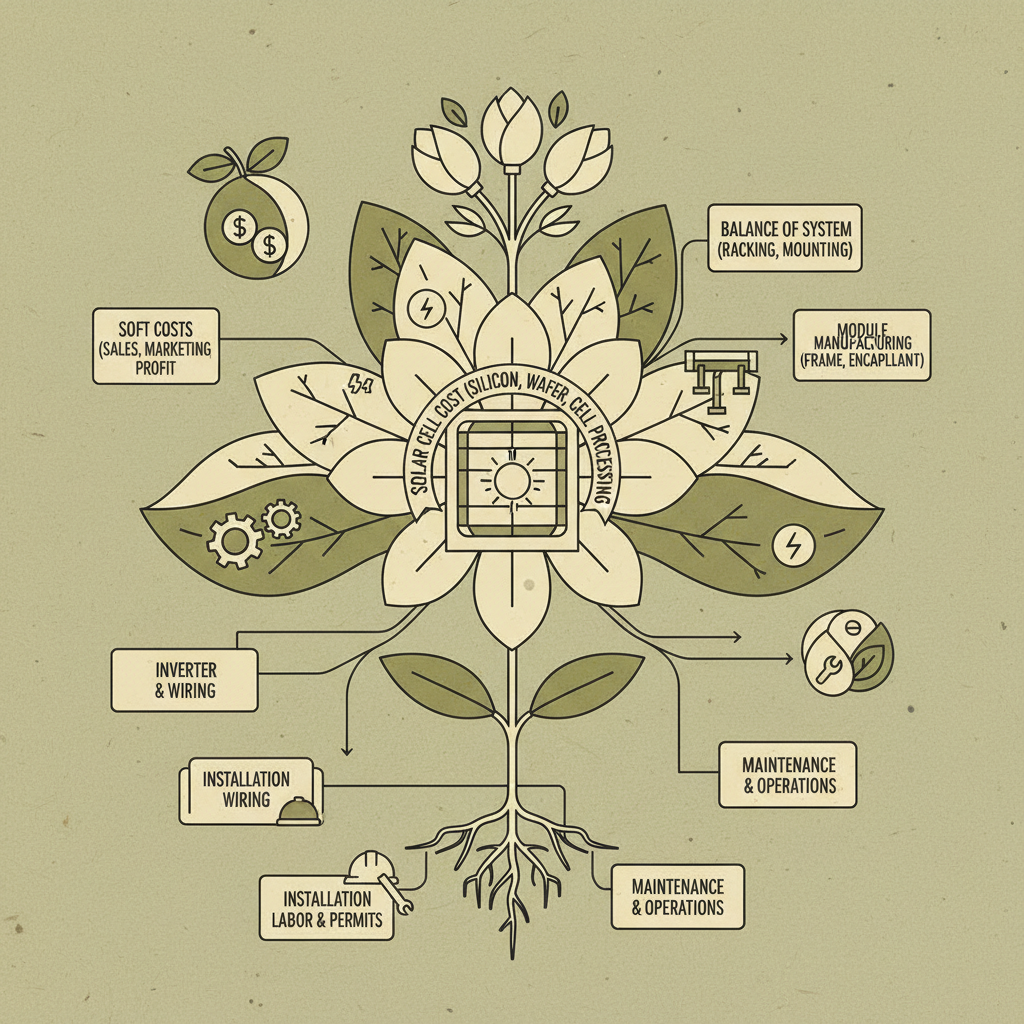
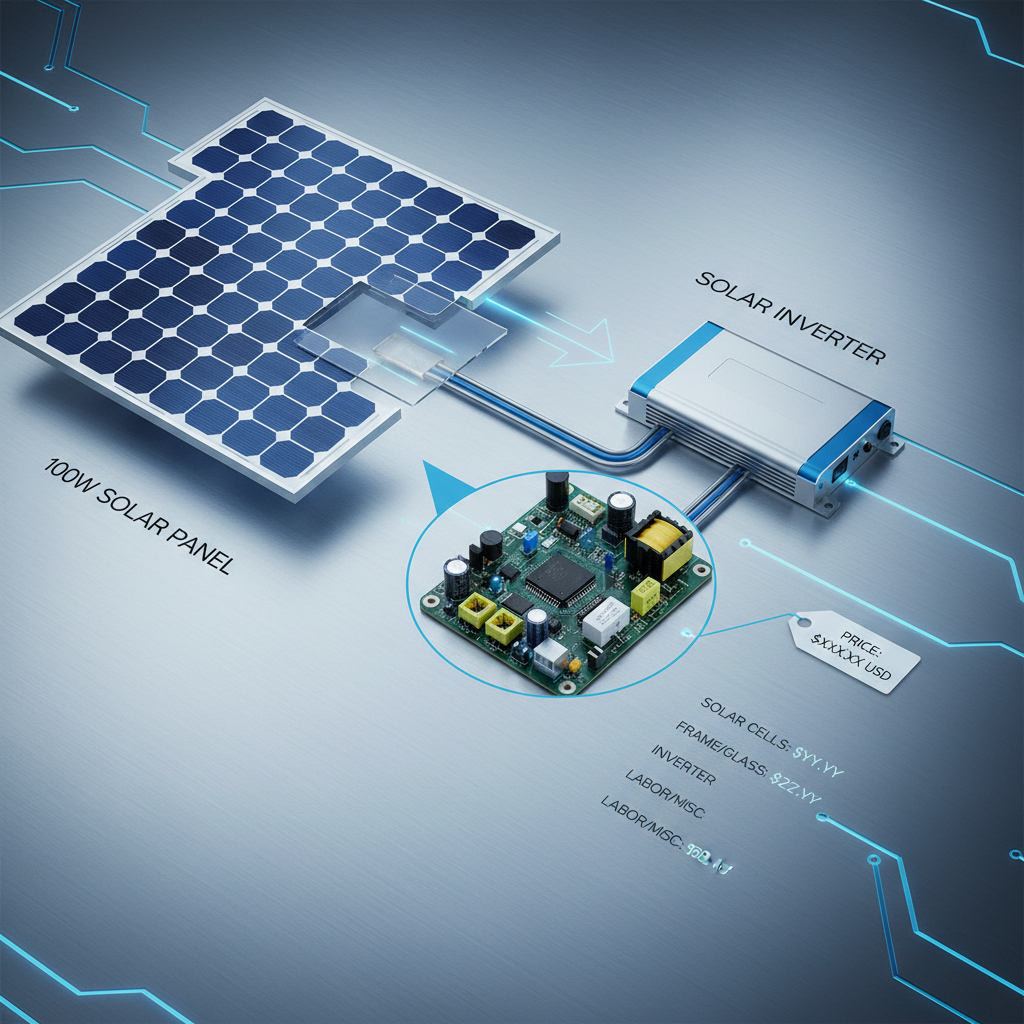
It's not just about the panels themselves anymore. It's the inverters, the racking systems, the permitting… the whole ecosystem. Everything has to work together seamlessly, and if one piece fails, the whole thing can fall apart.
The Current Landscape of solar panel cost
To be honest, the price of silicon is a huge driver right now. Have you noticed how much it fluctuates? One month it’s down, the next it’s spiking… it’s a nightmare for quoting jobs. And it’s not just silicon, it’s the aluminum for the frames, the glass for the encapsulation, even the packaging materials. Everything’s going up.
But it's not just material costs driving the solar panel cost. Manufacturing capacity, particularly in China, is a big factor. They’ve been expanding like crazy, which puts downward pressure on prices. But then you’ve got tariffs and trade wars thrown into the mix… it's a complex web, really.
Design Pitfalls and Common Mistakes
Strangely enough, one thing I keep encountering is people trying to over-engineer the mounting systems. They want something super-robust, super-adjustable… and end up spending a fortune on materials and labor. Sometimes, simple is better. You just need something that’ll hold the panel securely for 25 years, and doesn't require a PhD to install.
Another big one? Ignoring shading. People get so focused on maximizing panel coverage that they forget about trees, buildings, even chimneys. A little bit of shade can significantly reduce the output of the entire string. And then there’s the whole issue of micro-inverters versus string inverters. That debate could go on forever.
And don't even get me started on conduit runs. I encountered this at a factory in Ningbo last time, where they were running conduit through the rafters without proper support... disaster waiting to happen.
Core Materials and On-Site Handling
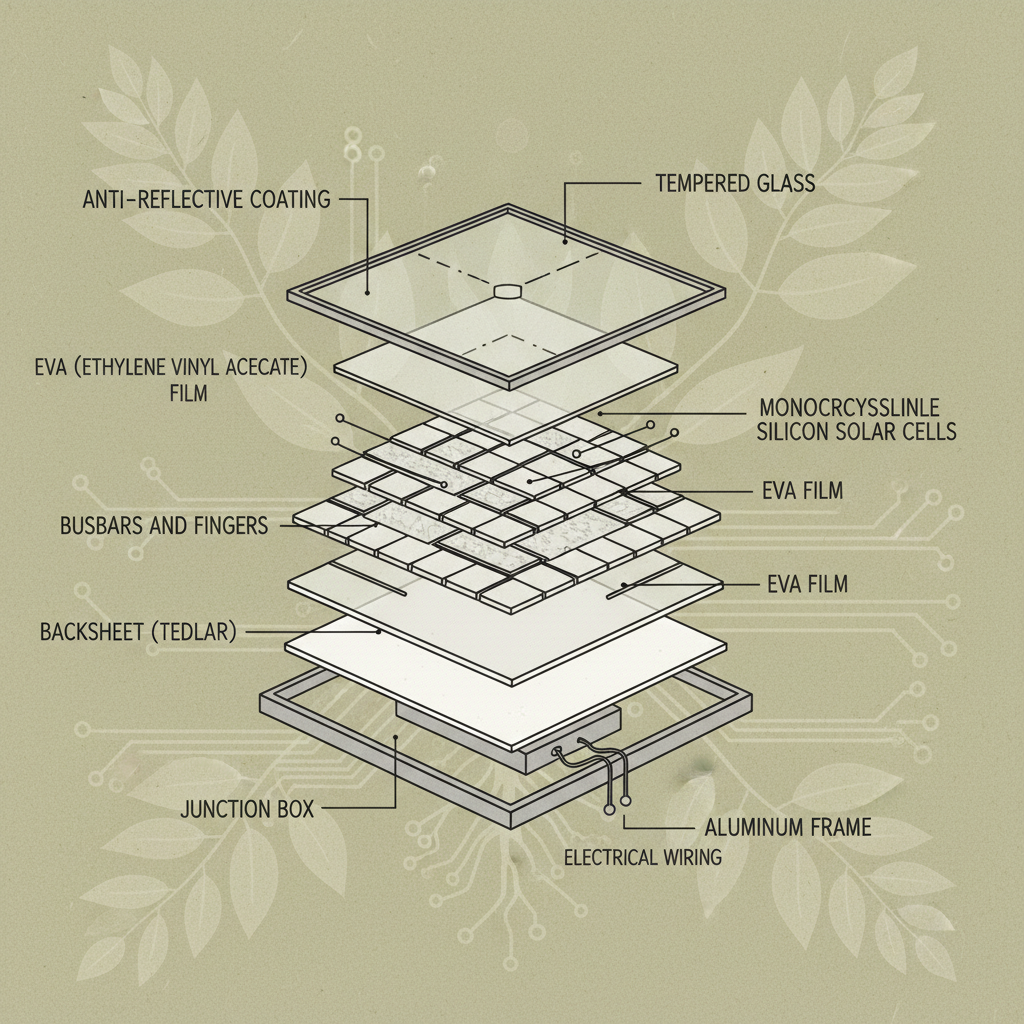
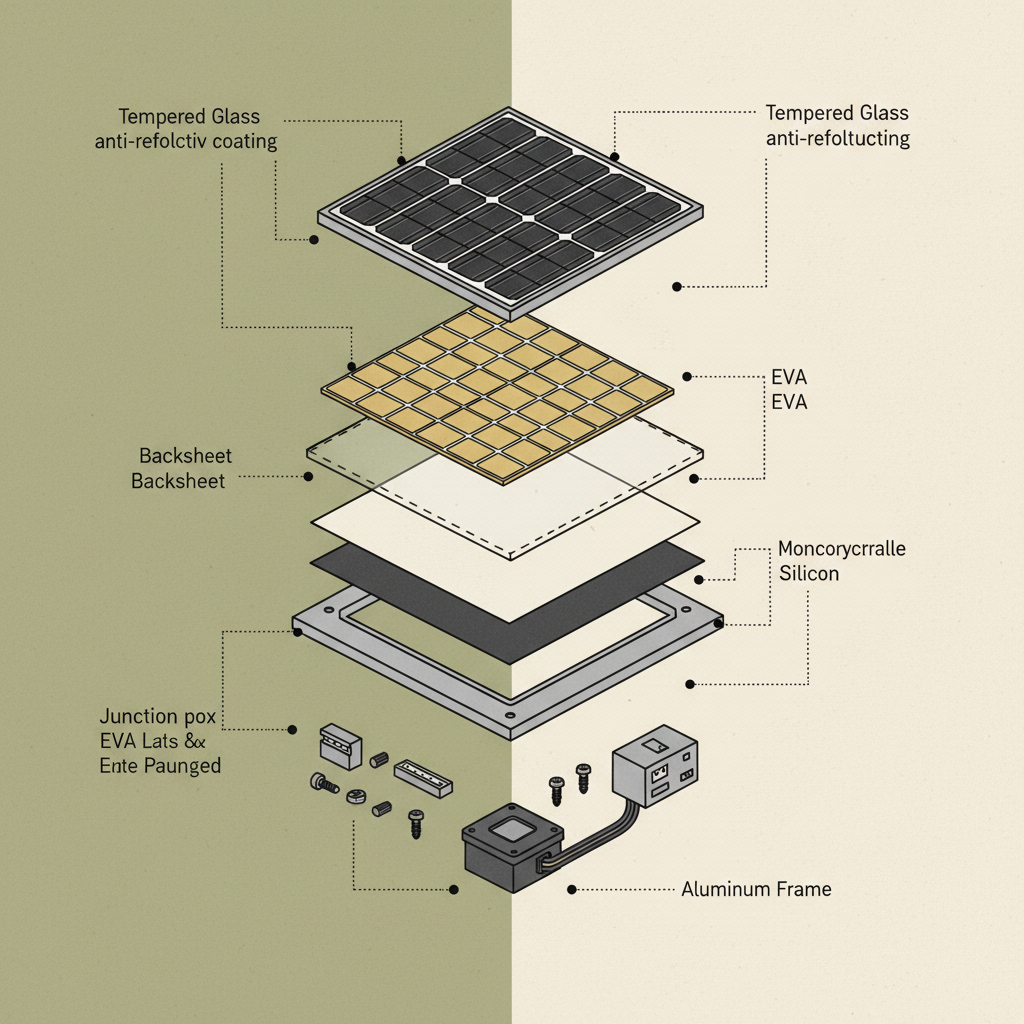
The glass is… well, it’s glass. But it’s special glass. It's gotta be super-clear, super-durable, and able to withstand hail and extreme temperatures. Feels kinda cold and smooth when you handle it. The EVA encapsulant, that's the sticky stuff that holds everything together. Smells faintly of plastic, and it's a pain to clean off your gloves.
The backsheet, that’s the stuff on the back of the panel. It’s typically made of a polymer, like TPT or TPE. It’s important that it’s UV-resistant and waterproof, otherwise the panel will degrade quickly. And the aluminum frame...that's what you really feel the weight of. It needs to be corrosion-resistant, and strong enough to withstand wind loads. I’ve seen frames bent and warped after just a few years if they weren’t properly anodized.
You’ve got to treat these panels with respect. They're fragile, despite looking tough. Don't drop them, don't scratch them, and definitely don't walk on them. It sounds obvious, but you wouldn’t believe how many people mess it up.
Real-World Testing and Performance
Honestly, lab tests are useful, but they don’t tell the whole story. You need to see how these panels perform in real conditions. I’ve seen panels that ace the lab tests but fail miserably after a year on the roof, due to humidity, salt spray, or just plain old heat.
We do a lot of thermal cycling, exposing the panels to rapid temperature changes to see how they handle the stress. We also do salt mist testing, especially for coastal installations. And, of course, we have to test for hail resistance, using simulated hail impacts. Later... Forget it, I won't mention it, we also test for PID (Potential Induced Degradation), which is a sneaky problem that can reduce the panel's output over time.
Solar Panel Performance Metrics
How Users Actually Utilize Solar Panels
You know, it’s funny. A lot of people think solar panels are just about saving money on their electricity bill. And that's true, of course. But I've also seen people use them to power off-grid cabins, to charge electric vehicles, even to run entire farms. It's about energy independence, too, and a desire to do something good for the planet.
There's a growing trend towards using solar panels for emergency backup power. Folks are adding battery storage systems to their homes, so they can keep the lights on during power outages. That’s becoming increasingly important with all the extreme weather events we’re seeing.
Advantages, Disadvantages, and Customization
The advantages are pretty clear: clean energy, reduced electricity bills, increased property value. But there are drawbacks, too. The initial cost can be high, they require maintenance, and they’re dependent on sunlight. And let’s not forget about the aesthetics. Some people just don’t like the look of solar panels on their roofs. Anyway, I think the biggest downside is the reliance on government incentives. When those go away, it can really impact demand.
Customization? Absolutely. We've done everything from designing panels with different colors to integrating them into building materials. Last year, we had a client who wanted panels shaped like leaves for their eco-resort. It was a pain to manufacture, but it looked fantastic. We can even customize the power output and voltage to meet specific needs. But it always adds to the solar panel cost, naturally.
And don't even try to negotiate on the warranty. Those manufacturers will push back hard. It’s a sticking point, every time.
A Customer Case Study: Shenzhen Smart Home
Last month, that small boss in Shenzhen who makes smart home devices insisted on changing the interface to . He was convinced it would make his product “more modern.” We told him it would increase the solar panel cost and complicate the manufacturing process, but he wouldn’t listen. Ended up adding $5 per unit to the price, and delayed the launch by two weeks while we sourced new connectors. He learned a lesson, eventually.
Another time, we had a client who wanted to use a specific brand of micro-inverters because he’d had good experiences with them in the past. The problem was, those inverters weren’t compatible with our panels. We spent weeks trying to find a workaround, but ultimately, we had to convince him to switch to a different inverter brand.
These things happen all the time. People have their preferences, their biases, their stubborn beliefs. It’s our job to manage those expectations and find solutions that work. It’s not always easy, but it’s always interesting.
Key Factors Influencing Solar Panel System Performance
| Component |
Impact on System Cost |
Lifespan Expectancy (Years) |
Maintenance Requirements |
| Solar Panels |
40-60% of Total System Cost |
25-30 |
Occasional Cleaning, Monitoring |
| Inverter |
10-20% of Total System Cost |
10-15 |
Annual Inspection, Potential Replacement |
| Racking System |
5-10% of Total System Cost |
20+ |
Periodic Bolt Tightening |
| Wiring & Conduit |
2-5% of Total System Cost |
25+ |
Visual Inspection for Damage |
| Monitoring System |
1-3% of Total System Cost |
5-10 |
Software Updates, Hardware Replacement |
| Permitting & Labor |
10-20% of Total System Cost |
N/A |
N/A |
FAQS
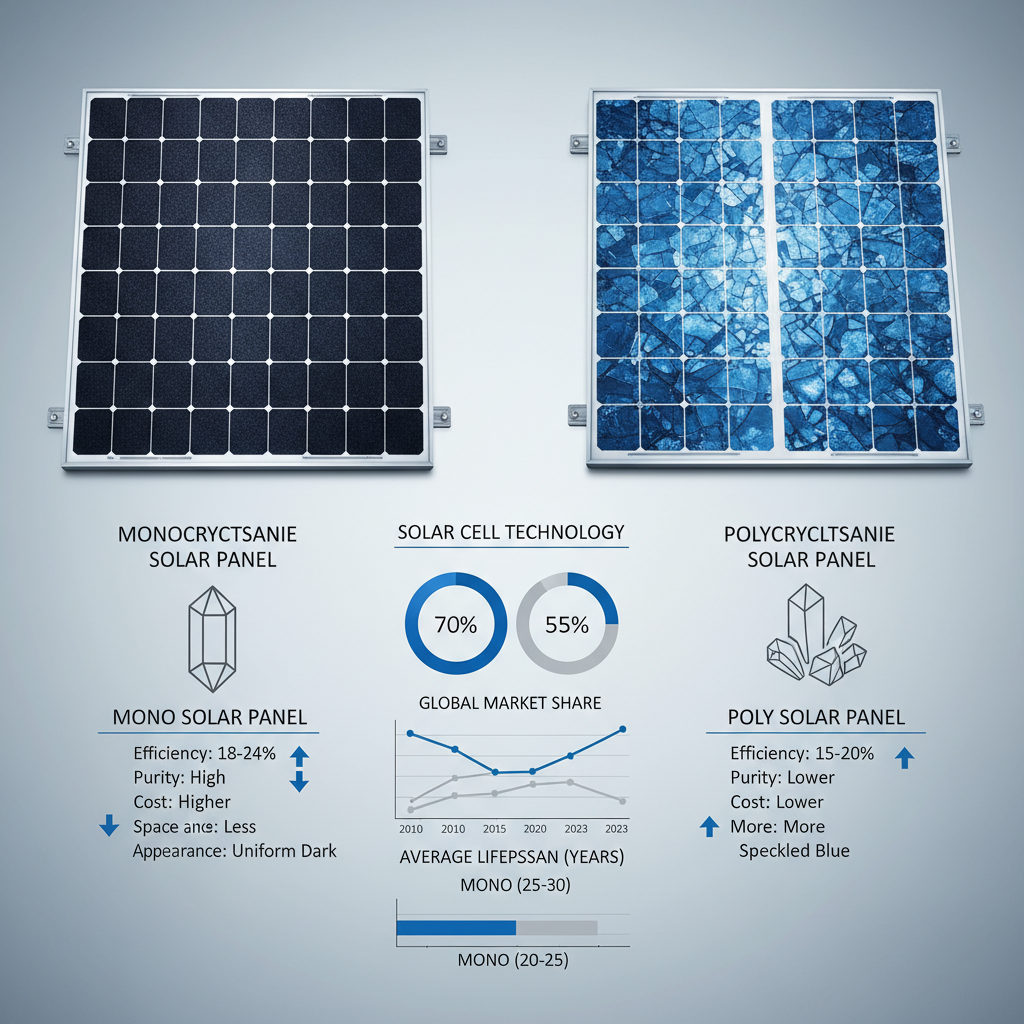
Several elements contribute to the solar panel cost, including panel type (monocrystalline, polycrystalline, thin-film), system size, installation complexity, inverter choice, and local labor rates. Government incentives and financing options also play a role. Panel efficiency impacts the total number of panels needed, directly affecting the cost, as does the quality of materials and the warranty offered. Remember, cheaper isn't always better; look for a balance of price and performance.
Generally, higher efficiency panels come with a higher price tag. This is because they utilize more advanced technology and materials. However, investing in higher efficiency panels can reduce the overall system size required to meet your energy needs, potentially lowering installation costs and maximizing space utilization. Think of it like this: you pay more upfront, but you might need fewer panels and less roof space in the long run. It’s a trade-off.
Most solar panels come with a 25-30 year performance warranty, guaranteeing at least 80% of their initial output after that period. While they don’t suddenly stop working after 25 years, their efficiency gradually decreases. Accounting for this degradation over the lifespan is crucial when calculating the long-term solar panel cost, as it affects the overall energy yield and return on investment. Maintenance also plays a role – keeping them clean maximizes output.
Absolutely. Beyond the panels and installation, consider costs for permitting, inspection, electrical upgrades (like a new breaker panel), roof repairs (if needed), and potentially battery storage. Net metering policies can also impact your savings, and financing costs (if applicable) should be factored in. It's wise to get multiple quotes and thoroughly understand what each one includes before making a decision. Don’t be afraid to ask questions about every line item!
Government incentives, such as the federal tax credit (currently 30% in the US), can significantly reduce the upfront solar panel cost. State and local incentives, like rebates and property tax exemptions, can further lower the investment. These incentives change frequently, so it’s important to research current offerings in your area. They’re often the difference between a project being financially viable or not.
Regular maintenance, primarily cleaning, is relatively low-cost but important for maximizing energy production. More significant maintenance, such as inverter repairs or panel replacements, can occur, but is less common. Factor in the potential for these expenses when considering the long-term total cost of ownership. A good warranty and proactive monitoring can help minimize unexpected costs.
Conclusion
Ultimately, understanding the factors that influence solar panel cost – from materials and manufacturing to installation and maintenance – is crucial for making informed decisions. The technology is constantly evolving, and prices are becoming more competitive, but it’s not a one-size-fits-all solution. It's about finding the right balance of cost, performance, and reliability for your specific needs.
And let's be real, whether this thing works or not, the worker will know the moment he tightens the screw. You can run all the simulations you want, but at the end of the day, it comes down to practical experience and a bit of good old-fashioned craftsmanship. Don’t underestimate that.