Egypt Sustainable Power: Advanced off grid solar system Solutions

Empowering Egyptian households and businesses with high-efficiency energy independence tailored for the Sahara's intense solar irradiance.

Egypt Sustainable Power: Advanced off grid solar system Solutions

Integrating cutting-edge photovoltaic technology to overcome power instability and maximize the abundant sunshine of the Nile Valley and beyond.

Current State of Solar Energy in Egypt

Analyzing the intersection of climatic abundance and infrastructure challenges in North Africa.

Egypt possesses one of the world's highest solar radiation levels, making solar energy a strategic necessity rather than a luxury. In rural areas and new urban developments, the reliance on traditional grids is often hampered by transmission losses and stability issues, driving a surge in demand for localized power generation.

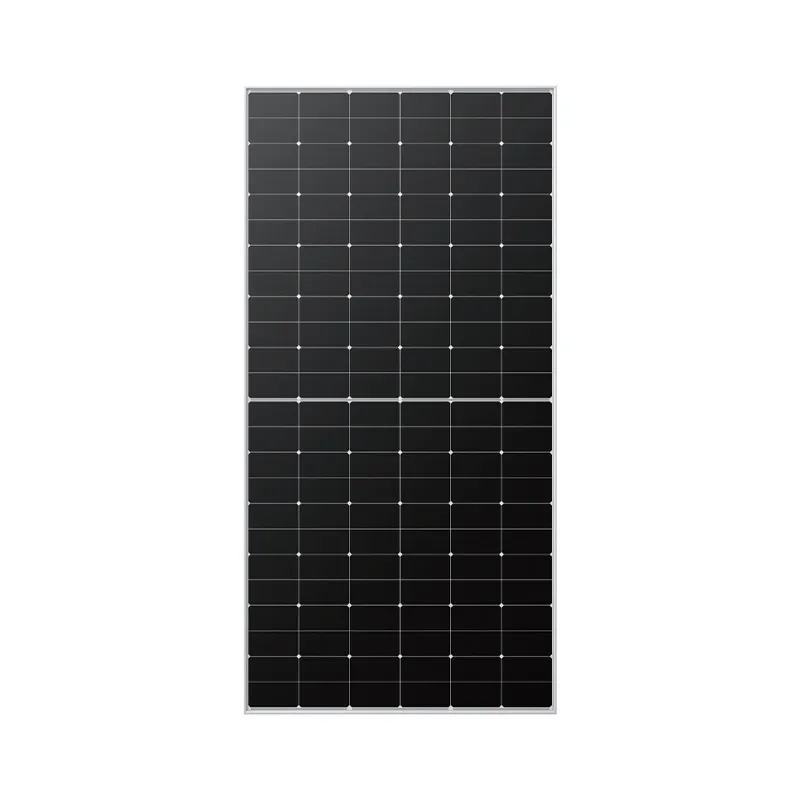
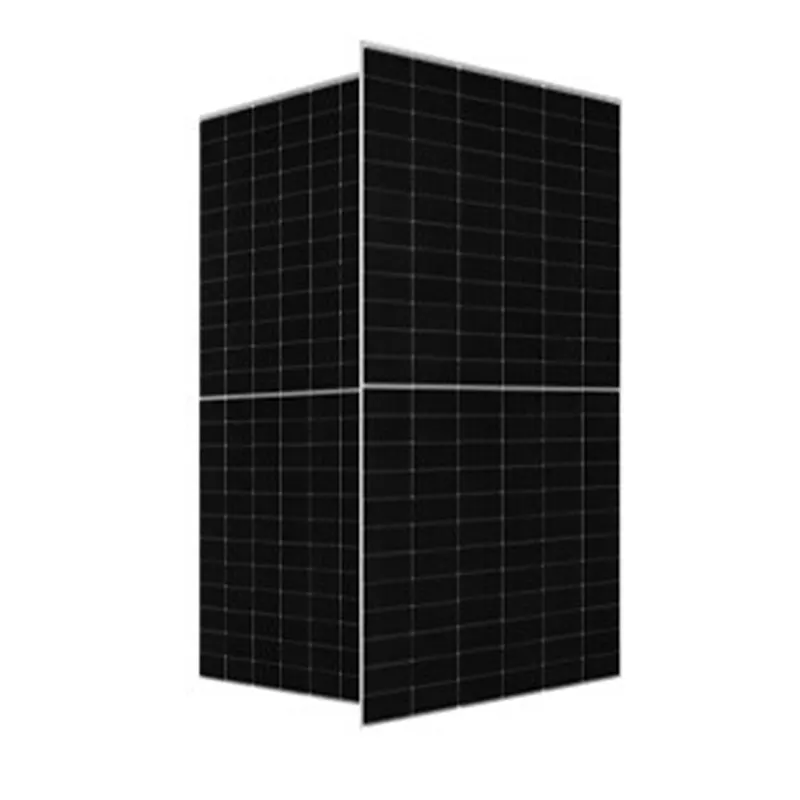
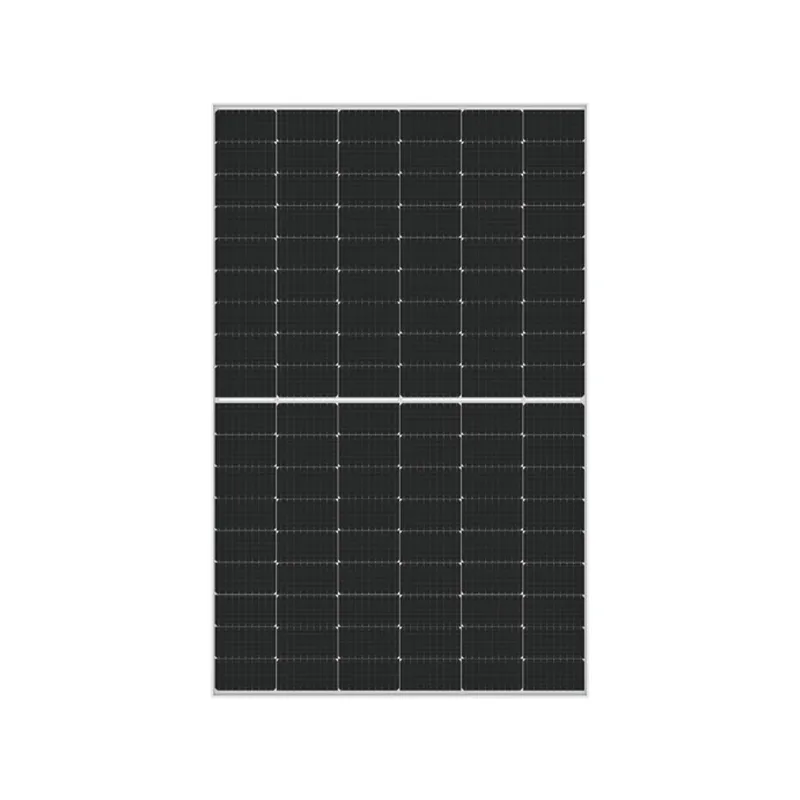
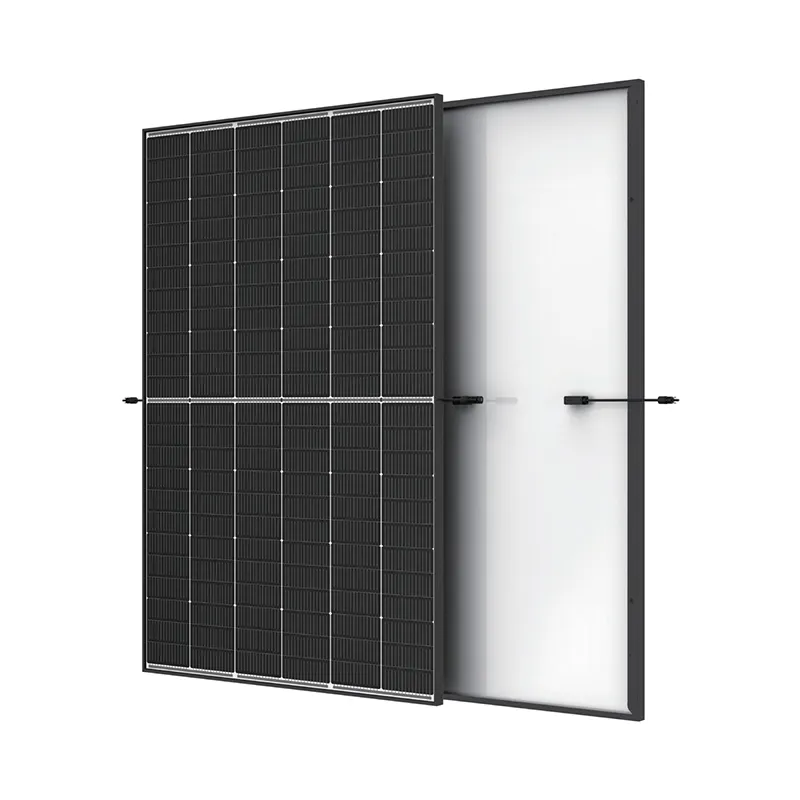
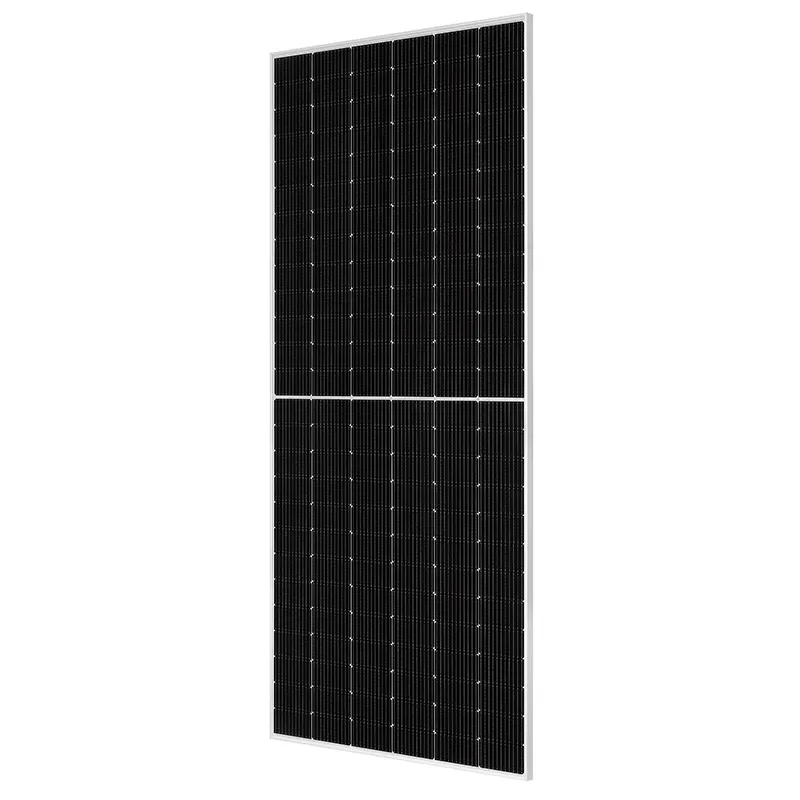
The adoption of solar panels for home has transitioned from experimental installations to mainstream investments. Homeowners are increasingly seeking systems that can withstand high ambient temperatures and dust accumulation, which are characteristic of the Egyptian climate.

Economically, the shift is fueled by rising electricity tariffs and a national vision to diversify the energy mix. This has created a robust market for integrated solutions that combine generation, storage, and smart management to ensure 24/7 reliability.
Evolution and Trajectory of Photovoltaic Technology

From basic lighting kits to intelligent, integrated energy ecosystems.

Market Development History

Between 2010 and 2015, the Egyptian market was dominated by small-scale, low-efficiency polycrystalline panels primarily used for basic lighting in remote desert regions.

From 2016 to 2020, the introduction of Monocrystalline PERC technology revolutionized efficiency. This era saw the rise of the home solar system as a viable alternative to diesel generators for residential villas.

Since 2021, the focus has shifted toward "Smart Integration," where AI-driven inverters and Lithium-ion (LiFePO4) storage have replaced lead-acid batteries, significantly extending system lifespans in Egypt's heat.

Future Development Trends

N-Type TOPCon Dominance

Transitioning toward N-type cells to reduce light-induced degradation (LID), ensuring higher yields during the peak Egyptian summer.

Integrated BIPV Solutions

The evolution of the solar roof where panels are integrated into the building material itself, reducing installation costs and improving aesthetics.

V2H (Vehicle-to-Home) Integration

Utilizing electric vehicle batteries as secondary storage for home systems, creating a bidirectional energy flow ecosystem.

Industry Trends and Future Outlook

Predicting the next 3-5 years of energy transition in the MENA region.

High-Temperature Resilience
Development of panels with ultra-low temperature coefficients to maintain efficiency at 45°C+ ambient temperatures.
Energy Storage Scaling
Widespread shift to solid-state batteries for safer, denser energy storage in residential off-grid setups.
AI-Driven Optimization
Smart algorithms that predict weather patterns in Egypt to optimize battery discharge cycles.
Decentralized Micro-Grids
Community-level sharing of excess solar power in new Egyptian administrative cities.

Industry Outlook

Google search trends for "energy independence" and "cost of solar" in Egypt indicate a strong consumer shift toward long-term CAPEX investments over monthly OPEX utility bills. The market is moving toward total system autonomy.

We expect the Egyptian government's "Integrated Sustainable Energy Strategy" to further incentivize residential solar adoption, making the transition to renewable energy a standard for all new building permits by 2027.

Localized Solar Applications in Egypt

Practical deployments across diverse Egyptian terrains and socioeconomic sectors.

01. Cairo Urban Residential Rooftops

Implementing space-efficient solar roof systems in densely populated areas to reduce air conditioning costs during scorching summers.

02. New Administrative Capital Smart Homes

Deployment of fully automated home solar system units integrated with IoT for real-time energy monitoring and grid-tie management.

03. Red Sea Coastal Resorts

Hybrid solar-storage setups that power luxury amenities while resisting the corrosive effects of salt-mist environments.

04. Upper Egypt Agricultural Pumps

Solar-powered irrigation systems replacing diesel pumps for date palm and wheat farmers, ensuring consistent water supply without fuel costs.

05. Remote Sinai Desert Outposts

High-capacity off grid solar system installations providing critical power for communication and security in areas without grid access.

Brand Story

Global Development History of Hebei Benjiu New Energy Technology Co., Ltd.

Founding Vision

Established with a mission to democratize clean energy, we focused on solving the stability gap in renewable power electronics.

Technical Breakthroughs

Pioneered heat-resistant module designs specifically for high-irradiance regions, ensuring durability in desert climates.

Global Expansion

Expanded operations into the MENA region, adapting our product line to meet Egypt's specific regulatory and environmental standards.

Sustainability Commitment

Implemented a closed-loop recycling program for solar components to minimize the environmental footprint of renewable energy.

Future Leadership

Aiming to become the primary energy infrastructure partner for off-grid development across Africa.

Common Solar Energy Questions in Egypt

Expert answers to the most frequent concerns regarding residential solar adoption.

How do I choose the right solar panels for home in Egypt's sandy environment?

We recommend Monocrystalline PERC or TOPCon panels with a high-transmittance, anti-soiling glass coating to minimize efficiency loss from dust and sand accumulation common in Egyptian cities.

Is an off grid solar system reliable during the winter months in Egypt?

Yes, provided the system is sized correctly. By calculating the lowest average sunlight hours in December and pairing panels with LiFePO4 batteries, you can ensure uninterrupted power year-round.

What is the average lifespan of a home solar system installed in Cairo?

Typical high-quality panels last 25+ years. However, in Egypt, the inverter and batteries are the critical points; using industrial-grade components ensures a 10-15 year lifespan for power electronics.

Can a solar roof handle the extreme heat of Upper Egypt?

Absolutely. Our systems are designed with optimized ventilation gaps between the roof and the panels to allow airflow, which prevents overheating and maintains voltage stability.

What maintenance is required for solar energy systems in Egypt?

The primary requirement is regular cleaning. Due to high dust levels, we recommend a bi-weekly dry-brushing or low-pressure water rinse to maintain peak energy absorption.

How long is the ROI for residential solar panels in Egypt?

Depending on electricity consumption and government subsidies, most Egyptian homeowners achieve a full return on investment within 4 to 7 years through reduced utility bills.

Request Your Custom Solar Design

Our engineers are ready to optimize your energy transition across Egypt. Get a professional technical consultation today.

Contact Us Now

If you are interested in our products, you can choose to leave your information here, and we will be in touch with you shortly.