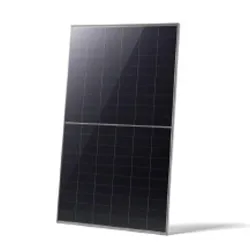
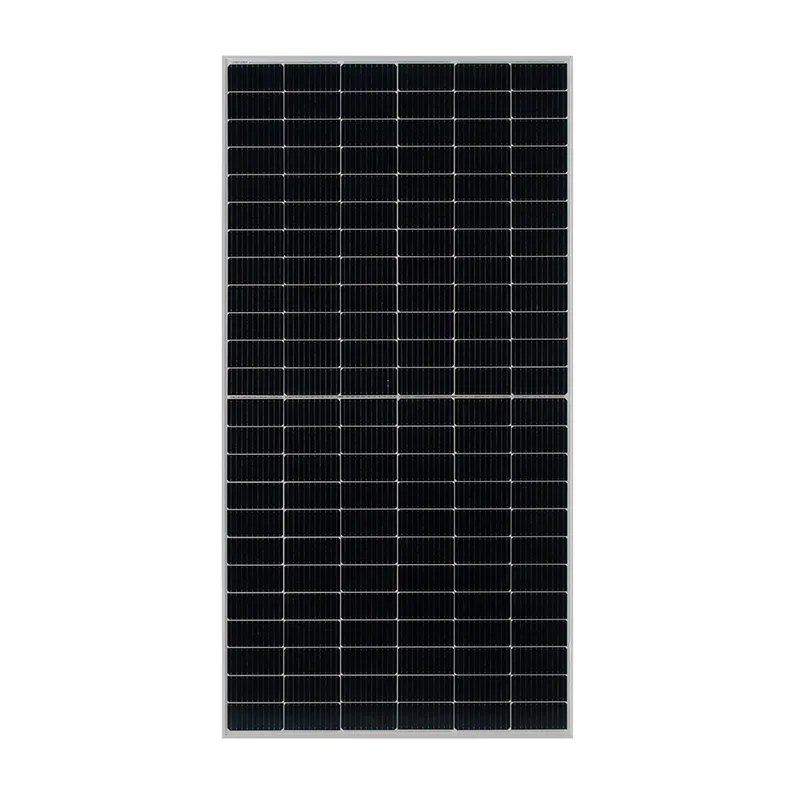
High Efficiency Solar Panel Production and Photovoltaic Hardware
Selecting the right photovoltaic hardware is no longer just about the lowest cost per watt, but about maximizing the long-term energy yield and stability of the installation. High-efficiency solar modules now integrate intelligent monitoring and independent component power generation, allowing commercial and residential systems to maintain peak performance even under suboptimal lighting conditions. By focusing on linear power output and rigorous material certification, operators can significantly reduce the levelized cost of energy (LCOE) over a 25-year lifespan.
For procurement managers and engineers, the transition toward high-stability energy solutions requires a balance between cutting-edge efficiency and proven durability. Whether deploying for industrial rooftops or remote agricultural irrigation, the underlying technology must support fast shutdown capabilities and real-time optimization. Understanding these technical nuances ensures that the investment in solar panel production translates into reliable, green energy for decades.

Engineering the Next Generation of High-Efficiency Photovoltaic Modules
Modern photovoltaic technology has shifted toward maximizing the energy generation performance through refined cell architecture. The current industry standard emphasizes the ability of components to generate power independently, which minimizes the impact of partial shading—a common failure point in traditional string systems. By implementing real-time optimization, these modules ensure that the output power remains stable regardless of environmental fluctuations.
Beyond raw efficiency, the structural integrity of the module is paramount. The adoption of high-grade materials ensures that the linear power output remains consistent over a 25-year horizon. This longevity is supported by strict adherence to international safety and quality standards, including ISO 9001 and IEC 61215, which verify the module's resilience against mechanical stress and climatic degradation.
- Independent Power Generation: Maximizes total station capacity by reducing inter-cell dependency.
- Intelligent Monitoring: Integrated fast-shutdown and real-time tracking for enhanced safety.
- Linear Performance: Guaranteed extra linear power output to ensure long-term ROI.

Versatile Application Scenarios from Residential Roofs to Marine Aviation
The utility of advanced photovoltaic systems extends far beyond simple residential installations. In commercial sectors, large rooftop areas are being transformed into decentralized power plants, drastically reducing operational energy expenses and carbon footprints. The versatility of these modules allows them to be integrated into diverse environments, from idle land photovoltaic stations to specialized small-scale solar objects.
In remote or challenging environments, solar energy provides a critical lifeline. Agricultural irrigation systems in isolated regions now rely on solar power to solve water supply challenges without the need for expensive grid extensions. Furthermore, the integration of solar technology into transportation—including electric buses and specialized marine and aviation vessels—extends operational range and reduces reliance on fossil fuels.
Key application areas include:
- Industrial & Commercial: Large-scale rooftop deployment for corporate energy independence.
- Agriculture: Powering remote irrigation and livestock monitoring systems.
- Transportation: Integration into EVs, electric bicycles, and marine propulsion.
- Aviation: Providing auxiliary power to extend flight distance and system reliability.
Critical Evaluation Factors for Solar Hardware Procurement
When evaluating suppliers, procurement professionals must look beyond the datasheet. A critical factor is the warranty structure; a distinction between material processing warranties (typically 5 years) and linear power output warranties (up to 25 years) is essential for risk management. This ensures that the hardware is protected against both manufacturing defects and gradual degradation.
Certifications act as the primary proxy for trust and quality. Systems holding TUV SUD, UL, CE, and MCS marks demonstrate compliance with the most stringent global safety and performance requirements. For those exporting to Europe or North America, UKCA and UL certifications are non-negotiable for grid connection and insurance purposes.
Buyers should specifically inquire about the "Fast Shutdown" capability, which is becoming a mandatory safety requirement in many jurisdictions to protect first responders during emergencies. Combining this with intelligent monitoring allows for predictive maintenance, reducing the cost of onsite troubleshooting.
Technical Performance and Application Suitability Matrix
| Application Sector | Primary Requirement | Recommended Feature | Performance Priority |
|---|---|---|---|
| Residential Roof | Space Efficiency | Highest Efficiency Cells | Max Power per m² |
| Commercial Building | Operational Stability | Intelligent Monitoring | Linear Power Output |
| Agri-Irrigation | Durability/Remote Access | Robust Weatherproofing | Low Maintenance |
| Transportation/EV | Weight & Integration | Customized Energy Solutions | Fast Charging/Discharge |
| Marine & Aviation | Extreme Environment Resistance | Specialized Material Coating | Corrosion Resistance |
Quality Assurance and Global Compliance Standards
Maintaining high stability in energy generation requires a rigorous quality control framework. The integration of ISO 14001 and ISO 45001 ensures that the manufacturing process is not only efficient but environmentally sustainable and safe. These operational standards complement the product-specific IEC 61730 and IEC 62941 certifications, which guarantee the electrical safety and reliability of the modules under extreme stress.
For global distributors, the ability to provide products that meet multiple regional standards (such as CE for Europe and UL for North America) simplifies the supply chain. By maintaining a comprehensive certification portfolio, manufacturers can ensure seamless market entry and reduce the regulatory burden on the end-user.
Consistency in production is achieved through strict testing protocols. Every batch undergoes rigorous verification to ensure that the energy generation performance matches the laboratory specifications, preventing "power mismatch" issues that can degrade the performance of an entire solar array.
Future Trends in Sustainable Energy Infrastructure
The trajectory of the clean energy industry is moving toward fully integrated energy ecosystems. We are seeing a shift from standalone solar panels to comprehensive solutions that combine photovoltaic generation, energy storage batteries, and intelligent inverters. This synergy allows for better energy management and removes the intermittency challenges associated with solar power.
As national policies continue to support the green transition, we expect to see deeper penetration of solar technology into "small objects" and everyday infrastructure. The focus will move toward "invisible" integration—where solar cells are embedded into building materials (BIPV) without sacrificing architectural aesthetics.
For the strategic buyer, the focus should now be on scalability. Investing in systems that are compatible with future energy storage upgrades and smart grid technologies will protect the asset's value as the global energy landscape evolves toward a more sustainable and decentralized future.
Technical Insights and Procurement FAQ
What is the difference between the material warranty and the linear power warranty?
The material and processing warranty (e.g., 5 years) covers defects in the physical construction and assembly of the panel. The linear power output warranty (e.g., 25 years) guarantees that the panel will still produce a specific percentage of its original rated power after a certain number of years, protecting against excessive cell degradation.
Why is independent component power generation important for solar arrays?
In traditional panels, if one cell is shaded, it can act as a bottleneck for the entire string. Independent generation allows other components to continue producing power at maximum capacity, significantly increasing the total energy yield in environments with intermittent shading.
Which certifications should I prioritize for North American and European markets?
For North America, UL certification is critical for safety and insurance. For Europe, CE and MCS are essential. Additionally, IEC 61215 and 61730 are globally recognized standards for design qualification and safety that should be present regardless of the region.
Can solar panels be used for marine and aviation applications?
Yes, specialized modules can be integrated into ships and aircraft to provide auxiliary power, extend sailing or flight times, and reduce fuel consumption. These typically require higher corrosion resistance and specialized mounting to handle vibrations and salt spray.
How does intelligent monitoring improve the ROI of a solar installation?
Intelligent monitoring allows for real-time optimization and fast detection of faults. By identifying underperforming modules or system errors immediately, operators can perform targeted maintenance, reducing downtime and ensuring the system operates at its highest possible efficiency.
What is the role of "Fast Shutdown" technology in modern solar systems?
Fast shutdown is a safety feature that rapidly reduces the voltage of the DC strings to a safe level. This is crucial for the safety of firefighters and maintenance crews, preventing electrical shocks during emergency interventions on rooftops.
Technical References and Industry Standards
- International Energy Agency (IEA) - Solar PV Reports
- International Electrotechnical Commission (IEC) Standards
- National Renewable Energy Laboratory (NREL) PV Research
- ISO Quality and Environmental Management Standards
Choosing a reliable partner for your energy transition ensures that your infrastructure is safe, efficient, and sustainable. Whether you are scaling a commercial project or seeking specialized energy solutions, prioritizing certified quality and long-term performance is the key to success.
Industry Knowledge and Product Updates