Guide to 500w solar panel price and High Efficiency Modules
Securing a reliable energy source for residential or commercial projects often begins with evaluating the balance between wattage and cost-efficiency. For many system designers, the 500W capacity represents a "sweet spot" in modern photovoltaic technology, offering a compact footprint while delivering substantial energy yields. However, determining the actual 500w solar panel price requires looking beyond the initial sticker cost to consider long-term degradation rates, warranty terms, and the total cost of ownership.
High-efficiency modules now incorporate intelligent monitoring and fast shutdown capabilities, transforming simple panels into sophisticated energy assets. Whether you are integrating these into a home rooftop array or a remote agricultural irrigation system, the goal is to maximize the power station capacity through independent component generation. By understanding the technical drivers behind the pricing—such as cell efficiency and linear power output guarantees—buyers can ensure they are investing in hardware that maintains peak performance over a 25-year lifespan.

Evaluating the Technical Foundations of High-Efficiency Photovoltaic Modules
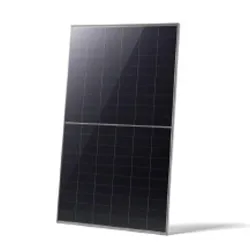
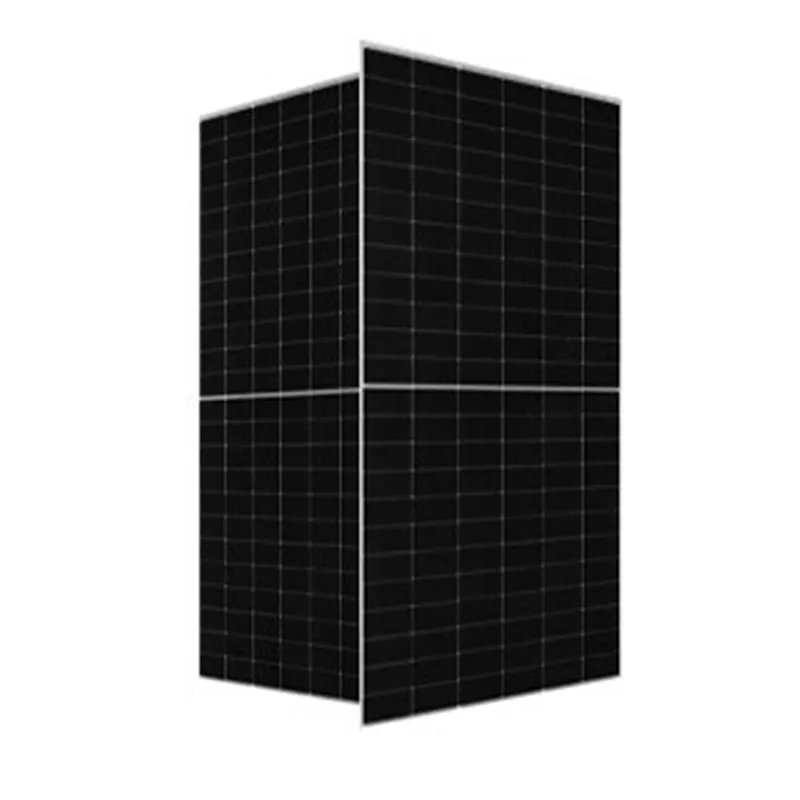
Modern solar modules have evolved from simple silicon wafers into complex engineering systems designed for maximum energy capture. The current generation of 500W panels focuses on a simple design that embodies a modern style while pushing the boundaries of energy generation performance. This is achieved through optimized cell layouts and advanced materials that reduce resistive losses, ensuring that a higher percentage of captured sunlight is converted into usable electricity.
One of the critical advancements in these systems is the move toward independent power generation within components. By allowing components to generate power independently, the overall power station capacity is maximized, reducing the impact of partial shading—a common issue in urban rooftop installations. This architectural shift means that a single obstructed cell no longer disables an entire string of panels, thereby stabilizing the output power throughout the day.
Furthermore, the integration of intelligent monitoring systems allows operators to track real-time optimization. This technical layer ensures that the output power is consistently tuned to the environmental conditions, providing a seamless transition from peak midday sun to the lower light levels of early morning or late afternoon, which significantly improves the overall ROI of the installation.

Versatile Application Scenarios for Distributed Energy Systems
The versatility of 500W modules makes them suitable for a wide range of distribution markets. In residential settings, home roof installations allow users to drastically reduce their dependence on traditional grids, providing a sustainable way to power essential household appliances. The balance of size and power makes these panels easy to integrate into existing architectural designs without compromising structural integrity.
Beyond the home, commercial buildings benefit from the large available roof areas. By installing high-capacity arrays, businesses can power their own operations and lower operational overhead. The ability to scale these systems makes them ideal for industrial parks where energy consumption is high and consistent. In the agricultural sector, solar energy provides a critical lifeline for irrigation systems in remote areas, solving water supply challenges where grid extension is economically unfeasible.
Innovation also extends to the mobility and marine sectors. Solar integration in electric vehicles, buses, and bicycles reduces pollution and extends operational range. Similarly, in marine and aviation applications, these panels provide auxiliary power that extends sailing times and flight distances, proving that photovoltaic technology is no longer restricted to stationary rooftops but is a dynamic tool for global transportation.
Quality Assurance and Long-Term Performance Guarantees
When procuring solar hardware, the warranty structure is as important as the technical specifications. A professional energy solution should offer a dual-layer guarantee: a robust warranty for materials and processing, and a long-term warranty for linear power output. Specifically, a 5-year warranty on materials ensures that the physical construction can withstand environmental stressors, while a 25-year warranty on extra linear power output guarantees that the energy yield will not drop precipitously over time.
To maintain these standards, rigorous testing and certification are mandatory. High-quality products must adhere to international safety and performance standards, including ISO 9001 for quality management, ISO 14001 for environmental impact, and ISO 45001 for occupational health. Technical certifications such as IEC 61215 and IEC 61730 are the industry benchmarks for ensuring that modules can endure mechanical loads and electrical stress without failure.
Global market acceptance is further validated through certifications like CE, MCS, UKCA, UL, and the TUV SUD Mark. These credentials indicate that the products have been vetted for use in diverse climates, from the humid regions of Southeast Asia to the rigorous environments of North America and Europe, ensuring stability and high efficiency regardless of the geographic deployment.
Solar Application and Requirement Matrix
| Application Scenario | Primary Requirement | Recommended Feature | Expected Benefit |
|---|---|---|---|
| Residential Roof | Space Efficiency | High Wattage Density | Lower Grid Dependence |
| Commercial Building | Scalability | Intelligent Monitoring | Reduced Energy Costs |
| Agricultural Irrigation | Reliability | Weather-Resistant Frame | Remote Water Supply |
| Marine/Aviation | Weight/Durability | Compact Design | Extended Range |
| Industrial Distribution | Maximum Yield | Linear Power Warranty | High Operational ROI |
Strategic Procurement Considerations for Energy Buyers
Selecting a supplier for photovoltaic products involves more than comparing unit prices. Buyers must evaluate the comprehensive energy solution offered. A specialized enterprise should not only provide the hardware but also the systemic expertise to integrate solar panels with inverters and energy storage batteries. This holistic approach ensures that the energy generated is efficiently stored and utilized, preventing waste during peak production hours.
Procurement managers should prioritize suppliers who emphasize strict control and testing protocols. The ability to provide customized energy solutions is a significant advantage, as every site—whether it is a floating solar farm or a mountain-top relay station—has unique environmental constraints. A partner capable of adjusting specifications to meet these needs reduces the risk of premature system failure and optimizes the energy harvest.
Finally, the after-sales service system is the final pillar of a successful procurement strategy. A seamless service experience, encompassing technical support and rapid replacement parts, ensures that the power station remains operational with minimal downtime. When the cost of a power outage exceeds the cost of the hardware, the value of a perfect after-sales system becomes the primary deciding factor in supplier selection.
The Future of Green Energy and Sustainable Infrastructure
The trajectory of the clean energy industry is moving toward deeper integration into every aspect of daily life. National policies and global environmental mandates are accelerating the shift from centralized power plants to distributed generation. This transition is driving the development of "photovoltaic small objects" and integrated building photovoltaics (BIPV), where energy generation is woven into the very fabric of our cities.
As technology progresses, we can expect further improvements in cell efficiency and the adoption of more environmentally friendly manufacturing processes. The goal is to create a circular energy economy where the production, use, and eventual recycling of solar panels have a net-positive impact on the planet. This commitment to a sustainable future is what drives the continuous R&D in high-efficiency modules and energy storage synergy.
For users across the globe, the transition to green energy is no longer just an ethical choice but a financial imperative. By investing in high-stability, certified products today, businesses and homeowners are hedging against the volatility of fossil fuel prices while contributing to a global cause. The synergy between wind, solar, and energy storage will define the next era of global infrastructure, fostering an environmentally conscious future for all.
Expert Insights on Photovoltaic Procurement
What factors most influence the 500w solar panel price in the current market?
Pricing is primarily driven by cell efficiency, the quality of the silicon used, and the certifications held. Modules with higher linear power output guarantees and international certifications like UL or TUV SUD typically command a premium due to their lower long-term risk and higher reliability.
How does independent component power generation improve system performance?
Traditional panels often suffer from the "Christmas light effect," where one shaded cell drops the output of the entire string. Independent generation allows the rest of the panel to continue producing power at maximum capacity, significantly increasing the total energy harvest in real-world conditions.
Which certifications should I look for to ensure industrial-grade quality?
For industrial applications, look for ISO 9001, IEC 61215, and IEC 61730. These ensure the product meets global standards for quality management and mechanical/electrical durability. For specific markets, CE (Europe), UL (North America), and MCS are essential for regulatory compliance.
Is a 25-year warranty standard for linear power output?
While many manufacturers offer 25-year warranties, the key is the "linear" aspect. A linear warranty guarantees that the power output will not drop below a specific percentage each year, providing a predictable energy yield and a more accurate ROI calculation.
Can 500W panels be used in marine environments?
Yes, provided they are designed with corrosion-resistant frames and high-grade seals. Solar energy is increasingly used on ships to extend sailing time and power auxiliary systems, reducing the reliance on diesel generators.
What is the difference between a material warranty and a power warranty?
A material warranty (typically 5-12 years) covers physical defects in the glass, frame, or junction box. A power warranty (typically 25 years) guarantees the electrical performance and ensures the panel continues to generate a minimum amount of wattage over its life.
Technical References and Industry Standards
- International Energy Agency (IEA) - Solar PV Report
- International Electrotechnical Commission (IEC) Standards
- ISO Quality Management Standards
- National Renewable Energy Laboratory (NREL) Photovoltaics
Choosing the right solar solution requires a balance of technical specification, certified quality, and supplier reliability. By focusing on high-efficiency modules with proven long-term warranties, you can secure a sustainable energy future for your home or business.
Explore Related Solar Solutions