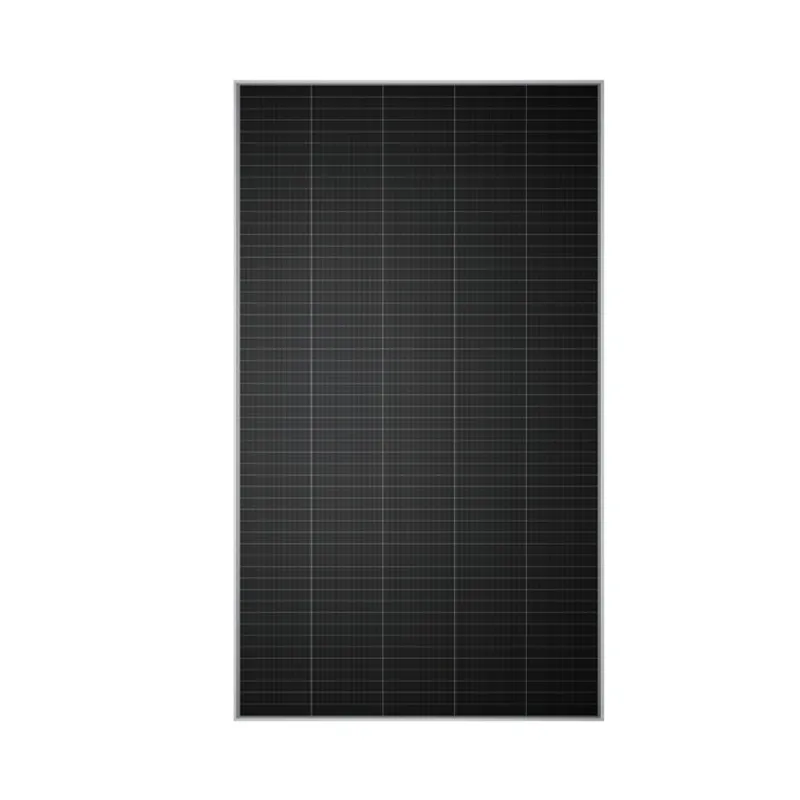
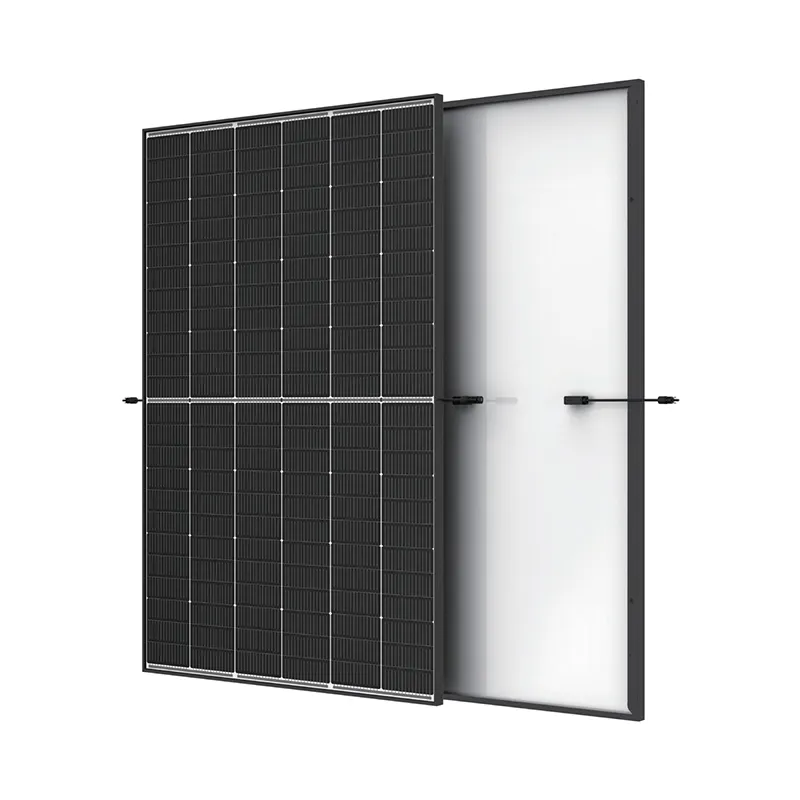
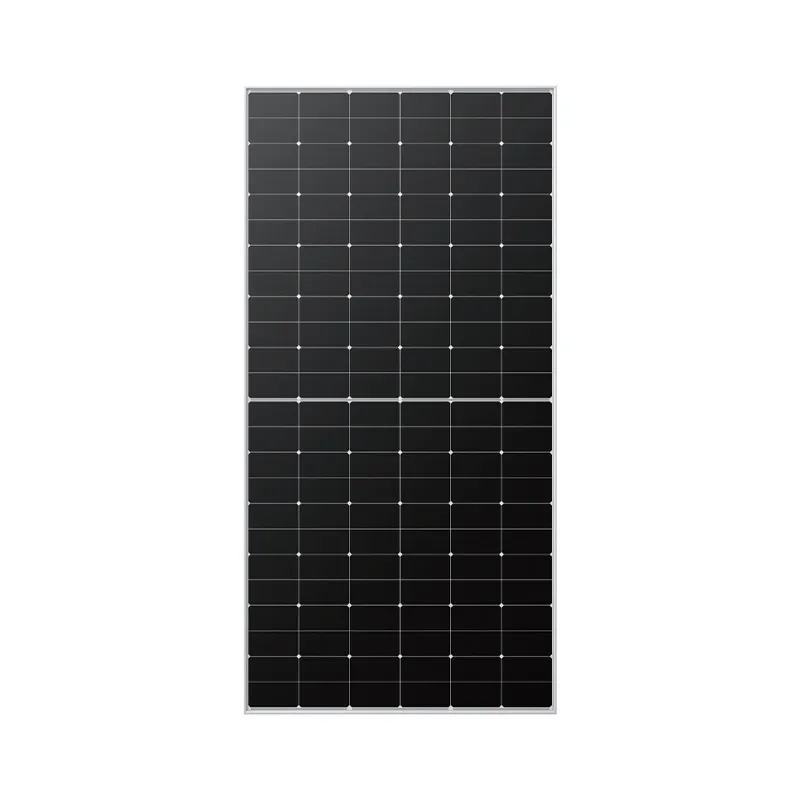
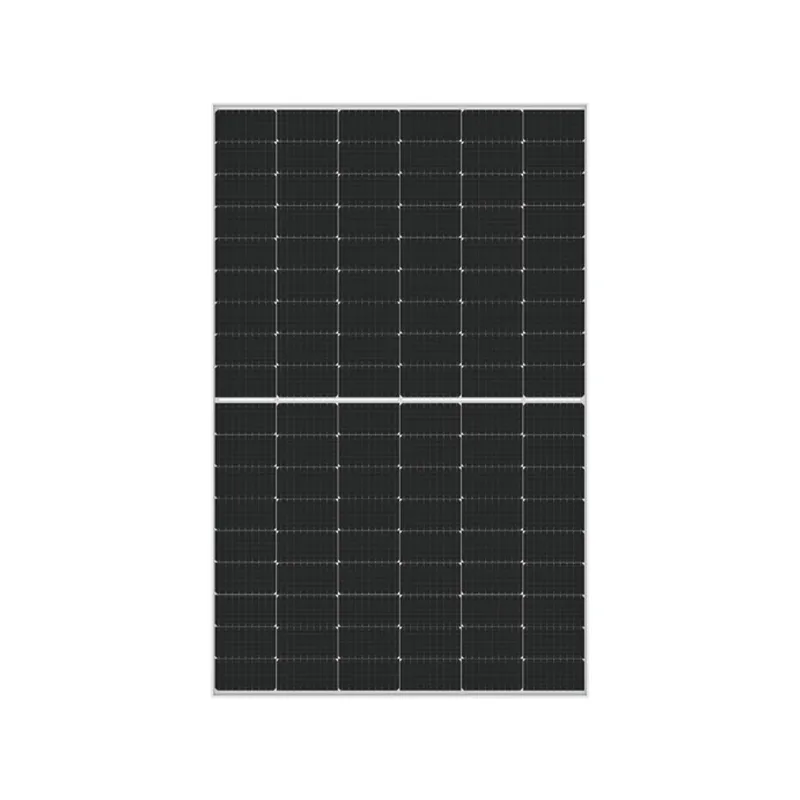
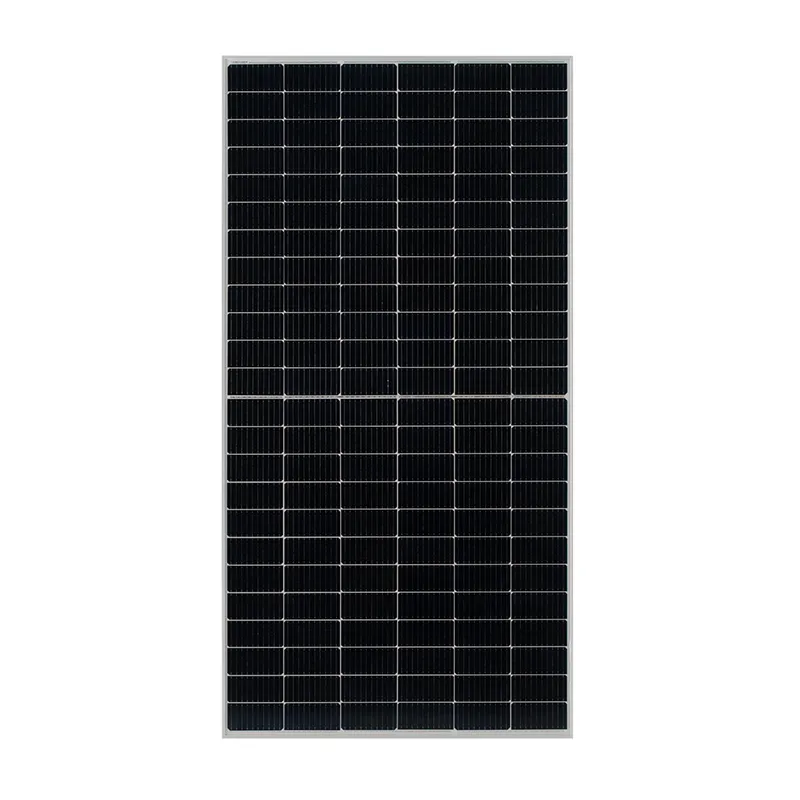
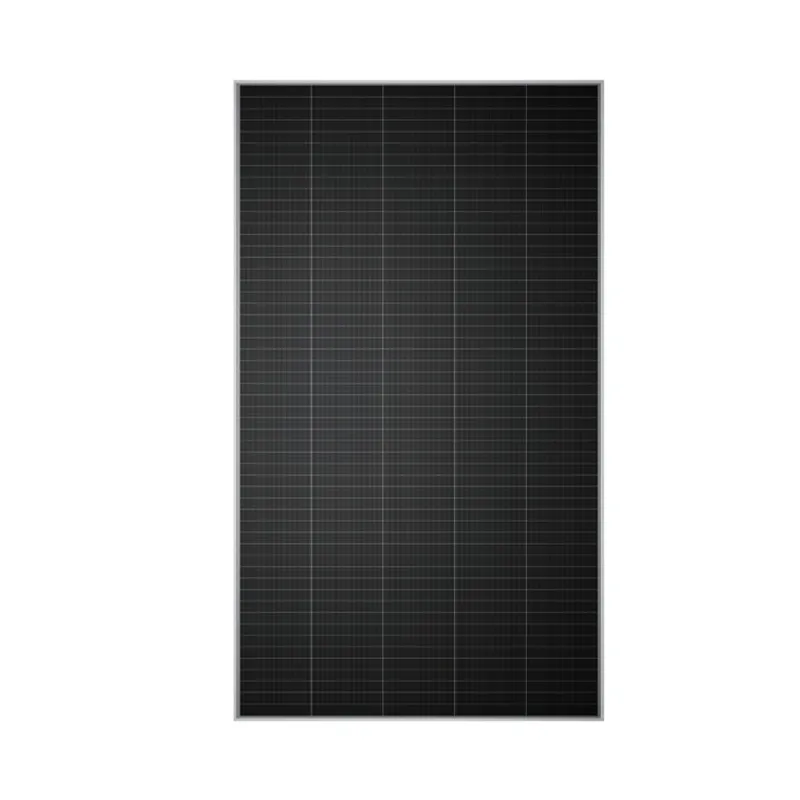
TRINA 5E 420-445W Shingled Monofacial Module Solar Panel
Field Notes on the TRINA 5E 420–445W Shingled Monofacial Module
If you follow module design trends, you’ve probably noticed shingled cells quietly taking over rooftop portfolios. The TRINA 5E 420-445W Shingled Monofacial Module Solar Panel is one of those panels that, to be honest, looks modest on paper but punches above its weight in the field—especially on constrained C&I roofs where every watt and every shadow matters.
What’s happening in shingled right now
Shingled modules overlap laser-sliced mono cells with conductive adhesive instead of heavy busbars. Result: tighter packing density, lower series resistance, and usually calmer hotspots under partial shade. Installers tell me they like the tidy string behavior and the clean look—surprisingly important on customer-facing rooftops. Meanwhile, supply chains have matured: better ECA pastes, consistent lamination profiles, and PID-resilient stacks mean more predictable 25-year outcomes.
Key specs at a glance
| Rated Power (STC) | 420–445 W (typical binning) |
| Module Efficiency | ≈20.5%–21.8% (real-world use may vary) |
| Cell/Tech | Monocrystalline PERC, shingled layout (ECA interconnect) |
| Dimensions / Weight | ≈1,720–1,760 × 1,100–1,135 × 30 mm; ≈21–23 kg |
| Voc / Isc (STC) | Voc ≈49–51 V; Isc ≈10.3–10.9 A |
| Temperature Coefficients | Pmax ≈ −0.34%/°C; Voc ≈ −0.28%/°C; Isc ≈ +0.05%/°C |
| Glass / Frame | 3.2 mm AR-tempered glass; anodized Al frame, black/standard |
| J-Box / Connector | IP68, 3 diodes; MC4-compatible |
| System Voltage / Loads | 1500 V DC; 5400 Pa snow / 2400 Pa wind |
| Certifications | IEC 61215, IEC 61730; salt-mist (IEC 61701), ammonia (IEC 62716) |
| Warranty (typical) | ≈12-year product; 25-year linear power (year 1 ≈2%, then ≈0.55%/y) |
Note: specifications are representative; check the latest datasheet for exact values and SKUs.
How it’s built and tested
Materials: mono PERC cells laser-sliced into strips, silver-filled ECA for low-resistance overlaps, POE/EVA encapsulants, and anti-reflective tempered glass. Methods: precision shingle layup, vacuum lamination, EL imaging (pre/post), and flash testing. Reliability: thermal cycling, damp heat (≥2000 h class), PID resistance, mechanical load at 5.4/2.4 kPa, plus UV and hail protocols per IEC. Service life? Designed for 25–30 years with proper BOS and installation.
Where it fits best
- Space-limited C&I rooftops needing high density and tidy cable runs.
- Residential retrofits where shade management and aesthetics matter.
- Carports, schools, logistics hubs—basically anywhere partial shading is a thing.
- Agrivoltaics with racking that benefits from lower ribbon glare.
Many customers say the TRINA 5E 420-445W Shingled Monofacial Module Solar Panel feels “cooler” in hotspots—shingled strings localize heat better. That’s anecdotal, but it tracks with lab work I’ve seen.
Vendor comparison (typical public specs)
| Model | Power | Efficiency | Cell Tech | Degradation | Warranty |
|---|---|---|---|---|---|
| TRINA 5E Shingled Mono | 420–445 W | ≈20.5–21.8% | Shingled Mono PERC | Yr1 ≈2%, then ≈0.55%/y | 12y/25y (typ.) |
| LONGi Hi-MO 6 (example 430W) | ≈420–435 W | ≈21–22%+ | HPBC (back-contact) | Yr1 ≈1.5%, ≈0.4%/y | 15y/25y (typ.) |
| Jinko Tiger Neo (example 435W) | ≈425–440 W | ≈21%± | n-TOPCon | Yr1 ≈1%, ≈0.4%/y | 12–15y / 25–30y (by SKU) |
Numbers are indicative and vary by region/SKU; always confirm the exact datasheet and warranty booklets.
Customization and delivery
From the Hebei base (2B01, Guomao Building, Zhongshan Road, Qiaoxi District, Shijiazhuang, China), the distributor can support custom cable lengths, palletization, frame color options, and site-specific labeling. For EPCs, pre-bundled strings and QR-coded QA records speed commissioning.
Mini case snapshots
- Cold-storage roof, North China, ≈600 kW: high albedo and partial shade from HVAC curbs—TRINA 5E 420-445W Shingled Monofacial Module Solar Panel strings kept PR in the 81–83% band through summer, according to the installer.
- Retail carport, Southeast Asia, ≈350 kW: aesthetics mattered; shingled layout reduced ribbon glare and won the planning brief.
Why pick it
Lower resistive losses, shade-friendly stringing, clean look, and solid IEC credentials. Actually, the biggest win might be predictability—factory EL + PVEL-style stress testing benchmarks let financiers sleep at night.
Standards and references
-
Designing a Modern Home Roof Made Out of Solar Panels GuideNewsApr.16,2026
-
Guide to the Size of 150 Watt Solar Panel for Your ProjectNewsApr.09,2026
-
Understanding the Dimensions and Applications of a 200W Solar PanelNewsApr.07,2026
-
Understanding the Dimensions and Factors of a 330W Solar Panel SizeNewsApr.04,2026
-
Understanding the Size and Dimensions of a 4kW Solar Panel System for Your HomeNewsMar.31,2026
-
Comprehensive Guide to Sizing Your Solar System for Optimal Energy ProductionNewsMar.28,2026