Comprehensive Guide to Sizing Your Solar System for Optimal Energy Production
Sizing Your Solar System: A Comprehensive Guide
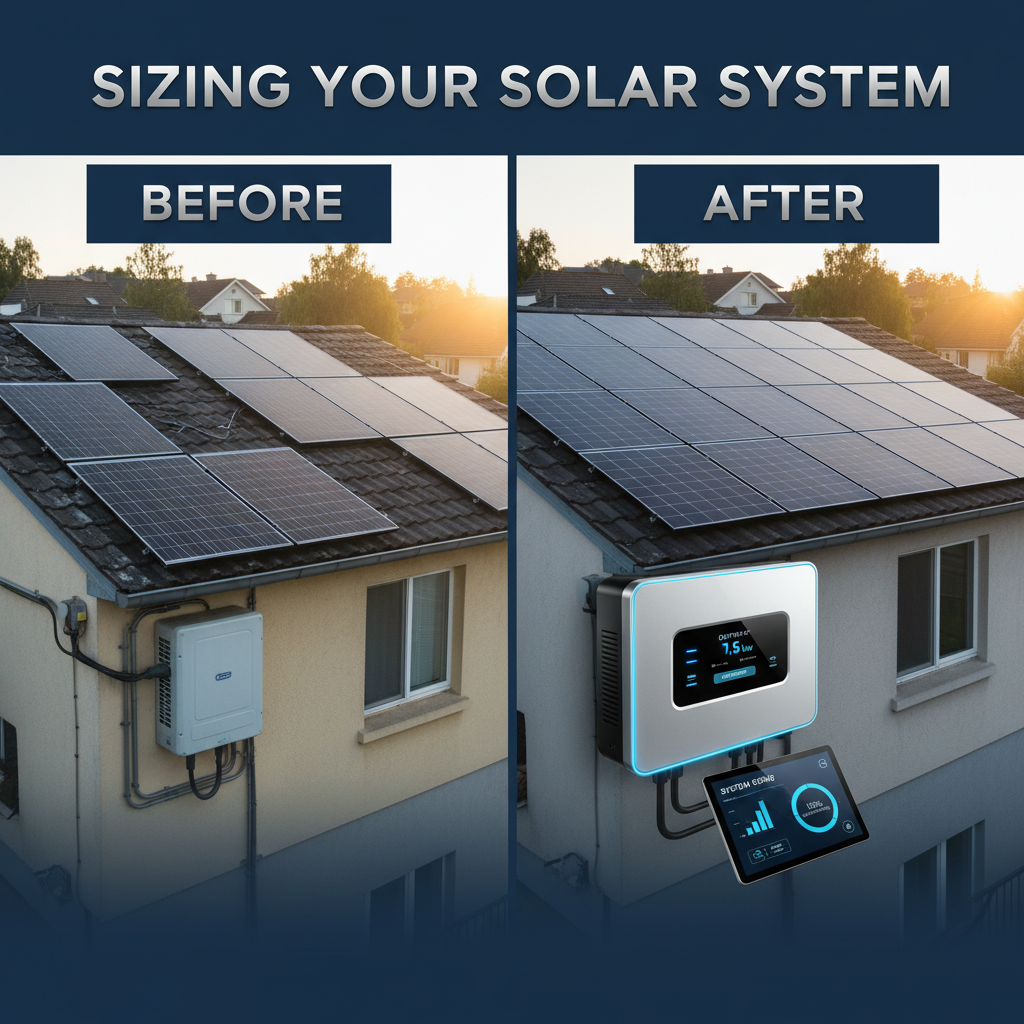
Determining the right size for your solar system is crucial for maximizing energy savings and achieving your sustainability goals. This involves considering your energy consumption, available space, and budget. At Benjiu Solar, we specialize in providing tailored solar solutions for residential and commercial clients. This guide will walk you through the key steps in sizing your solar system, ensuring you make an informed decision. We aim to empower you with the knowledge to harness the sun's energy efficiently and effectively.
Understanding Your Energy Consumption
The first step in sizing your solar system is to understand your current energy usage. Review your electricity bills from the past 12 months to determine your average monthly and yearly energy consumption, typically measured in kilowatt-hours (kWh). Identify any seasonal variations in your energy use – for example, increased consumption during summer months due to air conditioning. This data forms the foundation for calculating the size of the solar system needed to offset your energy costs. Keep in mind that future energy needs, such as adding an electric vehicle, should also be factored into your calculations.
Calculating Your Solar System Size
Once you know your annual energy consumption, you can calculate the required solar system size. A general rule of thumb is to divide your annual kWh consumption by the number of peak sun hours your location receives each day. Peak sun hours represent the equivalent number of hours per day when sunlight intensity reaches 1,000 watts per square meter. This number varies depending on your geographic location and time of year. You can find accurate peak sun hour data for your area using online resources or by consulting with a solar professional like those at Benjiu Solar.
Example Calculation: If your annual energy consumption is 10,000 kWh and your location receives an average of 5 peak sun hours per day, your required solar system size would be approximately 6.8 kW (10,000 kWh / (365 days 5 hours)).
Factors Affecting Solar Panel Output
Several factors can influence the actual output of your solar panels. These include panel efficiency, shading, temperature, and panel orientation. Higher efficiency panels generate more electricity from the same amount of sunlight. Shading from trees or buildings can significantly reduce output, so careful site assessment is essential. Higher temperatures can also decrease panel efficiency. Optimal panel orientation (facing south in the Northern Hemisphere) and tilt angle maximize sunlight capture. Benjiu Solar incorporates these factors into our system design to ensure optimal performance.
Comparing Solar Panel Types and Inverters
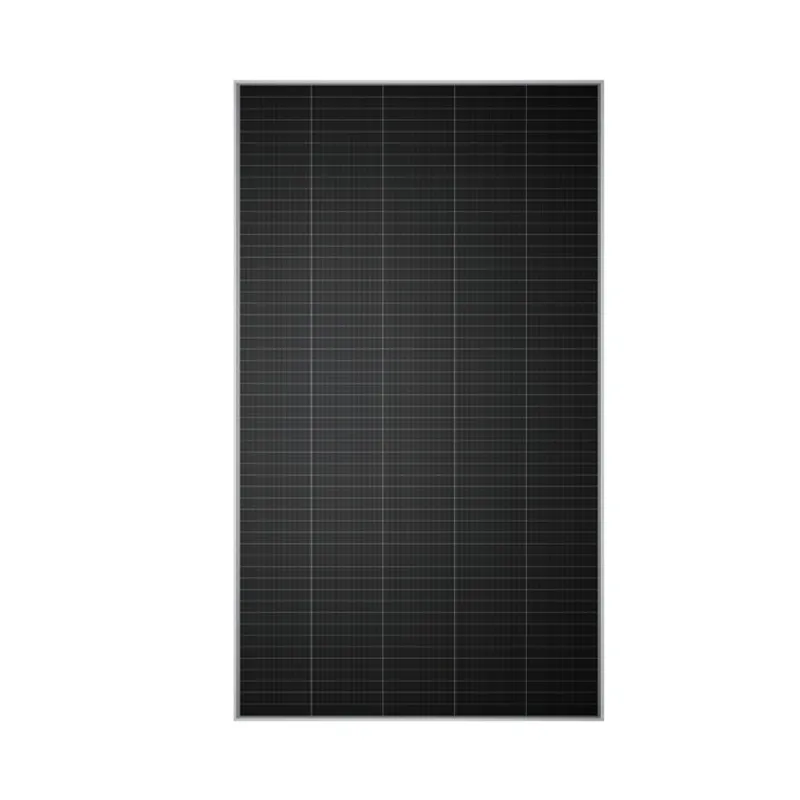
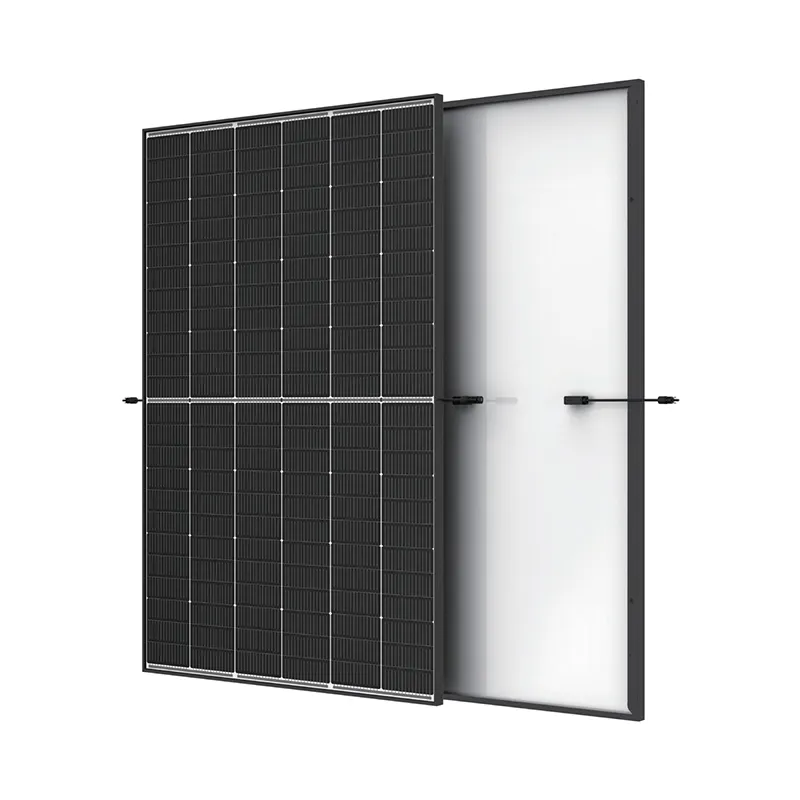
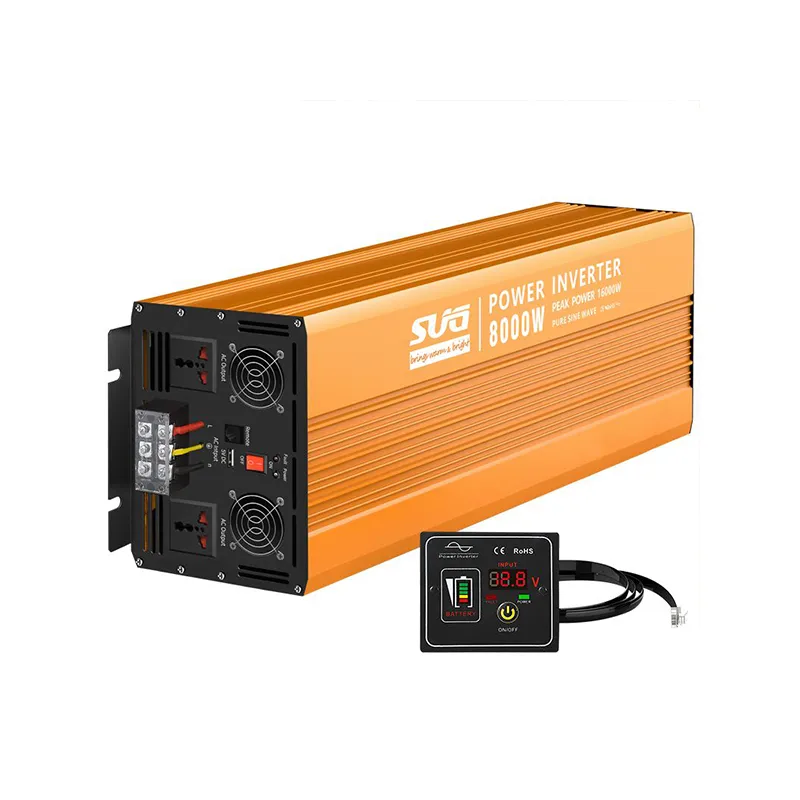
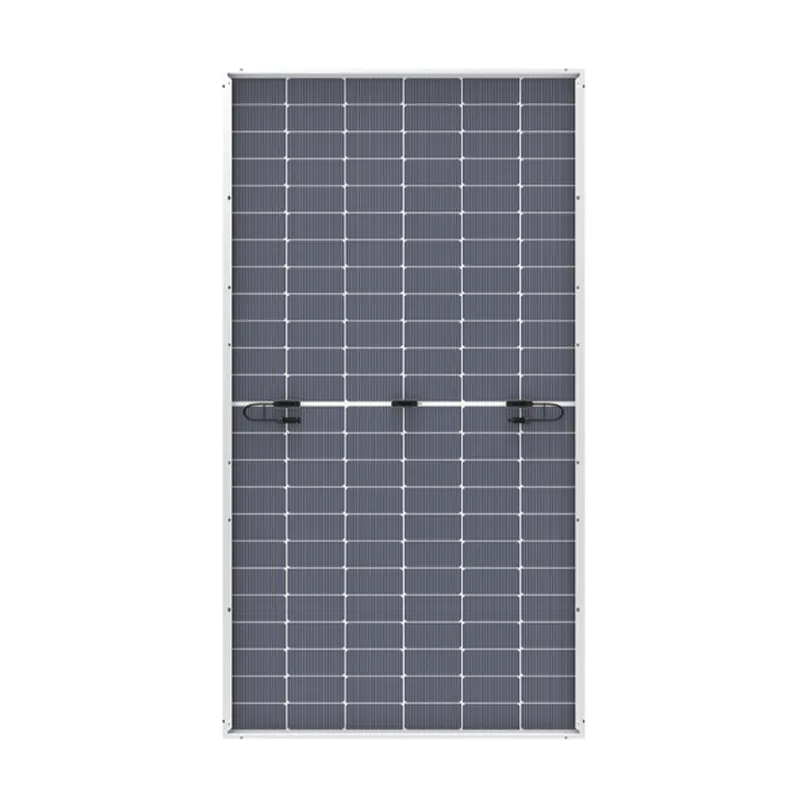
Different types of solar panels have varying efficiencies and costs. Monocrystalline panels are the most efficient but also the most expensive. Polycrystalline panels are less efficient but more affordable. Thin-film panels are the least efficient but can be a good option for certain applications. The inverter is another critical component, converting DC electricity generated by the panels into AC electricity used in your home. String inverters are a common and cost-effective option, while microinverters offer panel-level monitoring and optimization. Benjiu Solar offers a range of panel and inverter options to suit your specific needs and budget.
Considering Future Energy Needs
It's wise to anticipate future energy needs when sizing your solar system. Are you planning to purchase an electric vehicle? Do you anticipate adding air conditioning or other energy-intensive appliances? Factoring in these future demands will ensure your solar system can meet your long-term energy requirements. Oversizing your system slightly can provide a buffer for unforeseen needs and potential increases in energy consumption. At Benjiu Solar, we can help you accurately project your future energy usage and design a system that accommodates your evolving needs.
Conclusion: Powering Your Future with Solar
Accurately sizing your solar system is essential for maximizing your investment and achieving energy independence. By understanding your energy consumption, considering panel types, and anticipating future needs, you can create a sustainable energy solution that benefits both your wallet and the environment. Benjiu Solar is dedicated to providing expert guidance and customized solar solutions to help you power your future.
Frequently Asked Questions (FAQs)
What happens if I underestimate my energy needs when sizing my system?
If you underestimate your energy needs, your solar system may not generate enough electricity to offset your entire consumption. This means you’ll still be reliant on the grid, and your energy savings will be reduced. While it's possible to expand your system later, it can incur additional costs for panels, inverters, and installation. It’s always better to slightly overestimate your needs to ensure you maximize your solar investment. The experts at Benjiu Solar can help you avoid this by conducting a thorough energy assessment and providing accurate sizing recommendations.
How does shading impact solar system performance?
Shading, even partial shading, can significantly reduce solar panel output. Panels in shade produce less electricity, and this can impact the performance of the entire system, especially with older string inverter technology. Microinverters mitigate this issue by optimizing the performance of each panel individually. A professional site assessment, like the one offered by Benjiu Solar, will identify potential shading issues and recommend solutions, such as panel placement or the use of microinverters.
What role does the inverter play in system sizing?
The inverter is a crucial component of your solar system and its size is directly linked to system sizing. The inverter needs to be able to handle the maximum DC power output from your solar panels. Slightly undersizing the inverter (DC-to-AC ratio) can be beneficial in certain situations, but it's important to consult with a solar professional to ensure optimal performance and avoid clipping (when the inverter limits power output). Benjiu Solar carefully matches the inverter to your panel array for optimal efficiency.
Is net metering a factor in sizing my system?
Yes, net metering can influence your system sizing decision. Net metering allows you to receive credit from your utility company for any excess electricity your solar system sends back to the grid. If your utility offers favorable net metering policies, you may be able to offset a larger portion of your energy consumption and potentially reduce your system size. However, net metering policies vary by location, so it’s important to understand the specifics in your area. Benjiu Solar can help you navigate net metering regulations and optimize your system size accordingly.
-
Designing a Modern Home Roof Made Out of Solar Panels GuideNewsApr.16,2026
-
Guide to the Size of 150 Watt Solar Panel for Your ProjectNewsApr.09,2026
-
Understanding the Dimensions and Applications of a 200W Solar PanelNewsApr.07,2026
-
Understanding the Dimensions and Factors of a 330W Solar Panel SizeNewsApr.04,2026
-
Understanding the Size and Dimensions of a 4kW Solar Panel System for Your HomeNewsMar.31,2026