Advancements in Solar Technology Exploring Solar Panel 30 Efficiency
Unlocking Efficiency: A Deep Dive into Solar Panels with 30% Efficiency
In the rapidly evolving world of renewable energy, maximizing the efficiency of solar panels is crucial for reducing costs and accelerating the transition to sustainable power. A solar panel 30 efficiency rating represents a significant advancement in photovoltaic technology. This article will explore what this level of efficiency means, the technologies driving it, its benefits, and what you should consider when choosing high-efficiency panels. We'll also delve into how Benjiu Solar is at the forefront of delivering these innovative solutions.
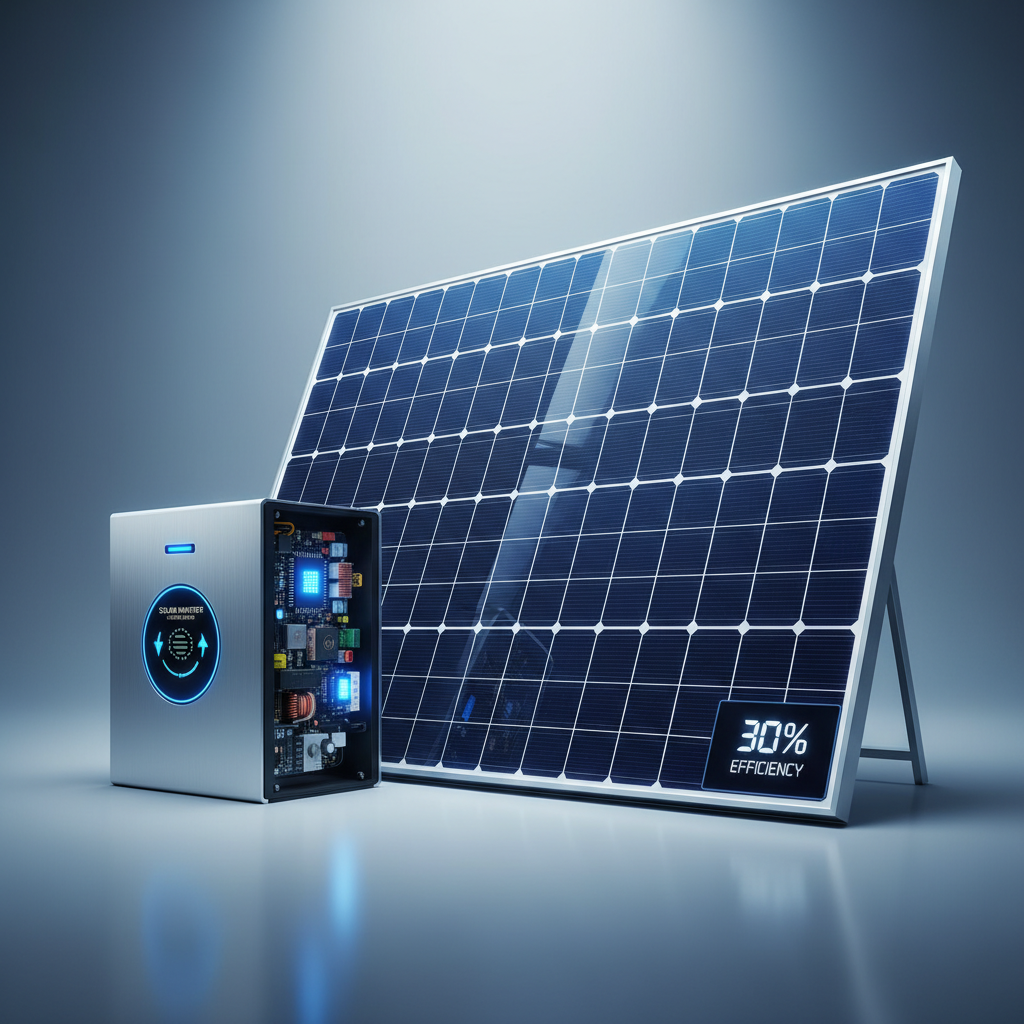
Understanding Solar Panel Efficiency: What Does 30% Mean?
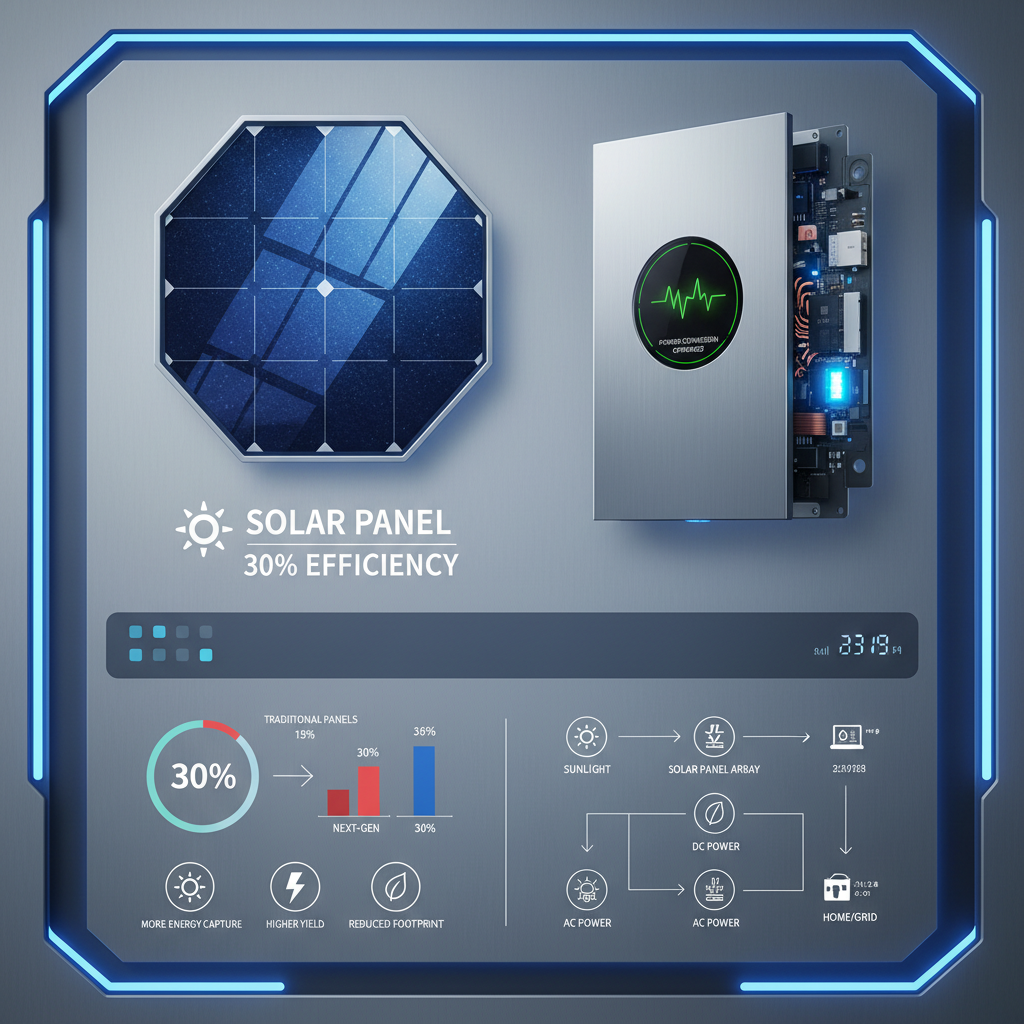
Solar panel efficiency refers to the percentage of sunlight that is converted into usable electricity. A 30% efficient solar panel means that for every 1000 watts of sunlight hitting the panel, 300 watts of electricity are generated. This is a substantial improvement over standard solar panels, which typically have efficiencies ranging from 15% to 20%. Higher efficiency translates directly into more power generation from the same surface area, which is particularly important for installations with limited roof space or land availability. Benjiu Solar focuses on maximizing efficiency to deliver optimal energy output for our clients.
Key Benefit: More power per square foot, reducing system size and costs.
Technologies Driving 30% Efficiency Solar Panels
Reaching 30% efficiency requires advanced solar cell technologies. Several innovations are contributing to this achievement, including:
- Passivated Emitter and Rear Contact (PERC) Cells: This technology adds a layer to the back of the solar cell to reduce electron recombination, boosting efficiency.
- Heterojunction Technology (HJT): HJT combines crystalline silicon with thin-film silicon layers, resulting in higher voltage and efficiency.
- Interdigitated Back Contact (IBC) Cells: IBC cells place all electrical contacts on the back of the cell, maximizing sunlight absorption and minimizing shading.
- TopCon (Tunnel Oxide Passivated Contact) Cells: TopCon utilizes an ultra-thin tunneling oxide layer to reduce recombination losses.
Benjiu Solar actively integrates these technologies into our product lines to ensure our customers receive the highest performance possible.
Cost Considerations: Balancing Efficiency and Investment
While 30% efficient solar panels offer significant benefits, they typically come at a higher upfront cost compared to lower-efficiency panels. However, this cost can be offset by several factors. The reduced system size required for the same power output can lower installation costs (racking, wiring, labor). Furthermore, the increased energy production over the lifespan of the panels translates into greater long-term savings on electricity bills. It’s important to perform a thorough cost-benefit analysis considering your energy needs, available space, and local electricity rates.
Cost vs. Benefit Analysis:
• Higher upfront cost, potentially offset by lower installation costs.
• Increased energy production over the panel's lifespan.
• Long-term savings on electricity bills.
Solar Panel 30 Efficiency: Comparison with Common Technologies
Let's compare solar panel 30 efficiency with other commonly available technologies:
Why Choose Benjiu Solar for High-Efficiency Panels?
Benjiu Solar is dedicated to providing cutting-edge solar solutions. We source high-quality components, employ rigorous quality control measures, and offer expert installation services. Our team provides tailored consultations to help you determine the best panel technology for your specific needs and budget. We're committed to delivering reliable, efficient, and cost-effective solar energy systems.
Conclusion: Investing in a Brighter Future
Investing in solar panels with 30% efficiency is a strategic move towards energy independence and sustainability. Benjiu Solar is your trusted partner in navigating this evolving landscape, providing expert guidance and high-performance solutions.
Frequently Asked Questions (FAQs)
What is the typical lifespan of a 30% efficiency solar panel?
Most high-efficiency solar panels, including those around 30% efficiency, are designed to last for 25-30 years. However, performance gradually degrades over time. Typically, a panel will retain around 80-85% of its original output after 25 years. Factors like temperature, humidity, and shading can affect lifespan. Regular maintenance, including cleaning and inspection, can help maximize the lifespan of your panels. Benjiu Solar offers comprehensive maintenance packages to ensure long-term performance.
Are 30% efficient panels suitable for all roof types?
While 30% efficient panels can be installed on most roof types, certain considerations apply. The roof must be structurally sound to support the weight of the panels. The orientation and angle of the roof significantly impact energy production. South-facing roofs with an optimal angle typically receive the most sunlight. Shading from trees or buildings can reduce efficiency. Benjiu Solar performs a thorough site assessment to determine the suitability of your roof and recommend the best panel layout.
What warranties are typically offered on high-efficiency solar panels?
High-efficiency solar panels typically come with two types of warranties: a product warranty and a performance warranty. The product warranty covers defects in materials and workmanship, usually for 10-12 years. The performance warranty guarantees a certain level of energy production over 25-30 years. Benjiu Solar partners with leading manufacturers offering industry-leading warranties, providing our customers with peace of mind.
How does temperature affect the efficiency of solar panels?
Solar panel efficiency decreases as temperature increases. This is because the voltage output of the panel drops with higher temperatures. Most panels have a temperature coefficient that indicates how much their efficiency decreases per degree Celsius. While 30% efficiency panels perform better in warmer climates than lower-efficiency panels, all solar panels benefit from adequate ventilation to keep them cool.
-
Designing a Modern Home Roof Made Out of Solar Panels GuideNewsApr.16,2026
-
Guide to the Size of 150 Watt Solar Panel for Your ProjectNewsApr.09,2026
-
Understanding the Dimensions and Applications of a 200W Solar PanelNewsApr.07,2026
-
Understanding the Dimensions and Factors of a 330W Solar Panel SizeNewsApr.04,2026
-
Understanding the Size and Dimensions of a 4kW Solar Panel System for Your HomeNewsMar.31,2026
-
Comprehensive Guide to Sizing Your Solar System for Optimal Energy ProductionNewsMar.28,2026