Understanding the Dimensions and Applications of a 200W Solar Panel
Understanding the Size of a 200W Solar Panel
When considering solar power for your home, RV, or off-grid application, the 200W solar panel is a popular choice due to its balance of power and portability. But what exactly are the dimensions of a 200W solar panel, and how do these sizes impact installation and application? This article will provide a comprehensive guide to the size of a 200W solar panel, covering typical dimensions, factors affecting size, and considerations for choosing the right panel for your needs. Understanding these aspects is crucial for maximizing efficiency and ensuring a successful solar setup.
Typical Dimensions of a 200W Solar Panel
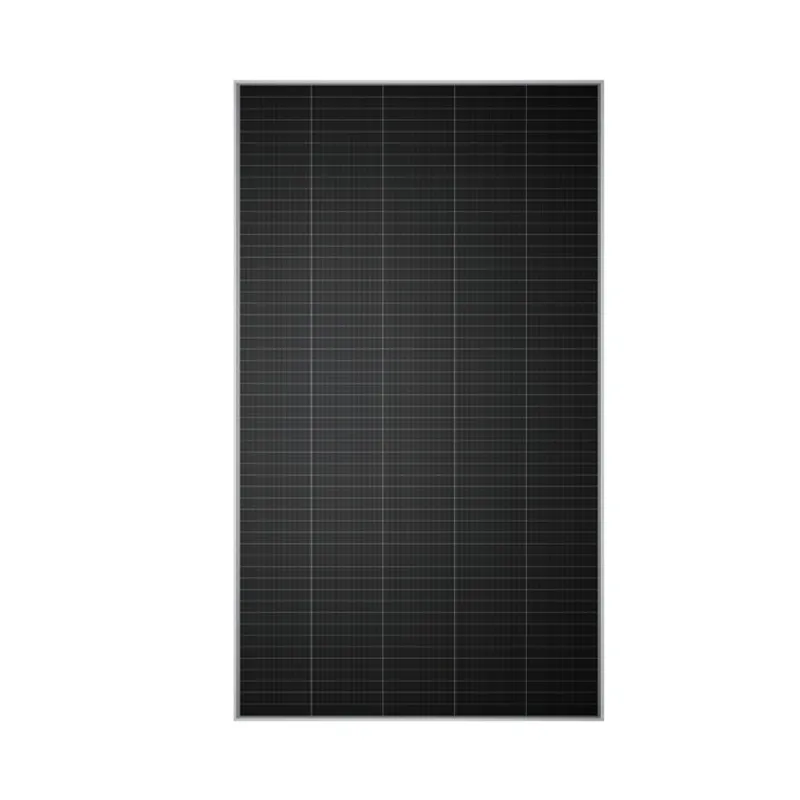
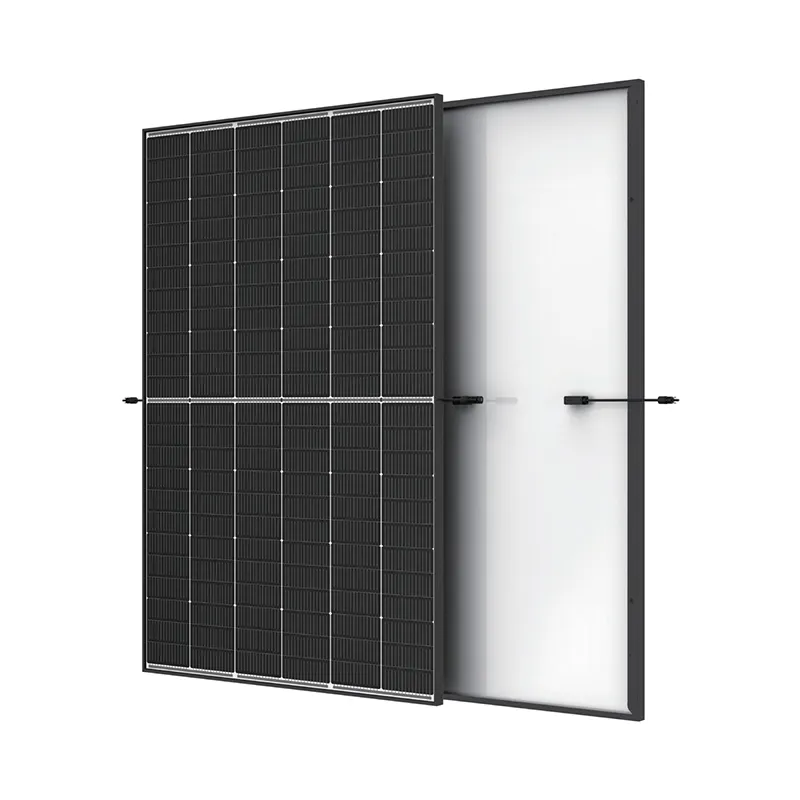
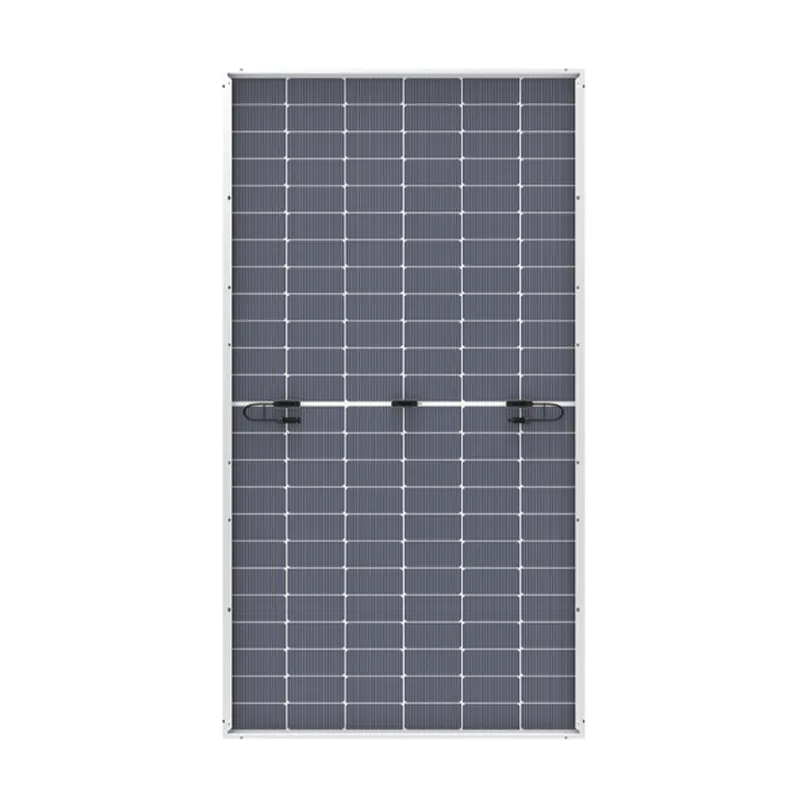
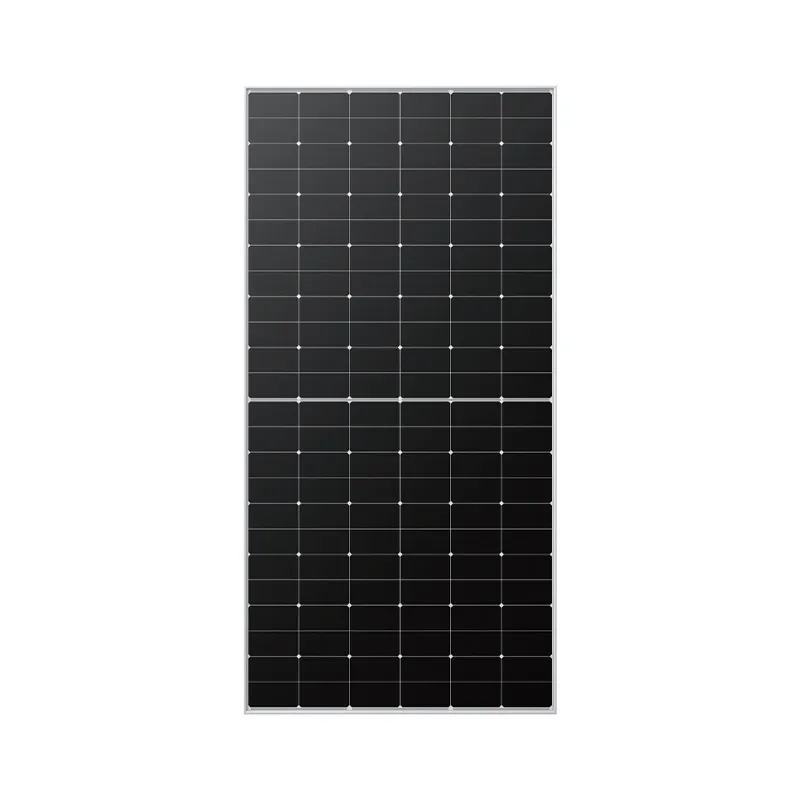
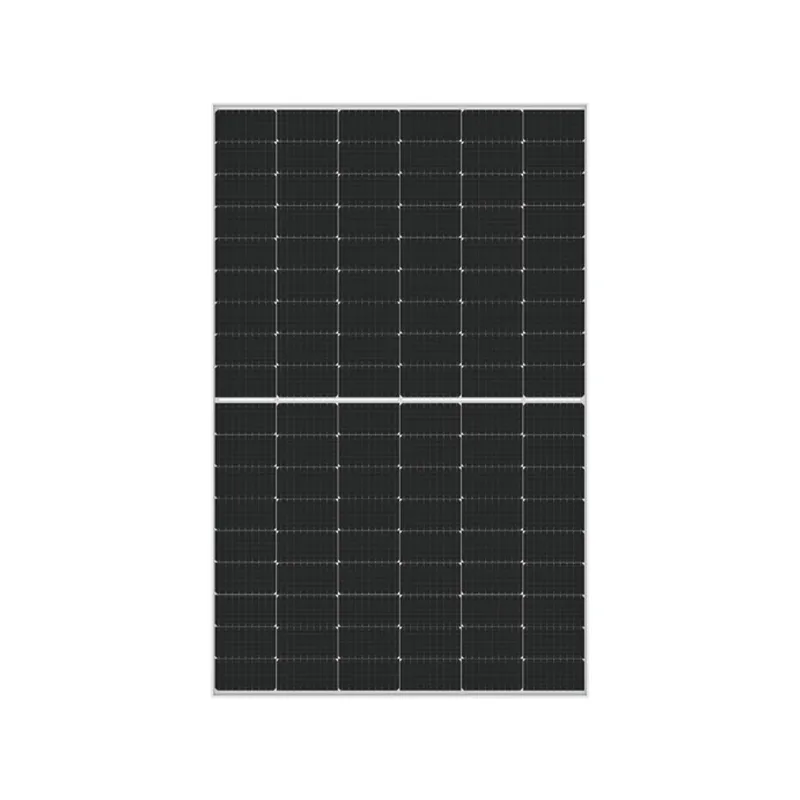
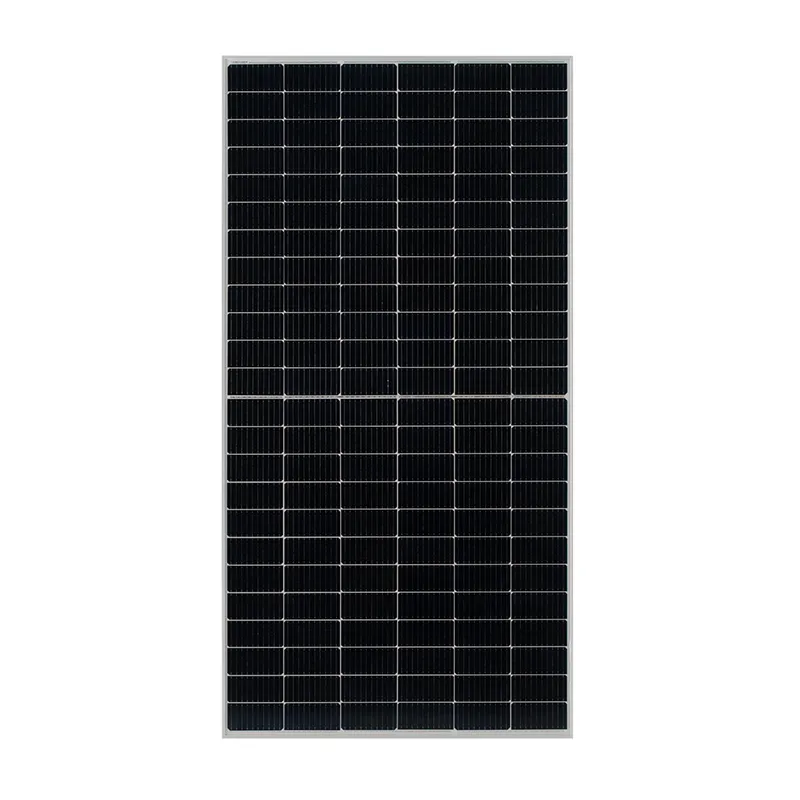
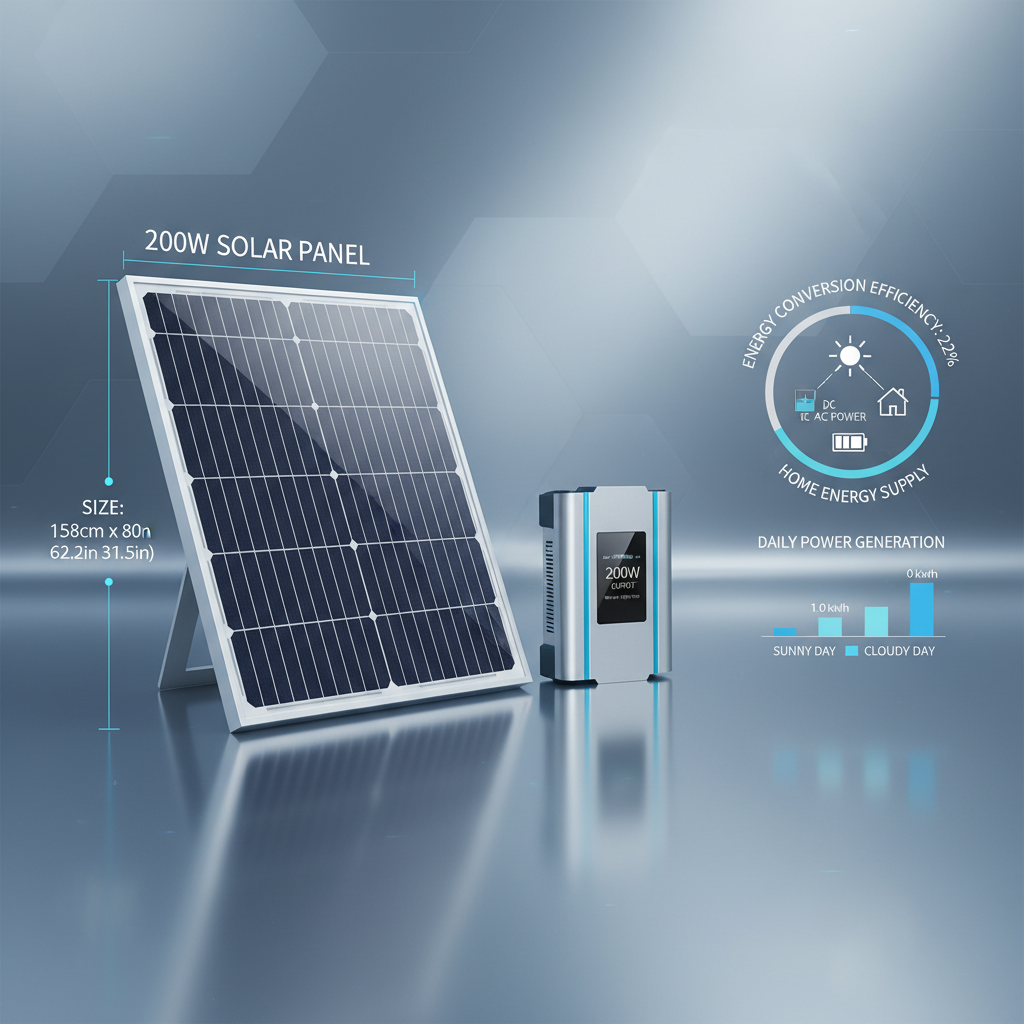
While dimensions can vary slightly between manufacturers and panel types (monocrystalline, polycrystalline, or thin-film), a typical 200W solar panel generally measures around 39.4 x 26.5 inches (approximately 100 x 67 cm). The thickness is usually around 1.4 – 1.6 inches (3.5 – 4 cm). These measurements are important for planning mounting systems and ensuring sufficient space on rooftops or other surfaces. It's also important to note the weight, which averages between 26-33 pounds (12-15 kg). At Benjiu Solar, we provide detailed specifications for each of our 200W panels, allowing you to make an informed decision.
Key Takeaway: A 200W solar panel typically occupies around 39.4 x 26.5 inches of surface area and weighs between 26-33 pounds.
Factors Affecting Solar Panel Size
Several factors influence the size of a 200W solar panel. Cell technology plays a significant role; monocrystalline panels tend to be slightly more efficient per square inch and may therefore be marginally smaller than polycrystalline panels for the same wattage. Furthermore, the number of solar cells within the panel directly impacts its size. More cells generally mean a larger panel. Finally, the frame design and materials can add to the overall dimensions. A robust aluminum frame will naturally add to the panel's size compared to a lightweight plastic frame.
Size Influencing Factors:
• Cell Technology (Monocrystalline, Polycrystalline)
• Number of Solar Cells
• Frame Design and Materials
200W Solar Panel Size Comparison: Mono vs. Poly
Comparing monocrystalline and polycrystalline 200W solar panels reveals subtle differences in size. Monocrystalline panels often exhibit slightly higher efficiency, meaning they can generate the same wattage in a smaller area. This is because of the structure of the silicon cells. Polycrystalline panels, while more affordable, typically require a slightly larger surface area to achieve the same 200W output. Choosing between the two depends on your space constraints and budget. Benjiu Solar offers both types, enabling you to select the best fit for your needs.
Size Considerations for Different Applications
The appropriate size of a 200W panel depends heavily on its intended application. For rooftop installations, ensuring the panel fits within available space and aligning it with roof pitch are crucial. For RV or boat applications, portability and weight become key considerations. Smaller, more compact panels are often preferred in these scenarios. Off-grid systems may require multiple panels, necessitating careful planning to maximize space efficiency. Before purchasing, measure your available space and assess the weight limitations of your mounting surface.
Choosing the Right 200W Solar Panel: Benjiu Solar’s Commitment to Quality
At Benjiu Solar, we understand the importance of finding the perfect 200W solar panel for your needs. We offer a range of high-quality panels with detailed specifications, ensuring transparency and informed decision-making. We provide options in both monocrystalline and polycrystalline, allowing you to select the panel that best suits your budget and space requirements. Our expert team is available to assist you in choosing the right panel and providing guidance on installation and setup.
Conclusion: Finding the Right Size for Your Solar Needs
Understanding the size of a 200W solar panel is essential for successful installation and optimal performance. By considering factors like cell technology, space constraints, and intended application, you can choose the perfect panel for your needs. Benjiu Solar is dedicated to providing high-quality panels and expert guidance to help you harness the power of the sun.
Frequently Asked Questions (FAQs)
What is the minimum space required for a 200W solar panel installation?
Generally, you'll need at least 39.4 x 26.5 inches (approximately 100 x 67 cm) of unobstructed space. However, it's crucial to add extra space around the panel for ventilation and mounting hardware. Consider at least 6 inches of clearance on all sides to prevent overheating and allow for easy maintenance. Also, ensure the surface can support the weight of the panel, which is around 26-33 pounds.
Can a 200W solar panel power all my household appliances?
A single 200W solar panel is unlikely to power all your household appliances. It’s a good starting point, but most homes require multiple panels to meet their energy needs. The actual power output will also depend on sunlight availability and the efficiency of your inverter and battery system. To determine the number of panels needed, calculate your total energy consumption and consult with a solar energy professional.
What is the difference between monocrystalline and polycrystalline panel sizes?
Monocrystalline panels tend to be slightly smaller for the same wattage due to their higher efficiency. This means they produce more power per square inch. Polycrystalline panels, while often more affordable, generally require a slightly larger surface area to generate the same amount of power. The difference isn’t significant, but it can be a factor if space is limited.
How does temperature affect the size or performance of a 200W solar panel?
While temperature doesn’t directly affect the physical size of the panel, it does impact its performance. Solar panels become less efficient at higher temperatures. This is why proper ventilation is crucial. The panel's specifications will include a temperature coefficient, which indicates how much the power output decreases for every degree Celsius above the standard testing temperature (typically 25°C).
-
Designing a Modern Home Roof Made Out of Solar Panels GuideNewsApr.16,2026
-
Guide to the Size of 150 Watt Solar Panel for Your ProjectNewsApr.09,2026
-
Understanding the Dimensions and Factors of a 330W Solar Panel SizeNewsApr.04,2026
-
Understanding the Size and Dimensions of a 4kW Solar Panel System for Your HomeNewsMar.31,2026
-
Comprehensive Guide to Sizing Your Solar System for Optimal Energy ProductionNewsMar.28,2026