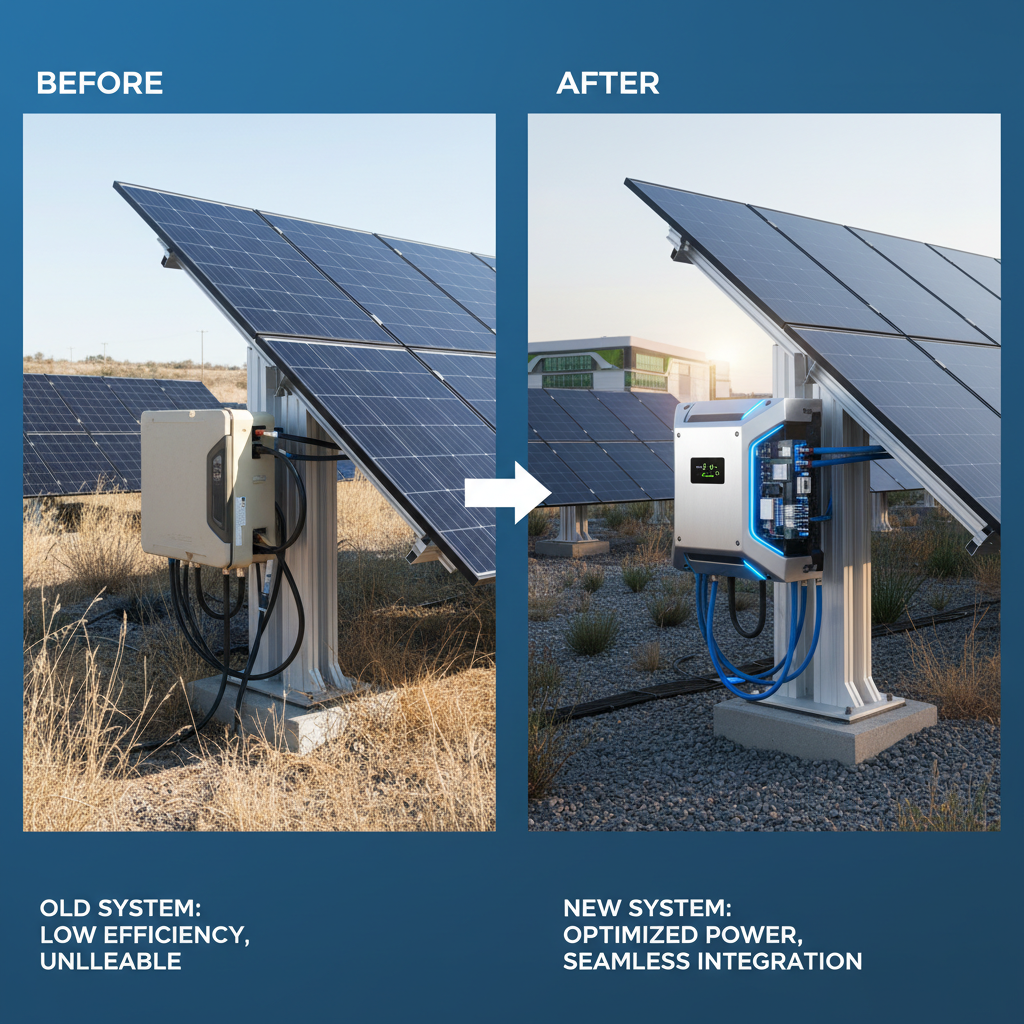
Look, the whole industry’s been buzzing about pre-fabricated components, right? Everyone’s talking about efficiency, speed, reducing waste… honestly, it’s a good thing, really. But it also means a lot of folks are jumping in who don't actually understand building things. They see the diagrams, they run the simulations, but they haven’t spent a day knee-deep in mud trying to get a foundation poured in the rain. That's where things get… interesting.
It's funny, you think everything would be standardized with these prefab systems, but it rarely is. There’s always something. Like, have you noticed how every manufacturer has their own slightly different idea of what “flush” means? Drives a guy crazy.
And then there’s the materials. We’ve been leaning heavily into high-strength steel alloys for the structural supports – S355J2, mostly. It smells metallic, obviously, but a good batch has a… I don’t know… a solid feel to it. You can tell if it’s been properly heat-treated just by the weight. We also use a lot of composite decking, usually a mix of recycled plastic and wood fibers. Smells like… well, like plastic and wood, mostly. It's surprisingly durable, but you gotta be careful with the screws, they can split the material if you over-torque them.
The Rise of Prefabricated Solar Panel Systems
To be honest, the biggest shift I've seen is the move towards integrated solar panel systems. Not just slapping panels on a roof, but building the whole structure around the solar array. Makes installation a breeze, and it looks cleaner. It's a relatively new trend, but it's gaining traction fast. The demand for solar panels for sale has never been higher.
Strangely, a lot of the initial designs were… optimistic. They didn’t account for things like wind loads, snow accumulation, or even just the natural expansion and contraction of materials. I encountered this at a factory in Jiangsu province last time – they were using a really flimsy frame, and the whole thing was bowing under its own weight. I told them, “Look, you need to beef this up,” and they gave me this blank stare.
Design Pitfalls and Common Mistakes
There are a few recurring nightmares, you know? One is undersized wiring. People try to save a few bucks, and then you end up with voltage drops and overheating. Another is poor grounding. Electricity and metal… not a good mix, obviously.
And the connectors! Oh, the connectors. So many different types, so many ways for them to fail. You need to use marine-grade connectors, no question. And even then, you gotta double-check everything. I swear, half my job is chasing down loose connections.
Then there's the whole issue of thermal expansion. Panels heat up in the sun, and they expand. If you don't account for that in the design, you'll end up with cracked glass and broken seals. It's basic physics, really, but you'd be surprised how many people forget.
Core Materials: A Hands-On Perspective
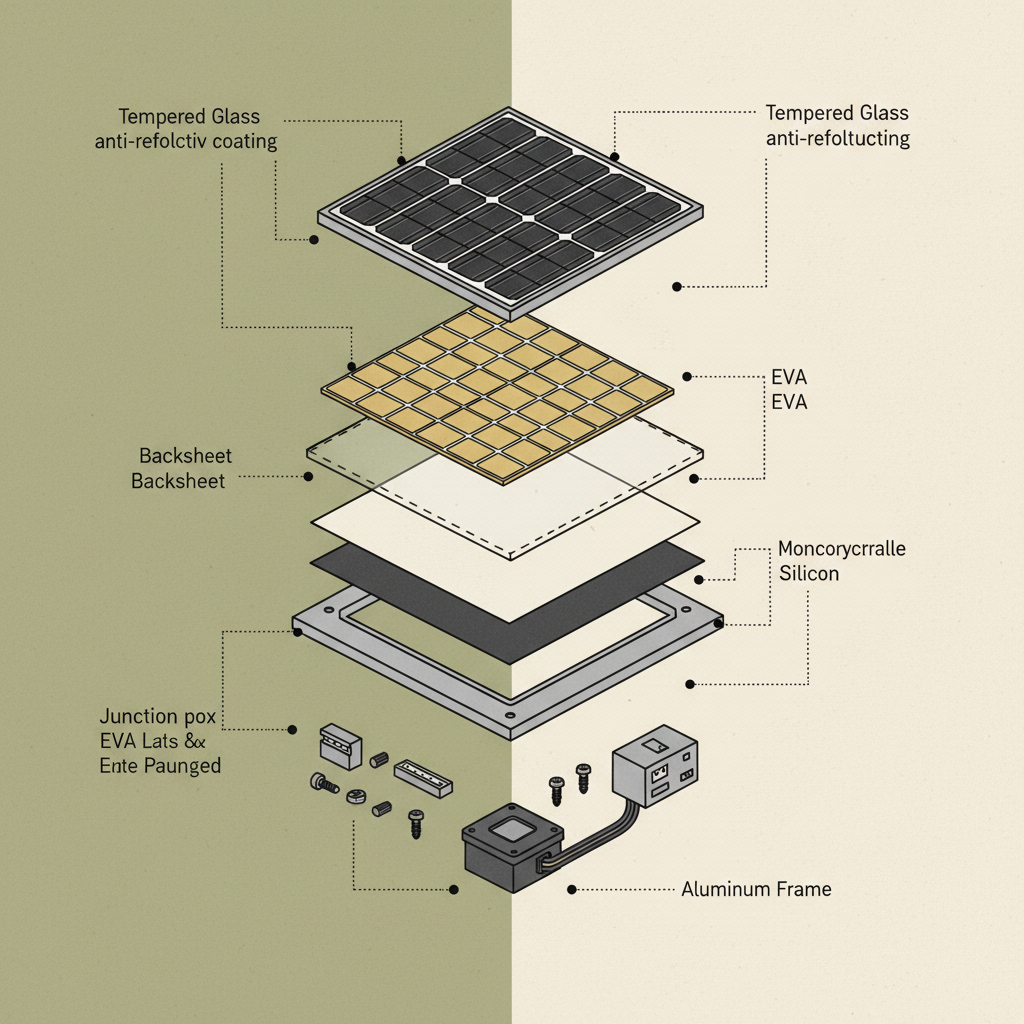
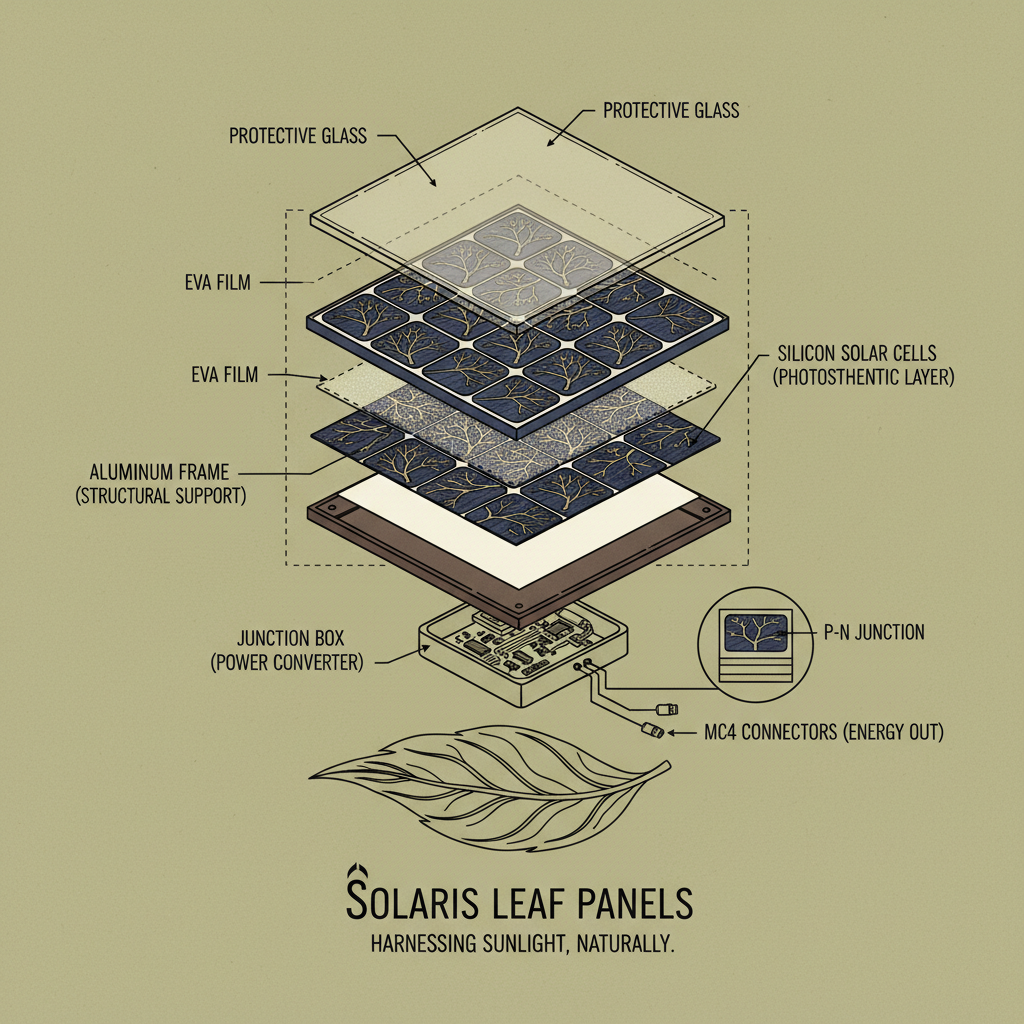
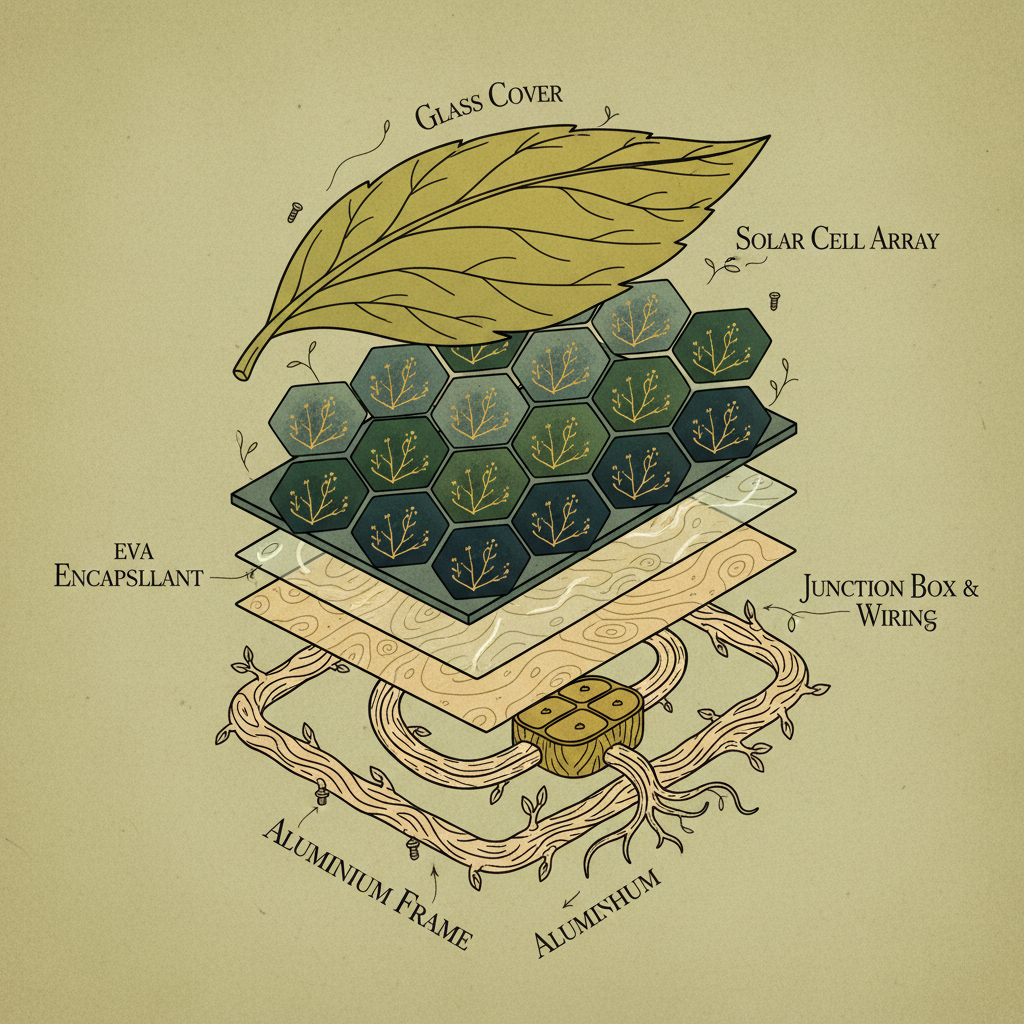
The panel itself, that's usually polycrystalline silicon. Feels a little gritty, surprisingly. It’s pretty robust, but drop one and you're looking at a replacement. The backing sheets are typically made of Tedlar, a fluoropolymer film. It smells a bit like… well, like a chemical plant. It's designed to protect the cells from moisture and UV radiation, and it does a pretty good job.
The frames are usually aluminum, anodized for corrosion resistance. Feels smooth and cool to the touch. Sometimes, especially on cheaper systems, they’ll use a lower grade aluminum, and it’ll start to corrode after a few years. You can spot it by the white, chalky residue. It’s a pain to deal with, because you have to replace the entire frame.
And the glass… it's not just any glass. It's tempered glass, specifically designed to withstand hail and high winds. You can tell it's tempered because it breaks into small, relatively harmless pieces instead of sharp shards. Still, I wouldn't recommend testing that theory.
Real-World Testing and Durability Assessments
Look, lab tests are fine, but they don’t tell you the whole story. I’ve seen panels pass every lab test imaginable and still fail spectacularly in the field. The real test is putting them out in the elements and seeing how they hold up.
We do a lot of accelerated aging tests, where we expose the panels to extreme temperatures, humidity, and UV radiation. We also do hail impact tests, using ice balls of different sizes. But the most important test is just… observation. Going out to installations, checking for cracks, corrosion, and any other signs of wear and tear. That's where you really learn what works and what doesn’t.
Solar Panel System Component Reliability
Unexpected User Applications and Adaptations
You wouldn’t believe the things people come up with. Last year, we had a guy in California using solar panels to power a remote marijuana grow operation. I'm not judging, but it definitely wasn't the intended application.
We also had a farmer who was using the panels to keep his sheep cool in the summer. He built a simple shade structure over the pasture, and the sheep just hung out underneath it all day. Honestly, it seemed to work pretty well.
Advantages, Disadvantages, and Customization Options
The biggest advantage, obviously, is cost savings. Solar panels for sale, properly installed, can significantly reduce your electricity bill. They’re also environmentally friendly, which is a plus. But they’re not perfect. They require a significant upfront investment, and they’re dependent on sunlight.
And honestly, the payback period can be longer than people expect. It depends on a lot of factors – your location, your energy usage, the cost of electricity, and government incentives. Customization? Sure, you can customize pretty much anything. We had a client who wanted panels with a specific color coating to match his house. It was expensive, but we did it. Anyway, I think those little details are what separates the good systems from the bad ones.
A Customer Story: The Debacle
Last month, that small boss in Shenzhen who makes smart home devices insisted on changing the interface to . Said it was "future-proof." I told him, “Look, these panels have been using DC barrel connectors for years, they’re reliable, they’re weatherproof. Why fix what ain’t broken?” But he wouldn’t listen. He wanted . So we built it his way.
Two weeks later, he calls me up, furious. Turns out the connectors were failing in the humidity, and he was getting all sorts of complaints from his customers. He had to recall the entire batch. Cost him a fortune. I just said, “I told you so.” But I didn’t really say that.
It just proves my point: Sometimes, the simplest solution is the best solution. You don’t need to reinvent the wheel every time.
Summary of Key System Performance Indicators
| Component |
Initial Efficiency (%) |
Expected Degradation (per year) |
Typical Lifespan (Years) |
| Polycrystalline Panels |
16-18 |
0.5-0.8 |
25-30 |
| Monocrystalline Panels |
18-20 |
0.4-0.7 |
25-35 |
| String Inverters |
95-98 |
0.1-0.3 |
10-15 |
| Microinverters |
96-99 |
0.05-0.2 |
20-25 |
| Aluminum Mounting Rails |
N/A |
Corrosion Rate Dependent |
30+ |
| DC Connectors |
N/A |
Potential for Contact Issues |
15-20 |
FAQS
Honestly? They focus too much on price. You get what you pay for. Cheaper panels often use lower-quality materials and have a shorter lifespan. It’s better to invest in a slightly more expensive system that will last longer and perform better in the long run. Think about the total cost of ownership, not just the upfront price.
Shading is a killer. Even a small amount of shade can significantly reduce the output of a solar panel system. The best solution is to minimize shading as much as possible – trim trees, remove obstructions, or reposition the panels. Microinverters are also helpful, because they allow each panel to operate independently, so shading on one panel doesn’t affect the others.
Not much, thankfully. Mostly just keeping the panels clean. Dirt, dust, and bird droppings can reduce their efficiency. You can wash them yourself with soap and water, or hire a professional cleaning service. You should also inspect the system regularly for any signs of damage or wear and tear.
They're designed to withstand a lot, but extreme weather can definitely have an impact. Hail can crack the glass, strong winds can damage the mounting structures, and heavy snow can block sunlight. That’s why it’s important to choose panels and mounting systems that are rated for your local climate.
Depends on the size and complexity of the system, but typically a residential installation takes 2-3 days. Larger commercial installations can take a week or more. A lot of it depends on permitting and inspection delays, too. Those can be a real headache, to be honest.
People always think higher efficiency is always better. It's not that simple. Higher efficiency panels are more expensive, and the extra cost might not be worth it if you have plenty of roof space. Sometimes, it's more cost-effective to install more lower-efficiency panels. It's all about finding the right balance.
Conclusion
So, yeah, that’s pretty much the state of play. Prefabricated solar systems are changing the game, but it's not without its challenges. You gotta understand the materials, the design pitfalls, and the real-world conditions. It's not just about plugging and playing; it's about building something that will last.
Ultimately, whether this thing works or not, the worker will know the moment he tightens the screw. And if he's scratching his head and muttering under his breath, well, that’s usually a bad sign. If you're looking for solar panels for sale, don’t just go for the cheapest option. Do your research, ask questions, and choose a system that’s built to last.