Understanding Solar Panel Output Efficiency for Maximum Energy Production
Understanding Solar Panel Output Efficiency: A Comprehensive Guide
Maximizing energy production from your solar investment hinges on understanding solar panel output efficiency. This critical metric dictates how effectively a panel converts sunlight into usable electricity. In this article, we'll explore the factors influencing efficiency, current industry standards, and how Benjiu Solar strives to deliver high-performance panels. We'll cover everything from cell technology to real-world conditions, helping you make an informed decision for your energy needs. Investing in efficient solar panels directly translates to higher savings and a faster return on investment.
What is Solar Panel Output Efficiency?
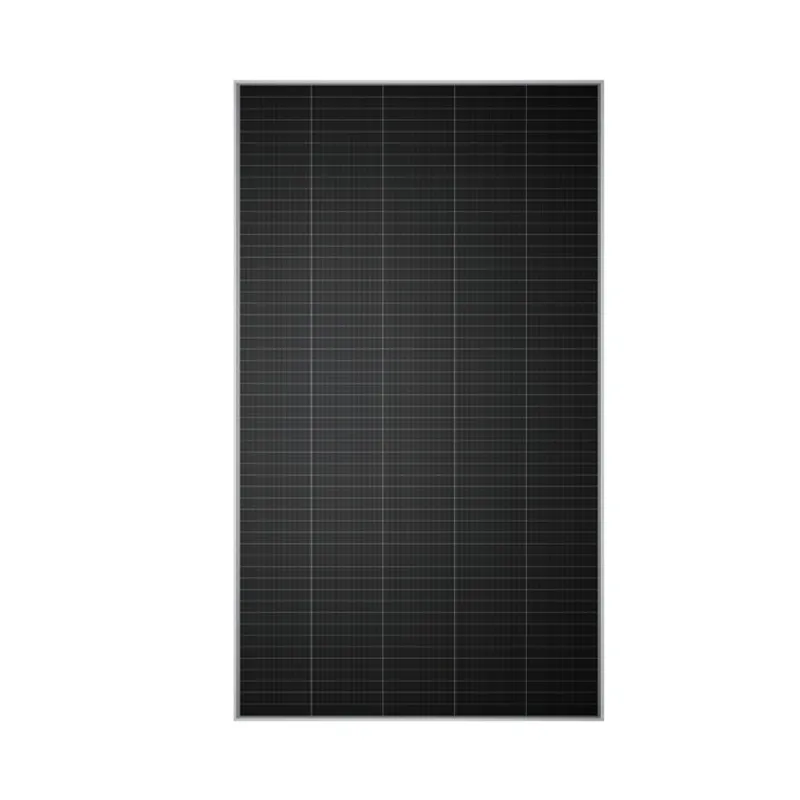
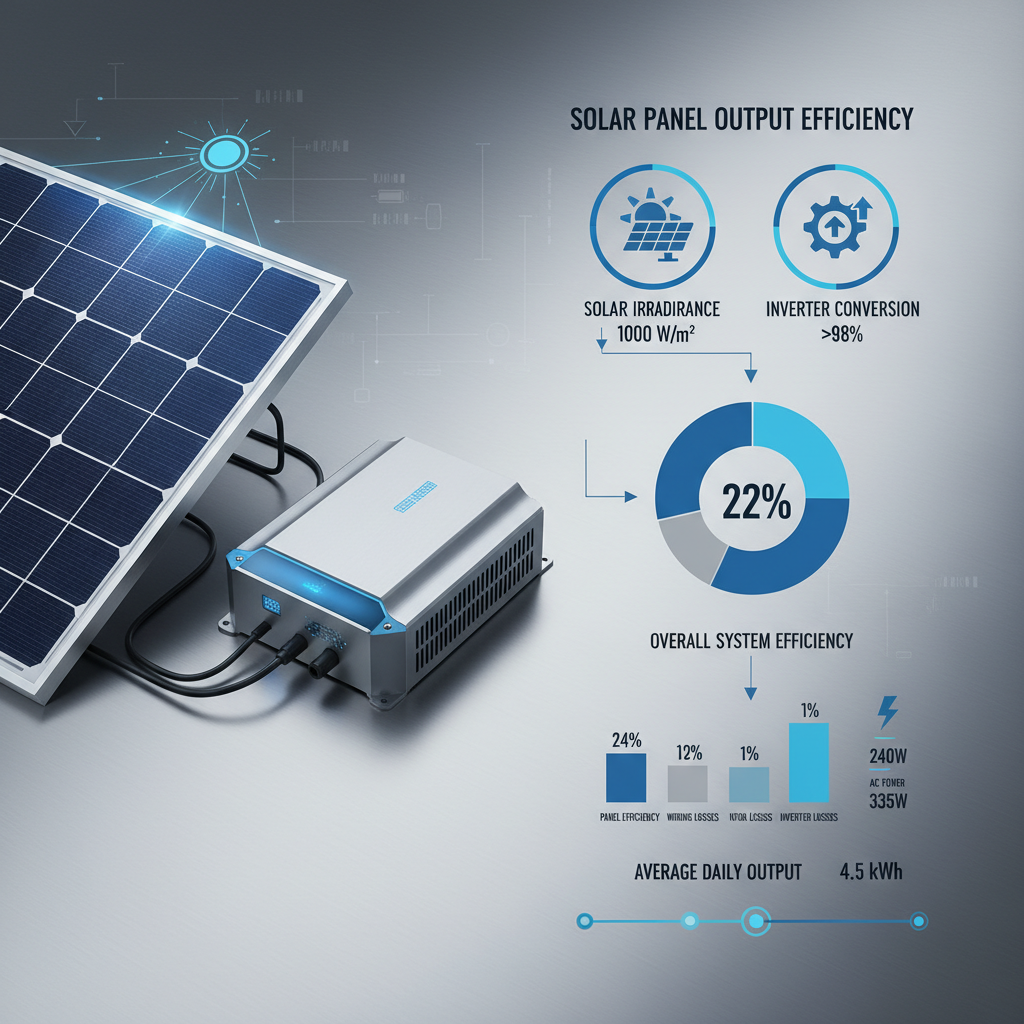
Solar panel output efficiency is the percentage of sunlight that a solar panel converts into electricity. It's a key factor in determining the overall performance and cost-effectiveness of a solar energy system. A higher efficiency rating means a panel can generate more power from the same amount of sunlight, requiring less roof space to achieve a desired energy output. For example, a 20% efficient panel will convert 20% of the sunlight hitting it into electricity, while the remaining 80% is lost due to factors like heat and reflection. Understanding this metric is crucial when comparing different solar panels and evaluating their long-term value. Benjiu Solar focuses on maximizing this efficiency through advanced materials and manufacturing processes.
Key Takeaway: Higher efficiency means more power from less space, leading to potentially lower installation costs and faster energy payback.
Factors Influencing Solar Panel Output Efficiency
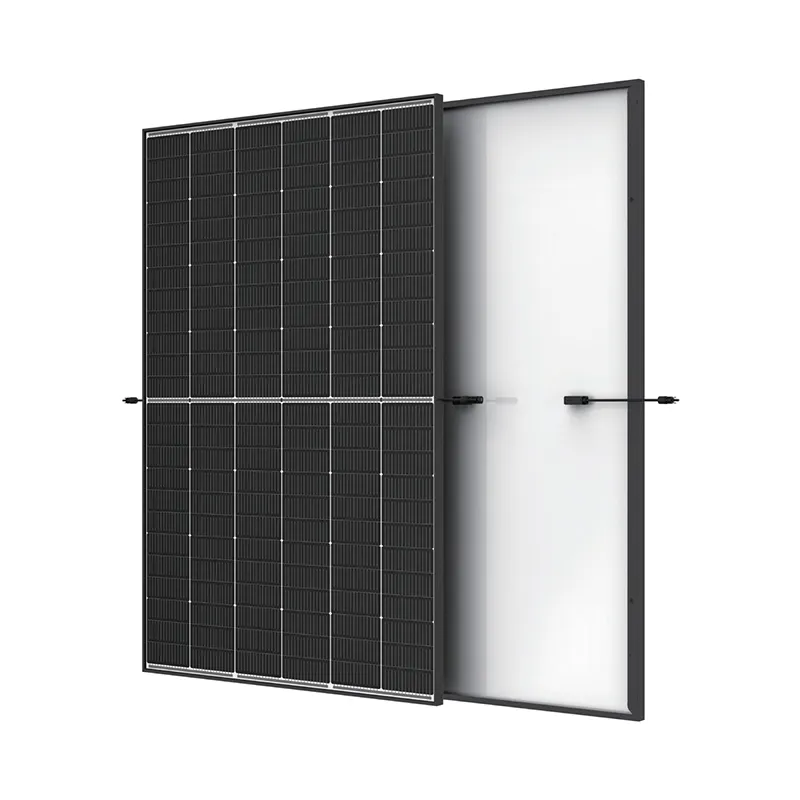
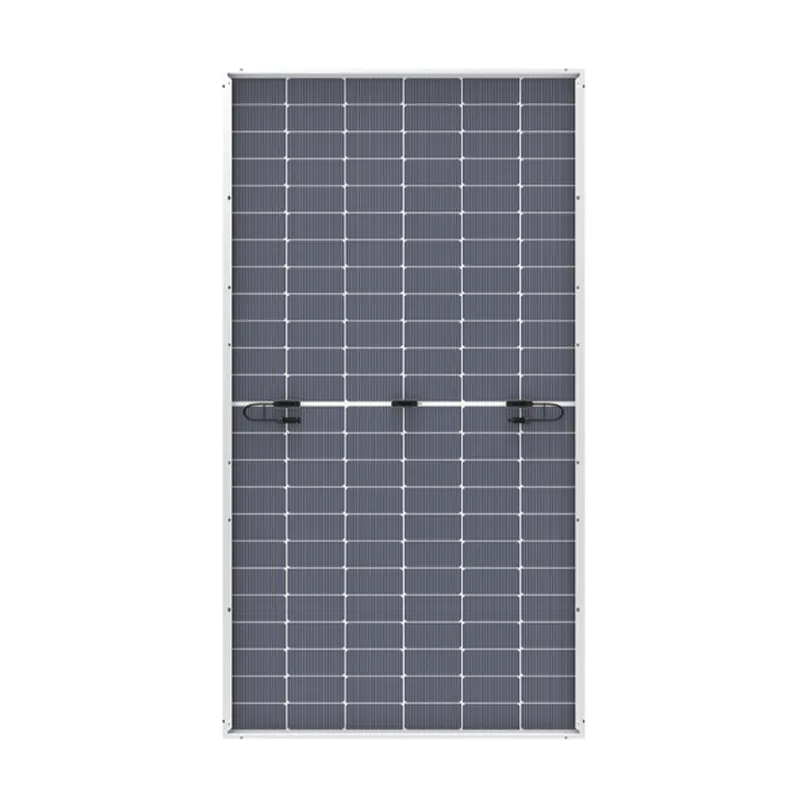
Several factors contribute to a solar panel’s efficiency. These include the type of solar cell used (monocrystalline, polycrystalline, or thin-film), the quality of materials, manufacturing processes, and operating conditions. Monocrystalline panels generally offer the highest efficiency (around 20-22%), followed by polycrystalline (15-17%), and then thin-film (10-13%). Temperature also plays a significant role; efficiency decreases as panel temperature increases. Shading, dust accumulation, and the angle of sunlight can also reduce output. At Benjiu Solar, we prioritize high-quality materials and rigorous testing to mitigate these factors and deliver consistently high performance.
Comparing Solar Cell Technologies and Efficiencies
Different solar cell technologies offer varying levels of efficiency and come with different price points. Here’s a comparison:
Benjiu Solar: Maximizing Efficiency Through Innovation
At Benjiu Solar, we are committed to pushing the boundaries of solar panel efficiency. We utilize advanced monocrystalline cell technology and employ rigorous quality control measures throughout our manufacturing process. Our panels are designed to withstand harsh weather conditions and maintain high performance over their lifespan. We continually invest in research and development to improve our products and deliver the highest possible energy yield to our customers. We strive to offer solutions that provide both long-term reliability and optimal energy production.
Real-World Performance and Considerations
While lab-tested efficiency is important, real-world performance can vary. Factors like shading, temperature, and panel orientation impact actual energy output. Regular cleaning and maintenance are essential to maximize efficiency. Benjiu Solar offers comprehensive support and guidance to ensure optimal system performance. We also provide detailed product specifications and performance data to help you accurately estimate your energy savings. By understanding these real-world considerations, you can make an informed decision and maximize the return on your solar investment.
Conclusion: Choose Efficiency, Choose Benjiu Solar
Investing in high-efficiency solar panels from Benjiu Solar is a smart choice for a sustainable future and long-term energy savings. Our commitment to innovation, quality, and customer support ensures you get the most out of your solar investment. Don’t settle for less – choose the efficiency and reliability of Benjiu Solar.
Frequently Asked Questions (FAQs)
What is the typical lifespan of a Benjiu Solar panel?
Benjiu Solar panels are designed for a long operational life, typically exceeding 25 years. We offer a comprehensive warranty guaranteeing a minimum power output of 80% after 25 years. This longevity is achieved through the use of high-quality materials, robust construction, and rigorous testing procedures. However, the actual lifespan can be influenced by environmental factors and maintenance practices. Regular inspections and cleaning are recommended to maintain optimal performance throughout the panel’s lifespan. Our panels are built to withstand harsh weather conditions, including extreme temperatures, high winds, and heavy snowfall, ensuring reliable performance for decades.
How do temperature fluctuations affect solar panel efficiency?
Solar panel efficiency decreases as temperature increases. This is a natural phenomenon due to the physics of semiconductors. Higher temperatures increase the resistance within the solar cells, reducing their ability to convert sunlight into electricity. Benjiu Solar panels are designed with temperature coefficients that indicate the percentage decrease in power output per degree Celsius increase in temperature. We utilize materials and designs that minimize the impact of temperature fluctuations, ensuring consistent performance even in hot climates. Proper ventilation around the panels can also help mitigate temperature-related efficiency losses.
What maintenance is required for Benjiu Solar panels?
Benjiu Solar panels require minimal maintenance. The primary recommendation is regular cleaning to remove dust, dirt, and debris that can accumulate on the panel surface and reduce sunlight absorption. The frequency of cleaning depends on your location and environmental conditions. In general, cleaning once or twice a year is sufficient. Avoid using abrasive cleaners or harsh chemicals, as these can damage the panel surface. We also recommend periodic visual inspections to check for any signs of damage or wear. Professional maintenance checks are also available for more detailed assessments.
What warranty does Benjiu Solar offer on its panels?
Benjiu Solar stands behind the quality of its products with a comprehensive warranty. We offer a 12-year product warranty covering defects in materials and workmanship, and a 25-year performance warranty guaranteeing a minimum power output of 80% of the original rated power. This warranty provides peace of mind and ensures long-term value for your investment. Detailed warranty information can be found on our website, www.benjiusolar.com, or by contacting our customer support team.
-
Designing a Modern Home Roof Made Out of Solar Panels GuideNewsApr.16,2026
-
Guide to the Size of 150 Watt Solar Panel for Your ProjectNewsApr.09,2026
-
Understanding the Dimensions and Applications of a 200W Solar PanelNewsApr.07,2026
-
Understanding the Dimensions and Factors of a 330W Solar Panel SizeNewsApr.04,2026
-
Understanding the Size and Dimensions of a 4kW Solar Panel System for Your HomeNewsMar.31,2026
-
Comprehensive Guide to Sizing Your Solar System for Optimal Energy ProductionNewsMar.28,2026